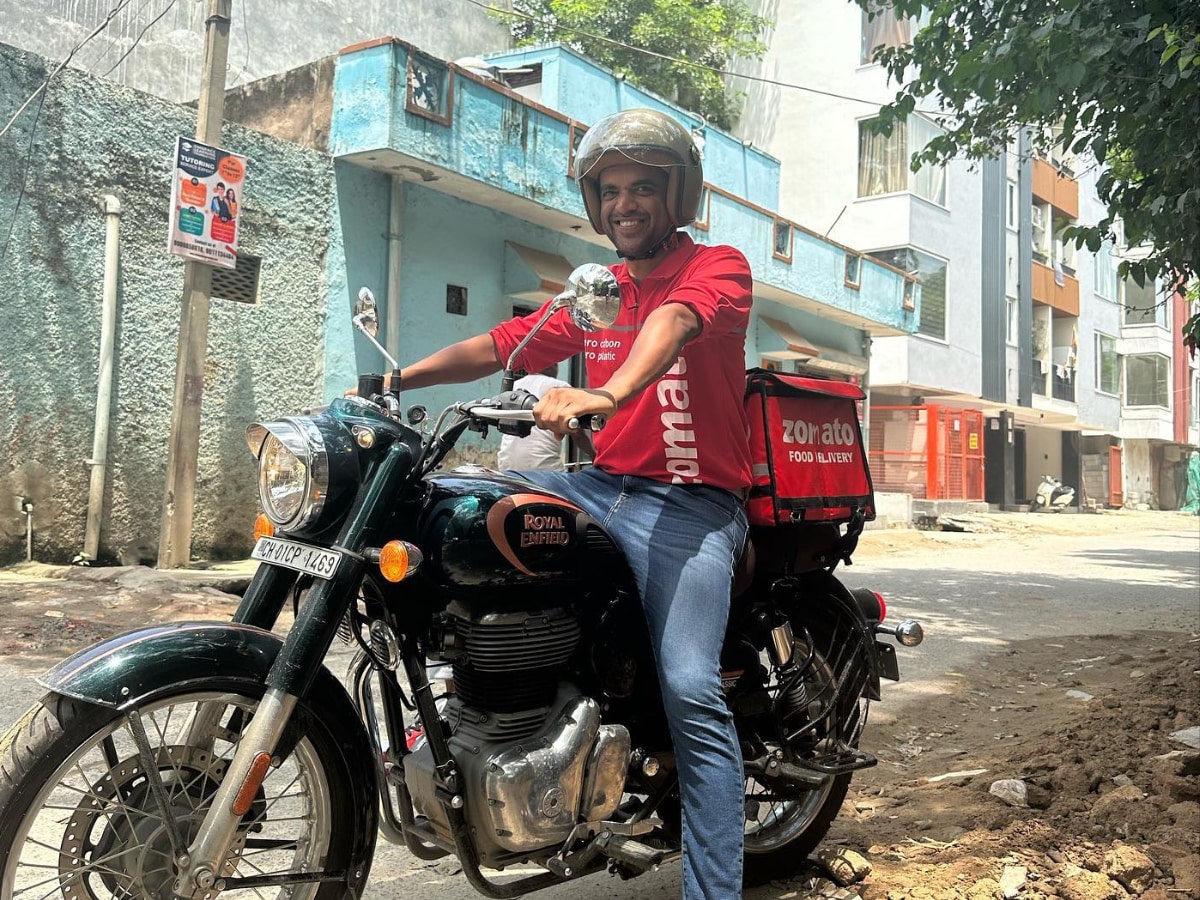


Recognize him?
He is the man who leads a company worth 33 billion USD in India.
Do I need to spell his name?
Okay!
He is none other than Deepinder Goyal (or DP, as India Inc. and I myself call him), the celebrated founder and CEO of Zomato, not just India’s but the world’s most famous and valued tech-powered food delivery platforms.
Back in 2008, when Deepinder Goyal started Foodiebay, a simple website to browse restaurant menus. No one imagined it would grow into Zomato, a company that changed how India eats and became a global food-tech giant.
But the truth is DP isn’t an exception. India is full of founders who began with nothing more than an idea and a big dream.
Some built world-class software from a tiny room.
Some are working on artificial intelligence in Bengaluru.
Some are fixing how we pay, study, travel, or order goods.
They try, they fail, they get up again. Sometimes they fall flat, but they don’t give up. That’s what makes them special. That’s how they shape not only India, but also the world.
This list is an attempt to celebrate them. The 101 entrepreneurs in India who are shaping the future in 2026. Not just the billionaires you see on magazine covers, but builders, doers, and dreamers creating real impact.
List of 101 entrepreneurs in India you should know
Before we start, a note: these names are the ones I (and the ZeroAdo team) truly admire. It’s a collaborative list, but the words are mine. You may have your own favorites and that’s the beauty of entrepreneurship. Everyone has their own taste. Some love coffee, some love tea. ☕🍵
So let’s raise a cup (whichever you like) and begin. 🚀
Akash Bhadange & Yogini Bende
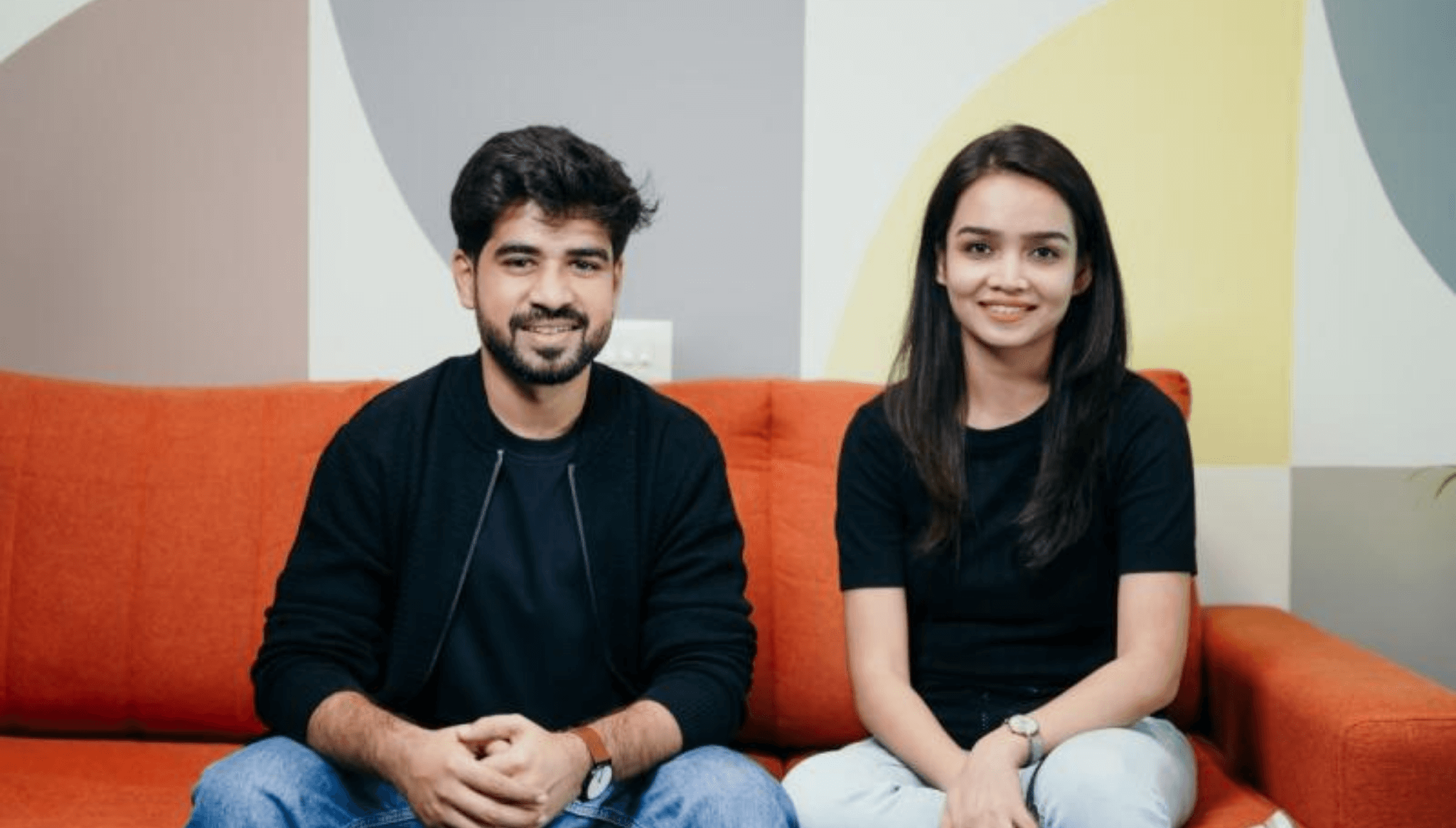
What does it take to stand out in today’s noisy job market? A résumé? A LinkedIn profile? Or proof of what you’ve actually built?
That’s the question Akash Bhadange and Yogini Bende asked before starting Peerlist, a platform where professionals don’t just list titles, but showcase their real work.
Akash, a product design expert with years of experience at companies like Athenahealth, Cellpoint Digital, and Helpshift, knew the frustration of being defined only by job titles. Yogini, with the same spirit, believed professionals deserved a space where skills spoke louder than words.
So, in 2021, the duo built Peerlist, and by 29, Akash had already secured USD 1.12 million in funding to grow the platform. Today, Peerlist is becoming India’s answer to LinkedIn, only more authentic, more human, and more proof-driven.
Vivek Raina
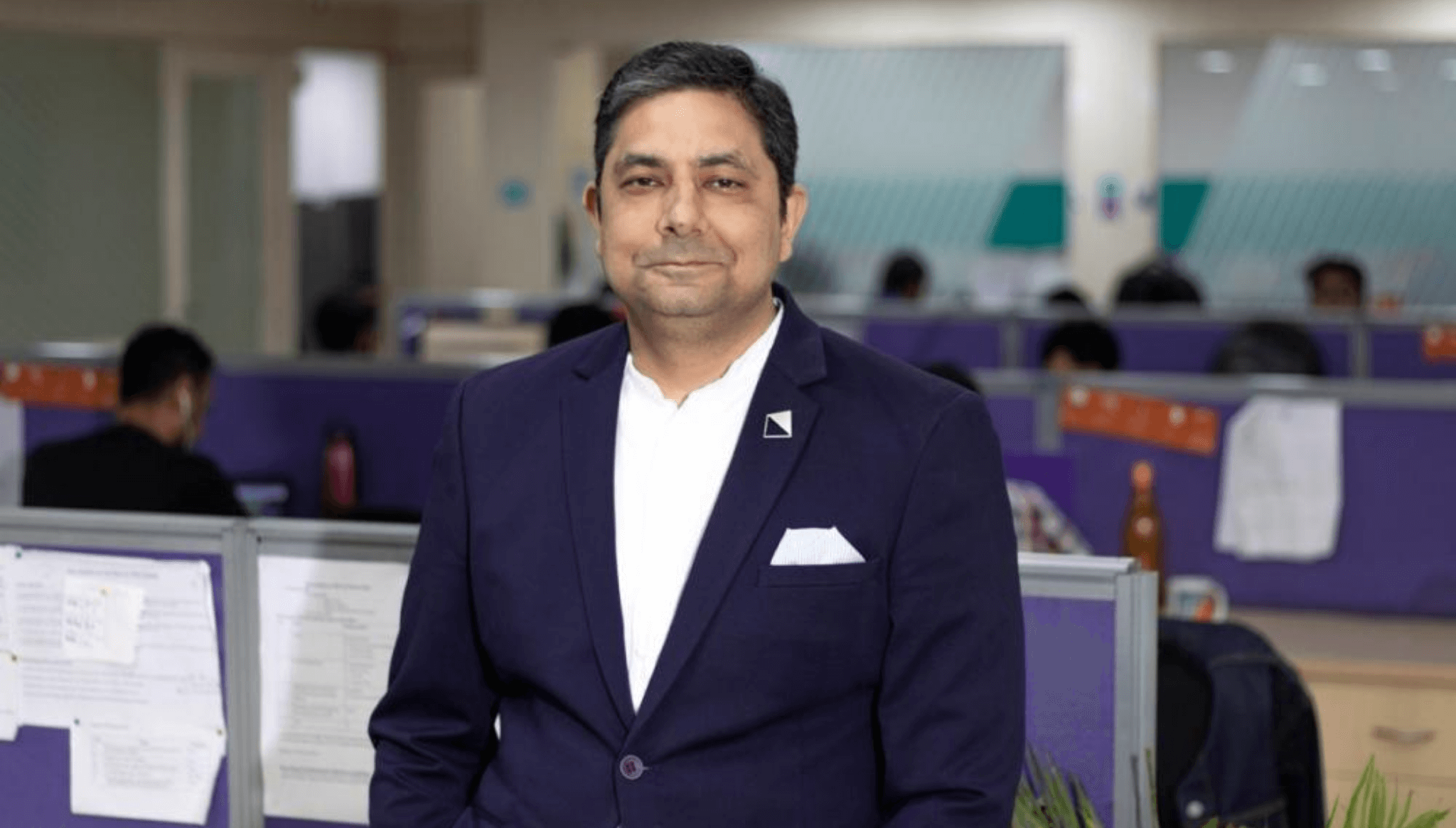
When Vivek Raina looked at India’s internet landscape in 2015, he saw something broken. Data was expensive, plans were confusing, and speed was a luxury. He decided to change that.
With over 20 years of experience in companies like Hathway and Reliance, Vivek knew the pain points of Indian households. His idea with Excitel was simple but bold: giving people unlimited internet, fair prices, and pure focus on broadbands.
But Vivek’s journey doesn’t stop at business. With Launchpad Kashmir, he’s mentoring young entrepreneurs from his homeland, proving that success isn’t just about profits, but also about lifting others.
Deepinder Goyal
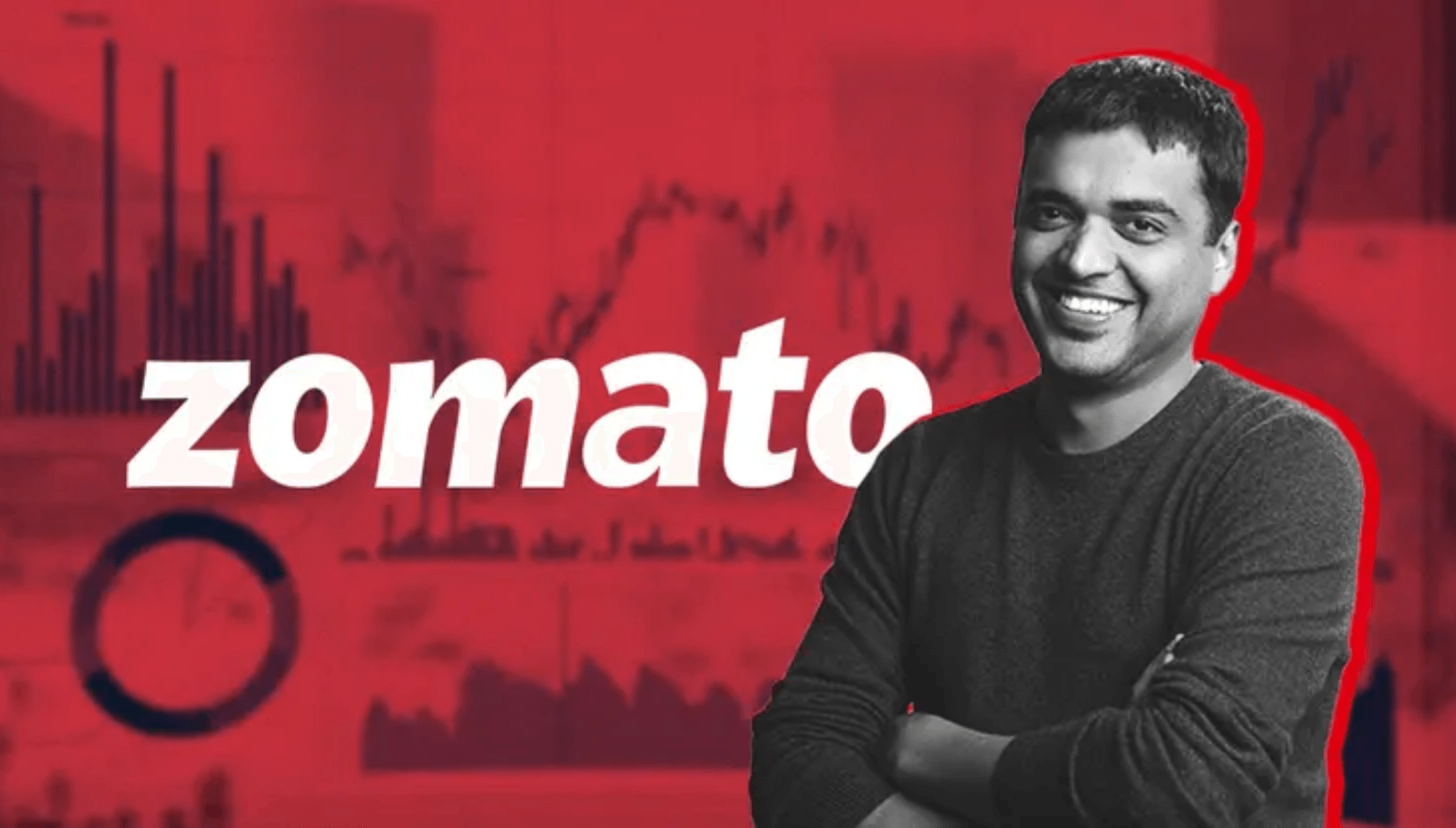
Deepinder Goyal is the man behind Zomato, one of India’s biggest startup stories. Back in 2008, he started with a small idea, putting restaurant menus online. That small step grew into a giant food discovery and delivery company that now works in 10,000+ cities across 24 countries!
Under his leadership, Zomato went public in 2021 with a huge $12 billion value. Later, the company also bought Blinkit to start quick grocery delivery. And just recently, Zomato made its first-ever profit, a big moment for Indian startups.
But Deepinder doesn’t stop at Zomato. He’s also building new ventures like LAT Aerospace (aviation startup) and Continue (a health and wellness venture), proving that he’s always thinking about the future.
Aadit Palicha
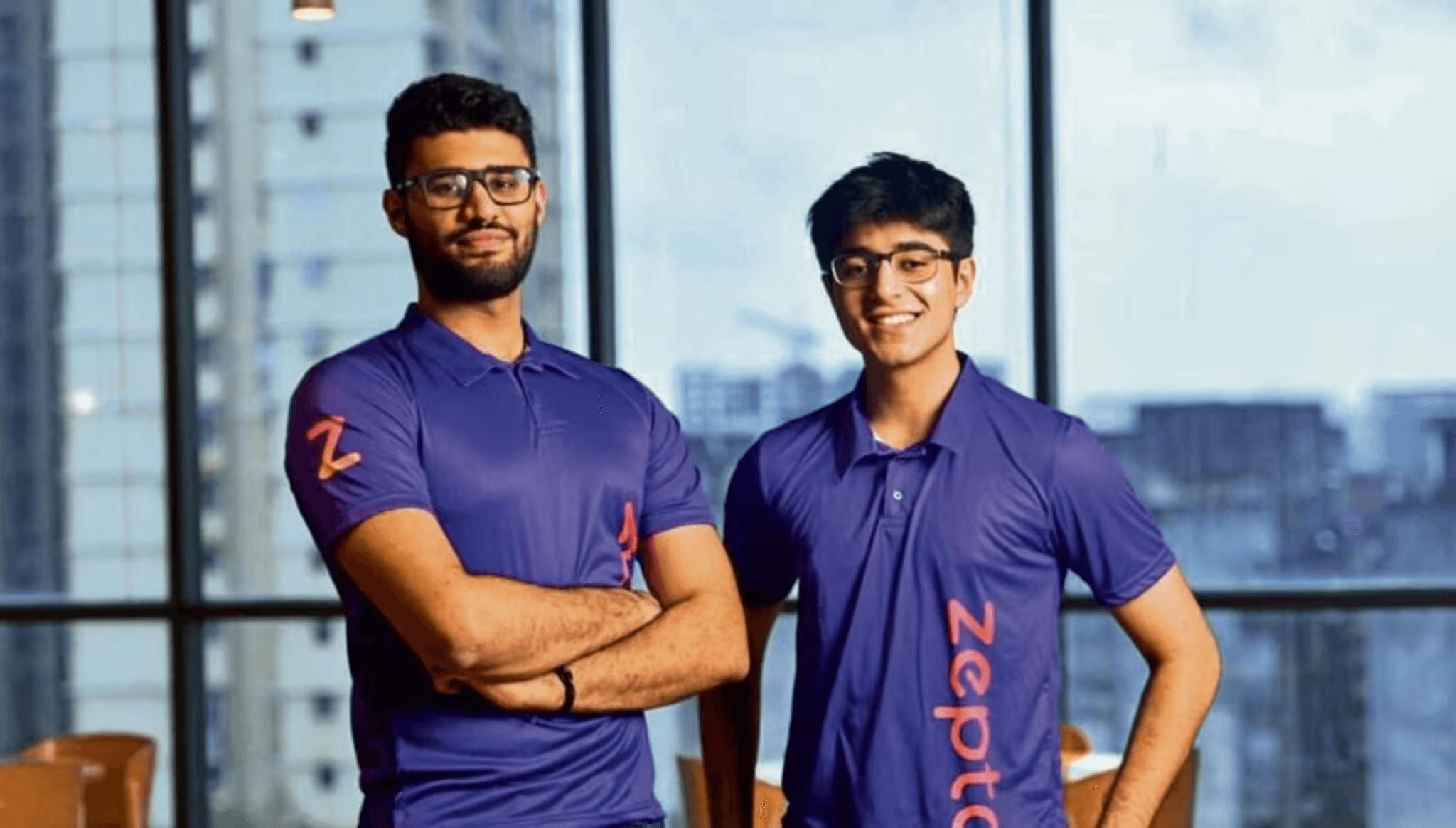
What were you doing at 23?
For Aadit Palicha, the answer is simple: building one of India’s fastest-growing startups – Zepto.
Aadit left Stanford and, after an earlier startup called KiranaKart, he and his friend Kaivalya Vohra launched Zepto in 2021.
Armed with dark stores, sharp technology, and relentless ambition, Zepto scaled to 4M+ users in just two years. It went on to become a $5 billion unicorn, making Aadit one of India’s youngest entrepreneurs to achieve that milestone.
Aadit has also been featured in the Hurun Under 30 list. And for him, this is just the beginning, he wants Zepto to go global and change how people shop for good.
Alakh Pandey
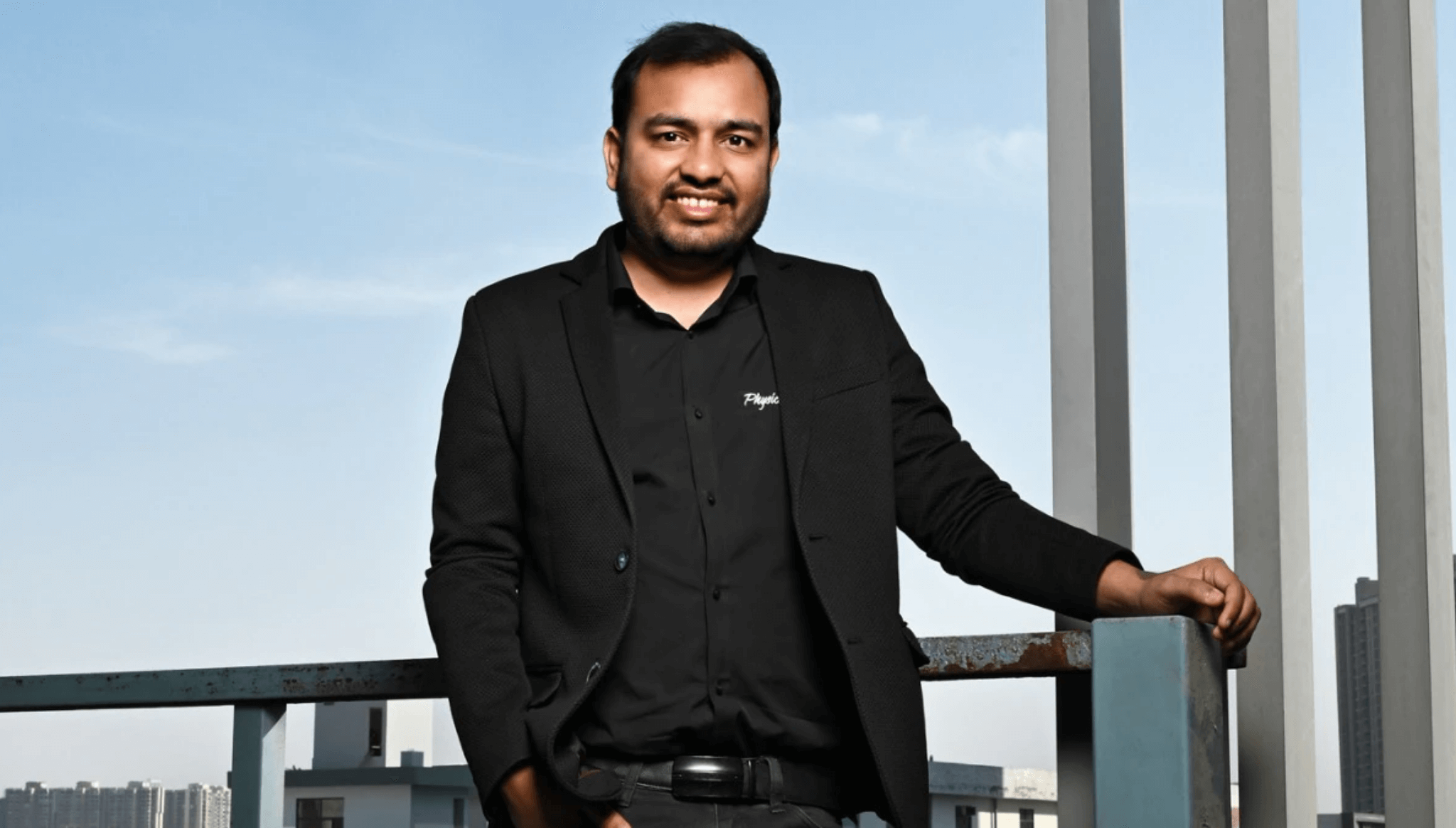
Physics Wallah is an edtech company that gives students quality education at affordable prices.
The Founder and CEO of Physics Wallah, Alakh Pandey started as a small-town teacher and began teaching on YouTube in 2016. His simple and fun way of teaching quickly made him popular, especially between JEE and NEET students.
In 2020, along with Prateek Maheshwari, he launched the PW app so students from smaller cities could get top-quality courses at prices they could afford.
Today, Physics Wallah is valued at $2.8 billion and is helping millions of learners both online and offline.
Ritesh Agarwal
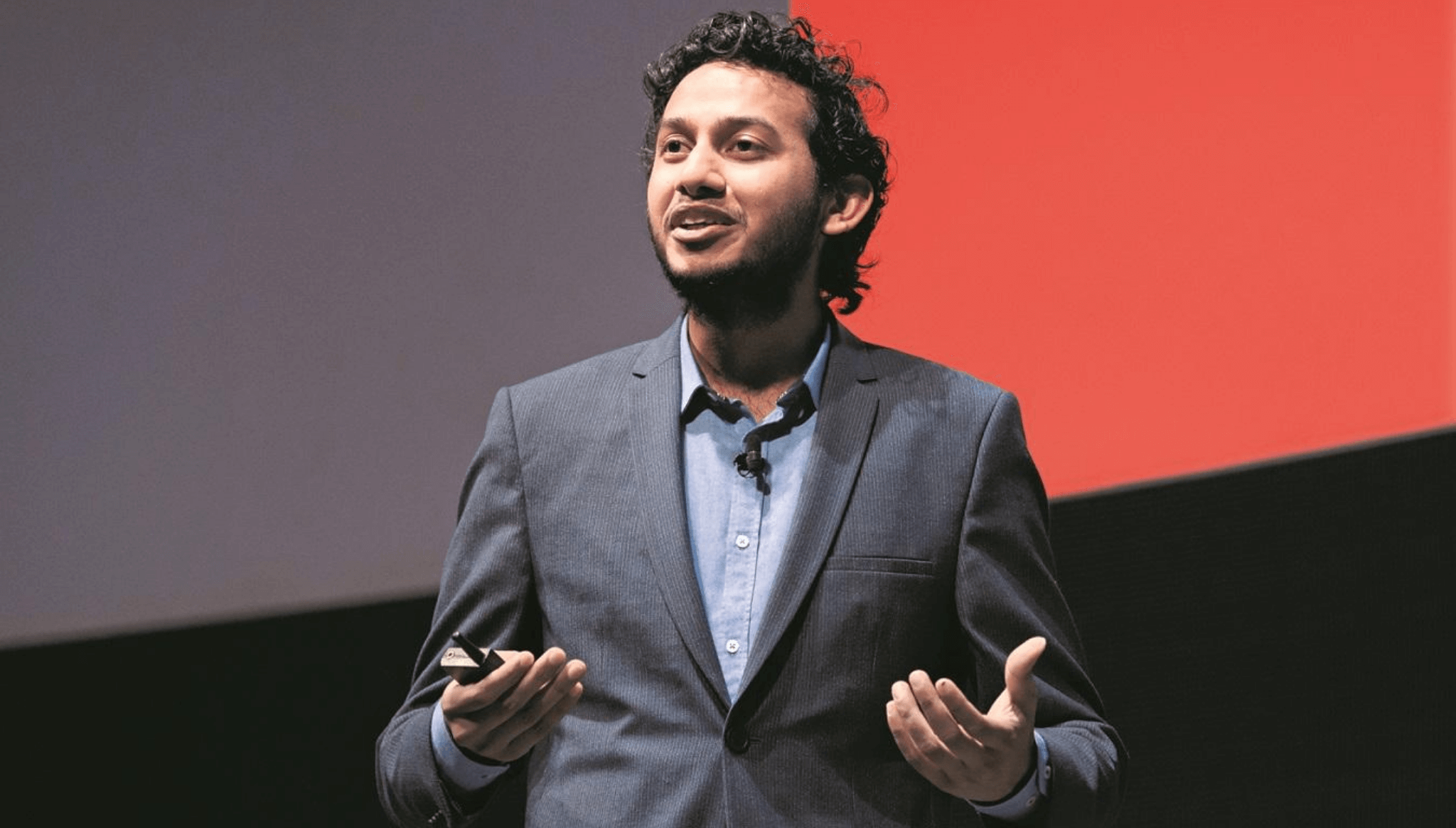
At 19, when most were busy choosing a career, Ritesh Agarwal was already fixing India’s broken budget hotel system. That’s how OYO Rooms was born.
His idea was so strong that he even won the famous Thiel Fellowship. He grew it fast with help from big investors like SoftBank, and now OYO is global, even owning Motel 6 in the US.
The journey wasn’t smooth. During COVID-19, OYO faced tough times, but Ritesh adapted with long-stay rentals and digital-first hospitality.
Today, OYO is worth billions, and Ritesh is one of India’s most well-known startup founders.
Shashvat Nakrani
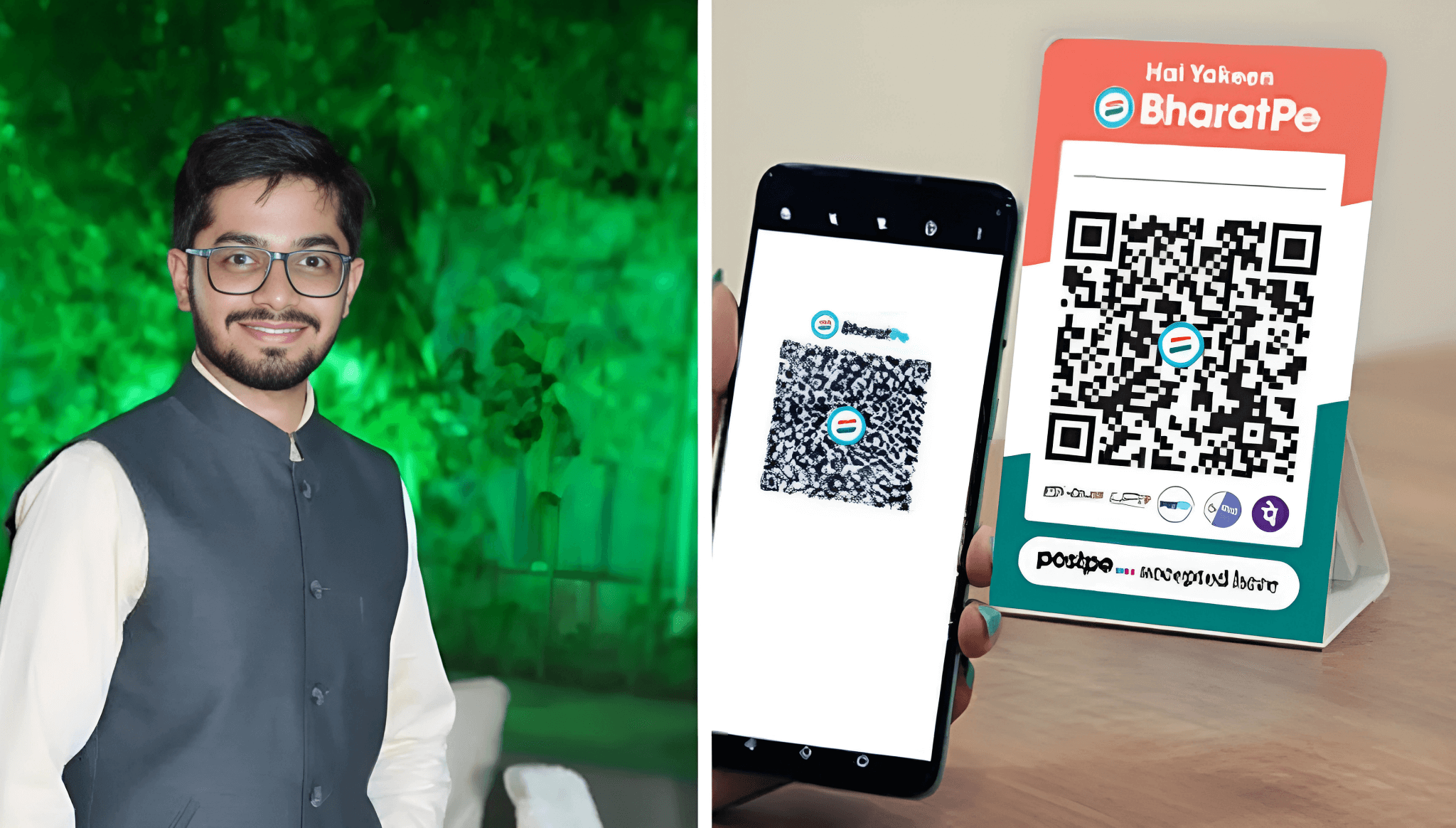
Shashvat Nakrani, born in Bhavnagar, Gujarat, in 1994, showed his love for business from a young age. While studying at IIT Delhi, he noticed a big problem, small shop owners had no easy and low-cost way to accept digital payments.
At just 19 years old, he dropped out of IIT and started BharatPe in 2018 with Bhavik Koladiya (later joined by Ashneer Grover). His idea was simple but powerful, one QR code for all apps, with zero fees for merchants.
The idea worked. BharatPe grew fast and became a big name in fintech. Today, it not only helps shopkeepers take payments but also gives loans, and credit to merchants.
By 2026, BharatPe reached a value of $5.3 billion, making Shashvat one of India’s youngest self-made billionaires.
Karan Mehta
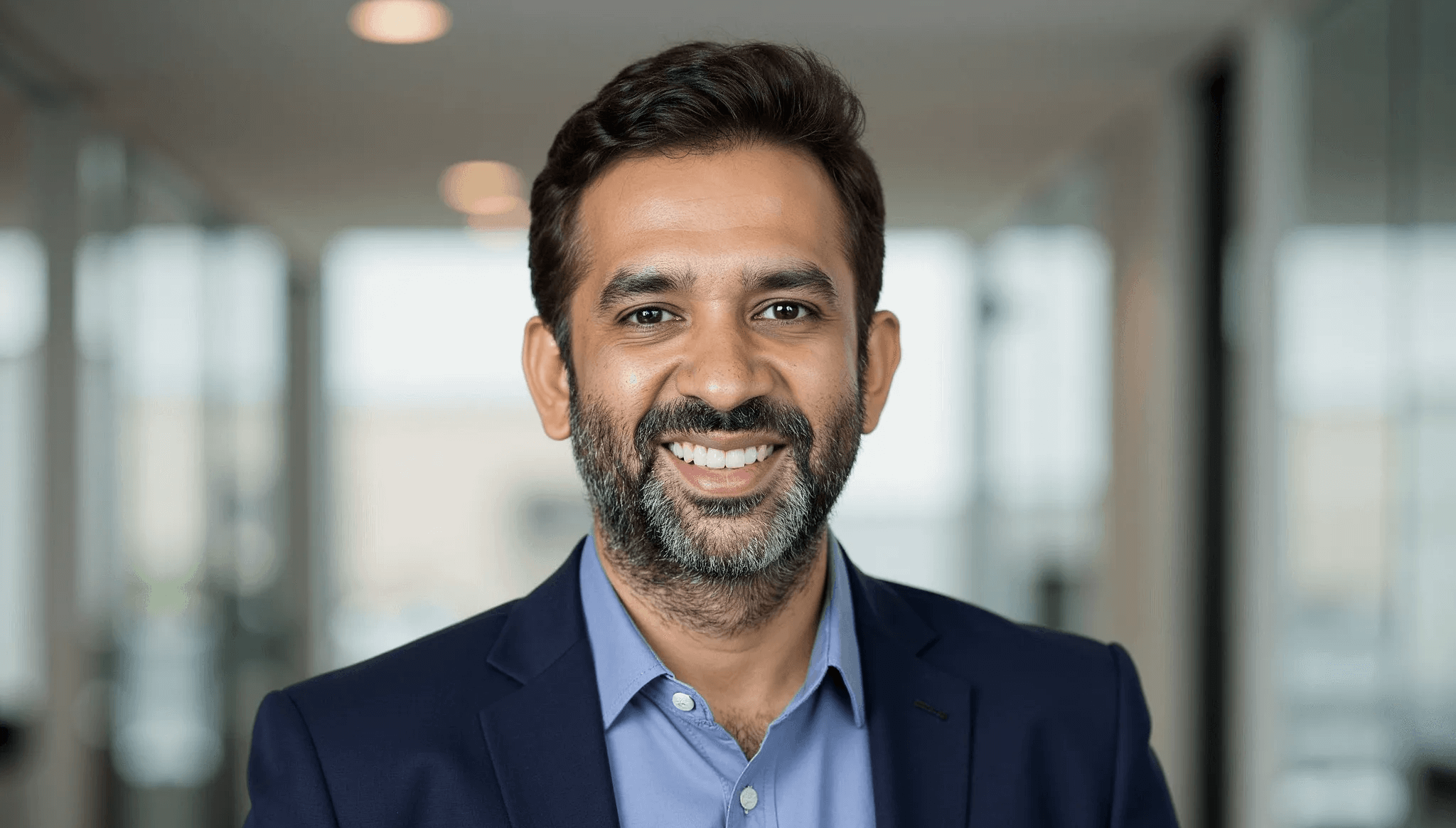
How do you bring credit to people who banks often ignore?
That’s the question Karan Mehta set out to answer with Kissht, a fintech startup that makes digital loans easy for everyone.
He studied Computer Engineering in Mumbai and later did his Master’s at Carnegie Mellon University. Karan began his career at Citadel Investment Group but soon moved into startups like Swipe Payments and Karma Technology.
In 2015, he co-founded Kissht, where he created smart systems using AI for credit scoring, fraud checks, and easy onboarding. This helped many underserved people access digital loans.
After leaving Kissht in March 2026, Karan co-founded Rezolv, an AI-driven debt resolution platform, and Ring, which simplifies customer payments.
Karan’s journey shows one thing clearly: he consistently uses technology to solve real problems and strengthen digital lending in India.
Byju Raveendran

Byju Raveendran went from a small village in Kerala to building one of the biggest edtech companies in the world.
It all started when he was helping his friends prepare for the CAT exam. His unique way of teaching made tough topics easy and fun. Soon, this side gig grew into BYJU’S, a digital learning app that became a $22 billion global giant at its peak.
Byju’s mix of storytelling and teaching changed how millions of students learn.
In recent years, BYJU’S has faced financial and operational challenges. But Byju hasn’t given up. With new ideas like BYJU’S Tuition Centers, he is working hard to rebuild and adapt.
His journey shows the real ups and downs of entrepreneurship, big dreams, fast growth, and the courage to face tough times.
Shashank ND
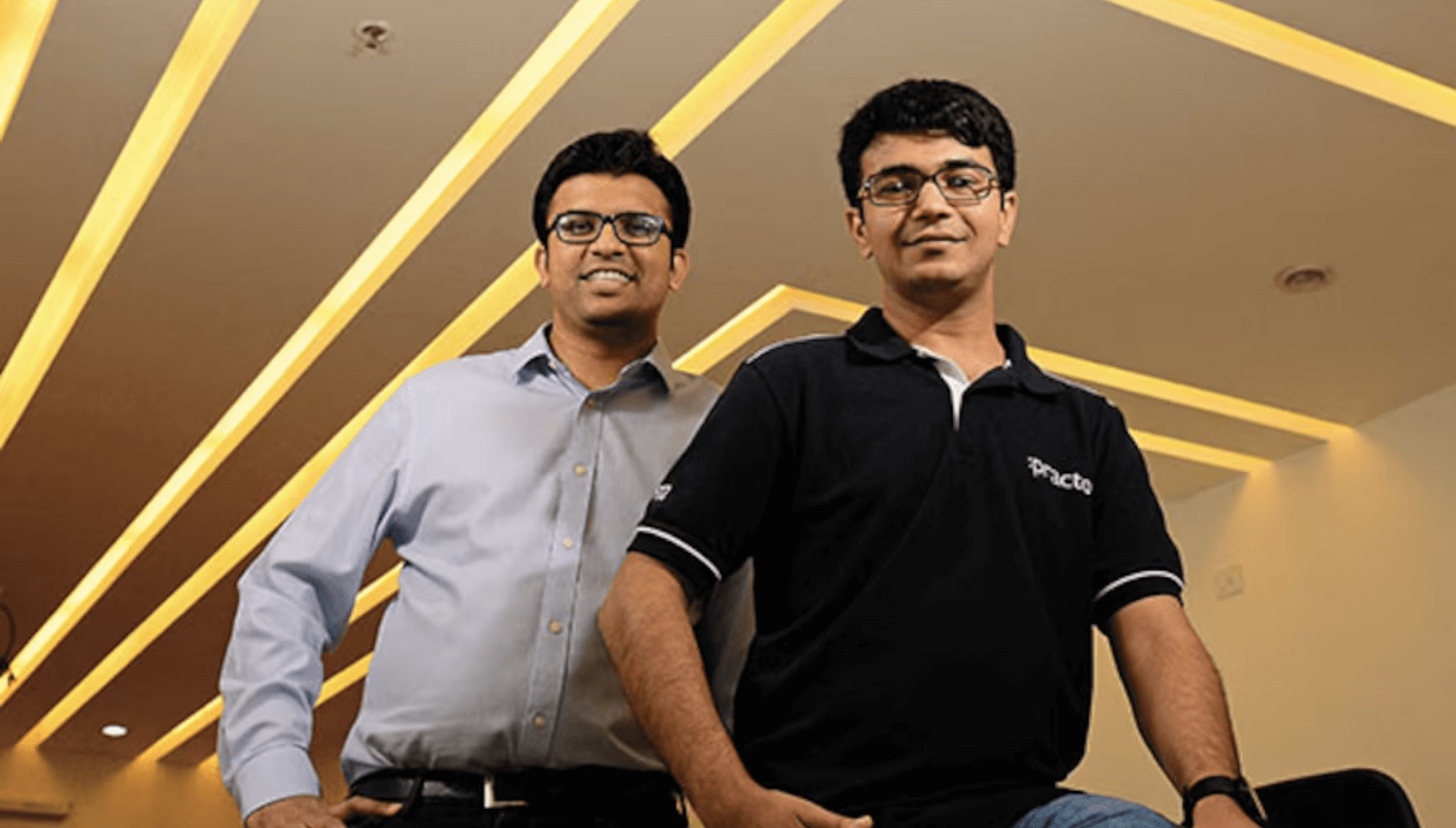
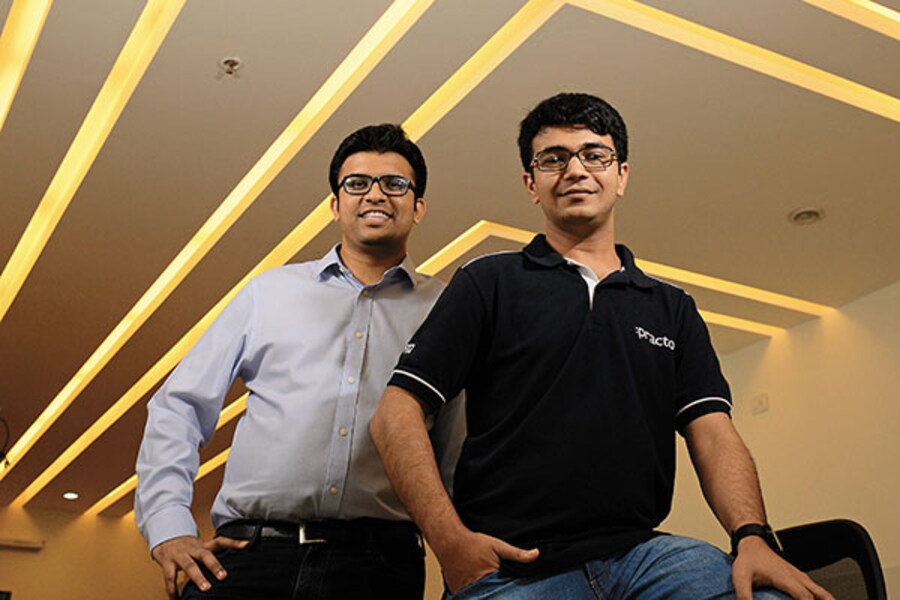
Some businesses are born from personal pain. For Shashank ND, it was the struggle of getting his father’s medical records for a second opinion. That frustration gave birth to Practo in 2008, co-founded with Abhinav Lal.
What began as a software tool for doctors grew into one of India’s most important health-tech platforms, offering online doctor consultations, medicine delivery, check-ups, and even AI-driven healthcare solutions.
During the COVID-19 pandemic, Practo became a lifeline, enabling millions to connect with doctors from home. Today, it stands as India’s leading healthcare platform.
Featured in Forbes 30 Under 30 and Fortune 40 Under 40, Shashank continues to push boundaries by focusing on AI in healthcare, elder care, and mental health, while also preparing for an IPO.
Tilak Mehta
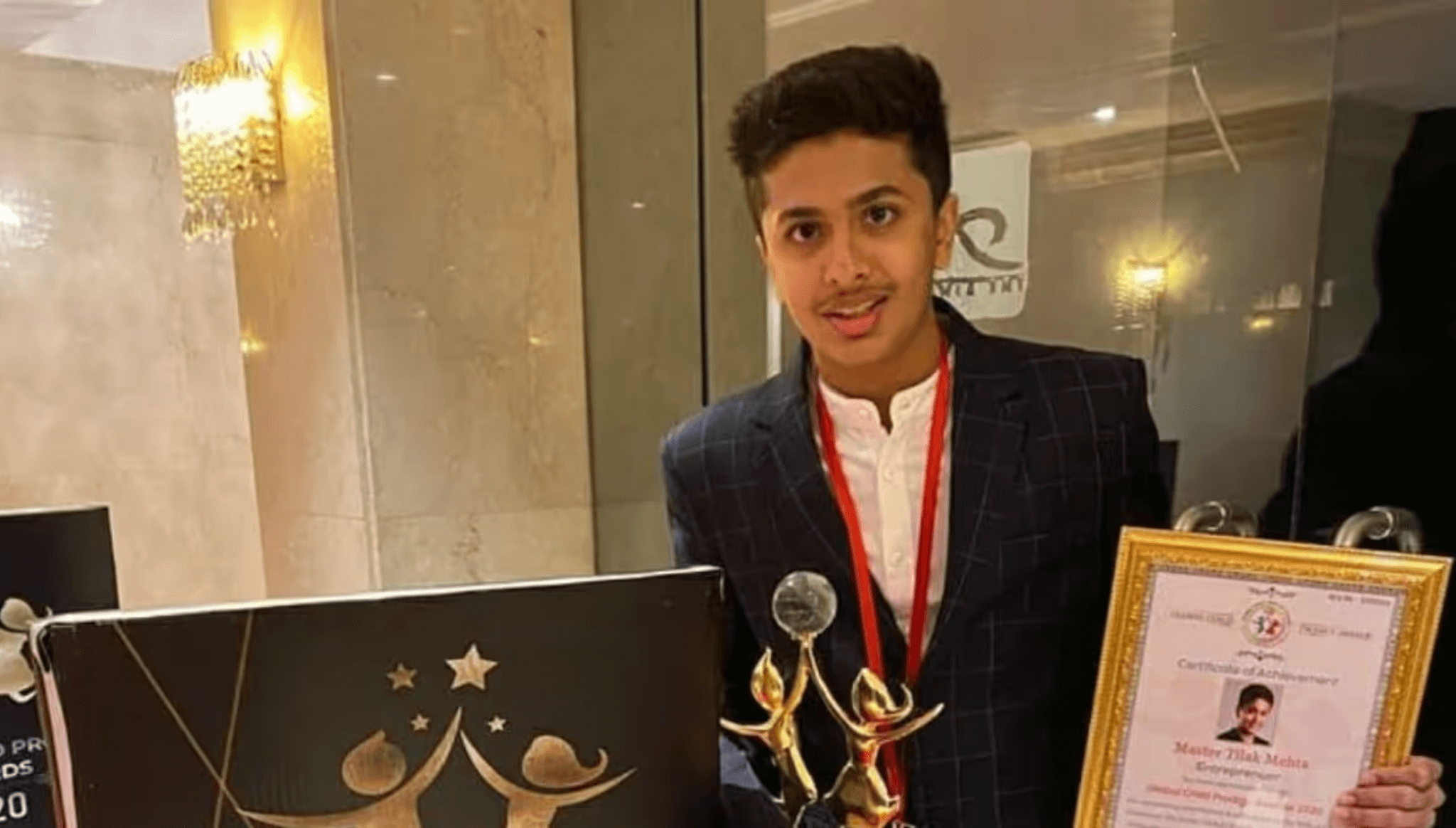
Started by Tilak Mehta at 19, Papers N Parcels (PNP) is a delivery startup in Mumbai that delivers parcels within the city on the same day.
The inspiration came from Tilak’s own problem. One day, he needed his books delivered quickly and cheaply, but it was hard to find a service. That’s when he thought of creating PNP.
He built it using Mumbai’s famous Dabbawala network for last-mile delivery. And it worked! Today, PNP handles thousands of deliveries every day and has crossed ₹100 crore in turnover.
Tilak’s story proves it: you don’t need decades of experience to solve real problems, just a smart idea, huge guts, and you’re good to go.
Falguni Nayar
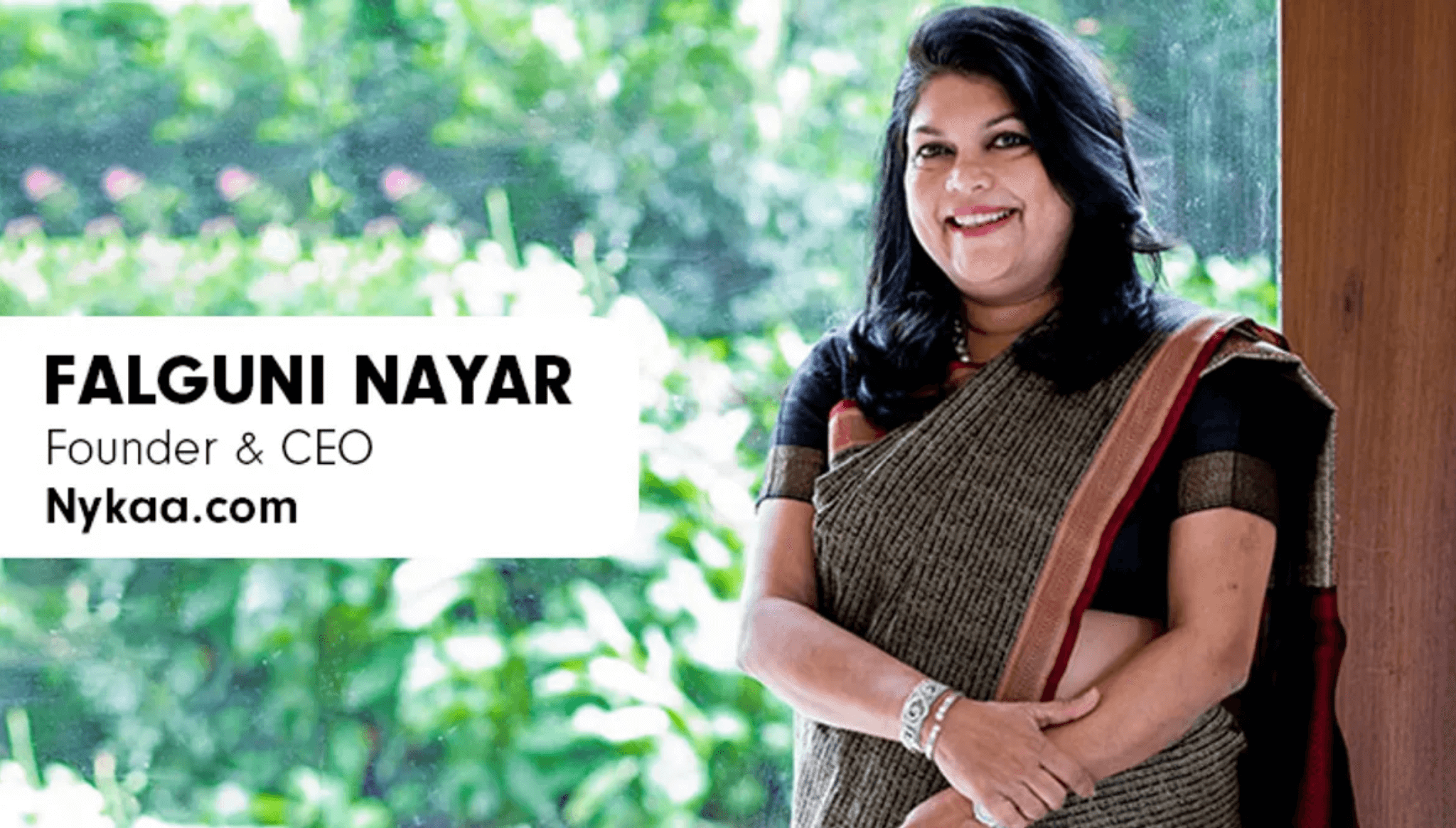
Imagine leaving a successful investment banking career at the age of 50 to chase a dream. That’s exactly what Falguni Nayar did when she launched Nykaa in 2012.
Her goal was simple but powerful: transform how Indians shop for beauty and lifestyle products. What started as an online platform soon expanded into physical stores, becoming a household name (including mine).
In 2021, Nykaa went public with one of India’s most successful IPOs, and Falguni became one of the few self-made female billionaires in India.
Today, with a net worth of over ₹27,000 crore, she continues to inspire entrepreneurs worldwide. Her story proves one timeless truth: it’s never too late to start something, and age is no barrier to ambition.
Radhika Gupta
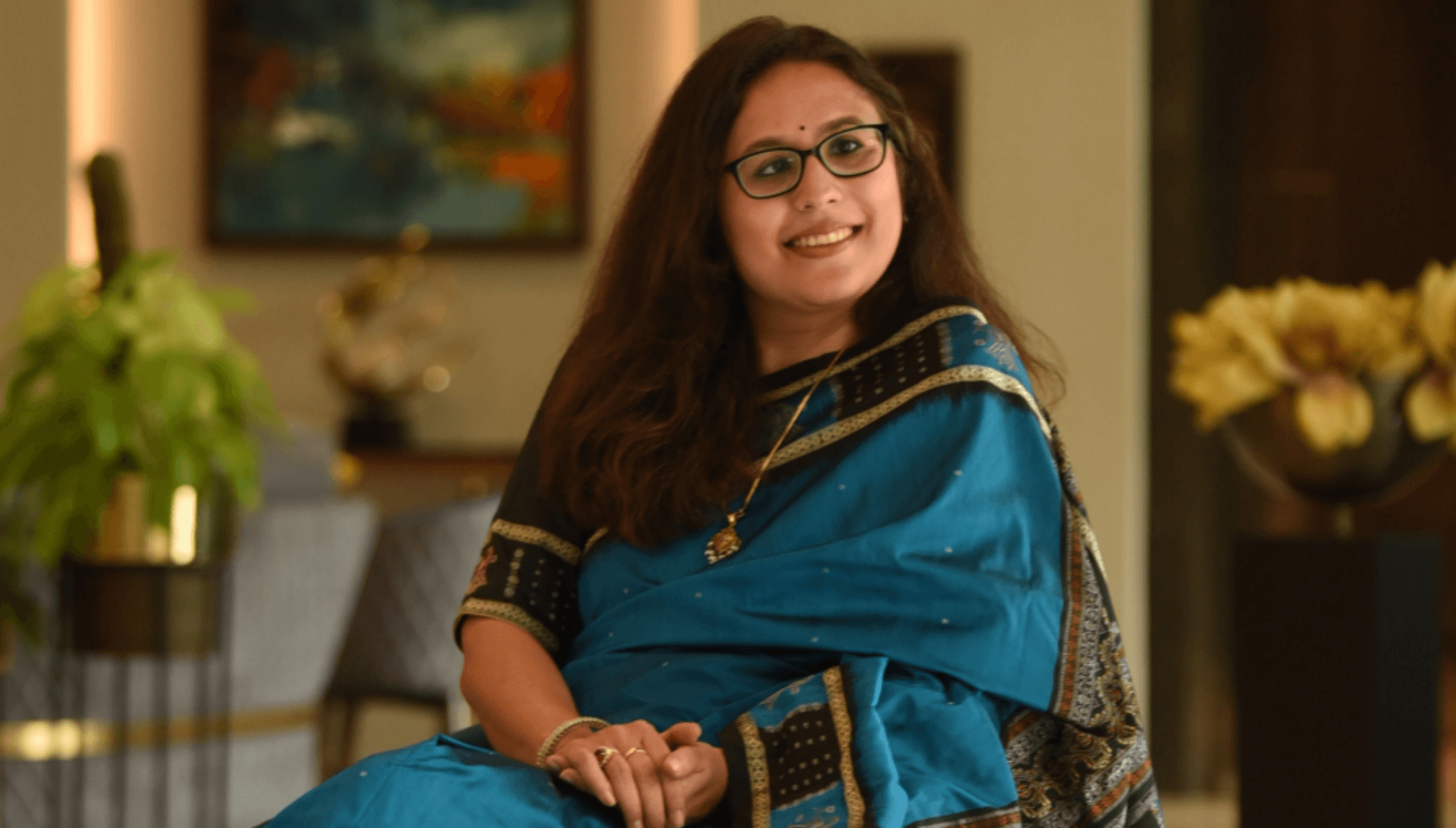
Radhika Gupta is the first and only woman to lead a big asset management company in India. She studied at Wharton and the University of Pennsylvania, and started her career with big names like McKinsey and AQR Capital.
Later, she co-founded Forefront Capital, India’s first homegrown hedge fund, which was later bought by Edelweiss. In 2017, she became the CEO of Edelweiss Asset Management. Under her leadership, the company has grown fast and even launched India’s first corporate bond ETF, the Bharat Bond ETF.
But Radhika’s story goes beyond business. She is also an author (her book Limitless), a TEDx speaker, and an advocate for financial literacy. She also serves as the VC of AMFI.
She has been named in Economic Times 40 Under 40 and recognized as a Young Global Leader by the World Economic Forum. For entrepreneurs, her journey is proof that you don’t just lead by numbers, you lead by rewriting norms.
Sriharsha Majety

Back in 2014, when food delivery was still a chaotic space in India, Sriharsha Majety, an alumnus of BITS Pilani and IIM Calcutta saw an opportunity. As a decision he co-founded Swiggy in 2014 along with Nandan Reddy and Rahul Jaimini. Before this, he had also worked on another startup called Bundl.
With his mix of technical skills, global exposure, and strong drive, he grew Swiggy into one of India’s biggest food delivery platforms. Over time, Swiggy expanded into new areas too, cloud kitchens (The Bowl Company), courier services (Swiggy Genie), and quick grocery delivery (Instamart).
Even though the early days had tough competition, Sriharsha focused on logistics, technology, and customer experience, which helped make Swiggy a household name. Today, Swiggy operates in 500+ cities.
In 2019, he won the Economic Times Entrepreneur of the Year Award. And in 2024, he led Swiggy’s IPO, which listed at ₹412 per share, marking a milestone for Indian startups.
Sriharsha now dreams of making Swiggy much more than food delivery, building a complete hyperlocal delivery system that makes urban life easier and more convenient.
Anand Mahindra
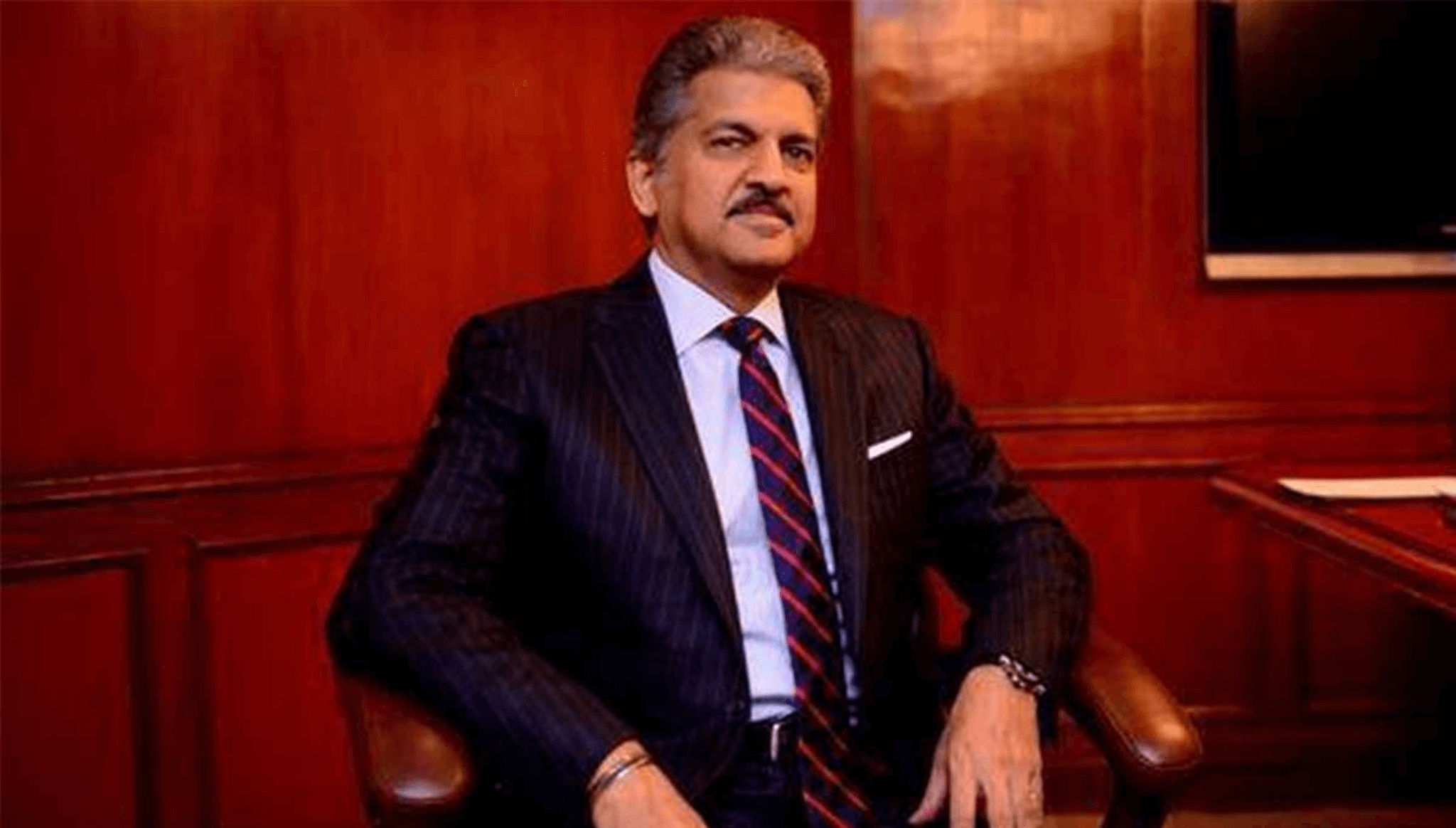
Anand Mahindra, a name we always heard when it comes to supporting young Indian entrepreneurs.
He is one of India’s most admired business leaders, known not just for his global vision, sharp ideas, and active presence on social media.
A Harvard MBA with a background in filmmaking and architecture, he transformed the Mahindra Group from an automobile manufacturer into a global powerhouse spanning farming, IT, finance, and more.
What I like about Anand Mahindra is his human touch and the virality of his tweets. No, not because he’s a business tycoon, but because he connects with people.
He’s also behind social initiatives like Project Nanhi Kali, which supports girl child education. Recognized with the Padma Bhushan and listed among Fortune’s World’s 50 Greatest Leaders, Anand Mahindra shows that leadership is not only about business success but also about creating value for society.
Uday Kotak

From starting a small finance company in 1985 to building one of India’s most trusted private banks, Uday Kotak’s journey is a masterclass in vision and discipline. In 2003, Kotak Mahindra became the first NBFC in India to win a banking license, rewriting the rules of Indian finance.
Under his leadership, the bank grew into many areas like stockbroking, car finance, mutual funds, and even acquired ING Vysya Bank to become even stronger.
In 2023, Uday Kotak stepped down as MD & CEO, but he still guides the bank as a non-executive director, focusing on strategy and digital growth.
With strong ethics and a focus on education through the Kotak Education Foundation, Uday Kotak is a true symbol of integrity in the financial world.
His lesson for entrepreneurs: Discipline and ethics compound just like money, they build trust over decades.
Sridhar Vembu

How many of you heard of Silicon Valley?
Now imagine building a world-class tech company without being there, but instead from small towns in India. Seems impossible? That’s exactly what Sridhar Vembu, the founder and CEO of Zoho Corporation, did.
Born in Thanjavur, Tamil Nadu, Sridhar studied at IIT Madras and Princeton, then walked away from a promising US career to start Zoho (then AdventNet) in 1996.
Today, Zoho offers 55+ business apps, from CRM to IT management, and serves millions of users worldwide. Despite competing with global giants like Salesforce and Freshworks, Zoho stands out by building all its technology in-house, without any external funding, proving that an Indian company can compete on a global scale.
What makes Sridhar different is his unique way of thinking. Instead of staying in big cities, he moved Zoho’s operations to Tenkasi, Tamil Nadu, creating tech jobs in rural areas. He also started Zoho University, where high school graduates are trained in software development and given jobs, no college degree required.
For his visionary work, he was awarded the Padma Shri in 2021. Sridhar’s story proves that world-class innovation can come from anywhere, even small towns in India, while also helping local communities grow.
Vijay Shekhar Sharma
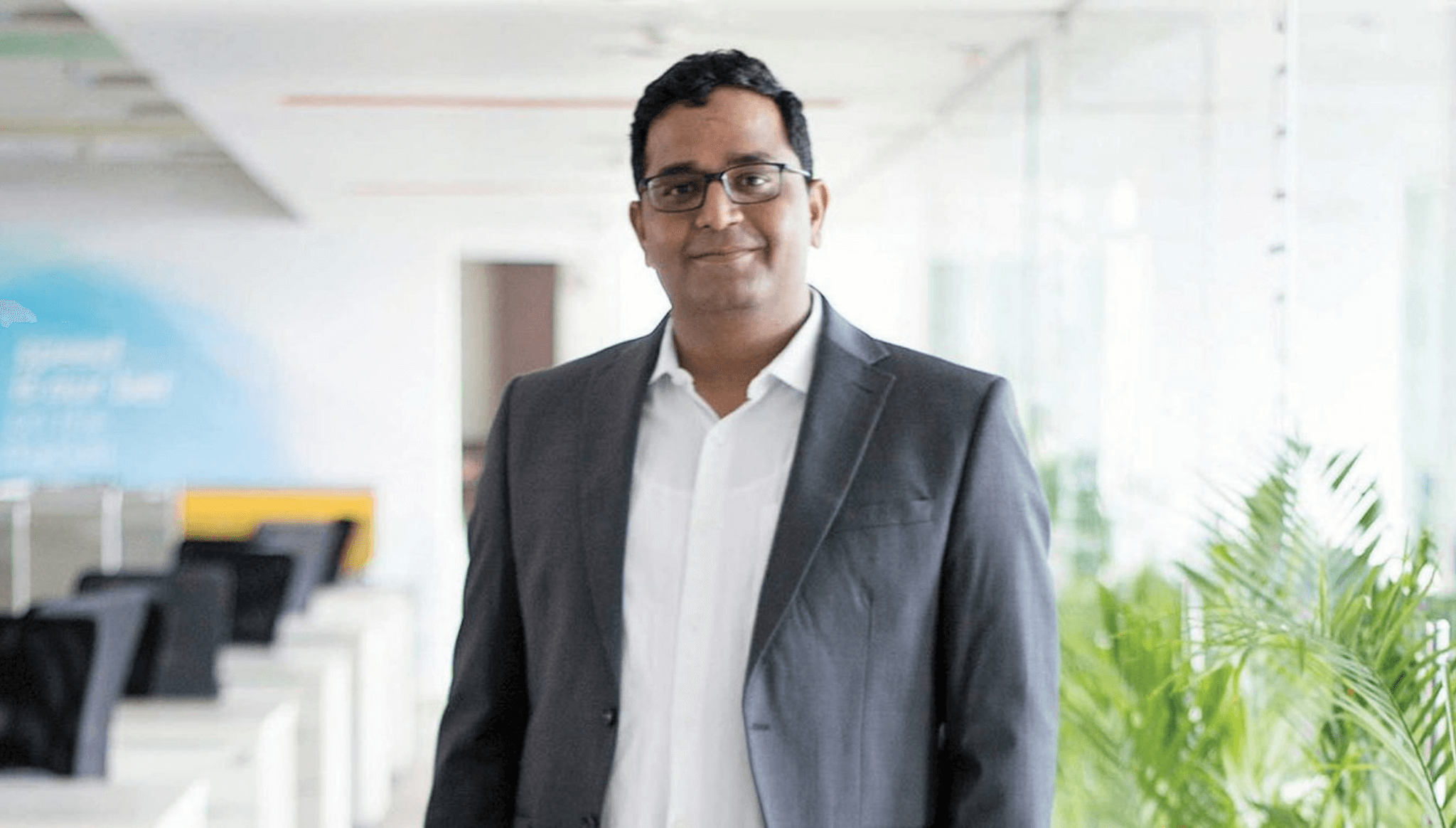
Paytm, a name that almost every second Indian knows.
But behind that blue wallet icon is the story of a small-town boy from Aligarh who once struggled to read English textbooks and dreamt of building something big.
At just 19, Vijay Shekhar built and sold his first venture, indiasite.net, for $1 million, a glimpse of the entrepreneur he was becoming. In 2010, he launched Paytm as a simple recharge app.
Then came 2016: demonetization. While the country scrambled for cash, Paytm became the face of digital money in India. Overnight, it turned into a movement.
In 2021, Vijay took Paytm public, raising $2.5 billion in one of India’s biggest IPOs. Even with challenges like RBI rules for Paytm Payments Bank, Vijay continues to lead the company with a focus on AI, security, and financial inclusion.
His story is proof that dreams from the smallest towns can create revolutions at global scale.
Sorav Jain
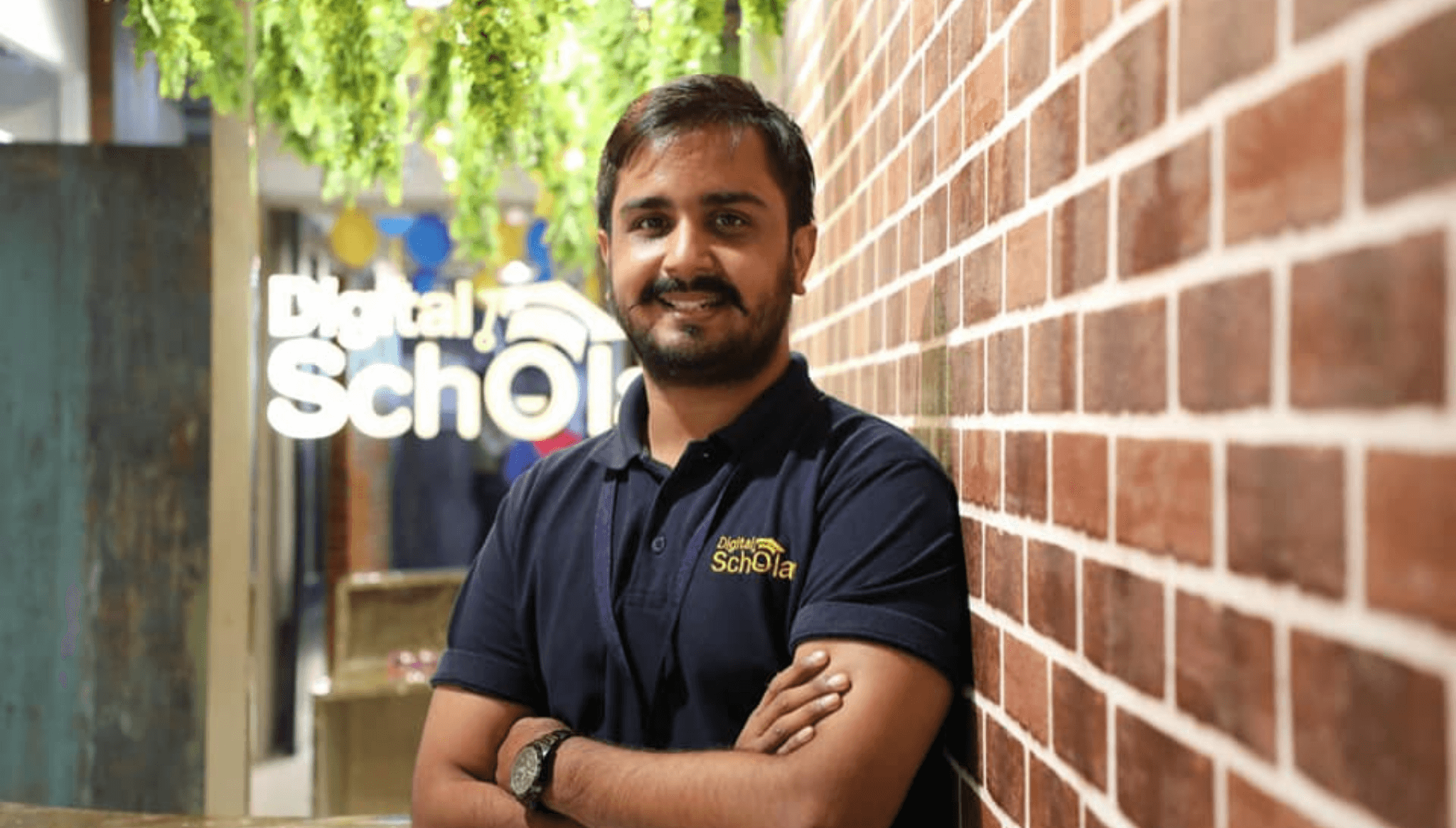
Not many people can say they started their career at 17 and went on to shape an entire industry but Sorav Jain can.
From his early days as an SEO intern to founding echoVME, one of India’s top digital marketing agencies, Sorav has been at the forefront of India’s digital wave. In 2019, he built Digital Scholar, a unique institute that’s already trained 300,000+ students in modern digital marketing.
Sorav is also a teacher, author, and digital marketing consultant. He runs bootcamps, gives corporate training, and writes about social media for business. Lately, he’s helping people use AI in digital marketing for content, automation, and analytics.
Sorav’s journey shows how practical learning, innovation, and passion can empower the next generation of digital marketers.
Mukul Chhabra
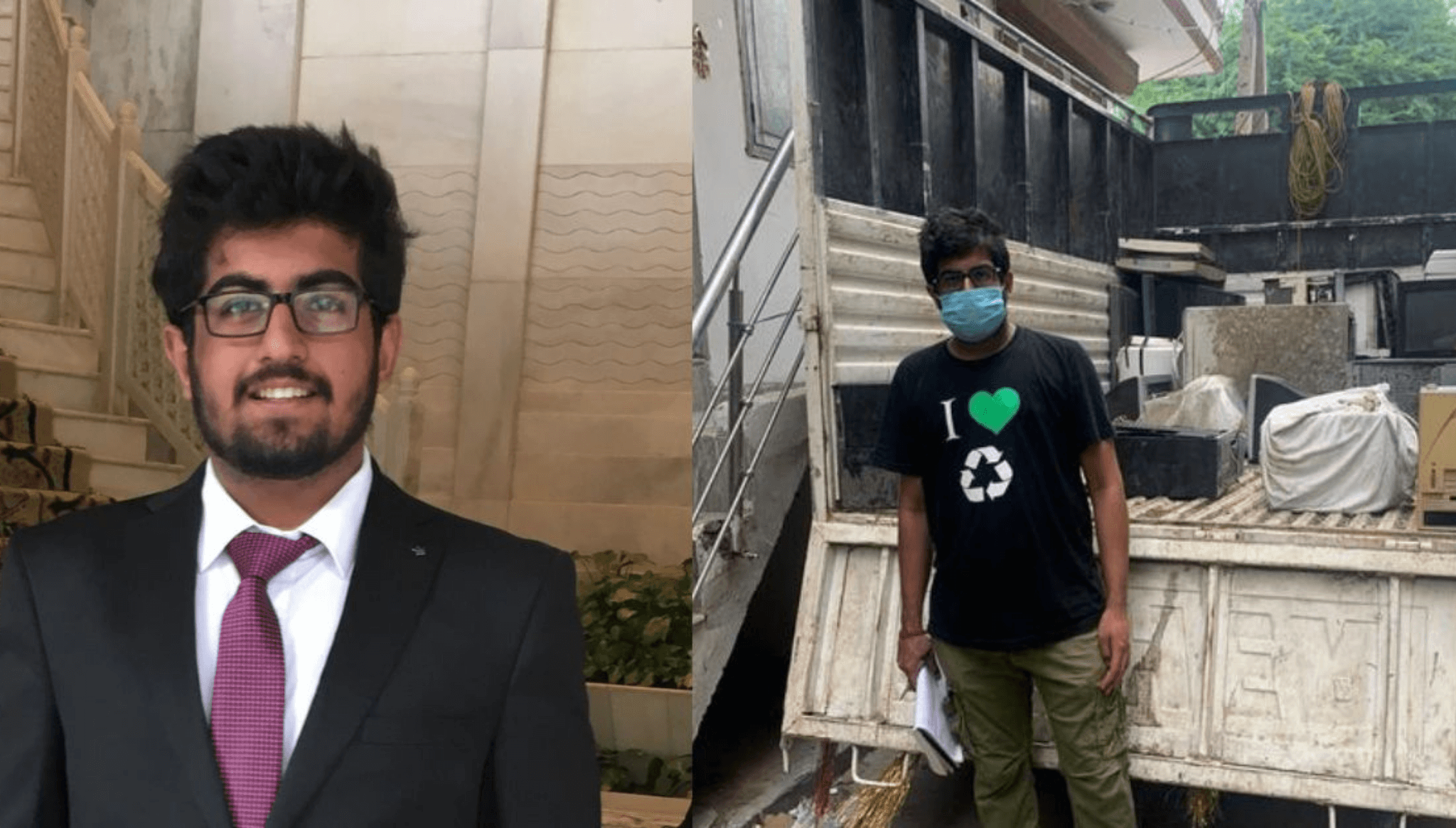
Sometimes the biggest companies don’t start with a grand plan. They start small.
For Mukul Chhabra, it was a single pamphlet. Fresh out of IIIT Delhi, he wanted to test one question: would people use a service that let them sell scrap at home, all without worrying about unfair prices or being cheated?
The response was instant. That one pamphlet turned into ScrapUncle.
Mukul grew up watching his uncle work as a scrap dealer, so he knew how broken and unorganized the system was. In 2019, he decided to fix it with technology. ScrapUncle made recycling simple for families with doorstep collection, accurate weighing, and verified collectors. For workers in the informal sector, it added dignity and stability.
The turning point came with Shark Tank India, Season 2. Mukul walked in, pitched with confidence, and walked out with a ₹60 lakh deal after a full-on bidding war. From there, ScrapUncle picked up a Columbia University grant, got featured in Forbes 30 Under 30 Asia (2026), and started scaling across India.
Today, using ScrapUncle feels as easy as booking a cab. But the bigger story is this: Mukul proved that when you take a local problem, add simple tech, and build trust at scale, you don’t just create a company, you create impact.
Shradha Sharma
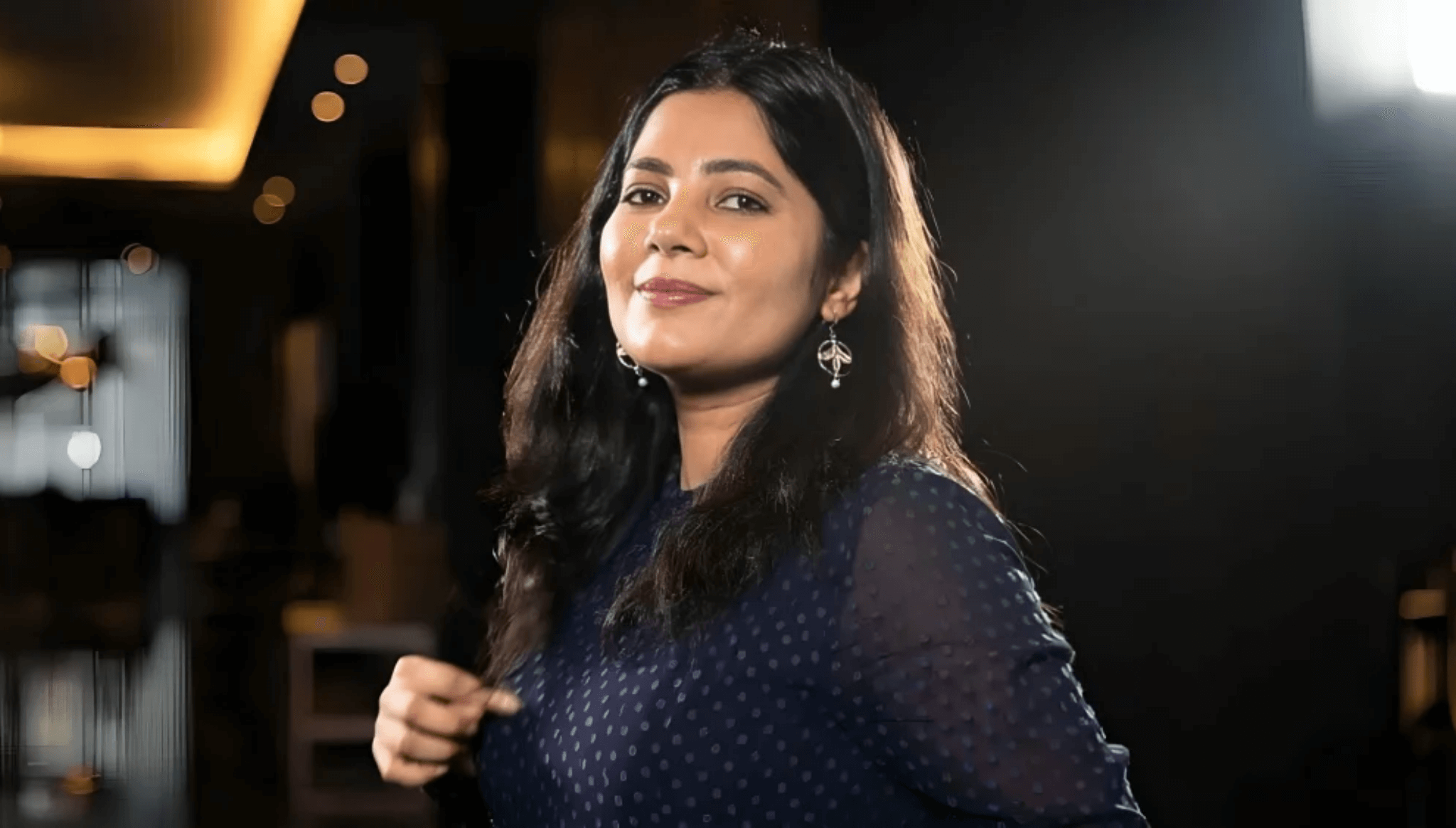
If you’re an entrepreneur you have probably heard of YourStory, a platform where India’s startup stories come alive.
Back in 2008, while working at CNBC TV18 and The Times of India, Shradha noticed something strange. So many founders were building amazing things, but hardly anyone was talking about them. Their stories were invisible. She decided to fix that.
She started from her apartment. No big team, all bootstraped with just a mission to give entrepreneurs a voice. What began as a small idea has now grown into a media brand that’s published over 150,000 stories and reaches millions of readers in different languages.
Her journey proves you don’t always need VC money. Sometimes, all you need is a clear purpose and the grit to keep going.
Named in Fortune’s Most Powerful Women in Business, Shradha shows how storytelling can inspire entrepreneurs, attract investors, and shape an entire ecosystem.
Arjun Deshpande
We’ve all been in a situation where we feel that drug prices are just too high.
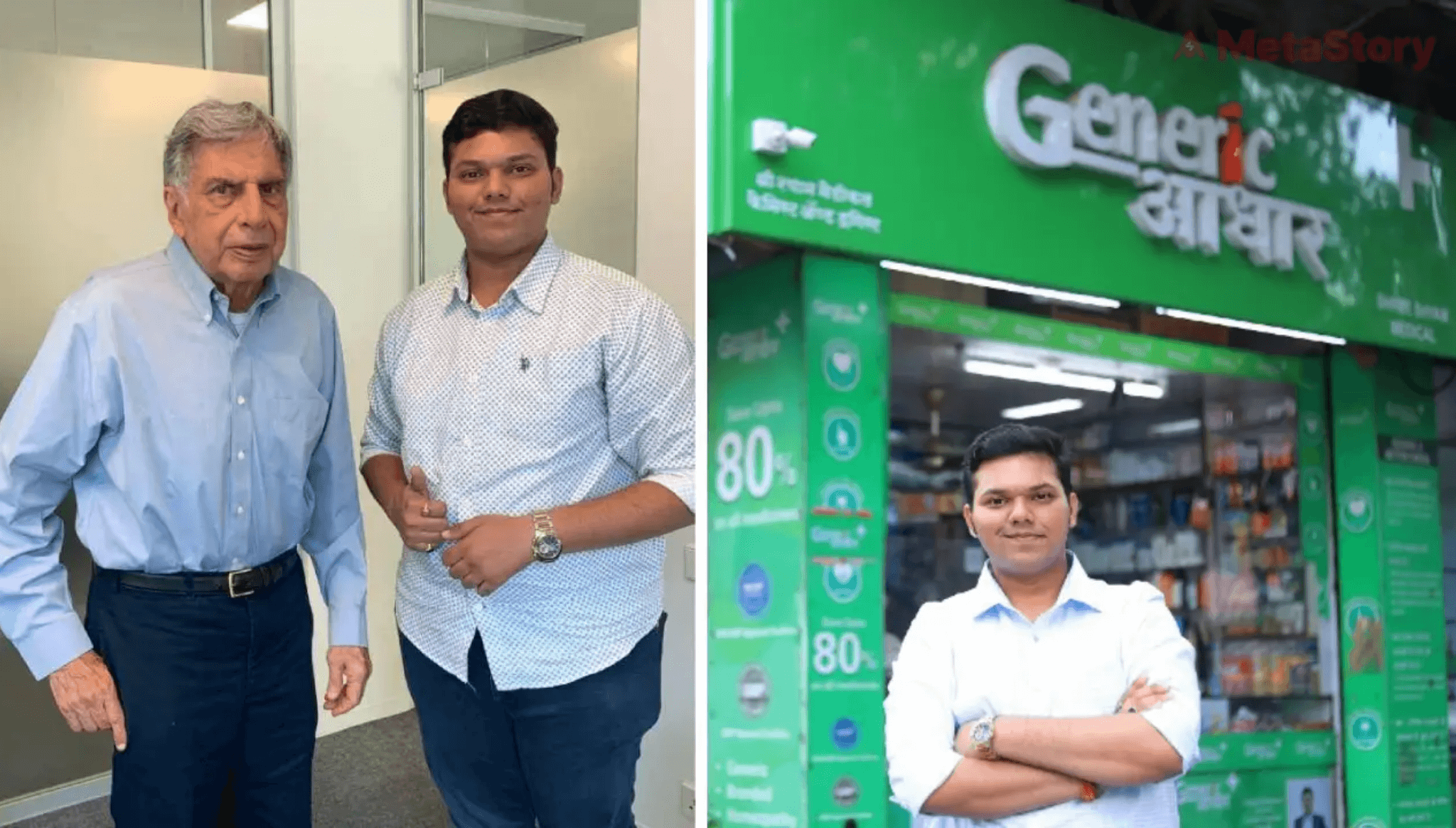
For some families, affording basic medicines means sacrificing something else at home. Arjun Deshpande saw this reality up close as a teenager and instead of ignoring it, he decided to fix it.
At just 16, Arjun founded Generic Aadhaar, a company that cuts out middlemen and delivers medicines at prices up to 80% lower, without compromising on quality. His business model is to connect manufactures directly with a network of local pharmacy franchises to make affordable healthcare not just an idea, but a reality.
In 2020, his bold vision caught the eye of Ratan Tata, who came on board as mentor and investor. That moment gave Generic Aadhaar not just credibility, but a powerful push to scale.
Today, Generic Aadhaar is expanding across cities and villages, with initiatives like free home delivery for senior citizens. Arjun’s story proves that you don’t need decades of experience to disrupt an industry, just courage, empathy, and a clear vision is enough.
Vivek Raghavan
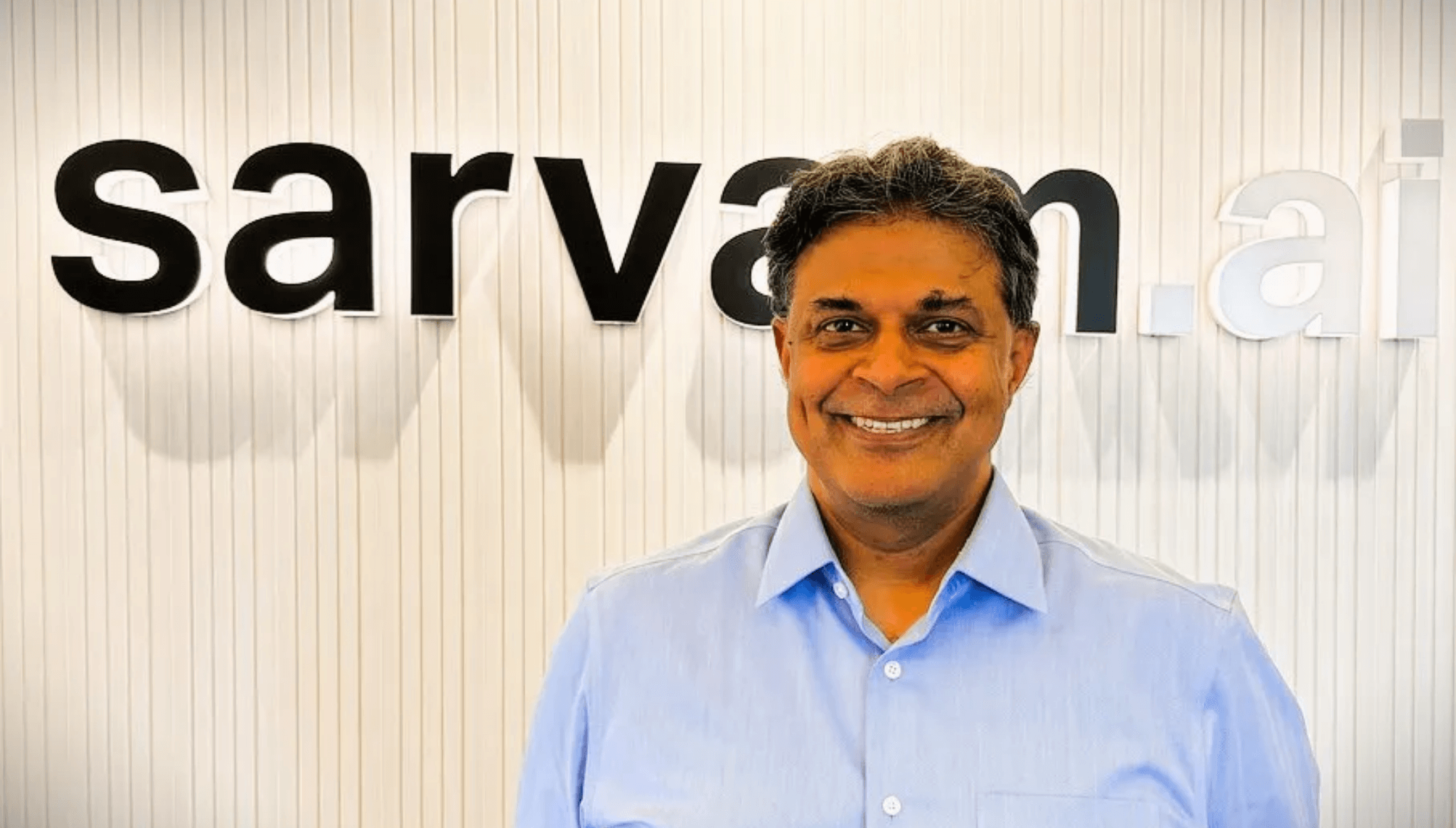
Vivek Raghavan is shaping India’s digital and AI journey. An IIT Delhi graduate with a Ph.D. from Carnegie Mellon, he played a key role in building Aadhaar at UIDAI and worked on national platforms like UPI, GST Network, and Digital India Bhashini.
In 2023, he joined hands with Pratyush Kumar to launch Sarvam AI, a startup creating sovereign, open-source generative AI models such as OpenHathi and Sarvam 2B, built with a special focus on Indian languages.
Vivek believes AI should feel familiar, not foreign. With that vision, he is pushing the boundaries of technology while making sure it speaks to India’s linguistic and cultural diversity.
Abhishek Upperwal

Abhishek Upperwal is the Founder and CEO of Soket AI Labs and one of India’s rising voices in artificial intelligence. A graduate in Computational and Data Sciences from IISc Bengaluru, he started out freelancing as a web developer, went on to contribute to India’s Smart Cities mission, and then launched his own AI research lab.
At Soket AI, he is building multilingual and ethical AI. His team created Pragna-1B, a billion-parameter foundational model for Indian languages, and is leading Project EKΛ, designed to strengthen India’s AI sovereignty.
Abhishek’s vision is bold: a modular AI platform that can scale globally while keeping India’s diverse voices at the heart of innovation. With his active presence at national tech forums and his focus on inclusive AI, he is steering Soket AI toward becoming a global force in the AI revolution.
Ganesh Gopalan
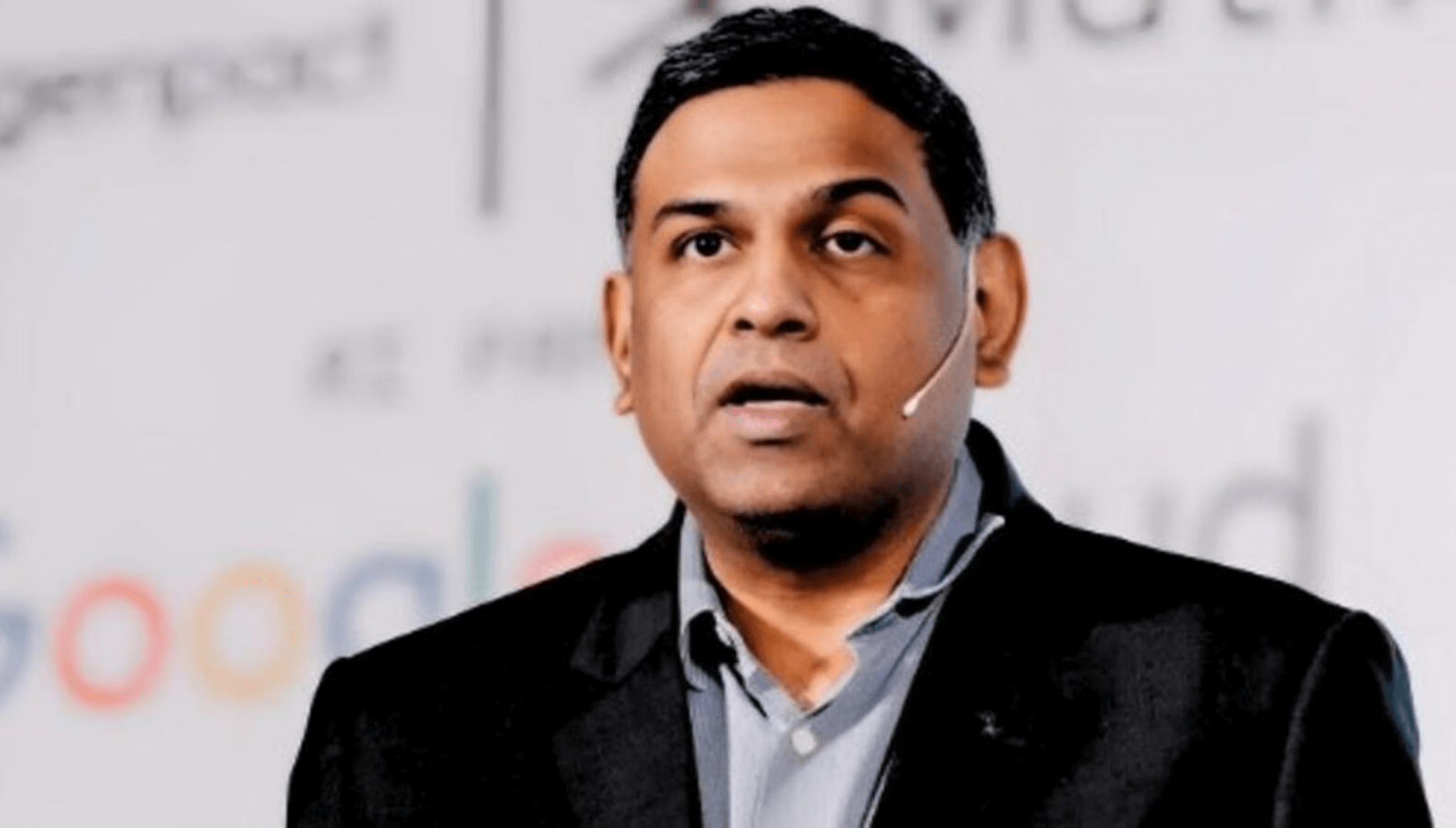
When it comes to voice-first AI in India, Ganesh Gopalan stands out. He’s the Co-founder and CEO of Gnani.ai, making conversations between humans and machines feel natural.
With 25+ years at IBM and Texas Instruments, Ganesh brings deep tech expertise and business sense. In 2016, he co-founded Gnani.ai to build speech AI that works for India’s diverse languages and accents, something global players weren’t solving.
Today, Gnani.ai powers proprietary Speech Language Models and Speech-to-Speech LLMs, solving real-world problems in banking, enterprise support, and more.
Ganesh champions Agentic AI, where machines act end-to-end, not just assist. He’s proving that India’s deep tech can compete globally while making businesses smarter and customers happier.
Suvrat Bhooshan

Suvrat Bhooshan is changing how brands talk to their customers. As Founder & CEO of Gan.ai, he’s building a generative AI platform that creates hyper-personalized videos at scale, for marketing, training, or customer engagement.
A Stanford and Georgia Tech graduate with research experience at Facebook AI Research (FAIR), Suvrat returned to India in 2021 and tackled one of content’s toughest problems: personalization that actually feels personal. Within months, Sequoia invested, fueling Gan.ai’s rapid growth.
Today, Gan.ai powers AI avatars, multilingual dubbing, and dynamic video personalization for global giants like Samsung, Zomato, and Vivo, helping brands engage audiences like never before.
Named in Forbes 30 Under 30 Asia (2022), Suvrat is shaping AI, branding, and the future of human connection.
Trishneet Arora

What would you do if you failed in eighth grade?
Most people would think it’s the end of the road. For Trishneet Arora, it was just the beginning of a story that would make him one of India’s youngest tech billionaires.
Born in Ludhiana in 1993, Trishneet was obsessed with computers. He’d take apart gadgets just to understand how they worked. School, however, wasn’t his strong suit, but instead of giving up, he taught himself coding, networking, and ethical hacking by reading books and shadowing technicians.
At just 19, he launched TAC Security in 2013. From a small startup, it has grown into a global cybersecurity powerhouse, protecting Fortune 500 companies, governments, and law enforcement agencies. Its AI-driven platform, ESOF, is now used to fight some of the most advanced cyber threats in the world.
His hard work and courage brought him many honors. Trishneet made it to Forbes 30 Under 30 Asia (2018), Fortune India’s 40 Under 40 (2019), and in 2024, he entered the Hurun India Rich List as one of the youngest billionaires. He’s even discussed cybersecurity with leaders like US Vice President Kamala Harris.
Sachin Bansal

How many times have you bought something from Flipkart?
Chances are, it’s more than once. But imagine the journey behind this giant of Indian e-commerce, it all began in 2007, in a small Bengaluru apartment.
Sachin Bansal and his friend Binny Bansal started Flipkart as an online bookstore. To spread the word, Sachin even handed out bookmarks outside shops. From this humble beginning, Flipkart grew to become India’s largest online shopping platform, changing the way millions of people shopped forever.
In 2018, Walmart acquired Flipkart, but for Sachin, it was “unfinished business.” He went on to launch Navi Technologies, offering loans, insurance, and investment options, and by 2026, he became Executive Chairman to focus on his bigger vision.
Sachin also invests in startups like Ola and Ather Energy, nurturing the next generation of Indian entrepreneurs.
Kiran Mazumdar Shaw

Ever faced rejection that felt like the end of the road? Kiran Mazumdar-Shaw did and turned it into a global empire. After studying brewing in Australia, no Indian company would hire her, claiming brewing was “a man’s job.”
Instead of giving up, she saw opportunity. In 1978, at just 25, Kiran started Biocon in her garage with ₹10,000. From making industrial enzymes, the company grew into a global leader producing medicines for diabetes, cancer, and autoimmune diseases.
Kiran believes in “compassionate capitalism”, running a business while making medicines affordable. She also gives back through her foundation and has earned awards like Padma Shri, and Padma Bhushan. In 2026, she was featured in Forbes 50 Over 50 Global List and The Medicine Maker’s Power List.
Nithin and Nikhil Kamath
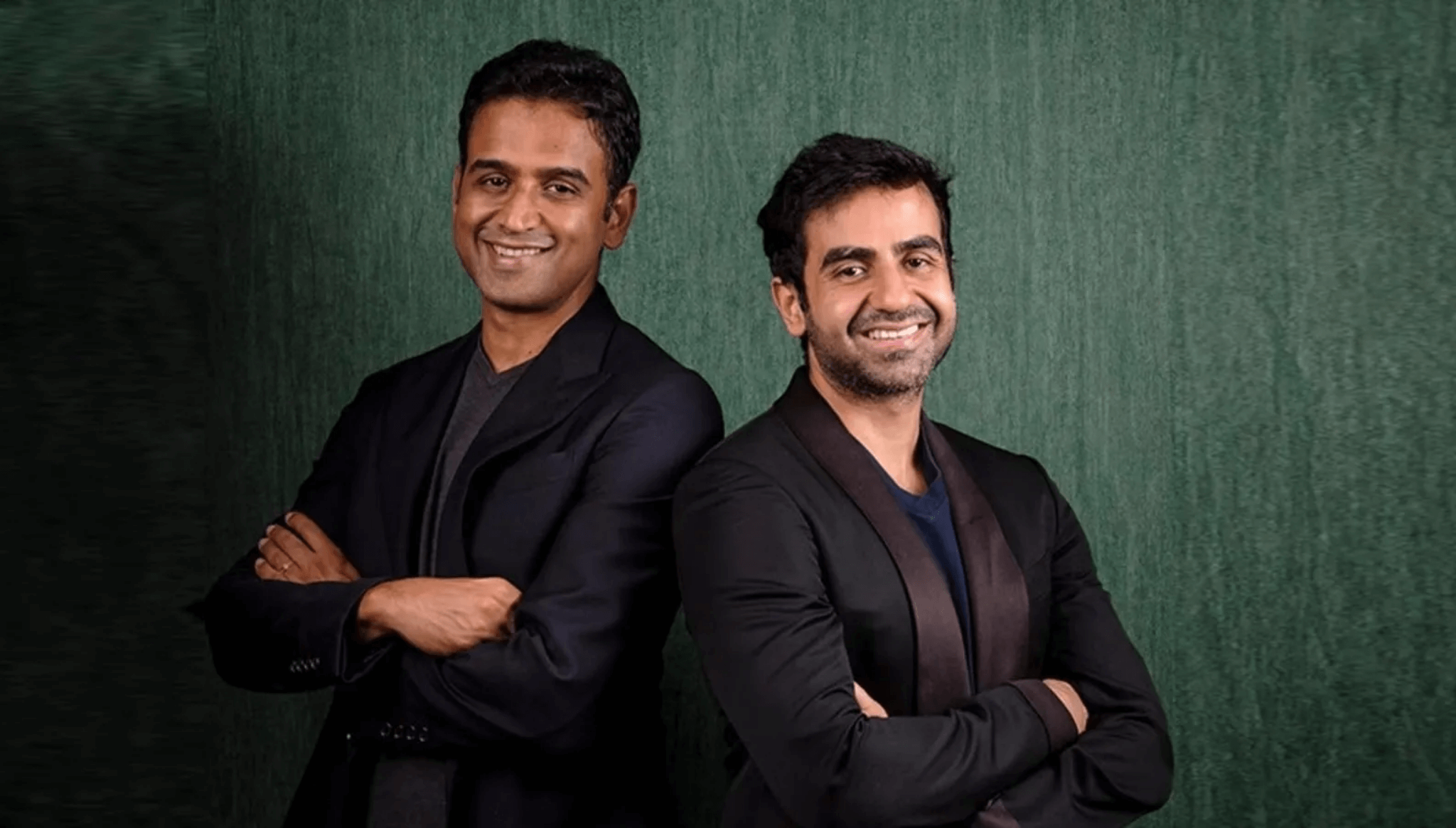
Nithin Kamath is the man who made investing simple.
His love for trading began at 17. Before Zerodha, he worked as a trader, sub-broker, and even in a call center. In 2010, he and his brother Nikhil started Zerodha.
They skipped big ads and kept investing simple and affordable. Their flat-fee model lets anyone trade without high charges. Slowly, trust grew and today over 1.5 crore Indians use Zerodha, handling nearly 15% of daily trades in the country.
Nithin also built Varsity, a free learning app, and Rainmatter, supporting startups in fintech, AI, and sustainability. With tools like Kite, Coin, and Console, Zerodha set industry standards.
His story shows that with vision, resilience, and honesty one can change the way millions invest in India.
Deep Kalra

Deep Kalra is the founder and Chairman of MakeMyTrip, the man who reshaped India’s online travel. After studying Economics at St. Stephen’s and earning an MBA from IIM Ahmedabad, he worked at ABN AMRO and GE Capital before trying his hand at entrepreneurship with a chain of bowling alleys.
The spark came when he sold his wife’s car online and saw the internet’s potential. In 2000, he launched MakeMyTrip. Despite the dot-com crash, his focus on India’s domestic travel market helped the company thrive and eventually list on NASDAQ in 2010.
Today, as Executive Chairman, Deep mentors startups and drives social initiatives, proving vision, grit, and customer-first thinking can transform industries.
Upasana Taku

Upasana Taku is the co-founder and Chairperson of MobiKwik, a platform millions of Indians use for recharges, payments, loans, and savings.
She studied at NIT Jalandhar and Stanford, and worked with companies like HSBC and PayPal. But her heart was in India. In 2009, she and her husband Bipin Preet Singh started MobiKwik with a simple goal: make digital payments easy and reliable for everyday Indians.
From a small recharge app, MobiKwik grew into a trusted fintech company offering payments, credit, insurance, and more. Upasana has been honored by the President of India, featured in Forbes Asia’s Power Businesswomen list, and counted among India’s richest self-made women.
Her journey proves that courage, smart thinking, and a mission to help people can transform how a country handles money.
Anil Agarwal
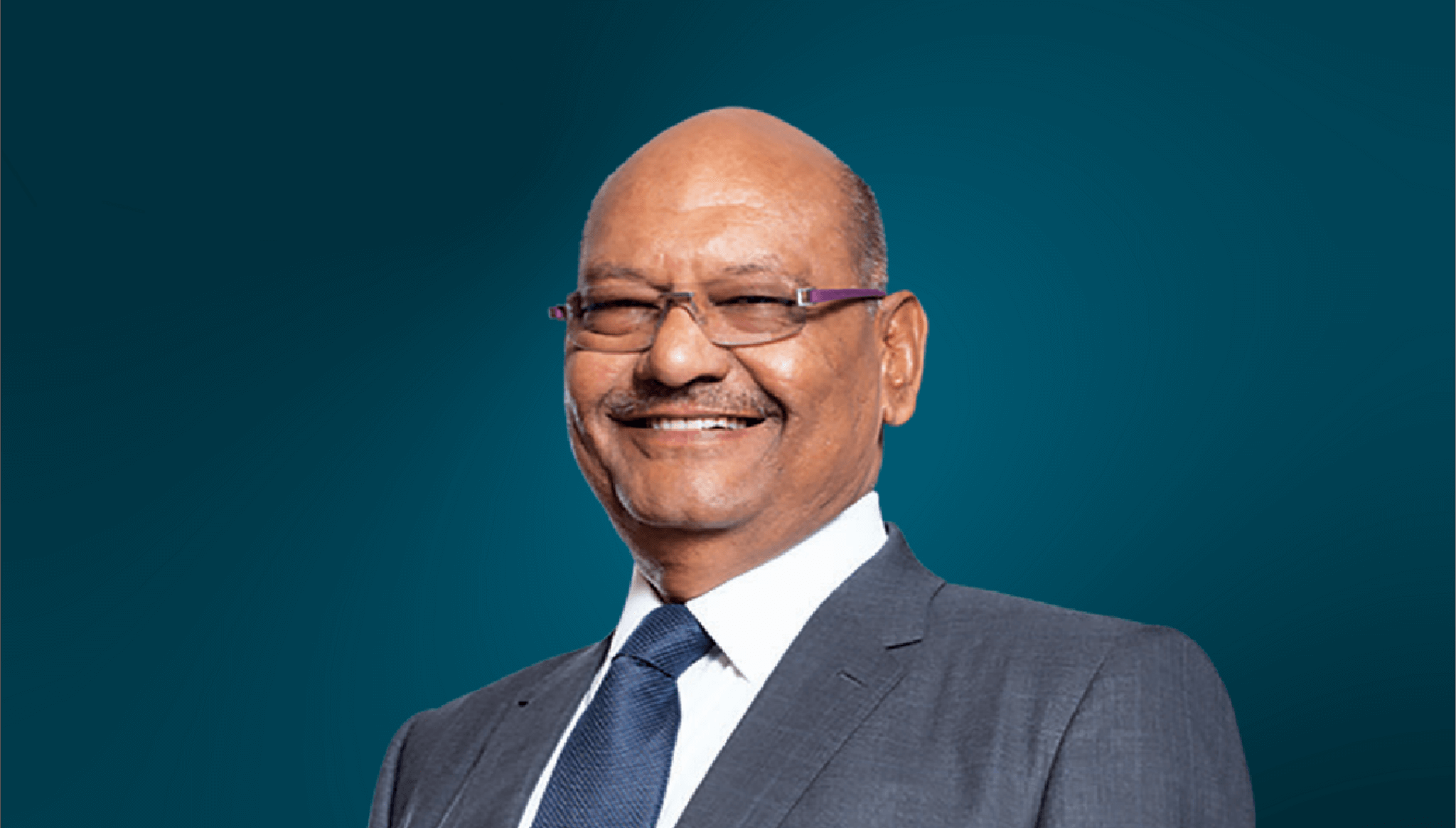
Anil Agarwal is India’s “Metal King.”
He is the man behind Vedanta Resources, one of the world’s largest natural resources companies. But his journey began humbly in Patna. Growing up in a simple family, he helped his father in a small aluminum business and left school early to work. At 19, he moved to Mumbai and started trading scrap metal.
In 1976, he founded Vedanta. Through bold moves like acquiring BALCO and Hindustan Zinc, he built it into a global giant, even listing on the London Stock Exchange in 2003. Today, Vedanta works in metals, mining, oil, and gas, using technology at massive scale.
Anil also gives back through the Anil Agarwal Foundation and Project Nand Ghar, improving schools, healthcare, and nutrition across India. His story proves that courage, dreams, and hard work can create global success.
Balkrishna
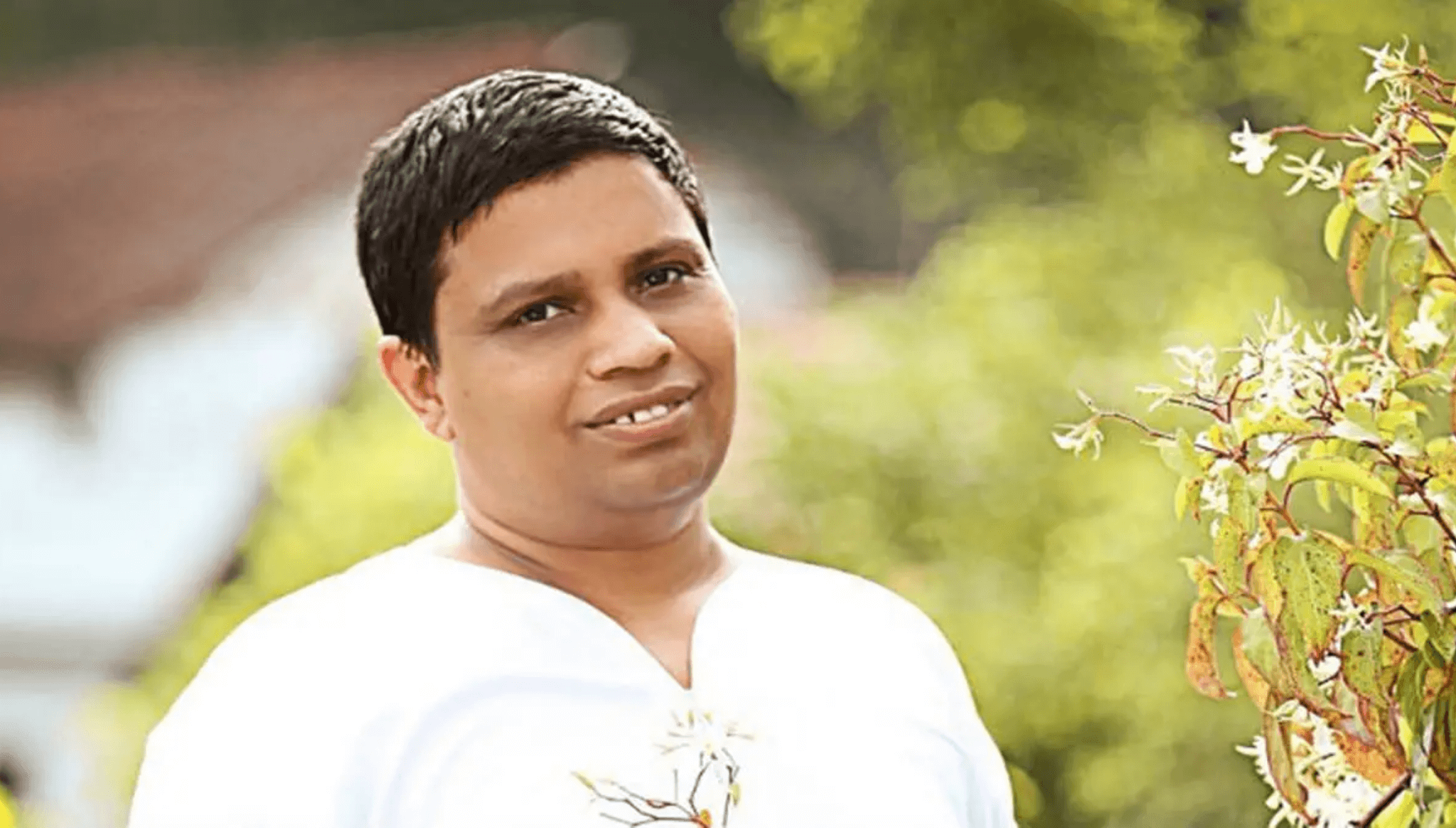
Patanjali, a name that comes to every Indian’s mind when thinking of swadeshi FMCG. Behind this famous household brand is Balkrishna.
Born in Haridwar to Nepali parents, he met Baba Ramdev at a gurukul in Haryana, and together they started Divya Pharmacy in 1995. By 2006, they launched Patanjali Ayurved, and Balkrishna has been the backbone ever since, holding an impressive 94% stake.
While Ramdev became the public face, Balkrishna focused on the essentials, Ayurveda expertise, product development, herb sourcing, and quality control. His strategic vision turned Patanjali into one of India’s FMCG giants.
Featured in Forbes and Hurun Rich Lists, Balkrishna also invests in education, rural development, and trusts like Patanjali Yogpeeth, proving that leadership and deep knowledge can build an empire that touches millions of lives.
Kallam Anji Reddy
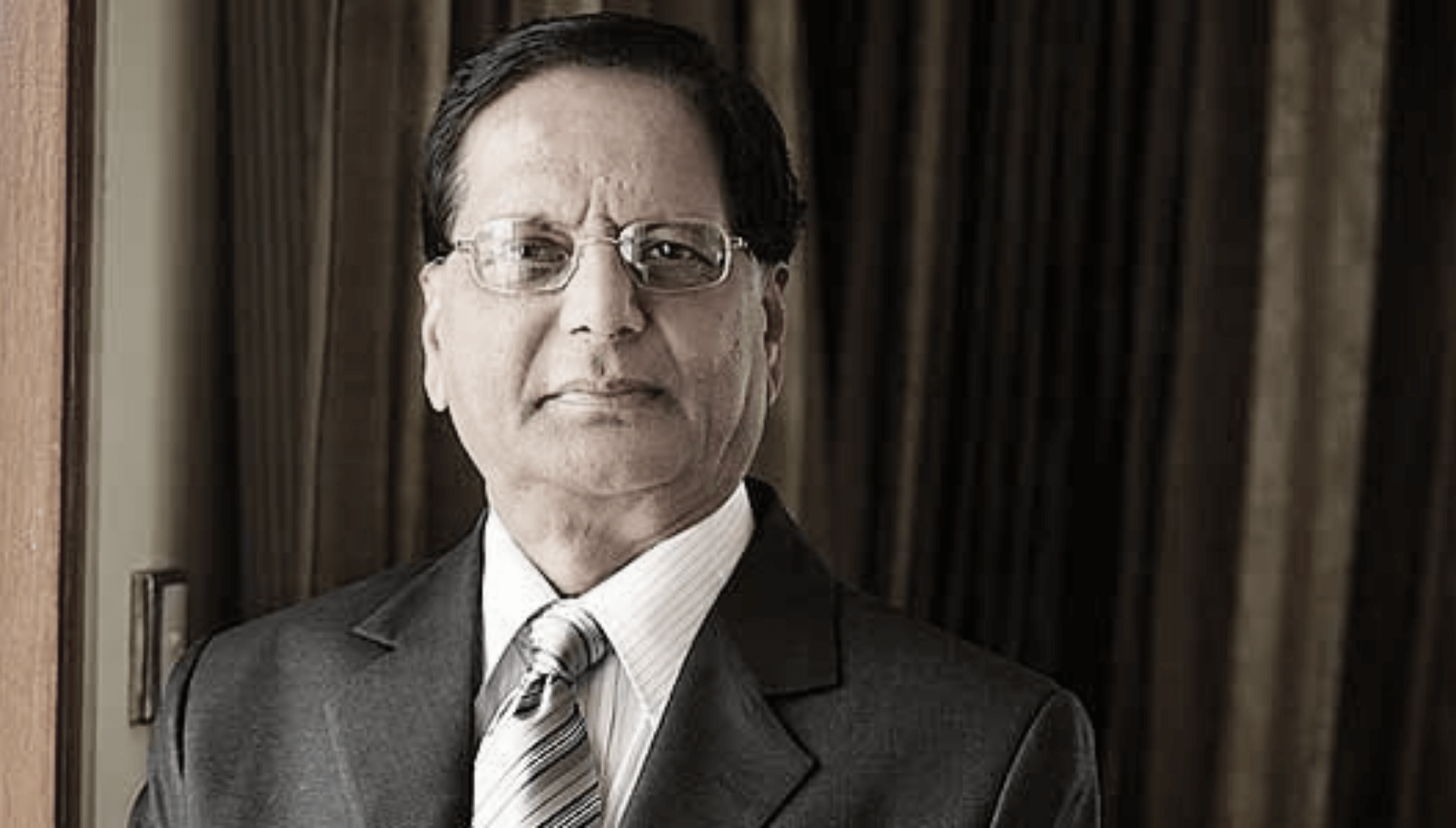
Dr. Kallam Anji Reddy, founder of Dr. Reddy’s Laboratories, changed the way the world looked at Indian pharma. Born in 1939, he earned a PhD in chemical engineering and began his career at IDPL.
But his dream was bigger, to make quality medicines affordable for all. In 1984, he started Dr. Reddy’s with that mission, and soon the company became one of the first Indian pharma firms to break into tough markets like the US and Europe.
He didn’t just stop at business. In 1996, he set up the Dr. Reddy’s Foundation to support education, healthcare, and livelihoods. Until his passing in 2013, Dr. Reddy lived by one vision and that is healing lives. Today, his company carries that legacy forward, touching millions worldwide.
Kunal Shah
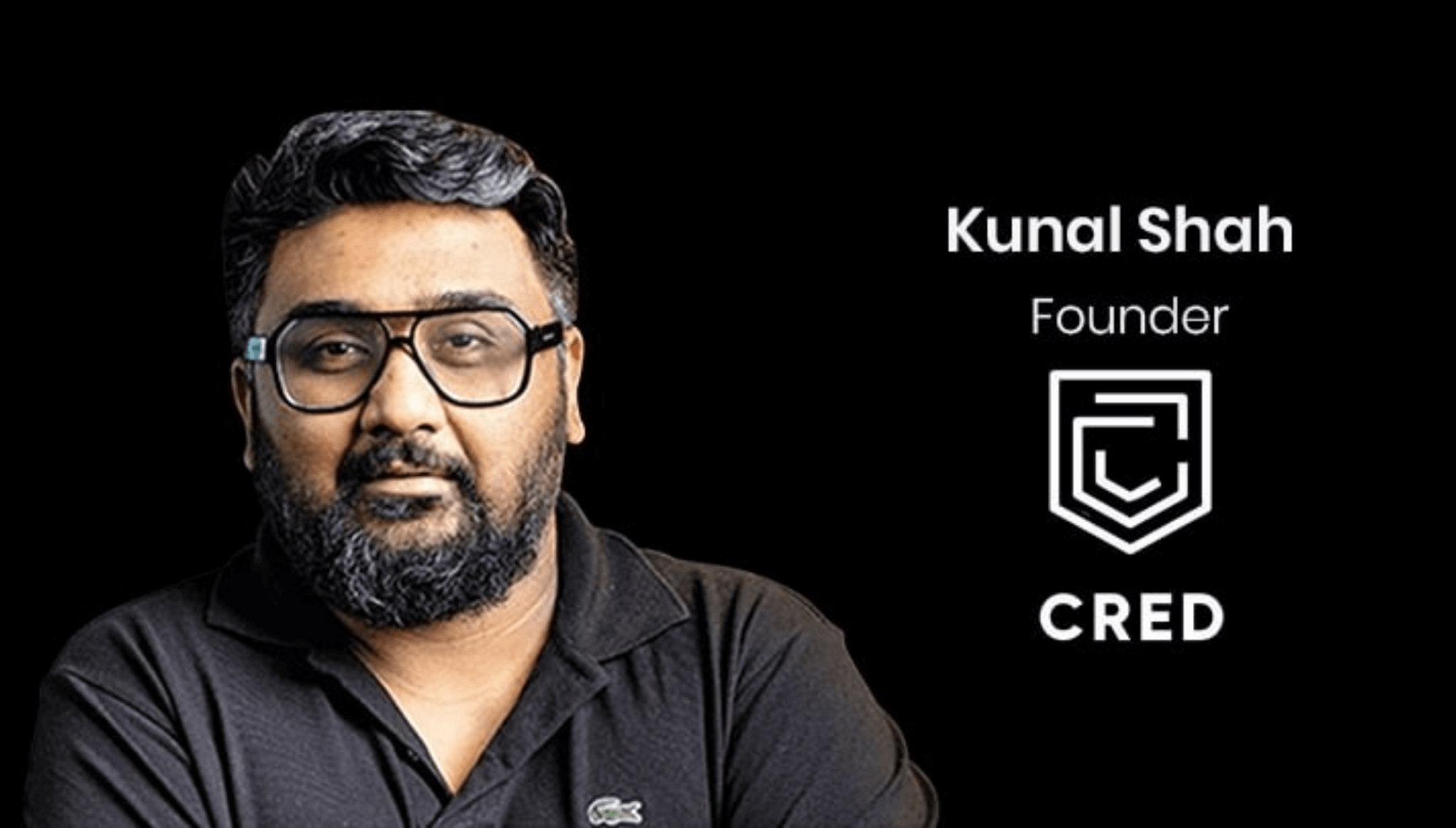
If you ever pay a credit card bill, chances are you’ve heard about CRED. Behind this members-only platform is Kunal Shah, one of India’s boldest fintech thinkers.
A philosophy graduate who began as a junior coder, Kunal co-founded FreeCharge in 2010, turning mobile recharges into a nationwide craze. When Snapdeal acquired it for $400M, it marked a defining win for Indian startups.
But Kunal didn’t stop there. In 2018, he launched CRED, rewarding people for paying credit card bills. Today, CRED is valued at over $6B and has expanded into loans, rent payments, and more. Beyond building businesses, Kunal also backs dozens of young founders as an angel investor.
Known for his sharp insights and ability to simplify complex ideas, Kunal has earned the title of “startup philosopher”, changing the way India thinks about money and technology.
Albinder Dhindsa
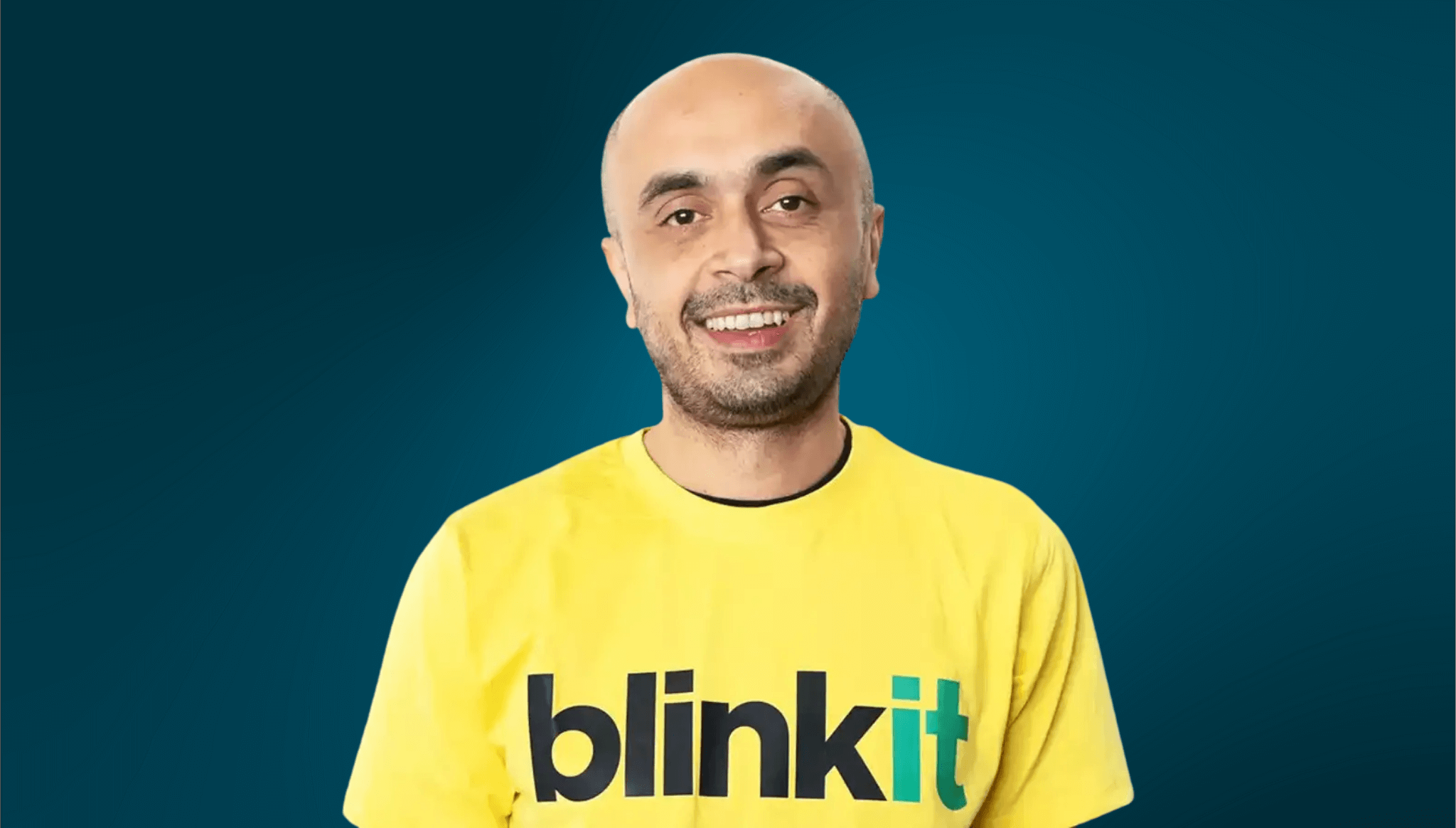
Albinder Dhindsa, Founder & CEO of Blinkit, is the man who literally changed the way India shops for groceries. He studied at IIT Delhi, got an MBA from Columbia, worked in the US for a while, then came back and joined Zomato as Head of Logistics.
In 2013, he co-founded Grofers, starting as a B2B delivery service that later grew into an online grocery app. A turning point came when competition was insane, he pivoted the whole thing to 10-minute deliveries and rebranded it as Blinkit.
Everyone thought he was crazy but the decision paid off. Zomato even bought it for $570M in 2022.
What I love about his story is how he spotted a trend, went all in, and nailed it. If you’re into entrepreneurship, this is the kind of bold thinking that inspires you to take risks and execute fast.
Radhika Ghai Agarwal

Radhika Ghai Agarwal is the first Indian woman to build a unicorn, yeah, a billion-dollar startup. Back in 2011, she co-founded ShopClues, an online marketplace that brought India’s bazaar culture online straight to your phone. By 2016, it was worth a billion dollars.
But she didn’t stop there. After ShopClues got acquired by Qoo10, she went on to start Kindlife, a wellness and clean beauty brand focused on sustainability. With experience at Goldman Sachs, Nordstrom, and her own venture FashionClues, she knew how to scale big ideas.
Her story is straight-up inspiring and she’s proof that women can break barriers, grow businesses fast, and leave a real mark. For anyone thinking of starting up, Radhika shows it’s all about patience, vision, and not being afraid to dream big.
Khushboo Jain

You know how expensive medical treatments can get, right? Well, Khushboo Jain decided to do something about it.
She didn’t start in healthcare, her early career was in fashion marketing, working with luxury brands like Jimmy Choo in Singapore. But in 2014, she and her husband Piyush Jain launched ImpactGuru, a crowdfunding platform to help people raise money for life-saving treatments.
Her mix of business skills and creative edge helped the platform grow into a trusted place where people raise funds for life-saving treatments. Today, ImpactGuru has changed how India looks at crowdfunding for healthcare.
Khushboo has earned recognition from the United Nations, NITI Aayog, and Fortune’s 40 Under 40. Her journey shows how passion and bold pivots can turn ideas into impact.
Suchi Mukherjee

Suchi Mukherjee is the founder of LimeRoad, India’s first social shopping platform for women. With degrees from Cambridge and LSE, she worked at Lehman Brothers, Virgin Media, and eBay before launching LimeRoad in 2012 with Ankush Mehra and Prashant Malik.
The idea sparked when she saw a beautiful Mumbai artisan product in a London magazine and realized there was no way to buy it. LimeRoad made shopping fun with features like the “scrapbook,” letting users create and share looks.
In 2022, LimeRoad merged with V-Mart Retail, and Suchi continues to lead. She champions women entrepreneurs, helping small-town sellers reach bigger audiences. Her story is about vision, innovation, and building community-driven e-commerce.
Mukesh Bansal
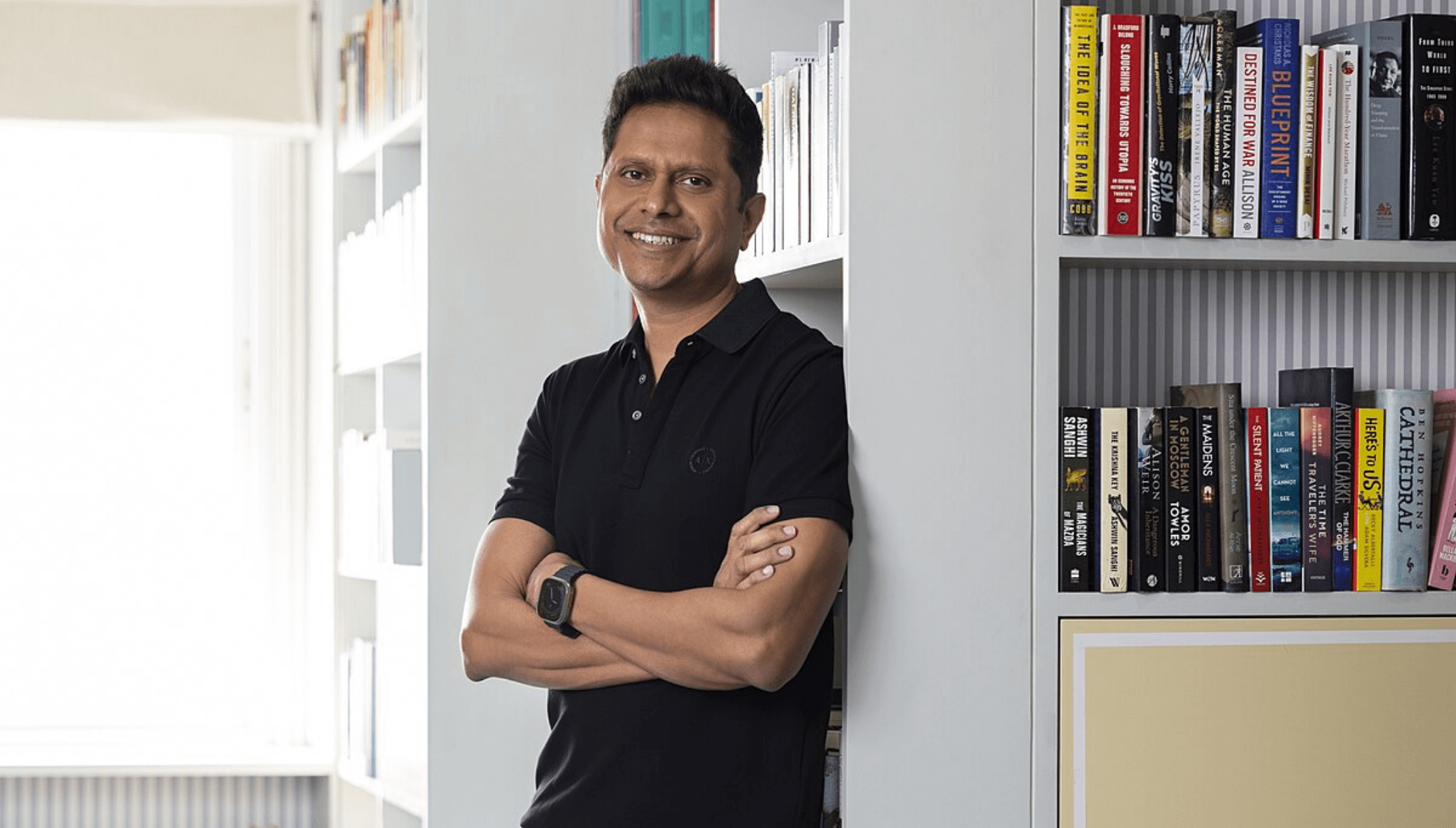
Mukesh Bansal is the co-founder and Chairman of Cult.fit, India’s leading health and fitness platform. He first made waves with Myntra in 2007, turning it into a top fashion e-commerce company before Flipkart acquired it.
In 2016, he co-founded Cure.fit with Ankit Nagori, creating Cult.fit, Eat.fit, and Mind.fit to offer fitness, nutrition, and mental wellness. In 2023, he became Executive Chairman, focusing on strategy while the CEO runs day-to-day operations.
Mukesh also invests in startups and launches initiatives like Meraki Labs and Nurix AI. Through his podcast SparX and book No Limits, he shares lessons on innovation and entrepreneurship, inspiring India’s wellness and tech ecosystem.
Shiv Nadar
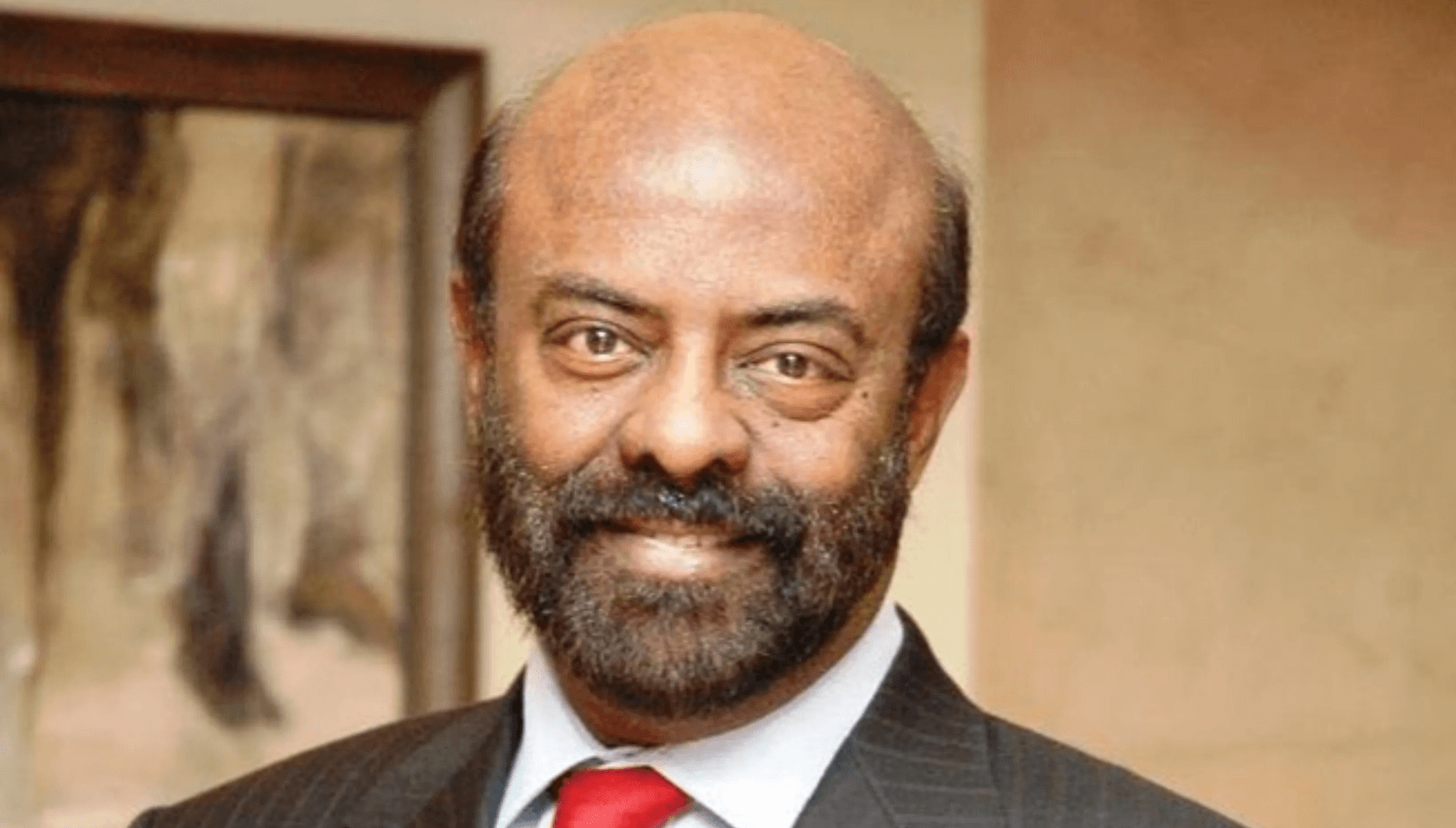
If you’ve ever heard the story of India’s IT revolution, you can’t miss Shiv Nadar’s name. Back in 1976, in a small garage in Delhi, he and his team built India’s first microcomputer. From that tiny setup, he laid the foundation of what we know today as HCL Technologies.
By the 1990s, Shiv saw where the world was heading. He boldly shifted HCL’s focus from making computers to providing software services, and that’s how HCL grew into a global IT leader.
What I like about him is his belief in people. His famous “Employee First” philosophy wasn’t just a slogan, he trusted his teams, empowered them, and together they pushed boundaries.
But Shiv Nadar’s legacy is more than business. Through the Shiv Nadar Foundation, he built institutions like SSN College and Shiv Nadar University, shaping thousands of young lives through education.
And in 2020, he passed on the baton to his daughter, Roshni Nadar Malhotra, who became the first Indian woman to lead a publicly traded IT company.
Naresh Goyal

Naresh Goyal, a person who literally changed how India flew. Born in 1949 in Punjab, he didn’t come from money or aviation background. He began his career at a travel agency.
But in 1991, when Indian skies opened up, he saw the opportunity. By 1993, Jet Airways was flying.
And it wasn’t just another airline, it became the face of modern flying in India. Think about it, he made air travel something the middle class could actually aspire to, not just a luxury for the rich. At its peak, Jet was flying international, buying Air Sahara, and competing with the best.
In 2019, things went south financially and he had to step down. The airline later paused operations due to financial issues. Despite challenges, his journey shows how vision, risk-taking, and persistence can transform an entire industry.
As entrepreneurs, we sometimes think only tech startups change the game. But Goyal proved that even in something as capital-heavy as aviation, a sharp eye for timing and customer experience can build a giant. That’s the kind of boldness we need to remember.
Aditi Gupta

This Indian entrepreneur has something crazy. She literally turned one of India’s biggest taboos into a startup idea.
Aditi grew up in Jharkhand, where talking about periods was like a hush-hush thing. Instead of ignoring it, she took it head-on. While doing her thesis at NID, she created comics that explained menstruation in a simple, fun way. That’s how Menstrupedia was born in 2012, along with her husband.
Now, imagine this, something that started as comics is being used in thousands of schools across India and even abroad. It’s in multiple languages, tied up with NGOs, even big brands like Whisper. Basically, she built an educational movement disguised as a product.
And the recognition? Forbes 30 Under 30, BBC 100 Most Influential Women… but more than that, she’s proof that you don’t always need a tech-heavy idea to make an impact. Sometimes, solving a raw social problem with creativity can create both scale and change.
That’s why I love her story, it’s bold, it’s simple, and it shows that even topics people avoid can become powerful businesses if you have courage.
Basudha Shrivastav
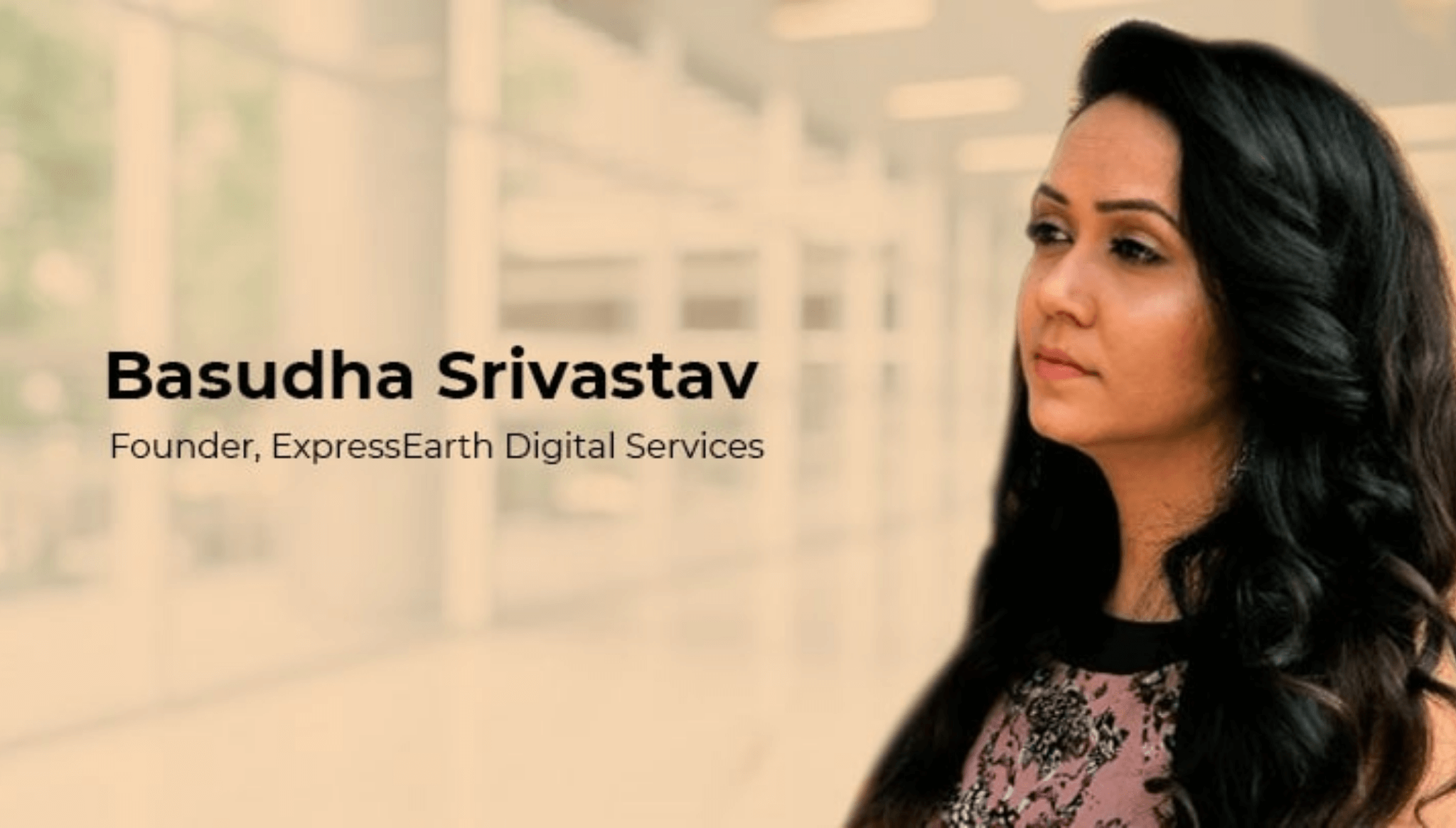
Basudha Shrivastav is one of those founders who saw a gap in something as common as corporate travel and just built a solution around it.
Back in 2015, along with her husband Himanshu, she started ExpressEarth, an online travel and expense management platform that helps companies to handle flights, hotels, and trips without the usual chaos. And when she saw the need to go even deeper, she launched EmpFly Services in 2021, a SaaS tool just for travel and expense management.
What I like about her journey is that she came from IT and telecom, not the usual travel background, and still managed to disrupt space. Plus, as a woman entrepreneur in a pretty male-dominated industry, she’s consistently broken expectations. She’s been recognized by NASSCOM 10k Startups and often speaks to motivate other women founders.
The big takeaway from her story: You don’t always need to chase flashy industries. Even in something as routine as travel, if you add tech + efficiency, you can build serious value. That’s exactly what Basudha did.
Naveen Tewari
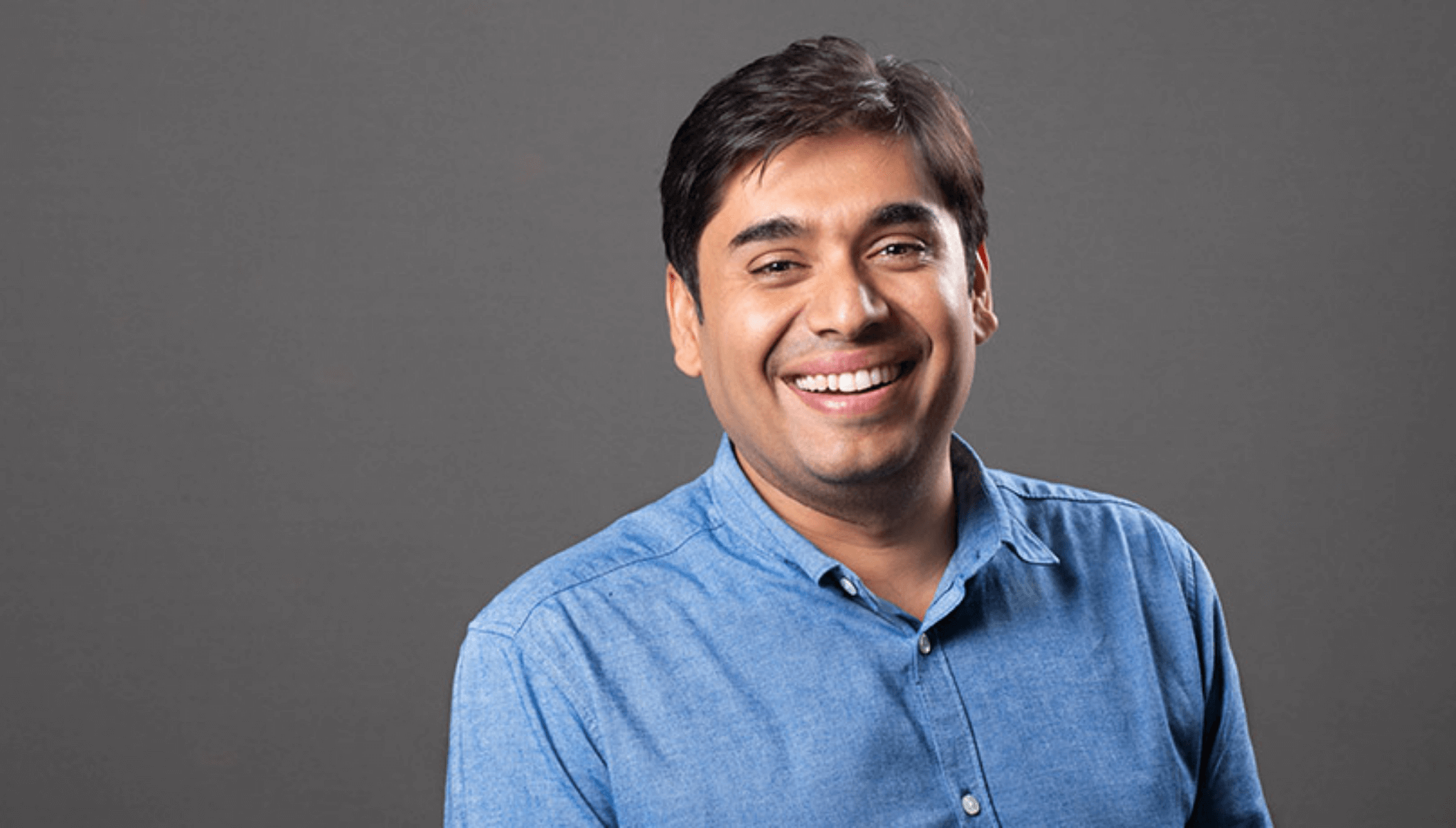
Naveen Tewari is the guy who built InMobi. His story is one of those classic startup pivots I always talk about.
Back in 2007, he started with something called mKhoj, basically a mobile search engine. It didn’t click. Most people would’ve folded, but Naveen flipped the idea into mobile advertising, and that’s how InMobi was born in 2008.
Fast forward a few years, and boom, it became India’s first tech unicorn, even getting a $200M bet from SoftBank. Today, InMobi isn’t just India-big, it’s global, operating in over a dozen countries. And what stands out? Naveen’s obsession with innovation and freedom at work, he built a culture where employees could think and act like entrepreneurs.
Beyond InMobi, he co-founded iSPIRT, mentors founders, and even backs rural education through the India School Fund.
Sanjeev Bikhchandani
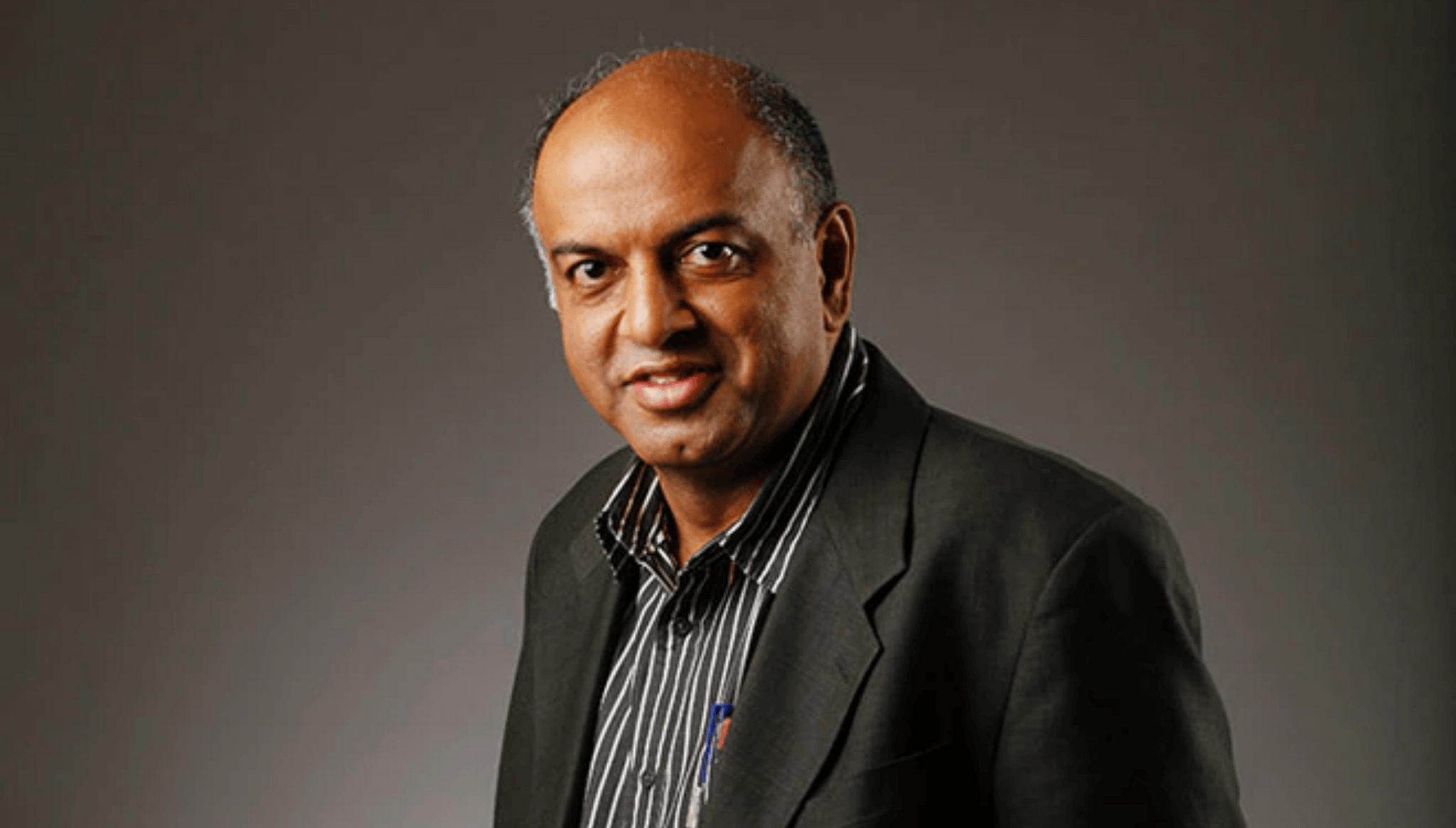
Sanjeev Bikhchandani is the man behind Naukri.com and a bunch of other big platforms like 99acres and Jeevansathi. Back in the 90s, he left a safe corporate job after IIM Ahmedabad and started Info Edge from a tiny office above a garage. For years, he lived on his wife’s salary while building it.
He launched Naukri.com in 1997 by just copying job ads from newspapers onto the web. Sounds simple, right? But that tiny idea changed the game and suddenly finding jobs online became easier than flipping through newspapers. By 2006, his company went public, one of the first Indian internet startups to do that.
And he didn’t stop there, he invested in Zomato, PolicyBazaar, and even co-founded Ashoka University. His story is basically about seeing opportunities when no one else does, taking risks, and sticking it out until it works.
Chitra Gurnani Daga
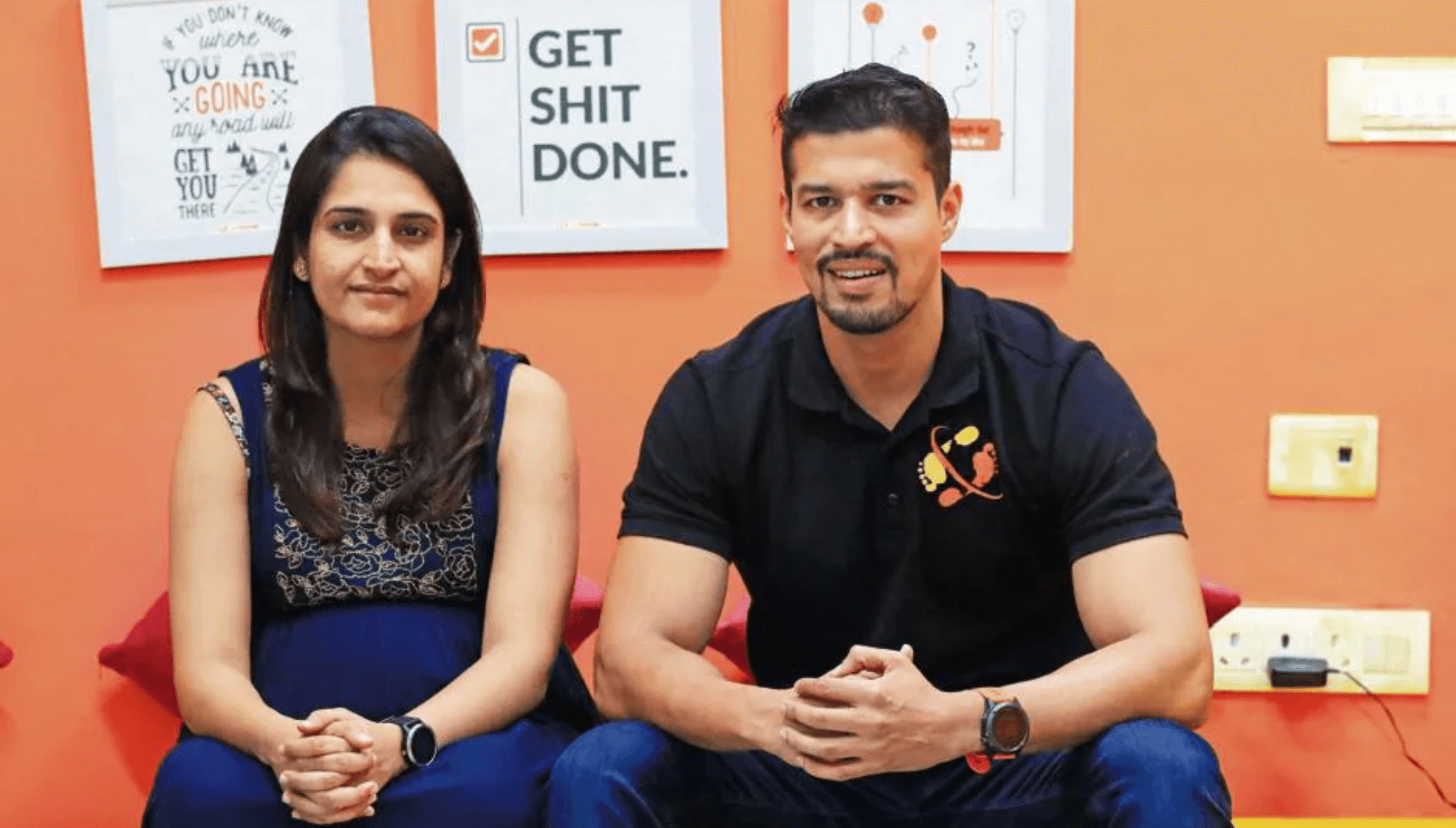
Chitra Gurnani Daga is the woman behind Thrillophilia, India’s massive adventure travel platform. So, she did her MBA at ISB Hyderabad, worked at SAP Labs and Infosys, but her heart was always into travel.
In 2009, she and her husband Abhishek Daga started Thrillophilia as just a blog while keeping their day jobs. Crazy, right? But it didn’t stay a blog for long, they turned it into a full marketplace for treks, safaris, camping, and cultural tours all over India and Asia. By 2016, they even shifted to Jaipur to be closer to tourism hubs and partners.
Now, Thrillophilia works with thousands of operators and uses tech to make bookings smooth and safe. Chitra’s story is basically proof that if you mix passion with persistence, a small idea can turn into a full-blown travel empire.
Ritu Kumar
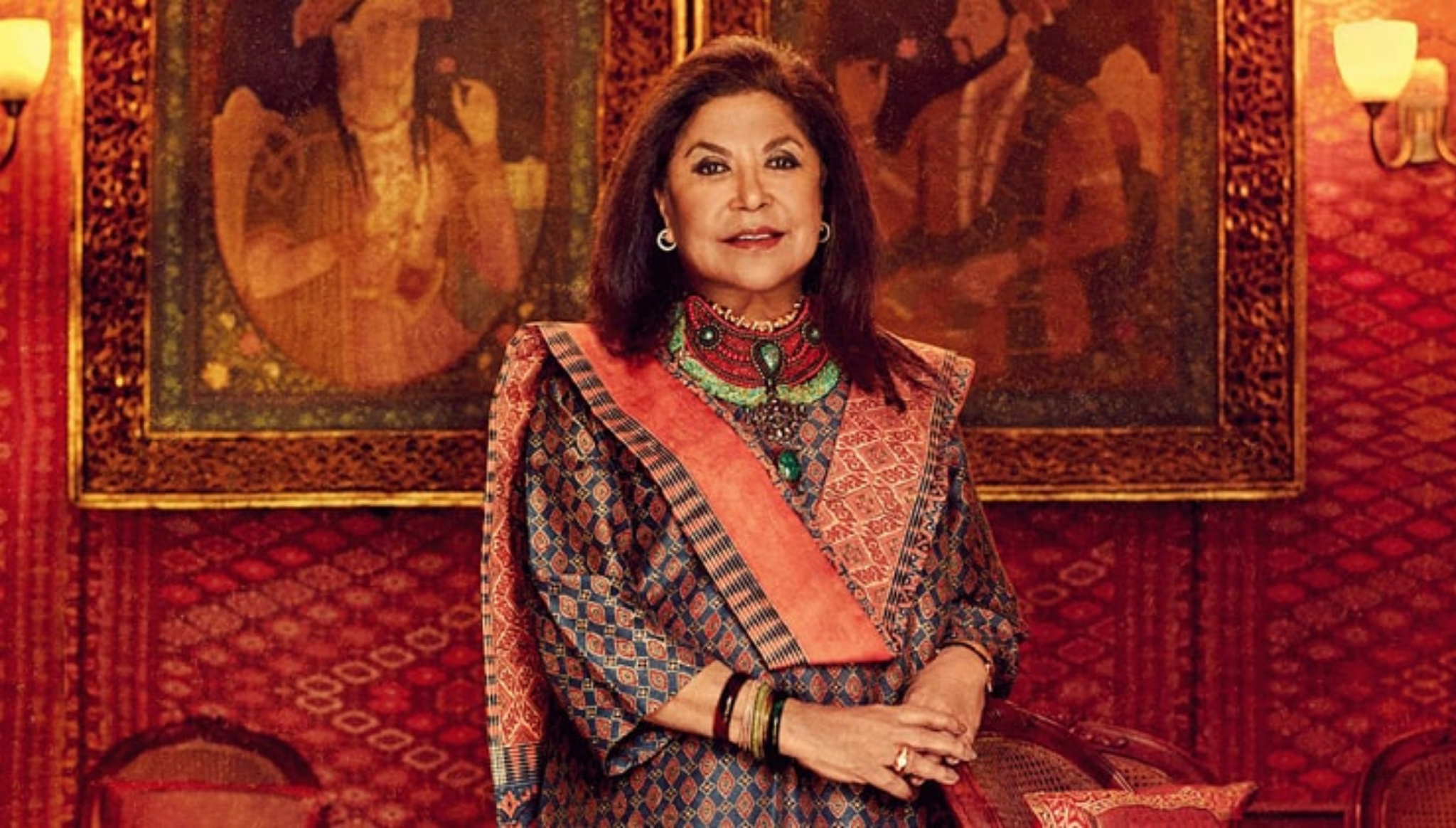
Ritu Kumar turned Indian fashion into a global thing. Started way back in 1969 with just two tables and some local block printers near Kolkata, and look at her now, one of India’s most iconic fashion labels.
Born in Amritsar in 1944, Ritu studied at Lady Irwin College in Delhi and later went to New York for art history. Her love for textiles made her revive ancient crafts like zardozi embroidery, and she blended them with modern styles.
In 2002, she launched LABEL Ritu Kumar with her son Amrish Kumar (now the CEO) to reach younger audiences worldwide. Celebs like Princess Diana, Priyanka Chopra, and Deepika Padukone have rocked her designs. Honored with the Padma Shri in 2013, her story shows how passion and creativity can turn heritage into a global brand.
Vandana Luthra

Vandana Luthra is the founder and chairperson of VLCC, one of India’s biggest beauty and wellness brands. She started the company in 1989 in Delhi with a single slimming and beauty center. Over time, she grew it into a full wellness empire offering skincare, haircare, personal care products, and services.
Vandana trained abroad in beauty and wellness and brought all that knowledge back to India. She expanded VLCC across India, the Middle East, and Southeast Asia. She even set up the VLCC Institute of Beauty and Nutrition, training thousands of pros in the industry.
She’s all about wellness and women empowerment, giving back through health, education, and skill development. Honored with Padma Shri in 2013, featured in Fortune’s 50 Most Powerful Women, her journey shows how one idea and some serious grit can transform an entire industry.
Sreelakshmi Suresh
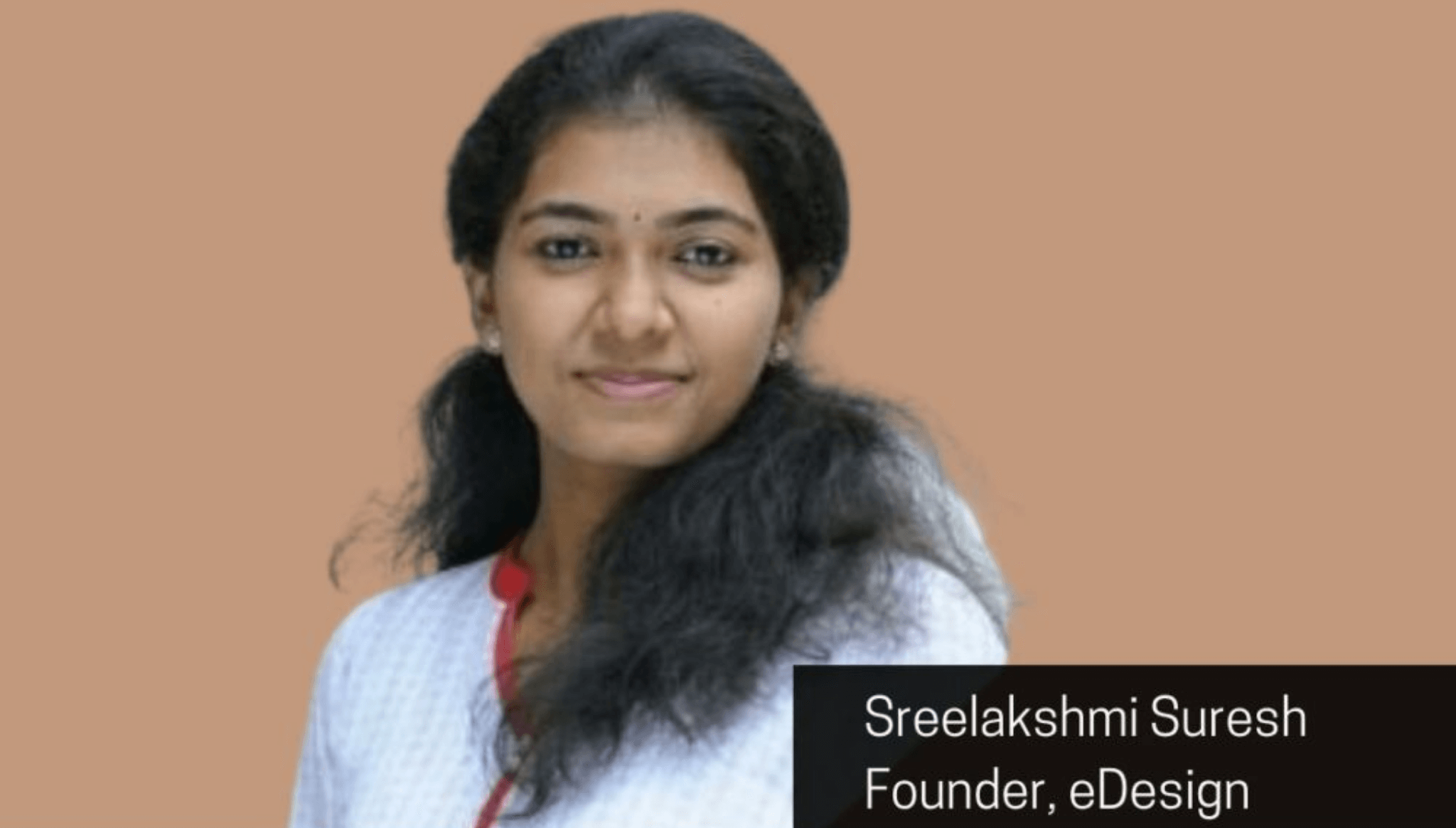
This entrepreneur story has something wild. There’s this girl, Sreelakshmi Suresh, from Kerala, who basically started running a business before most kids even hit double digits.
At 11 years old, she launched TinyLogo, a search engine for logos. And get this, she’s been messing with computers since she was 3. By age 4, she was designing websites, and by 8, she made her first official site for her school.
She didn’t stop there. She also founded eDesign, a full web design and SEO company, and has designed over 100 websites for schools, institutions, and businesses across India.
People noticed and she’s won the Golden Webb Award, Global Internet Directory Gold Award, and even the National Child Award for Exceptional Achievement from the government. Media all over the world call her one of the youngest CEOs and web designers ever.
Her story is insane, it shows how even young kids, especially girls, can start early, think big, and actually make a global impact. If I were you, I’d be taking notes for inspiration right now.
Akhilendra Sahu

Akhilendra Sahu’s journey is straight-up legendary. Born in 2001 in Madhya Pradesh, this guy started freelancing in the media at just 16. By 2016, he bought his first domain and launched Technical Next, a hosting company, the seed that eventually grew into ASTNT Technologies in 2019.
Now, ASTNT isn’t just one thing. It’s a full-blown IT empire handling website development, app development, digital marketing, SEO, hosting, and even more. And that’s just the beginning, he’s also behind QuickPR (an AI-driven PR platform), Quick LLC, StartUp199, and even a food delivery service, FoodChilli.
He’s not just limited to business either. Akhilendra wrote “Launch, Learn, Lead”, giving aspiring entrepreneurs a peek into his playbook. He’s been recognized as one of the youngest serial entrepreneurs in the world, bagging awards like the India Young Achievers Award, and he’s a digital influencer, helping Bollywood and Hollywood celebs grow their online presence.
If you’re looking for inspiration to level up your entrepreneurial game, this guy’s story is gold.
Harshil Mathur
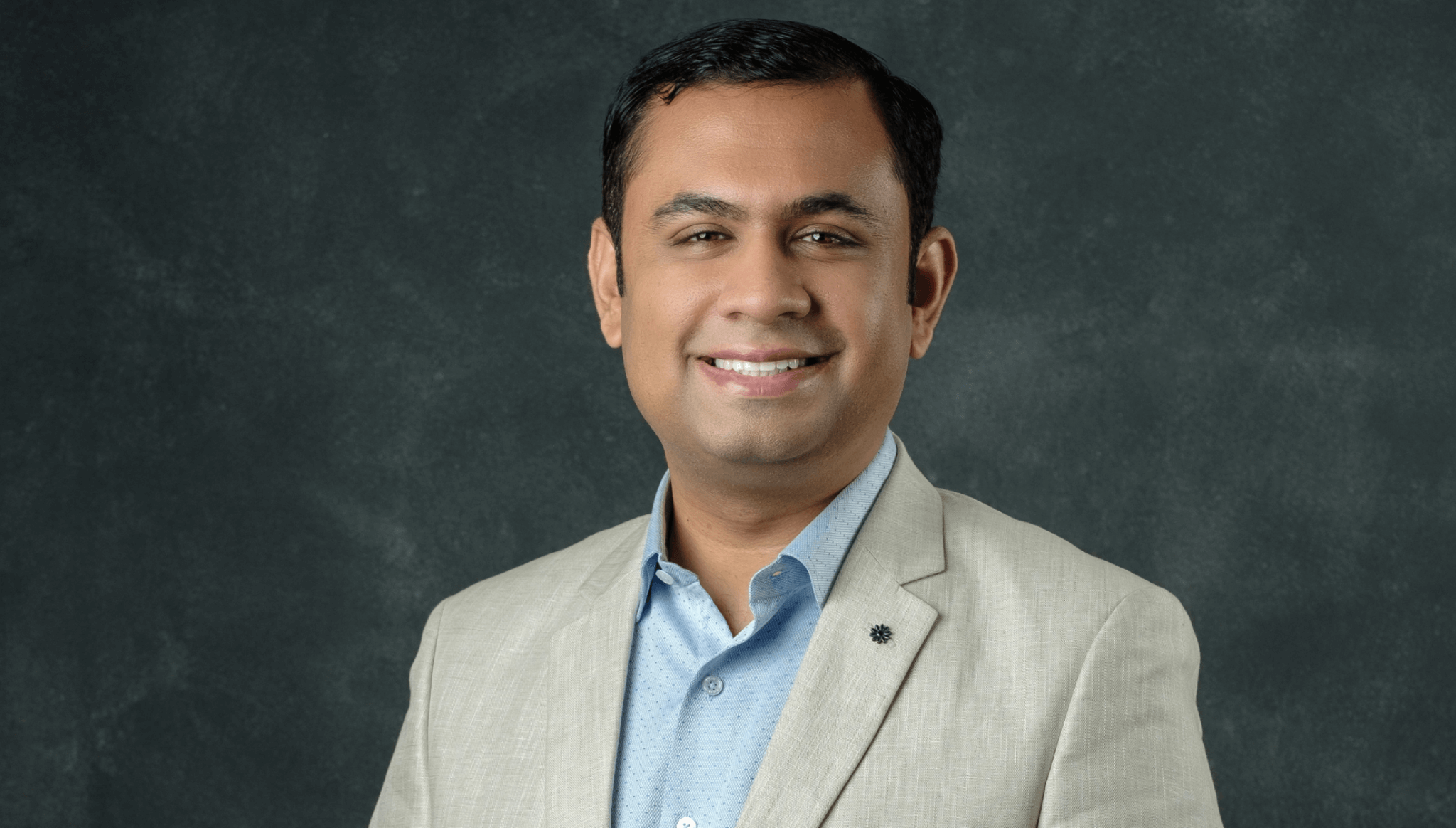
Harshil Mathur is the guy who basically made India stop depending on Stripe and PayPal. Graduated in Metallurgical Engineering from IIT Roorkee in 2013 and Harshil co-founded SDSLabs there.
After a short corporate stint at Schlumberger, he realized online payments in India were a nightmare: slow, complex, and painful for small businesses.
In 2014, he and Shashank Kumar launched Razorpay to solve that. Banks kept rejecting them until HDFC Bank finally said yes. By 2015, they became the first Indian startup to join Y Combinator, which helped them refine their model and get funding.
Today, Razorpay isn’t just a payment gateway, it’s RazorpayX (business banking), loans, invoicing, and more, basically throwing out Stripe and PayPal in India. Millions of businesses, including OYO, Zomato, and Swiggy, use it. Harshil’s tech-first approach and focus on solving real problems turned a messy market into a fintech empire.
And his hard work pays off. In 2026, Harshil and Shashank became India’s youngest billionaires. Awards like Forbes 30 Under 30 Asia and EY Entrepreneur of the Year prove what vision, grit, and solving real problems can achieve.
Their story is pure inspiration if you want to build a startup that actually changes lives.
Anshuman Singh & Abhimanyu Saxena
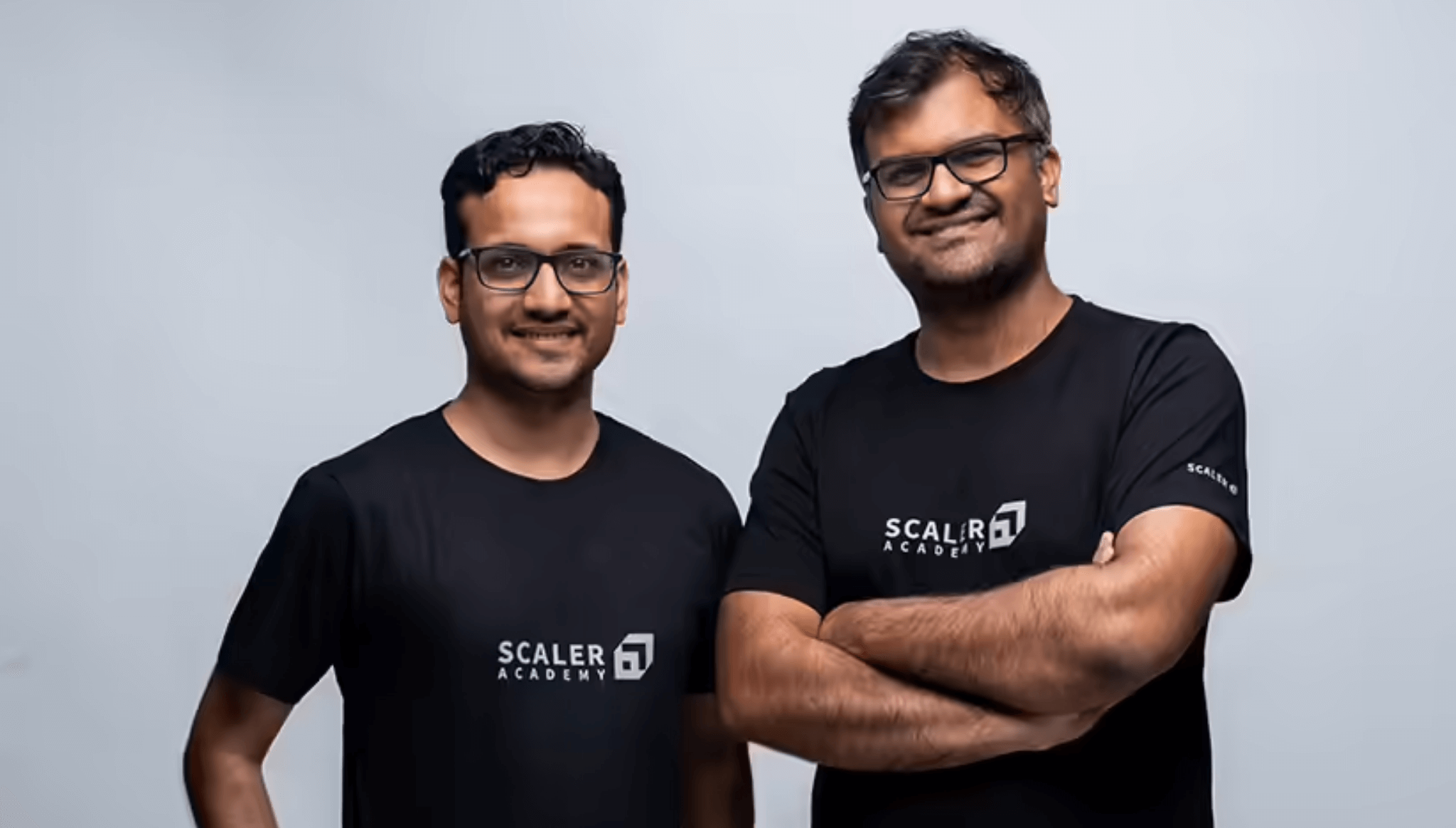
Anshuman Singh and Abhimanyu Saxena are the co-founders of Scaler, an Indian edtech platform built to upskill software engineers and prepare them for careers in tech.
They first launched InterviewBit (2015) to help developers crack interviews. But after realizing the much deeper skills gap between what colleges teach and what companies need, they launched Scaler in 2019 to provide a comprehensive, industry-ready learning ecosystem.
Anshuman Singh: A former Facebook tech lead, he worked on Messenger and global recruiting, where he saw firsthand the shortage of job-ready engineers. A two-time ACM ICPC finalist, his competitive programming background shaped Scaler’s problem-solving heavy curriculum.
Abhimanyu Saxena: An entrepreneur from college days, he later worked at Fab.com as a software architect, where hiring skilled talent was a major challenge, reinforcing the same gap Anshuman saw at Facebook.
Together, they built Scaler as a “tech-versity”, blending online learning with residential campuses, offering programs in software development, data science, and AI/ML, taught by mentors from top tech companies. With a strong community + mentorship focus, Scaler has become one of India’s most respected tech-education startups.
Radhakishan Damani

Ever heard about DMart?
Radhakishan Damani is the mastermind behind it. He started out as a stock market trader but quickly made a name as a sharp long-term investor. In 2002, taking inspiration from Walmart, he opened the first DMart store in Powai, Mumbai.
Unlike competitors who burned cash expanding rapidly, Damani focused on sustainable growth: owning real estate, keeping costs low, and offering a wide range of products at great prices. This strategy paid off big time, DMart became a retail powerhouse, and Avenue Supermarts’ IPO in 2017 was a massive success.
What I really like about him is his low-profile style. He doesn’t chase media attention, he lets results do the talking. His value investing mindset drives every decision, focusing on profitability, efficiency, and long-term growth.
Today, DMart is one of India’s largest and most respected retail chains, and Damani’s journey from trader to retail mogul is all about discipline, strategy, and vision.
Abhay Soi

Abhay Soi is a finance and restructuring expert at firms like Arthur Andersen, E&Y, and KPMG, mastering the art of turnarounds. He is the man who turned Max Healthcare into one of India’s largest hospital chains.
In 2010, he founded Radiant Life Care and started revamping hospitals, first BLK Super Speciality in Delhi, then Nanavati in Mumbai. By 2019, he acquired a controlling stake in Max Healthcare, and in 2020, merged Radiant Life Care with Max, creating a healthcare giant.
Under his leadership, Max has improved profitability, expanded aggressively, and launched innovative services like Max@Home and Max Lab. Beyond business, he’s a key voice for private healthcare in India as President of NATHEALTH.
Recognized as EY Entrepreneur of the Year in 2021 and awarded an honorary doctorate by Amity University, Abhay Soi’s journey is all about vision, strategy, and transforming healthcare from the inside out.
Vidit Aatrey

Vidit Aatrey is the co-founder and CEO of Meesho, one of India’s top e-commerce platforms. So, he studied Electrical Engineering at IIT Delhi and worked at ITC and InMobi. Then in 2015, he started Meesho with his buddy Sanjeev Barnwal.
At first, it was just hyperlocal fashion delivery, but then they switched to this social commerce model, basically helping small businesses and women sell online easily, with zero commission. That move blew up, and now Meesho is a unicorn and prepping for an IPO.
The dude’s so smart that he’s on Forbes 30 Under 30 and got big investors like SoftBank and Sequoia backing him. Basically, he built a platform that’s helping millions of small sellers go online.
Abhinav Shashank
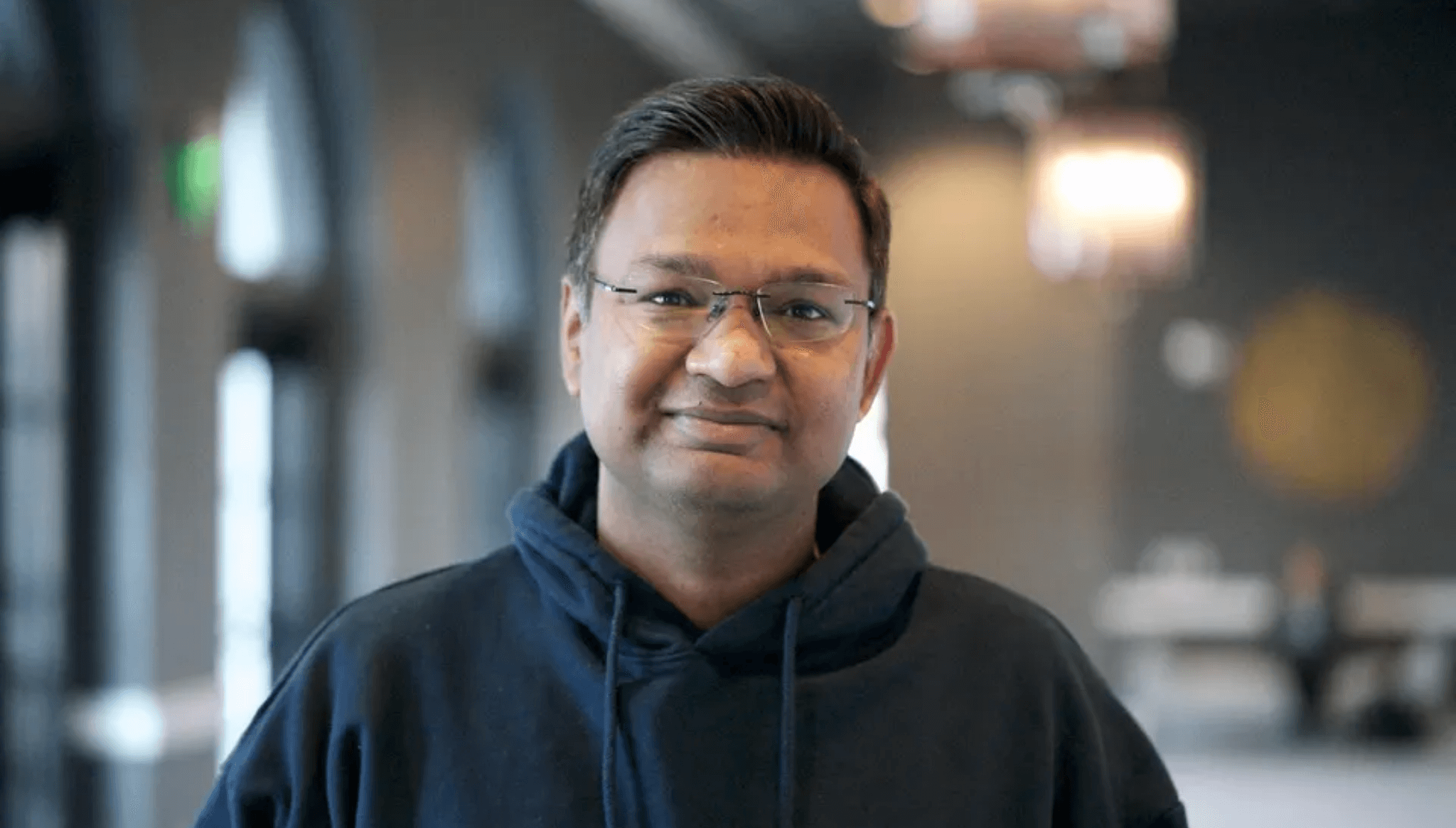
Innovaccer is a health-tech company that basically unifies healthcare data so doctors and hospitals can make better decisions. And the mind behind this startup is Abhinav Shashank.
He studied at IIT Kharagpur and worked as a consultant. In 2012, while working on a project at Harvard and Wharton, he and his co-founders (Kanav Hasija and Sandeep Gupta) came up with the idea of a platform to connect patient data. That turned into Innovaccer’s Health Cloud, which now helps healthcare providers, payers, and life sciences companies get actionable insights.
The company’s huge and became a unicorn valued at $3.2 billion in 2021. Abhinav’s also a thought leader, writing tons of articles on healthcare and tech, and he’s been on Forbes 30 Under 30 Asia. Basically, he’s changing the way healthcare uses data and AI.
Ankit Jain
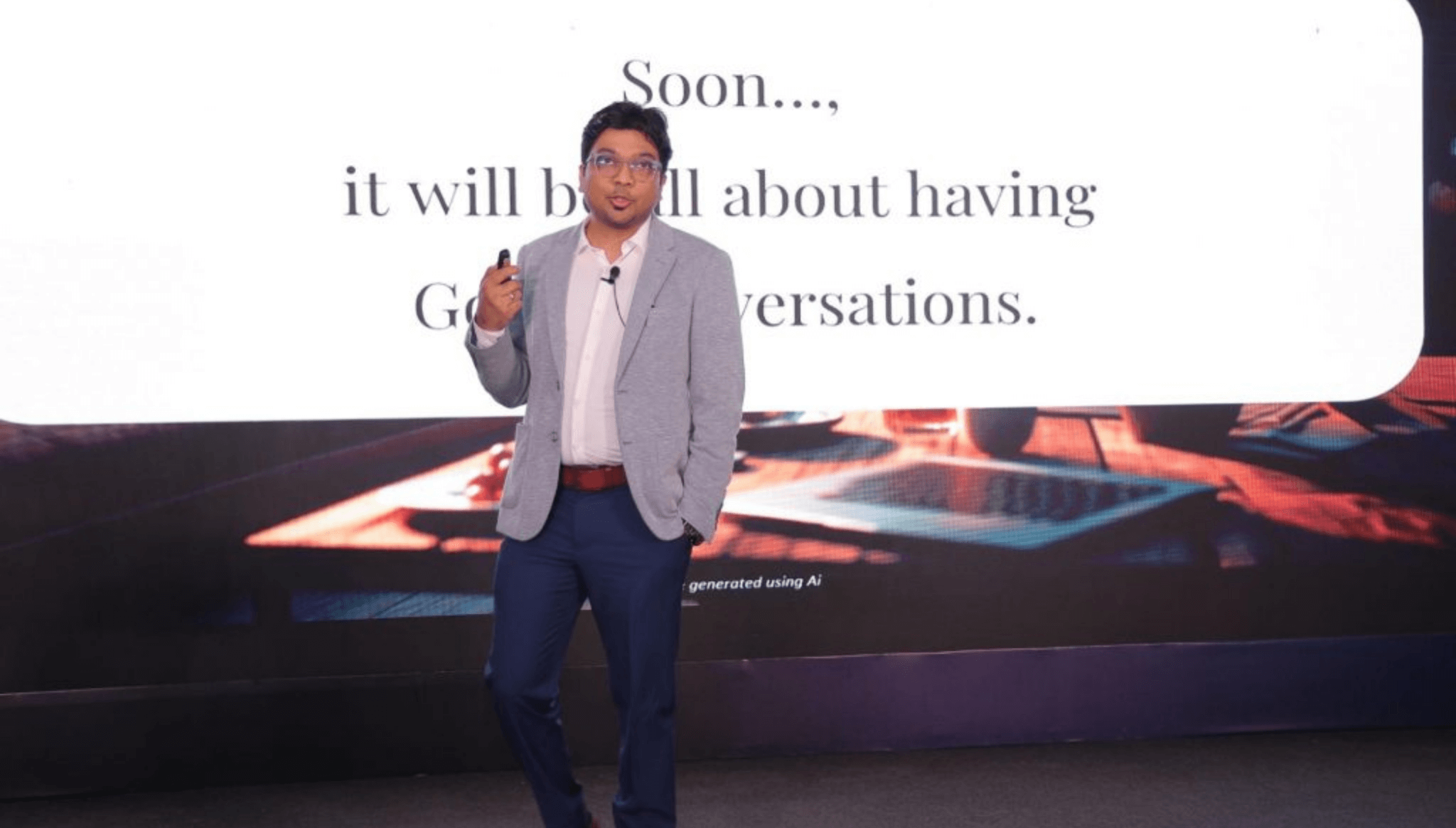
Ever wondered how small businesses manage thousands of customer calls without hiring a huge team?
Meet Ankit Jain, the Founder and CEO of MyOperator.
He started as a tech enthusiast after studying at Birla Institute of Technology, Mesra. In 2011, he launched VoiceTree Technologies, but it didn’t work out. Then he pivoted to cloud telephony, and in 2013, MyOperator was born. The platform helps businesses manage calls efficiently and grow without any external funding.
Under Ankit, MyOperator has gone global, integrates AI, and he also co-founded Heyo Phone, an AI-powered phone app for SMBs. Besides that, he mentors startups and shares his experience in B2B SaaS.
Ronnie Screwvala
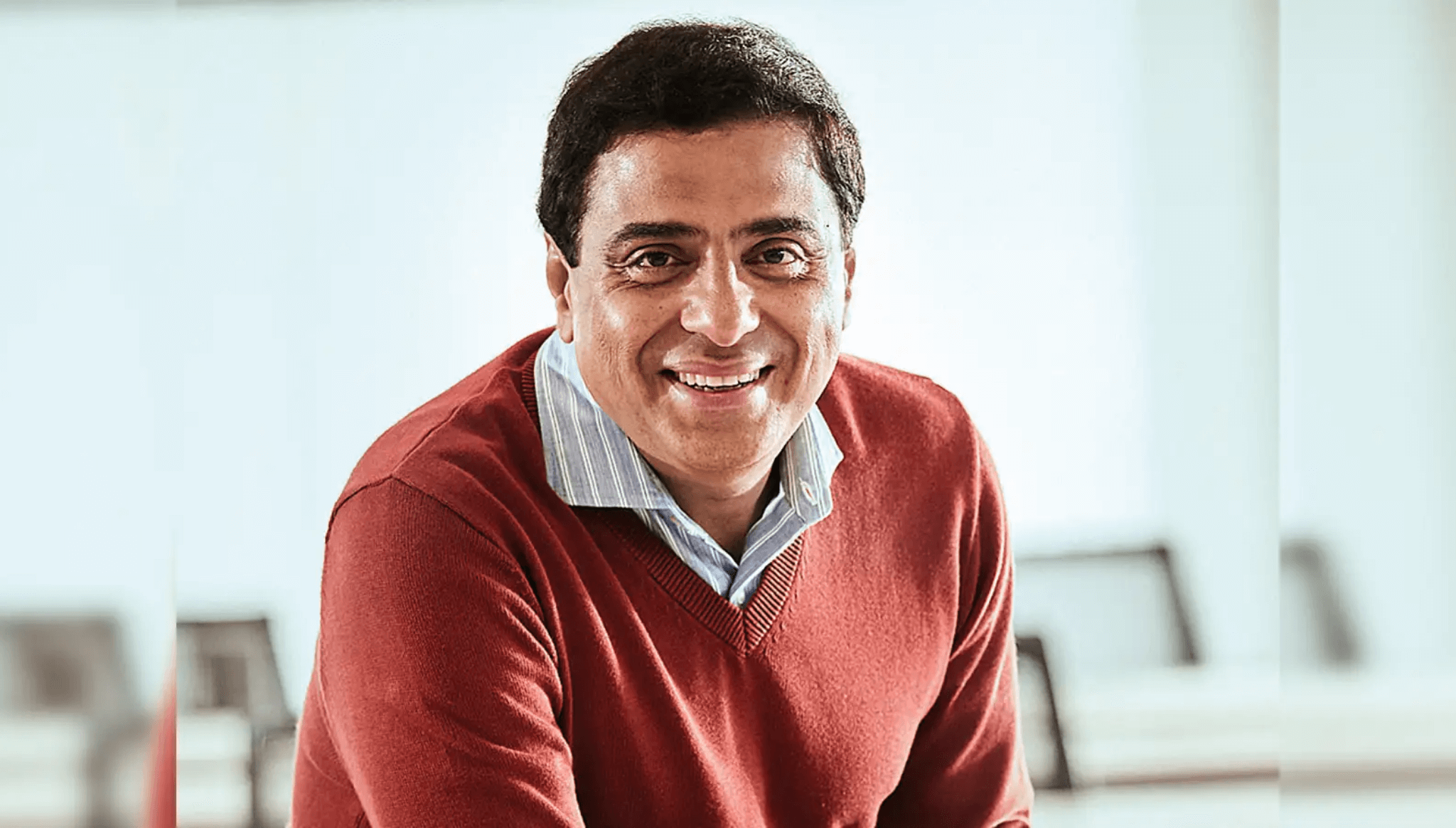
If you even search for an MBA or data science degree course, chances are you’ve heard of upGrad, one of India’s top online upskilling platforms.
Ronnie Screwvala, co-founder and Chairman, first made his mark in the media and entertainment industry by founding UTV in 1990, which became one of India’s leading media companies and was eventually acquired by Disney in 2012. After that, he shifted his focus to education, seeing the need for upskilling and industry-relevant programs for working professionals.
In 2015, he co-founded upGrad with Mayank Kumar. Under his leadership, upGrad has disrupted traditional higher education by offering online and blended programs, partnering with top universities, and helping people bridge the gap between academics and industry.
He’s also behind RSVP Movies and actively supports startups and social initiatives like the Swades Foundation. Ronnie Screwvala’s journey is a classic example of visionary leadership, moving from media mogul to EdTech pioneer.
Mukul Rustagi
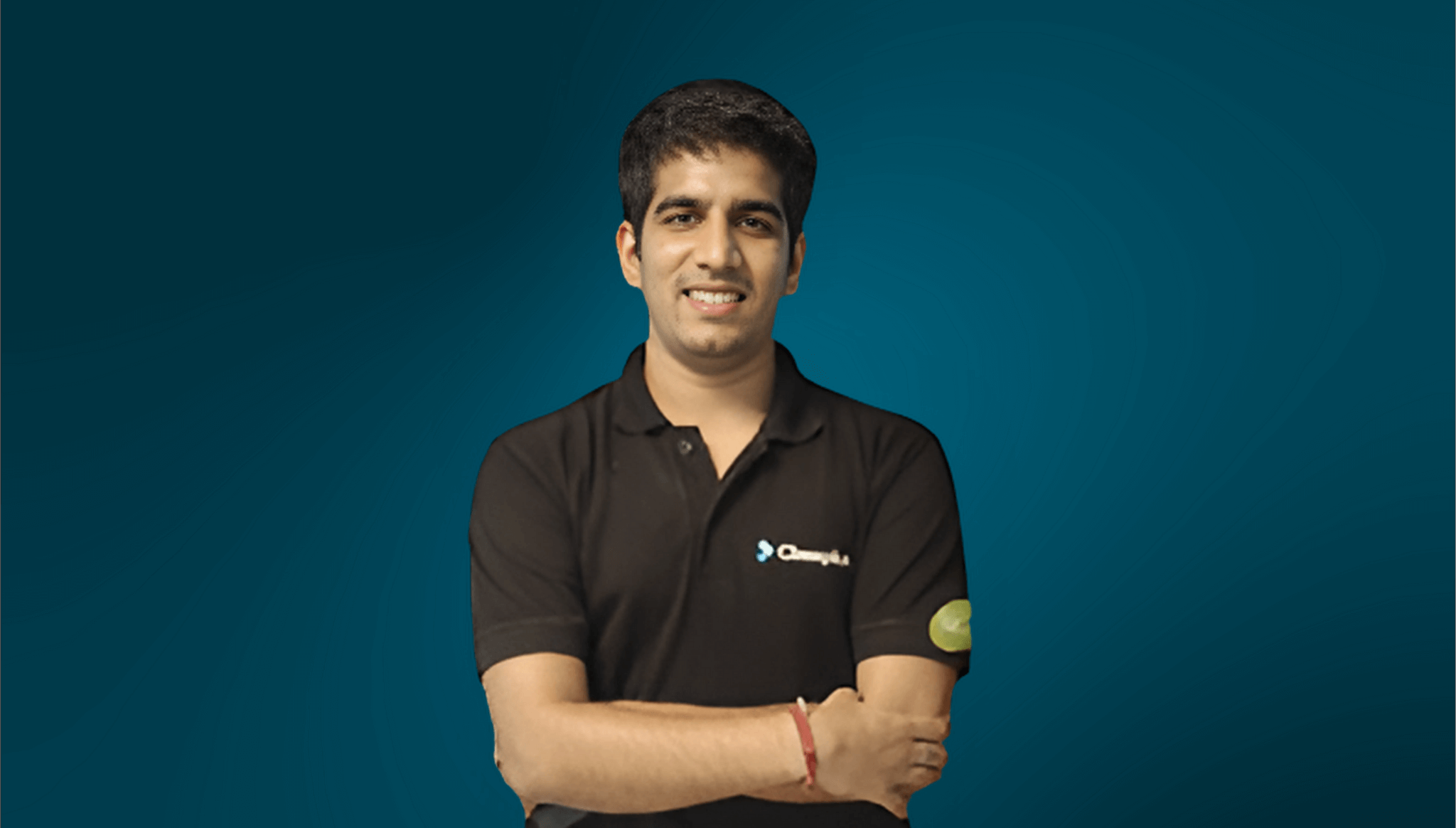
I first heard about Classplus from one of my student’s schools when I was doing some part-time teaching. It’s this cool platform that helps teachers and coaching centers go digital. The co-founder, Mukul Rustagi, an IIT Roorkee grad, actually started as a teacher himself and then launched it in 2018.
Basically, in Classplus teachers can make their own apps, manage classes, share content, take payments, all from their phones. It’s super helpful for schools and tutors in smaller cities who don’t have a lot of tech resources.
During the pandemic, it really saved the day for a lot of teachers and students. The company has grown fast, got big investors, and is even going international now. It’s a great example of using tech to make education accessible everywhere.
Sudarshan Venu

TVS, a renowned name in the automotive world, is now being led by Sudarshan Venu, the Managing Director. He’s from the TVS family, fourth generation and has studied in top places like the University of Pennsylvania, Wharton, and Warwick.
He’s been pushing TVS globally, expanding into Africa, Latin America, and ASEAN markets, and even bought the iconic Norton Motorcycles in 2020.
Sudarshan is also big on electric mobility and growing the premium bike segment. On top of that, he chairs TVS Credit Services. Forbes and WEF have recognized him as a next-gen global leader. Basically, he’s carrying forward the family legacy while transforming TVS into a modern, international mobility brand.
Shashwat Goenka

Do you know Spencer’s Retail or the snack brand Too Yumm?
The guy behind taking Spencer’s from struggling to profitable and launching Too Yumm is Shashwat Goenka. He’s the Vice Chairman of the RPSG Group and part of the next-gen leadership in the Goenka family.
Shashwat studied at Wharton and jumped into Spencer’s at just 23, turning it around. Since then, he’s been expanding the group into FMCG, packaged snacks, green energy, and tech. He’s also leading acquisitions like Nature’s Basket and modernizing legacy brands with a digital-first approach. On top of that, he’s pushing renewable energy initiatives like solar, wind, and green hydrogen.
The industry has noticed him too and he’s been named a Young Global Leader by the World Economic Forum and featured in Hurun India Under 35s and Fortune India 40 Under 40. Basically, he’s taking traditional businesses and making them future-ready.
Supratim Chakraborty
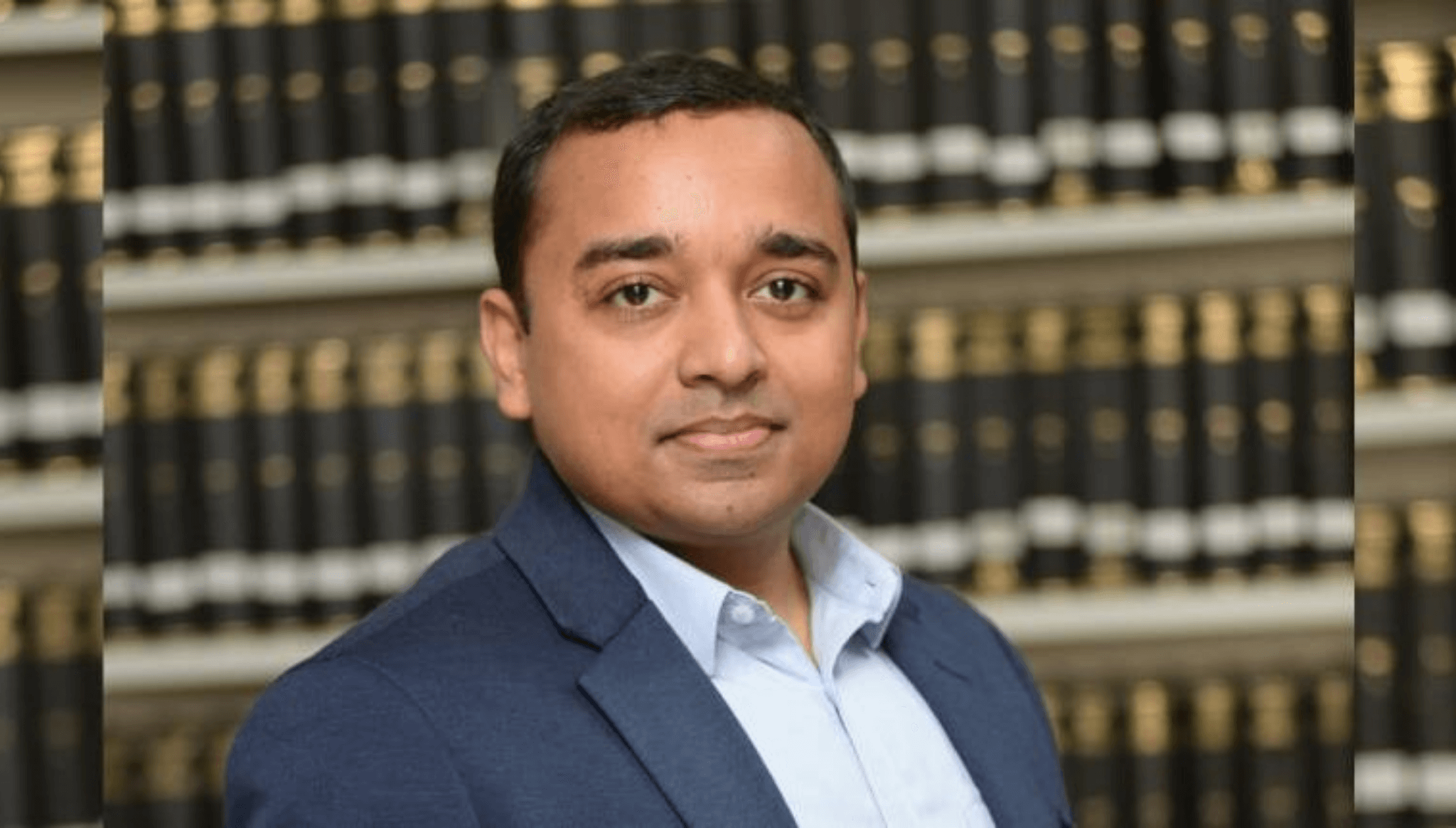
You know in big corporate deals like Reliance acquiring Haptik or spectrum businesses, there’s a guy behind making sure all the legal stuff runs smoothly, Supratim Chakraborty. He’s a Partner at Khaitan & Co., and his expertise is in corporate law, M&A, and data privacy.
He’s handled complex deals, joint ventures, and fintech regulations, and he even advises on India’s Personal Data Protection Bill. The guy is recognized as a leading practitioner in data protection and is often quoted in legal media.
Basically, if there’s a major corporate or tech-driven deal happening, he’s probably one of the people making it happen behind the scenes. He’s also a member of the National Council for FinTech, Digital Assets, and Blockchain Technology of the Associated Chambers of Commerce and Industry of India (ASSOCHAM).
Pranav Bajaj

Ever struggled to get an ambulance in time during an emergency?
This is something that inspired Pranav Bajaj to co-found Medulance Healthcare in 2017. He and his co-founder Ravjot Singh Arora wanted to make ambulance services faster, reliable, and tech-driven.
Pranav studied finance at Shaheed Sukhdev College and got his startup experience at Zomato and a real estate platform, but a personal medical emergency made him realize the gap in India’s emergency healthcare.
Under his leadership, Medulance uses GPS-based dispatch, 5G-enabled ambulances, and remote patient monitoring to drastically cut response times. The company grew its fleet, secured investors, and even got featured on Shark Tank India.
Apart from medical emergencies, Medulance is also building a whole healthcare ecosystem, including paramedic training through the Medulance Healthcare Academy. His efforts got him into Forbes 30 Under 30 Asia in 2021 and earned multiple industry awards.
Kanika Tekriwal

This woman entrepreneur’s journey is one of the most inspiring you’ll ever hear.
At 22, Kanika Tekriwal was fighting cancer. Most people would have slowed down. She came back with a bigger dream to change how India flies.
In 2012, she co-founded JetSetGo, now called the “Uber of the skies.” What was once an opaque, elite-only industry, she made simple, transparent, and accessible.
Today, JetSetGo runs its own fleet of jets and helicopters, and Kanika is already building air taxis (eVTOLs) to redefine urban travel.
From Forbes 30 Under 30 to being called the “Sky Queen,” her journey shows that with big dreams and vision, you can turn even life’s toughest battles into fuel for disruption.
Arun Vinayak
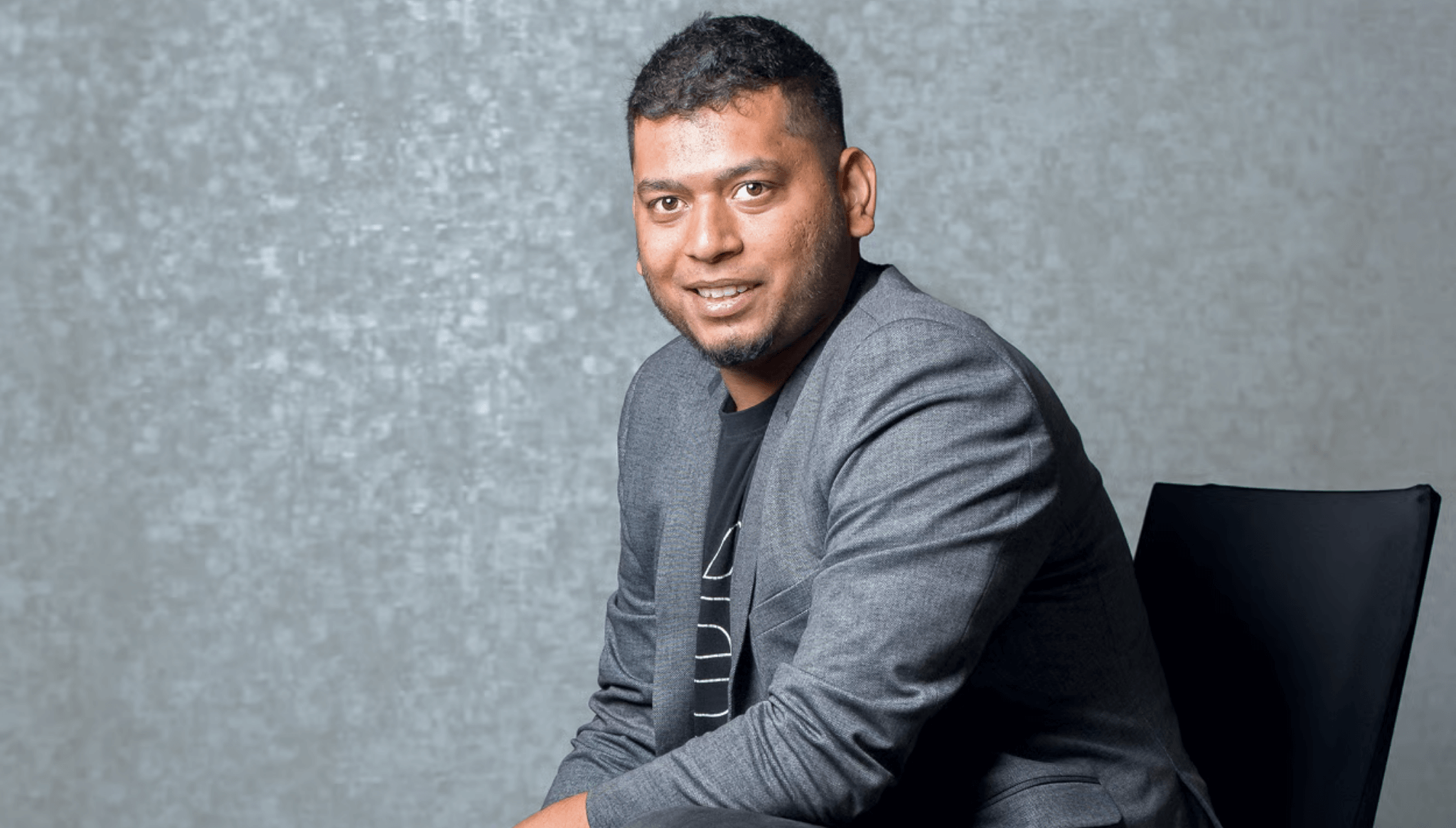
If you’ve ever thought about how slow EV charging can be, Arun Vinayak is working to change that. He’s the co-founder of Exponent Energy, building a rapid charging ecosystem for electric vehicles in India. Before this, he was one of the founding members and Chief Product Officer at Ather Energy helping them launch India’s famous electric scooters.
Arun is an IIT Madras alum who realized early on at Ather that charging infrastructure and battery life were major bottlenecks for EV adoption. So in 2020, he co-founded Exponent Energy with his colleague Sanjay Byalal to fix this problem.
The startup developed a proprietary battery pack and charging station that can take a commercial EV from 0% to 100% charge in just 15 minutes, and their tech comes with a 3,000-cycle warranty. They’ve partnered with companies like Altigreen and Omega Seiki to bring rapid charging to cargo and passenger EVs.
Exponent Energy has also raised funding from big names like Eight Roads Ventures, Lightspeed, and TDK Ventures. Arun was recognized in Fortune India’s 40 Under 40 in 2024, and he’s a thought leader in India’s EV space.
Ruchi Kalra & Asish Mohapatra

Ever wondered who makes business loans for Indian SMEs actually happen smoothly?
That’s Ruchi Kalra. She’s one of the co-founders of OfBusiness and also runs Oxyzo Financial Services, the lending arm. The crazy part about this Indian woman entrepreneur is when they first pitched OfBusiness, 73 investors said no.
Can you imagine that? But she stuck with it, and now both OfBusiness and Oxyzo are unicorns. Yeah, she and her husband Asish Mohapatra are literally the first Indian couple to do that.
What’s cool is that she’s all about profitability from day one, super data-driven. Before all this, she spent nine years at McKinsey in financial services, so she knows her stuff. And she’s also a big inspiration for women entrepreneurs, crushing it in a male-dominated space and building a $5 billion+ business.
Yashish Dahiya
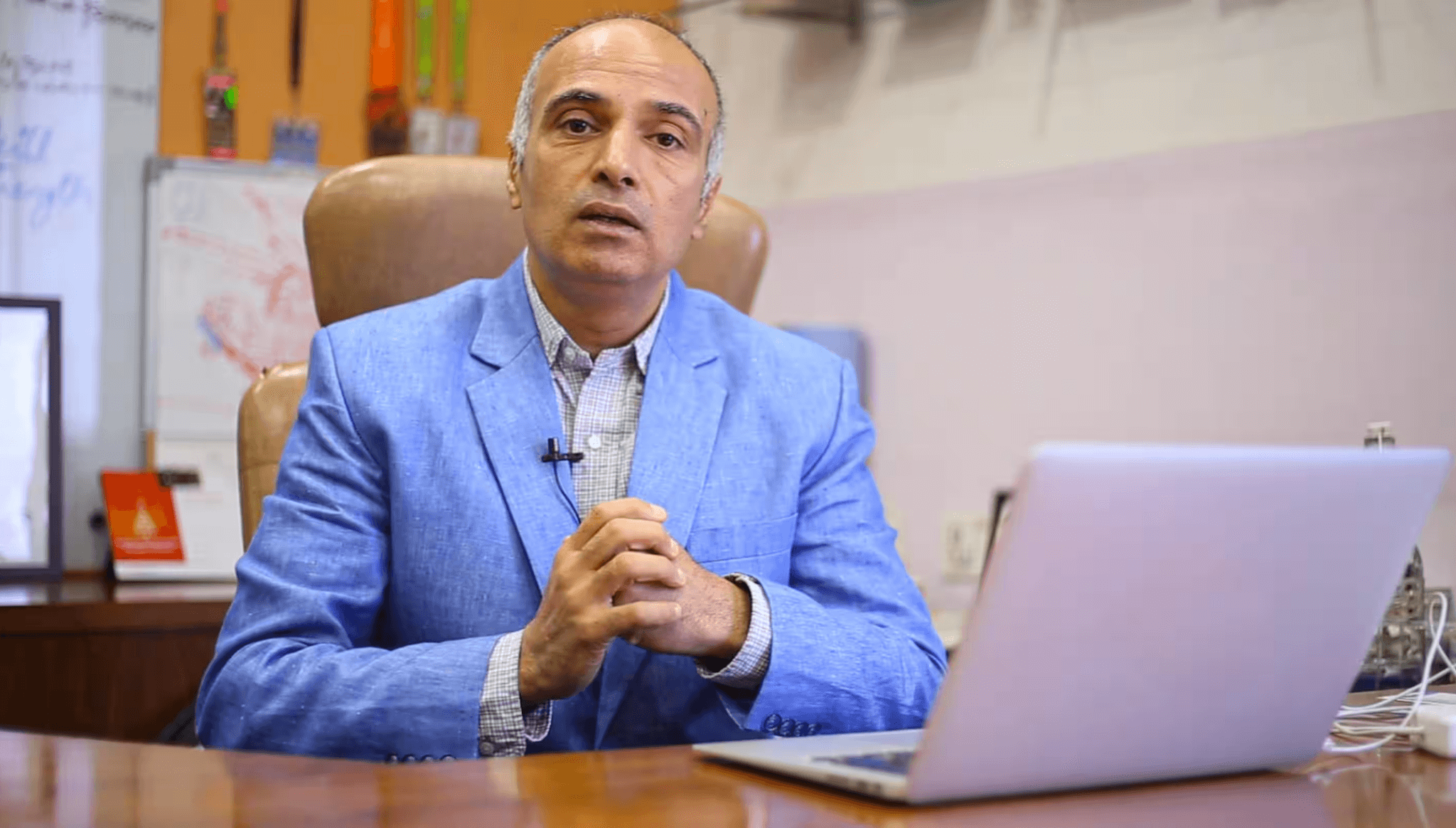
Do you know PolicyBazaar?
Yeah, the insurance comparison platform everyone uses today. He’s the co-founder and Chairman. This guy completely disrupted the insurance game in India, back when insurance was super offline, messy, and complicated.
Yashish has a crazy academic background, IIT Delhi, IIM Ahmedabad, and even Carnegie Mellon. He started his career in the insurance industry in the UK, then came back to India and decided to make insurance transparent and simple for Indians.
So, he and his co-founder Alok Bansal started PolicyBazaar in 2008. What I love about PolicyBazaar is their primary focus is all about understanding consumer needs, helping them with policy comparison, and letting them make good decisions.
And they’re not limited to policies only, they also run Paisabazaar, a leading credit marketplace, and more brands, all under PB Fintech Limited.
Ritesh Arora

It’s a cloud-based platform developers use to test websites and apps across different devices. Ritesh Arora is the mastermind behind it, and he co-founded the company with Nakul Aggarwal.
Ritesh studied computer science at IIT Bombay, and he’s been hustling since college, he even had a couple of startups before BrowserStack. The idea hit him when he and Nakul were frustrated testing websites across different browsers, it was such a pain that they decided, “let’s just fix this once and for all.”
Boom, BrowserStack was born in 2011.
For the first seven years, they bootstrapped the company with no outside funding. That’s why the product is super sharp and user-focused. Now, BrowserStack is the world’s leading software testing platform, with offices in San Francisco, Mumbai, Dublin, and over 50,000 customers in 135+ countries. They even bought companies like Percy and Requestly to grow beyond just browser testing.
And as a gesture, they donated ₹100 crore to IIT Bombay for hostel redevelopment. The guy’s a Forbes Cloud 100 regular and made it to the Hurun India Rich List under 40.
Basically, Ritesh Arora shows how solving a real problem with a product-first mindset can turn a small idea into a global SaaS unicorn.
Ravi Modi
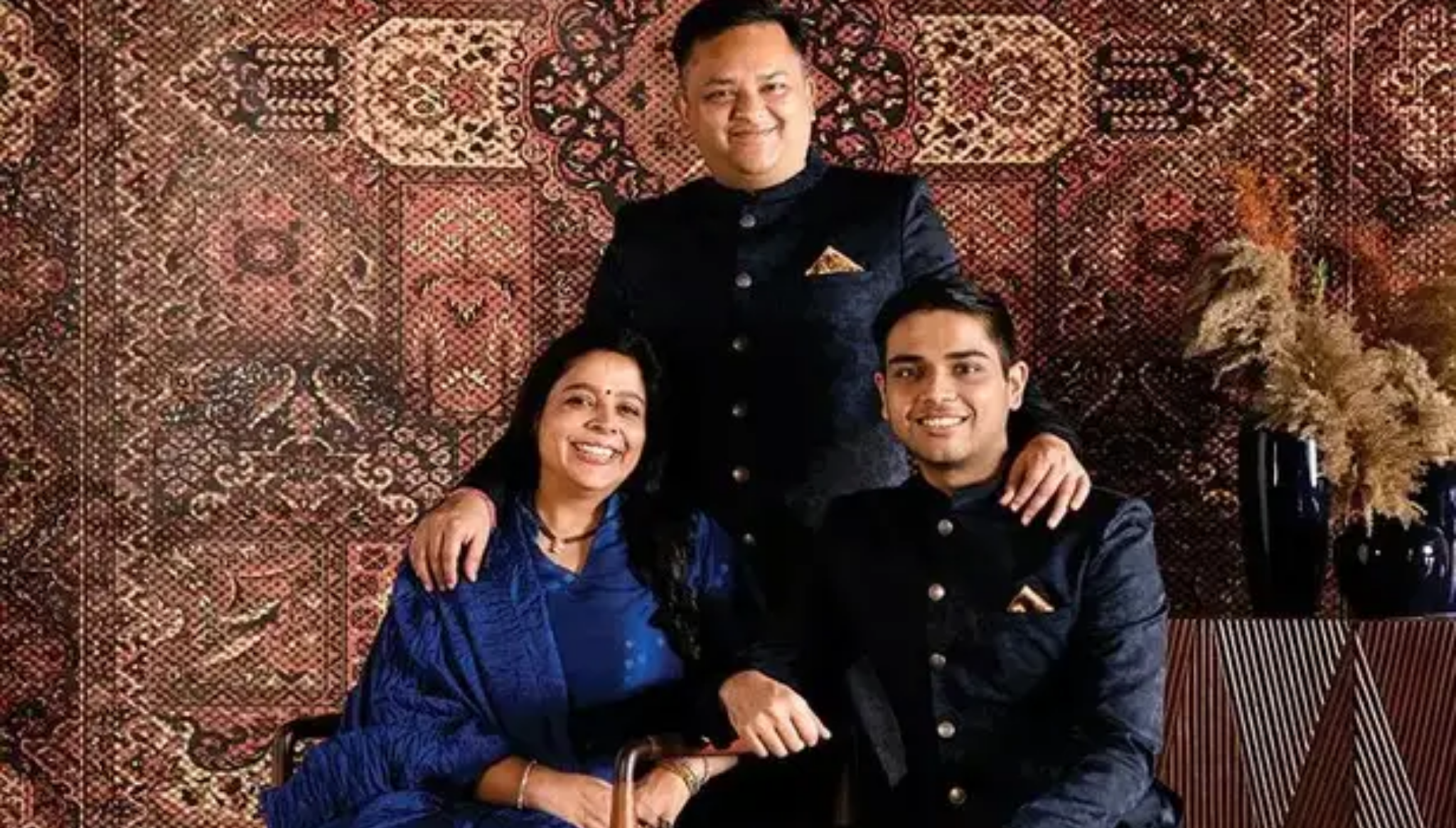
I’m sure you’ve definitely heard of Manyavar.
No! Let me introduce you. It’s a brand every groom in India has probably worn at least once. Behind it is Ravi Modi, the man who turned a ₹10,000 loan from his mom into a multi-billion dollar fashion empire.
He grew up in Kolkata, helping out at his father’s small store since he was 13. But after a fallout, he went solo in 1999, naming his new venture Vedant Fashions after his only son. That’s where Manyavar was born, a brand that made ready-made ethnic wear cool and aspirational for Indian men.
Instead of discount wars, Ravi Modi built the business with a premium mindset and he never sold a single garment at a discount. He focused on branding, design, and a FOFO model that scaled quickly across India and even abroad. Soon, it wasn’t just Manyavar, he launched Mohey (for women), Twamev, and Mebaz.
In 2022, the company went public with a blockbuster IPO, proving that traditional Indian wear could be scaled like a global fashion brand. And while the business is massive, Ravi Modi stays low-key into nature, gardening, and family time. His wife and son are deeply involved in the company, keeping it very family-driven yet professionally run.
What I love is his clarity: No discounts, no noise, just strong branding, sharp execution, and cultural relevance. That’s how he disrupted an unorganized market and built one of India’s most successful fashion houses.
Ravi Kumar
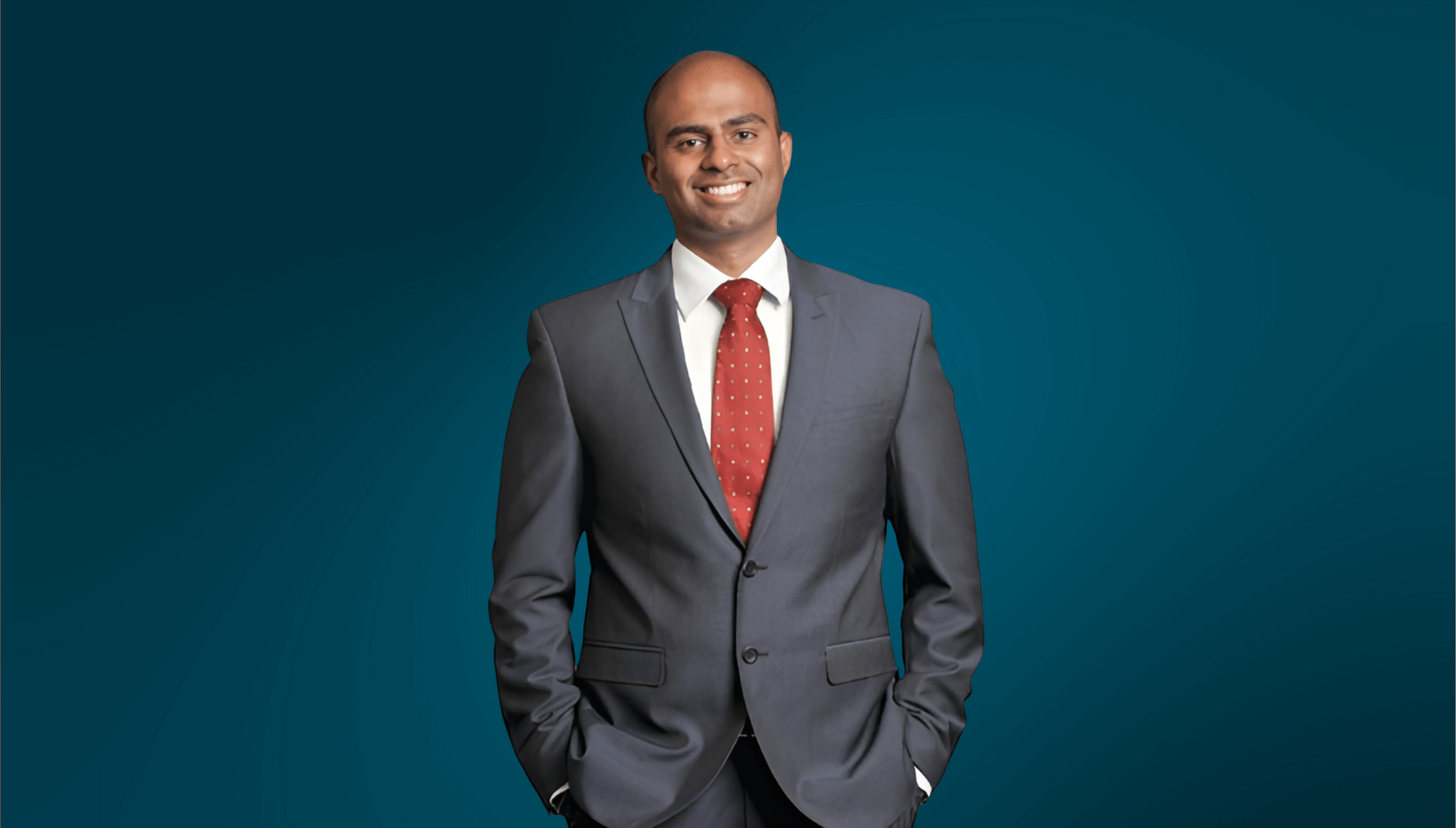
Today many Indians are suddenly into stock markets and investing these days. A huge part of that shift is thanks to Ravi Kumar, the co-founder and CEO of Upstox.
Ravi studied Civil Engineering at the University of Texas, worked in finance with Citi and Interactive Brokers in the US, but when he came back to India, he realized something obvious yet frustrating, trading here was super expensive and complicated for common people.
This insight pushed him to start RKSV Securities in 2009, which later became Upstox. His mission was simple: make investing easy, affordable, and accessible. They introduced zero-brokerage trades, built a tech-driven platform with simple, user-friendly apps, and even started teaching people how to invest smartly.
Backed by Tiger Global, Ratan Tata, and IPL partnerships, Upstox grew into the go-to platform for first-time investors.
Lalit Keshre
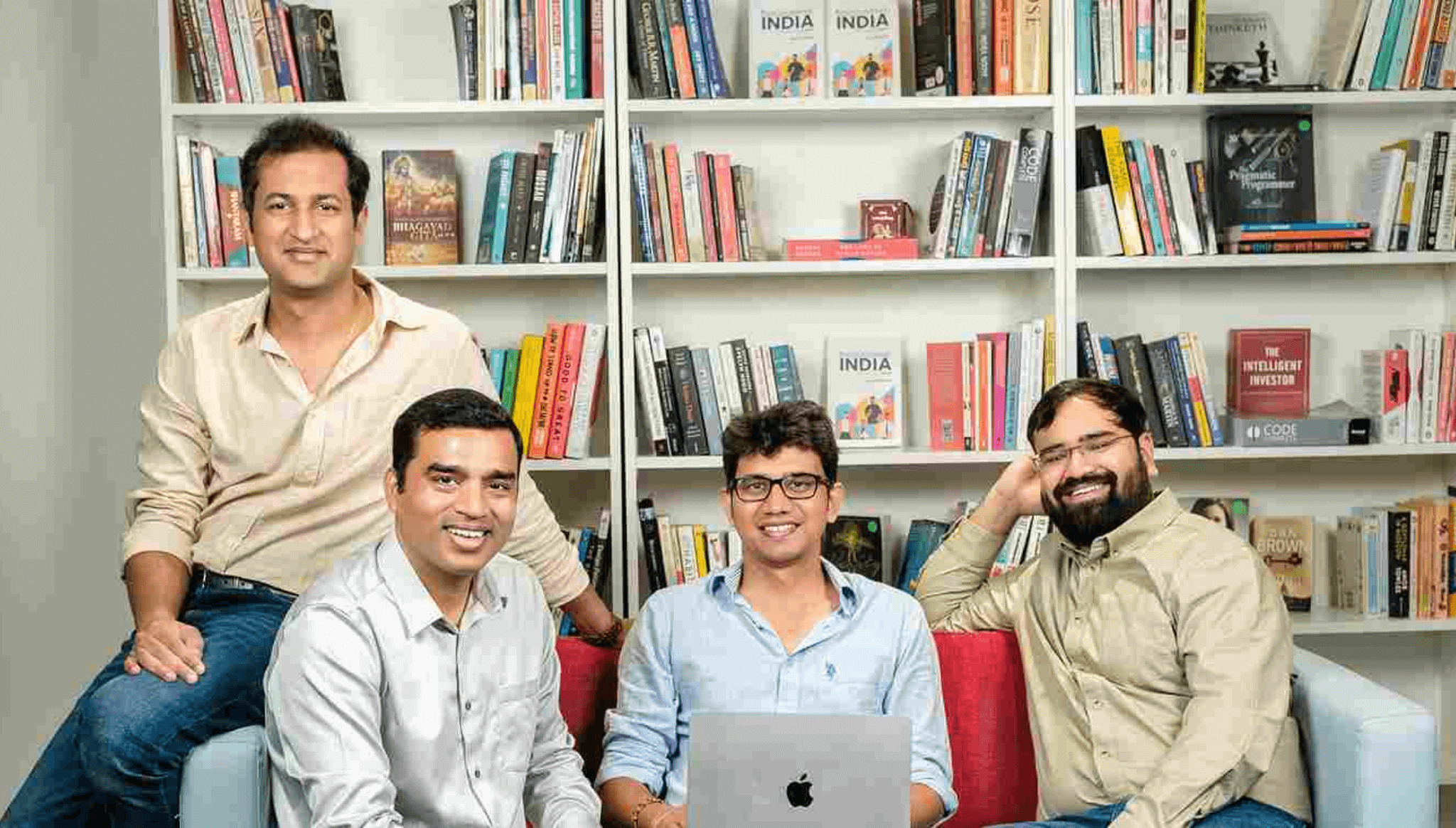
Have you heard of Groww? Yes, I’m talking about the investment app that makes finance simple for millions of Indians.
The guy behind it is Lalit Keshre, the co-founder and CEO, and his story is seriously inspiring. He’s from a small village in Madhya Pradesh, studied at IIT Bombay, and worked at Flipkart, and in 2016 started Groww with Harsh Jain, Ishan Bansal, and Neeraj Singh.
The idea came from a big gap they saw. Millions of Indians had savings but weren’t investing because the system was too confusing. So they set out to simplify investing. First, it was mutual funds online, then direct funds without commission, and later they built that super-simple mobile app we all know today.
Backed by big names like Sequoia and Tiger Global, Groww became a unicorn in 2021 and today leads India’s digital investing space. Lalit even won EY Entrepreneur of the Year (2024).
His journey shows how simplifying a complex problem can turn into a revolutionary business.
Gaurav Munjal
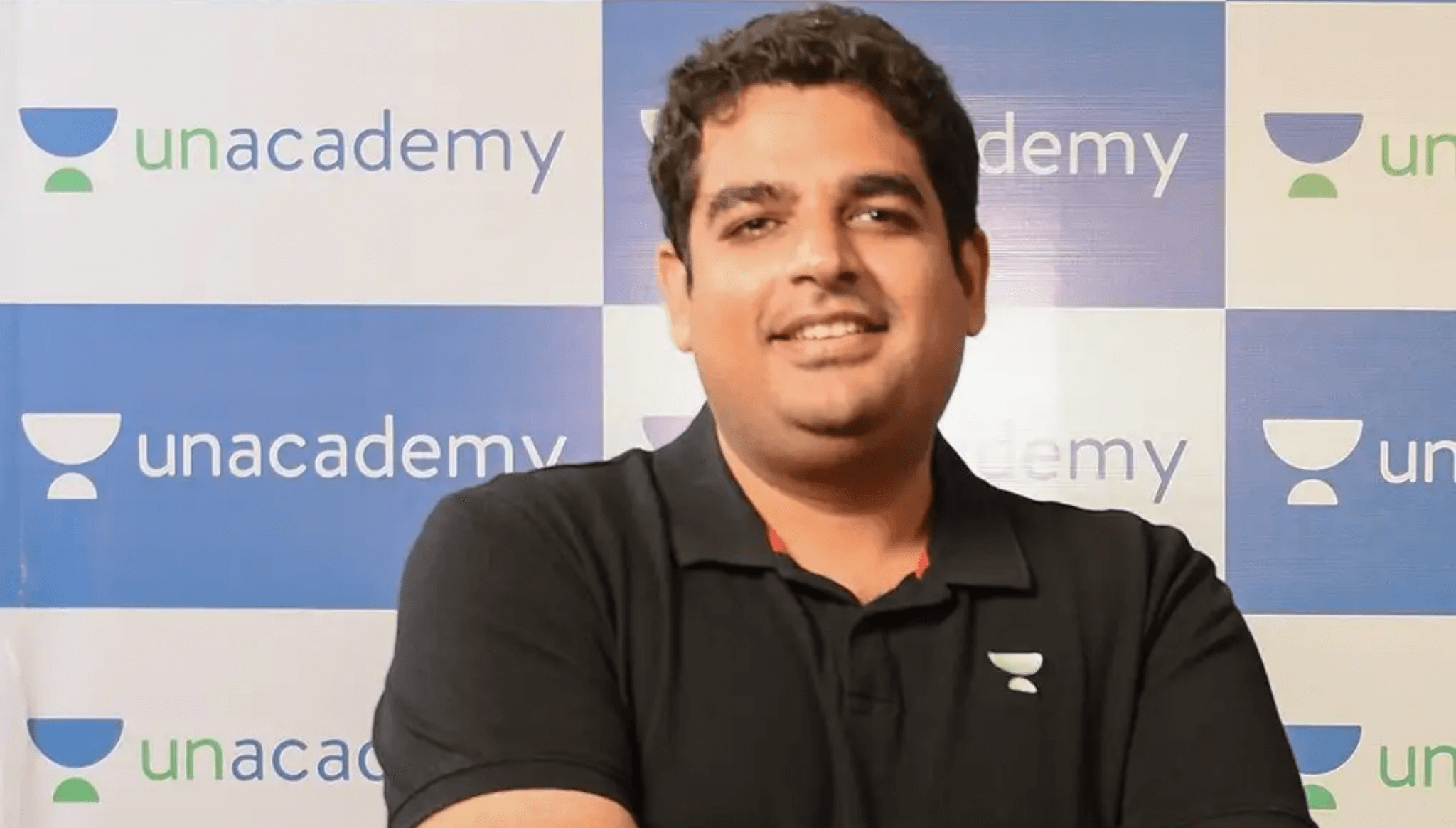
Unacademy, one of India’s biggest edtech companies, was started by Gaurav Munjal.
He started coding at a young age and in 2010 created a YouTube channel to teach Java while studying at NMIMS University, Mumbai. This channel became the foundation of Unacademy.
After co-founding his first startup, Flat.to, which was acquired in 2015, he officially launched Unacademy with Roman Saini and Hemesh Singh to provide a full online learning platform with live classes.
In 2026, Munjal stepped down as CEO to focus on Airlearn, Unacademy’s AI-powered language learning app, while Sumit Jain took charge of the offline business. Featured in Forbes India 30 Under 30, he has also been an active startup investor.
His journey from a YouTube creator to building a unicorn company makes him a key figure in India’s edtech and startup ecosystem.
Vikram Chopra

Vikram Chopra is the founder who turned India’s chaotic used car market into a billion-dollar opportunity.
He’s an IIT Bombay + Wharton grad, worked at McKinsey and Sequoia, and even had a failed startup (FabFurnish) before striking gold.
In 2015, he started CARS24 to fix India’s messy used-car market. They made it simple with instant payments, AI-based pricing, and hassle-free RC transfers.
The company became a unicorn in 2020, went global (UAE, Australia), and even expanded into bikes and financial services. With Dhoni as brand ambassador, CARS24 became a household name.
Vikram’s story is all about learning from failure, spotting gaps, and building trust with tech.
Sairee Chahal

Sairee Chahal is a serial entrepreneur and the founder of SHEROES, a women-first social network that started as a small helpline and now gives women jobs, communities, mental health support, even funding through Mahila Money (her neobank for women entrepreneurs).
Before SHEROES, she co-founded SAITA Consulting (helping startups grow) and Fleximoms (remote jobs for women). Her mission is simple but powerful. Build a safe, trusted “women’s internet” where women can learn, earn, and grow.
She also runs Appreciate Capital, a fund that backs women-led businesses. Globally recognized, award-winning, and even served on the board of Paytm Payments Bank, she’s making sure women get equal opportunities in the digital economy.
Basically, she’s changing the game for women in tech, business, and finance.
Anisha Singh

Anisha Singh co-founded Mydala, one of India’s biggest online deals and discounts platforms.
She earned her Master’s from American University in Washington, D.C., even working with the Clinton Administration to help women entrepreneurs get funding. That early experience planted the seed for her own journey.
Then came back to India to build Mydala in 2009. She grew it into one of the largest local services marketing platforms in India. But Anisha didn’t stop there. She saw a big problem. Women founders were struggling to get funding. In 2018, she started She Capital. It helps women-led startups with money, advice, and connections.
She speaks at big events like TEDx and World Economic Forum, and she’s super passionate about closing the gender gap in startups. Basically, she’s all about building platforms that empower women to succeed.
Neha Singh
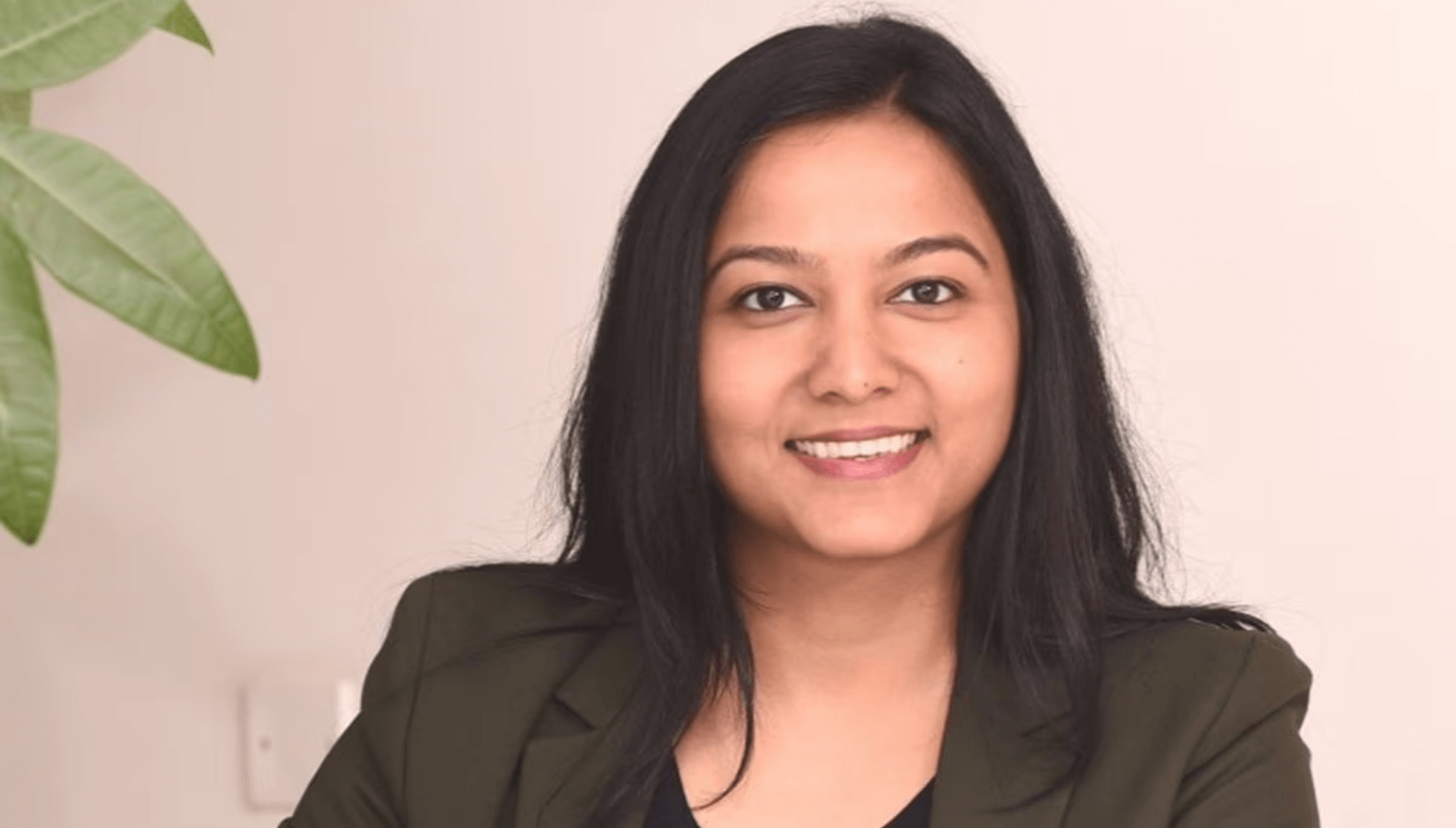
Neha Singh is the co-founder and CEO of Tracxn which is a global intelligence platform that provides data and insights on private companies. She started it in 2013 with her husband, Abhishek Goyal.
She’s a total IIT Bombay + Stanford whiz (B.Tech, M.Tech, MBA), worked at BCG and Sequoia Capital, investing in startups like FreeCharge and Practo. Seeing how hard it was to get reliable data on private companies, she decided to build Tracxn, combining AI and human analysts for high-quality insights.
Today, Tracxn tracks millions of companies worldwide, she champions diversity in tech, and has been featured in Forbes 40 Under 40. Basically, she’s all about tech + data + smart global growth.
Manju Dhawan
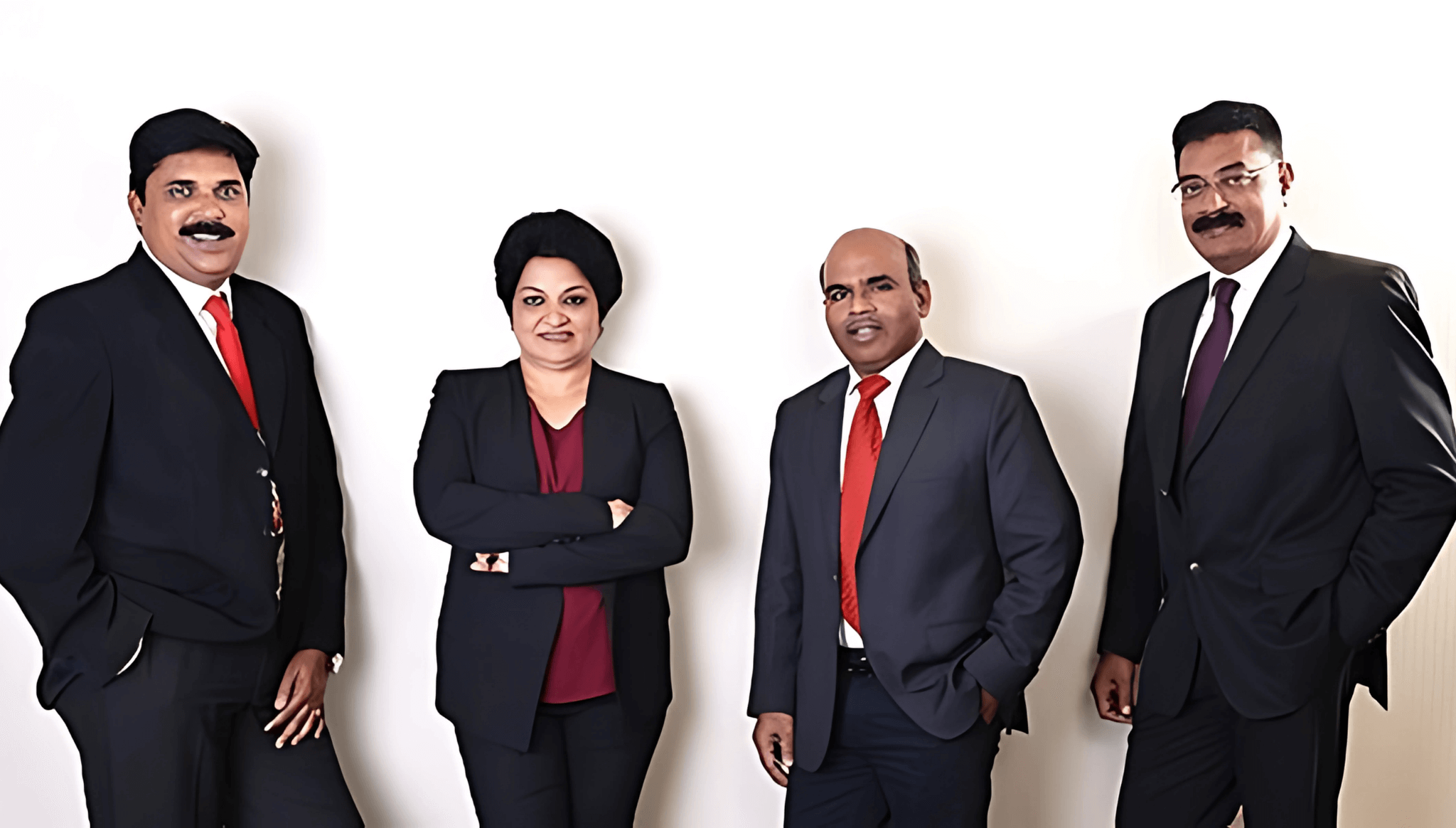
Ever wondered who has started keeping India’s e-commerce deliveries running smoothly?
That’s Manju Dhawan, co-founder of Ecom Express. With 30+ years in logistics (24 at Blue Dart!), she spotted the gap in e-commerce delivery and, in 2012, launched Ecom Express with her co-founders (K. Satyanarayana, Late T. A. Krishnan, and Late Sanjeev Saxena).
She’s the only woman on the founding team, focused on diversity, customer service, and operations. The company got huge and Delhivery acquired it for ₹1,410 crore in 2026. However Manju still plays a key leadership role.
Her journey shows how vision, experience, and grit can transform an entire industry.
Swati Bhargava

Ever hunted for cashback while shopping online?
I used to do it a lot. That’s where Swati Bhargava’s story comes in. She’s the co-founder of CashKaro and EarnKaro, two of India’s leading savings and social commerce platforms.
Swati studied at LSE, worked at Goldman Sachs, and then spotted a gap that India needed cashback and referral platforms. In 2013, she and her husband Rohan launched CashKaro, which is now India’s biggest cashback site. Later, they built EarnKaro for social earning.
With smart partnerships, backing from Ratan Tata, and a focus on profitable growth, Swati has scaled the business while also supporting women entrepreneurs. She even appeared on Shark Tank India.
Her journey shows how vision + execution can turn a simple idea into a game-changing business.
Dhruvil Sanghvi

Dhruvil Sanghvi is the co-founder and CEO of LogiNext, a SaaS company that optimized logistics and supply chains globally. He did his Master’s in data science from Carnegie Mellon and started his career at Deloitte and EY, learning about operational inefficiencies.
In 2014, he co-founded LogiNext with Manisha Raisinghani, and grew it globally across North America, Europe, Southeast Asia, and the Middle East.
He also raised $50M+ funding by investors like Tiger Global, Steadview Capital, and Alibaba. Dhruvil was celebrated as a Forbes India 30 Under 30 entrepreneur and recognized as a thought leader in the SaaS and logistics space.
But like every entrepreneurial story, the journey wasn’t without setbacks. The company was liquidated in 2024, but he’s still a major figure in AI-driven logistics and mentors over 50 startups across India, US, and UAE.
Tanvi Malik

Tanvi Malik is the co-founder of High Street Essentials, the company behind FabAlley and Indya. She studied Economics at Lady Shri Ram College, did her MBA from MICA, and left her job at Titan to start her own venture.
In 2012, Tanvi and Shivani Poddar launched FabAlley to bring stylish, affordable fashion for young Indian women. Later in 2016, they started Indya, mixing Indian ethnic wear with a modern look.
The company grew fast, raised over ₹60 crore, and became known for quick fashion and strong online plus offline presence. During the pandemic, Tanvi shifted to loungewear and masks to keep the brand moving.
She’s been featured in Fortune India’s 40 Under 40. Her journey shows how ideas, when mixed with persistence, can grow into big brands.
Malika Sadani

Malika Sadani turned her personal pain into purpose. After moving back to India from London in 2012, this banker-turned-mom was shocked at the lack of safe, toxin-free products for mothers and babies.
Instead of accepting it, she built the solution. In 2016, Malika and her husband Mohit launched The Moms Co. with a clear mission: help moms make safer choices. What began as maternity care soon grew into baby care, skincare, and haircare, scaling into a ₹150 crore D2C brand by 2021.
That same year, The Moms Co. was acquired by The Good Glamm Group, one of India’s biggest D2C exits. By 2023, Malika had stepped back from operations, moving into angel investing and mentoring founders, especially women-led startups.
Her journey proves how one mom’s frustration, when paired with vision and persistence, can transform into a category-defining brand that leaves a lasting impact.
Hitesh Rajwani

Hitesh Rajwani turned a small idea into India’s go-to platform for digital marketing insights. He started Social Samosa in 2013 as a freelance writer and soon handled business development. When the founders exited in 2015, Hitesh took charge and rebuilt the brand from the ground up.
By 2017, Social Samosa wasn’t just a social media news site, it became a full digital marketing ecosystem, launching awards like SAMMIE Best Social Media Brands, Top 30 Under 30, and Influencer Awards. He also co-launched Social Ketchup, covering consumer-focused social media news.
With an MBA in PR and Corporate Communications and early experience at Only Much Louder and Wizcraft, Hitesh combined strategy, marketing, and vision. Alongside his wife, Mrinil Mathur Rajwani, he continues to grow the company, shape the industry, and nurture talent.
Ashwini Asokan

Ashwini is a tech visionary who turned her 10+ years at Intel Labs into Mad Street Den, a leading AI startup in India. She co-founded it with her husband Anand Chandrasekaran to build AI that helps people in everyday life.
She created Vue.ai, an AI platform transforming retail, and now the company also works in healthcare, education, finance, and logistics. Ashwini believes AI should be transparent, fair, and trustworthy.
Recognized in Fortune’s 40 Under 40, she is a global speaker on AI and women in tech. Her story shows how vision and purpose can make technology truly meaningful.
Akanksha Anshu

Imagine your flight gets canceled or delayed, and you have no clue how to claim compensation. This is where Akanksha Anshu comes in.
In 2016, after personally facing a canceled flight, she founded Refundme.in, a platform that helps air passengers easily claim compensation for delays, cancellations, denied boarding, and lost luggage.
Her work not only helps travelers get what they deserve but has also influenced policy changes in the Air Passenger Charter Act.
Akanksha’s journey shows how personal frustration, when combined with vision and execution, can solve a real problem and create a meaningful business.
Gurleen Kaur Tikku
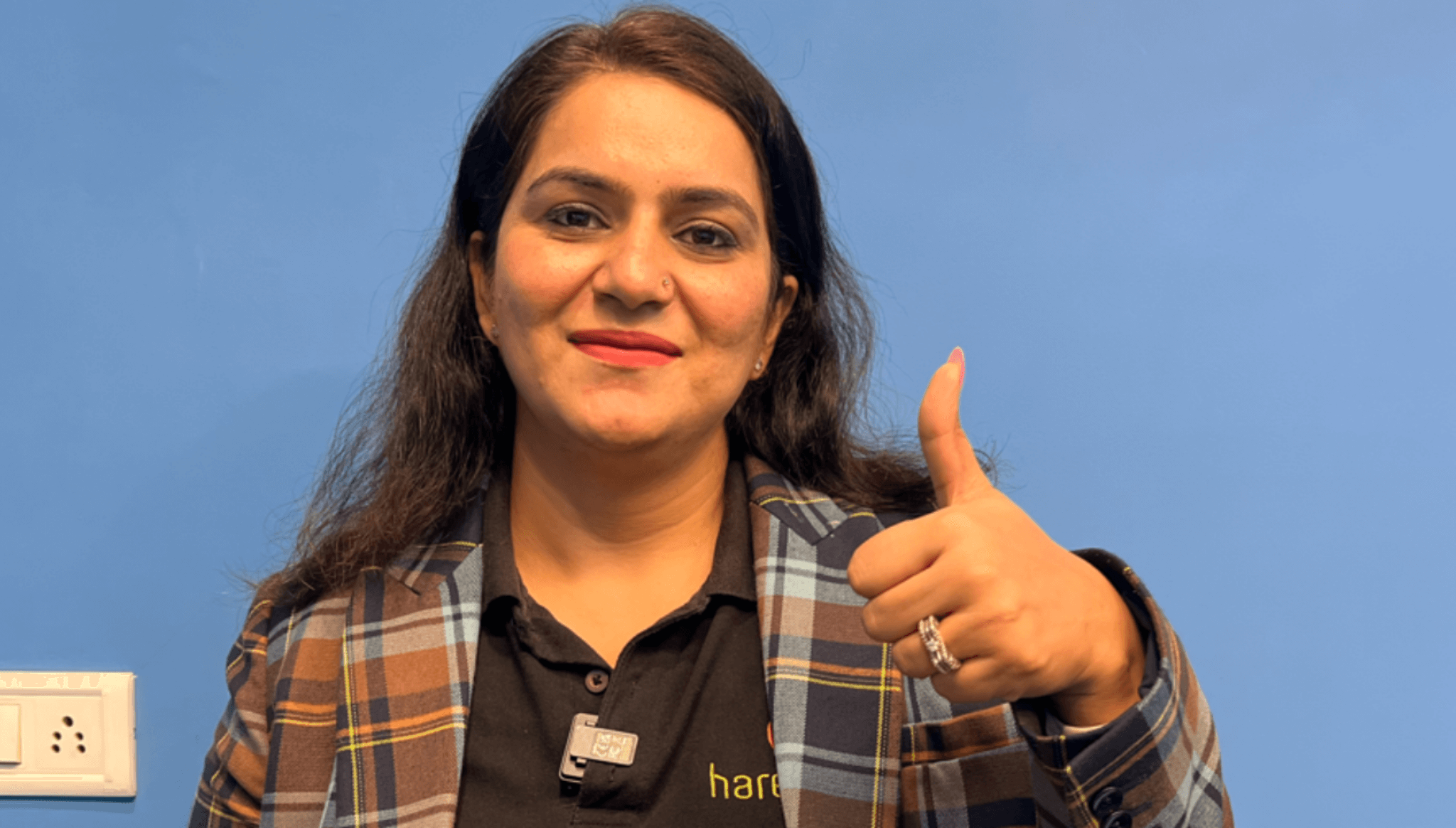
Gurleen Kaur Tikku is the founder and CEO of Hareepatti, a company that helps people plan their money better. She is the face of the company and speaks strongly about why women must learn to handle their own money.
Gurleen’s journey started in 2005, when her father passed away. She took over his financial advisory business. At first, she was not sure if she could continue. But slowly, she accepted the role and became a financial guide.
She studied finance at Delhi University and is a Certified Financial Planner. In 2012, she gave the company a new name, Hareepatti. During the pandemic, she began making videos on YouTube about money and insurance. These videos brought her many new clients.
Gurleen believes that if women know how to manage money, they can grow stronger and help the country grow too. She runs workshops for women in companies, teaching them how to make smart money choices.
She also shares advice through her YouTube channel and blog, where thousands of people learn from her. Because of her work, Gurleen is now seen as an expert in personal finance and is often invited to events and panels.
In 2024, Hareepatti was part of HDFC ERGO’s National Advisory Board. The company was also named a Top Insurance Advisor by HDFC ERGO Health Insurance. Niva Bupa, in Switzerland, recognized Hareepatti as one of India’s Top 4 Health Insurance Experts.
Just a side note I got to know about Gurleen from my elder sister who learned personal finance from her.
Jaya Jha
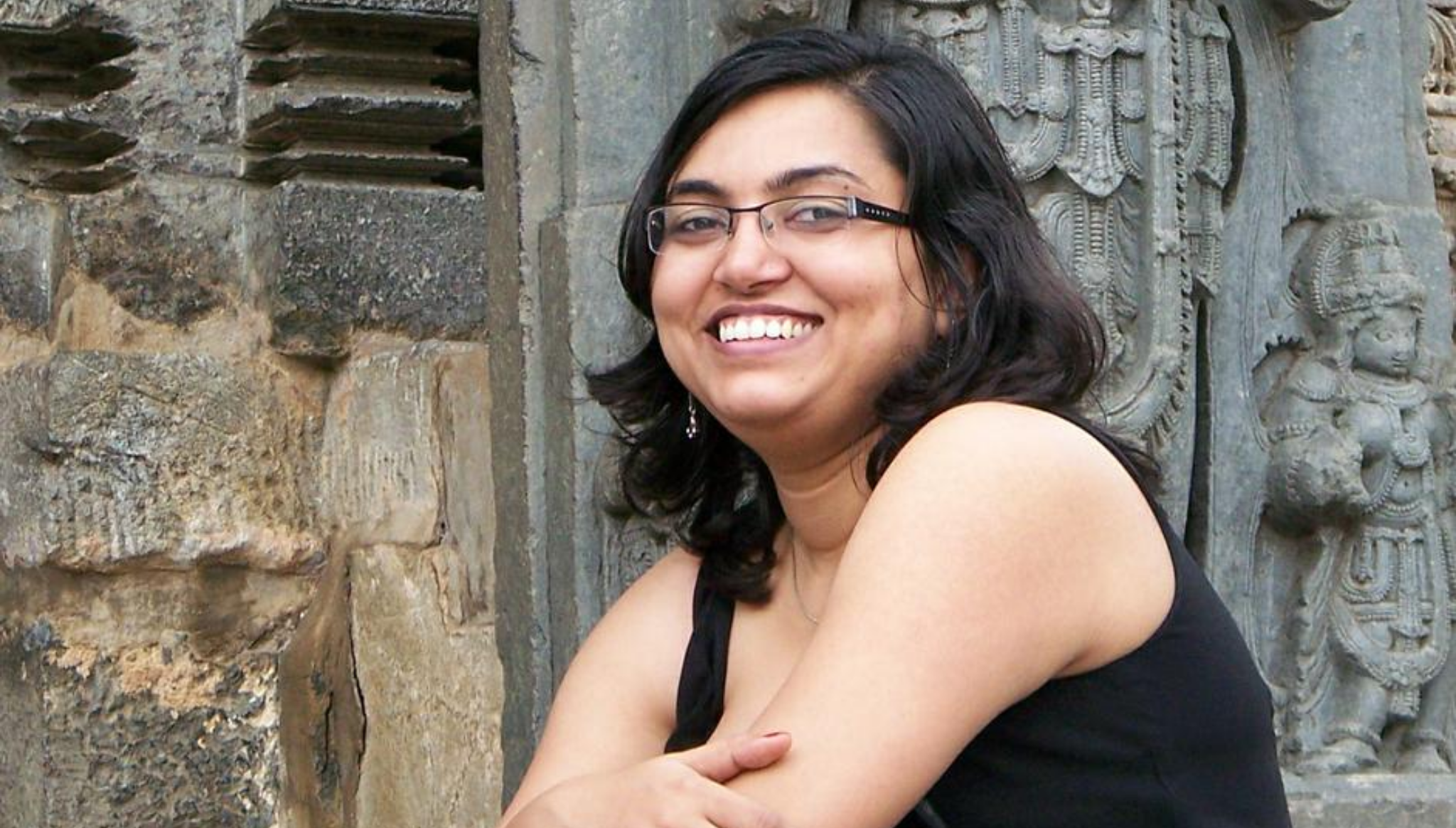
Imagine you have a story but don’t know how to publish it. Jaya Jha solved that problem for thousands of Indian writers.
She studied at IIT Kanpur and IIM Lucknow and started her career in product management at Google India in 2006, later working at IBM.
In 2008, she co-founded Pothi with Abhaya Agarwal, creating one of India’s first self-publishing and print-on-demand platforms. Thousands of writers gained an easy way to publish their work. In 2014, she launched InstaScribe, a tool to simplify e-book creation and empower authors further.
Later, Jaya moved to advisory roles, supporting startups like Meesho and Give.do, while also pursuing her passion as a poet and novelist.
Her journey shows how technology, creativity, and entrepreneurship can reshape an entire industry and inspire future founders.
Neha Behani

Two MBA classmates, Neha Behani and Kumaran Mahendran, quit their corporate jobs in 2011 to follow a big idea.
Neha had an MBA in Marketing from the Asian Institute of Management and worked at Hewlett Packard Singapore. Her first two ventures failed, but she didn’t give up. One day, in a café, she got an idea: let customers choose the music they hear while shopping or dining.
She started Moojic, a platform that creates playlists and interactive music experiences for cafes, salons, and restaurants.
Under her leadership, Moojic raised money from Rajan Anandan and now serves thousands of locations worldwide. Neha also inspires women to become entrepreneurs.
Megha Malik
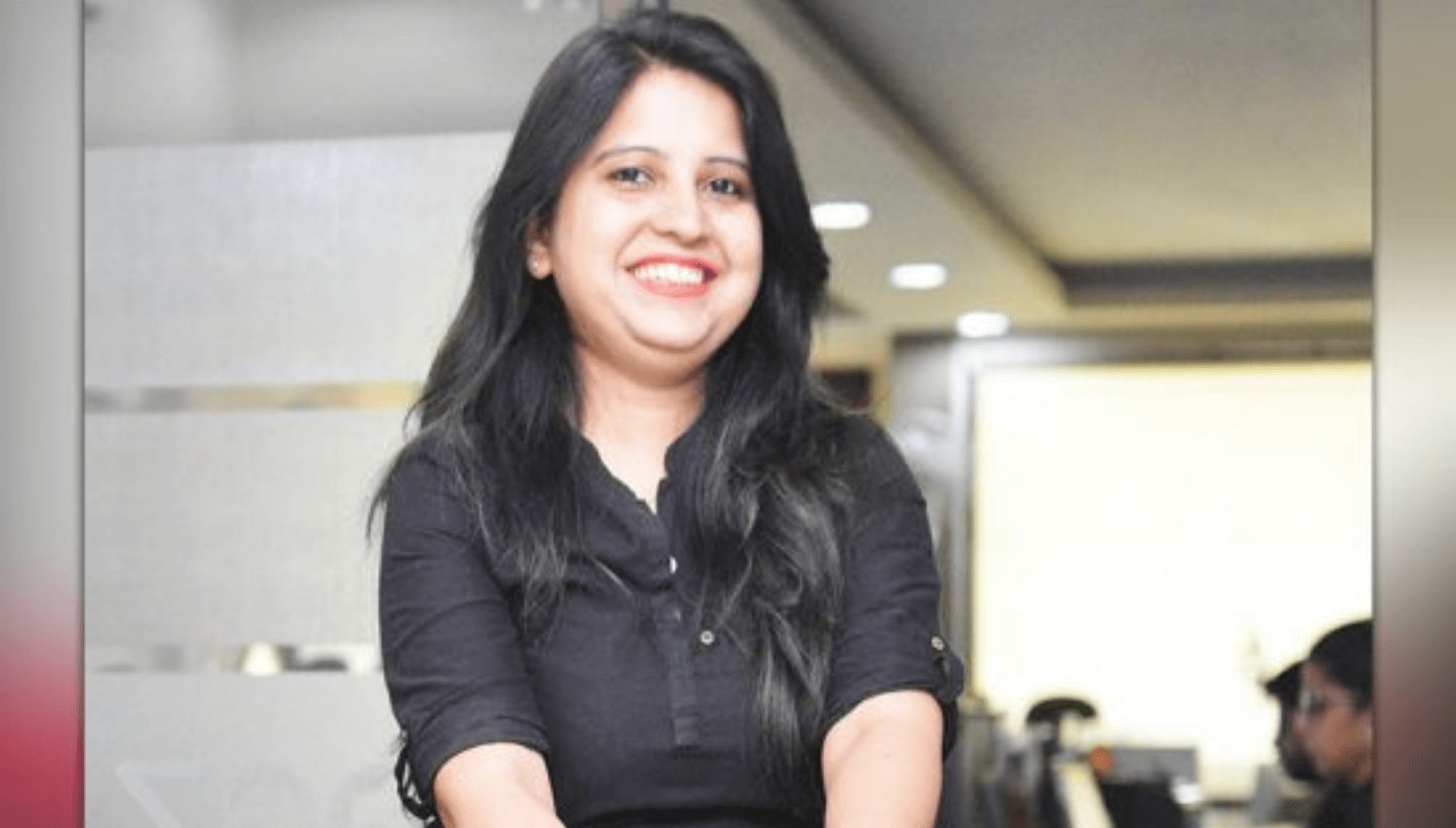
Megha Malik, the woman entrepreneur who turned her love for art into a successful business. She studied both art and business, which helped her mix creativity with smart ideas. She started a company called DesignerPeople in 2003 that helps brands make their products look special and tell a story through packaging and design.
She noticed that many people liked art but didn’t realize how important it is for a business to show who they are, this is called branding. So, she taught people about branding and made them understand why good design matters.
Her company works with many types of products like food, cosmetics, and other everyday items, making their packaging not just pretty but also meaningful. Megha believes in planning carefully, being creative, and making a brand stand out. She even tries new technologies like AI and virtual reality to make brands even better.
In short, Megha shows that entrepreneurs are people who see opportunities, mix their skills, and create something new that helps others. She inspires people to use creativity and smart thinking to build successful businesses.
Chitra Ravi
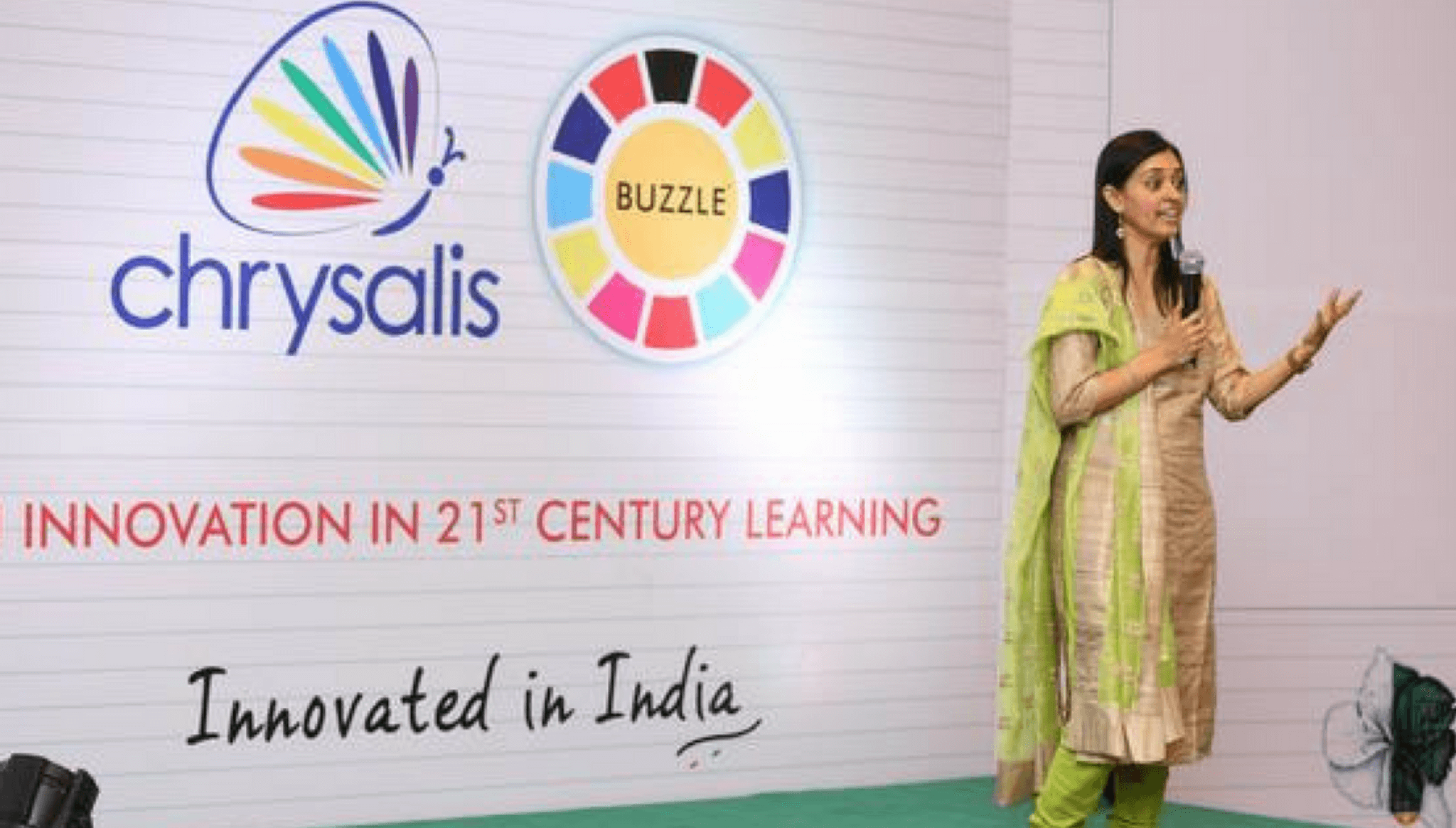
Chitra Ravi is the founder and CEO of Chrysalis, an education research and innovation company in Chennai. She started it with one goal: to change the education system and unlock every child’s potential.
Chitra studied English at the University of Madras and worked in banking and her family’s real estate business. She also attended a program at Harvard Graduate School of Education, which strengthened her vision.
Her inspiration came as a mother. In 2001, she noticed regular schools missed something important, so she founded Chrysalis (then EZ Vidya) to make learning holistic and meaningful.
She created ThinkRoom, replacing textbooks with interactive studios that teach thinking, emotions, and problem-solving. Chrysalis also trains teachers and uses technology and AI to connect schools, students, and parents.
From a team of 5, it now works with hundreds of schools across India. Chitra has won awards like the ET-NOW Leaders of Tomorrow and ITAA Service Award. Her journey shows how vision and passion can transform education.
Sumit Gupta

Sumit Gupta is the co-founder and CEO of CoinDCX, one of India’s biggest cryptocurrency exchanges. An IIT Bombay graduate (B.Tech + M.Tech), he started experimenting with startups early in college and later worked at Sony in Tokyo, where he first came across Bitcoin.
In 2018, he and his classmate Neeraj Khandelwal launched CoinDCX with a clear goal: to make crypto simple and accessible for Indians. Within a few years, the company became India’s first crypto unicorn, valued at over $1.1 billion.
What I like about him apart as an Indian entrepreneur is his focus on security and compliance in an industry with a lot of regulatory uncertainty. Instead of chasing just growth, he worked on building trust, something that’s often missing in crypto.
Beyond CoinDCX, he is also pushing for Web3 adoption through projects like Midnight Society (Web3 gaming) and investments from his family office.
Sandeep Nailwal

Sandeep Nailwal is the co-founder of Polygon, one of the most successful blockchain scaling platforms in the world that has put India on the global Web3 map. Coming from a modest background in Delhi and graduating from NIT Bhopal, he first worked in consulting before taking the leap into entrepreneurship.
His big idea: fix Ethereum’s scalability problem by making blockchain faster, cheaper, and easier to use. With his co-founders, he built Polygon into a multi-billion-dollar project that now powers thousands of decentralized apps worldwide.
Beyond Polygon, he founded the Crypto Relief Fund, raising over $400M during COVID-19 to strengthen India’s healthcare system. Today, he’s seen as a global Web3 thought leader, mentoring startups, backing new founders, and pushing for India to play a major role in the decentralized internet.
Anurag Sinha
Anurag Sinha is the co-founder & CEO of OneCard, India’s leading metal credit card built for mobile-first users. He also heads FPL Technologies, the company behind OneCard and the credit score app OneScore.
An IIT (BHU) Varanasi and IIM Bangalore alumnus, Sinha spent 14 years at ICICI Bank driving digital credit and payments before taking the leap into entrepreneurship. His first venture was Walnut (2016), a personal finance app for expense tracking, which was later acquired by Capital Float.
In 2019, he co-founded OneCard with Rupesh Kumar and Vibhav Hathi to disrupt traditional credit cards with a transparent, app-controlled product. Under his leadership, OneCard has grown rapidly, formed key banking partnerships, and reached unicorn status with strong investor backing.
Harsimarbir Singh

Harsimarbir Singh is the co-founder of Pristyn Care, a leading Indian health-tech company that specializes in advanced, minimally invasive surgeries. Along with Dr. Vaibhav Kapoor and Dr. Garima Sawhney, he set out in 2018 to fix the broken patient experience in elective surgeries and build a streamlined, patient-first healthcare model.
His path wasn’t smooth between 2010–2015, as he launched multiple startups in analytics, couponing, and food delivery, all of which failed. But these failures gave him valuable lessons. He later joined Urban Company (then UrbanClap) as Head of Business, where he scaled the beauty services vertical and got hands-on experience in building and growing a business.
At Pristyn Care, Singh leads technology and growth, building digital solutions that make the surgical journey seamless, paperless, and efficient. Under his leadership, the company has grown rapidly, raised significant funding, and become a major disruptor in India’s healthcare ecosystem.
In 2020, he was featured on Forbes 30 Under 30 Asia, though he’s also faced criticism such as the 2022 backlash over a LinkedIn post on “interview hacks.” Still, his journey highlights resilience, adaptability, and vision, proving how technology and persistence can transform even the most traditional industries.
Saahil Goel
Saahil Goel is the co-founder & CEO of Shiprocket, India’s first e-commerce logistics unicorn and an AI-powered platform that makes shipping simple for online sellers.
After studying Computer Science at Drexel University and earning dual master’s degrees (MBA + MS) from the University of Pittsburgh, he worked as a consultant in the US. Fascinated by the internet boom, he wanted to build tech solutions for SMBs in India.
In 2012, he co-founded Kartrocket with Gautam Kapoor, which later pivoted into Shiprocket (2017) to tackle logistics challenges in e-commerce. Under his leadership, Shiprocket scaled from a bootstrapped startup to a unicorn (2022), driven by AI, data, and smart acquisitions (Pickrr, Glaucus, and Omuni).
Today, Shiprocket powers thousands of SMBs and D2C brands, while Goel also contributes as an angel investor and mentor in India’s startup ecosystem.
Featured in Forbes India “30 Under 30” (2020), he is now steering Shiprocket toward a 2026 IPO, proving how adaptability and vision can turn a niche pain point into a billion-dollar opportunity.
Ashish Singhal

Ashish Singhal is the co-founder & Group CEO of CoinSwitch (now part of PeepalCo), one of India’s biggest and most valuable crypto exchanges. A computer science graduate from NSIT Delhi and a “hacker at heart,” he sharpened his skills by winning hackathons and working in leadership roles at Amazon and Livspace, while also co-founding Urban Tailor.
In 2017, Ashish, along with Govind Soni and Vimal Sagar Tiwari, launched CoinSwitch as a global aggregator of crypto exchanges, solving the problem of price variations across platforms. In 2020, they brought CoinSwitch Kuber to India, making crypto simple to buy and sell in INR. This move catapulted the company into unicorn status.
As CEO, he has prioritized compliance, customer protection, and trust in a highly regulated and uncertain environment. He’s also expanded into wealth-tech (Lemonn), aiming to simplify broader financial tools for Indians. Beyond building CoinSwitch, Ashish actively invests in startups, mentors founders, and drives financial literacy initiatives.
Prasad Kompalli
Prasad Kompalli is the co-founder and former CEO of MFine, an AI-powered health platform that changed healthcare access in India. A computer science graduate from NIT Warangal, he worked at SAP, leading global teams and earning patents, and later served as Chief Business Officer at Myntra.
In 2017, he co-founded MFine with Ashutosh Lawania to make quality healthcare available online through AI-driven consultations. Under his leadership, MFine partnered with over 100 hospitals and created a smooth, tech-driven patient experience.
After merging with LifeCell in 2022 to form LifeWell, Prasad stepped back from operations but remains a board member and angel investor. His journey proves tech and vision can solve big social problems.
Peyush Bansal
Peyush Bansal is the co-founder and CEO of Lenskart, one of India’s biggest eyewear brands. After studying Electrical Engineering at McGill University, he briefly worked at Microsoft in the US before returning to India in 2008 to follow his entrepreneurial dreams.
In 2010, he launched Lenskart, starting with contact lenses and later expanding into eyeglasses, sunglasses, and retail stores.
Bansal grew Lenskart with an omnichannel approach, combining online convenience with offline stores to make eyewear affordable and accessible. Today, the company leads in India and has expanded to Southeast Asia, the Middle East, and the US.
Niraj Singh
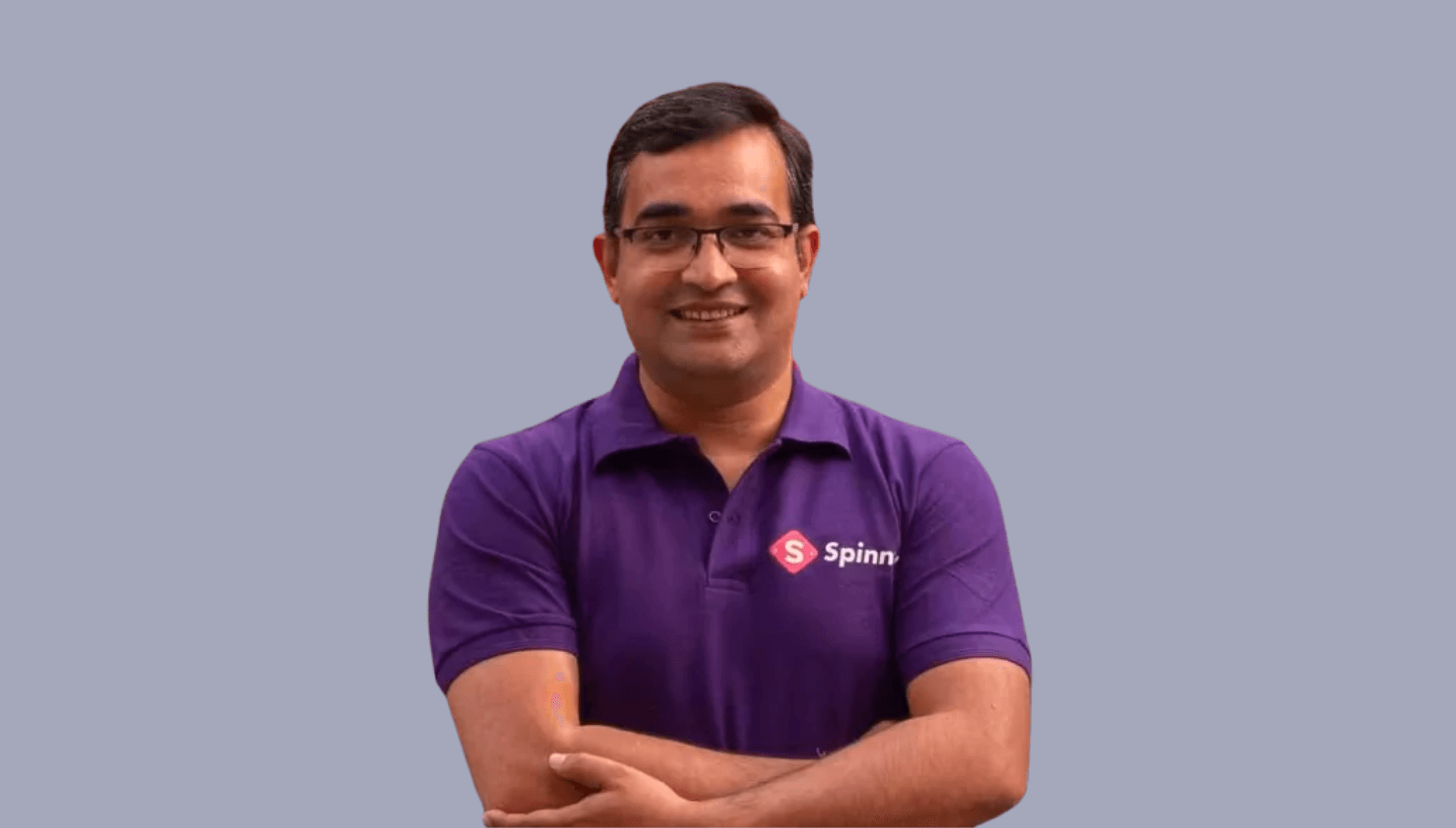
Niraj Singh is the man who changed how India buys used cars. Before Spinny, buying a second-hand car was full of surprises like hidden issues, haggling, and broken trust. Niraj, an IIT Delhi grad, had faced two failed startups, but he didn’t give up. In 2015, he launched Spinny with his co-founders.
When investors hesitated, he bet on himself, mortgaging his house and even selling his own car. Spinny went beyond a marketplace, taking control of inventory, quality, and pricing.
Today, with fixed prices, 5-day returns, and strict checks, Spinny is a unicorn. Niraj also mentors startups, proving bold moves and customer focus can truly disrupt a tough market.
Ashish Kashyap
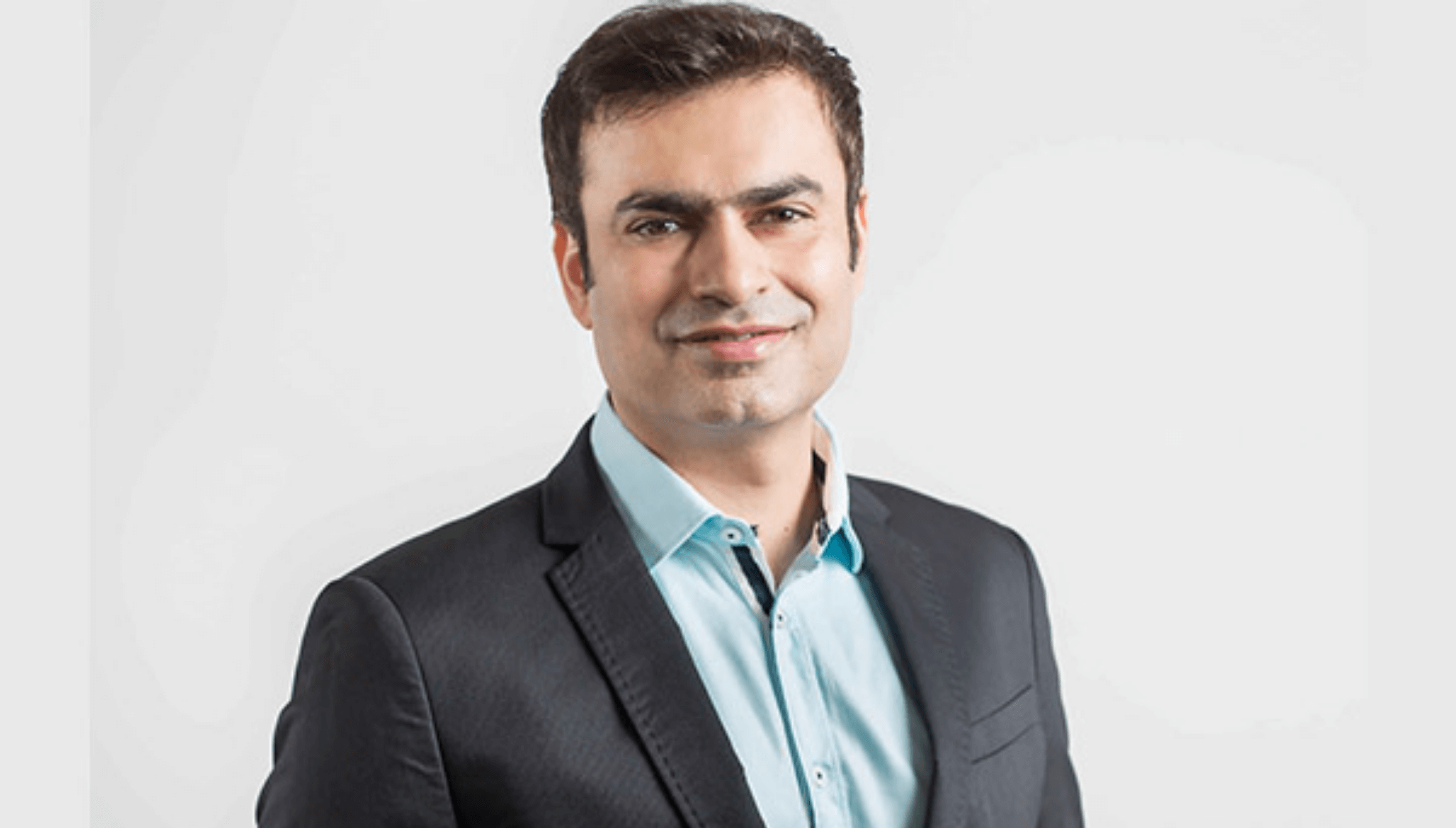
Ashish Kashyap is the founder & CEO of INDmoney and a serial entrepreneur shaping India’s digital economy.
He is an IIT Delhi and IIM Ahmedabad graduate who began his career as Country Head of Google India before founding ibibo Group (2007), which included Goibibo and redBus, later acquired by MakeMyTrip. He also co-founded PayU India, building it into a leading payments platform.
In 2018, he launched INDmoney, a super app that lets users track net worth, invest in US stocks, and get AI-driven financial insights.
Motivated by his own challenges in managing money, his mission is to make finance simple, transparent, and accessible for every Indian. Beyond building companies, he mentors startups and invests in India’s tech ecosystem.
The Indian entrepreneurs list ends, but the journey doesn’t
It’s very hard for me to stop here and say that’s it, our list of 101 entrepreneurs in India ends here. But at the core you and I both know that entrepreneurship in India isn’t going to slow down anytime soon.
It’s just a snapshot of a much bigger story still being written every single day in dorm rooms, garages, co-working spaces, and corner cafes across the country.
India doesn’t run on just food, fuel, or finance. It runs on ideas. Big, small, crazy, impossible ideas, and the people here are bold enough to chase them. Smart enough to build them. Courageous enough to compete with giants.
Some of the names here you already knew. Some you met for the first time. But all of them carry the same DNA: resilience, creativity, and the refusal to quit.
Tomorrow, another founder will take their first step. Another idea will catch fire. And someday, it’ll be their story on lists like this.
And if you’re holding an idea close to your chest right now, maybe, just maybe, the next chapter belongs to you. And when you’re ready to tell that story to the world, that’s where ZeroAdo, our digital marketing agency, comes in. We help founders, dreamers, and doers turn their vision into a brand that the world can’t ignore.
If you want to see how other businesses in India are growing online, check out this list of the best digital marketing agencies in India. They’re helping startups build their brand, run creative campaigns, and get real results.
And if you’re more focused on steady, organic growth, take a look at the top SEO agencies in India that help businesses rank higher on Google, attract quality leads, and grow sustainably.
Thanks for giving it a read and let me just end this convos with the below statement.
Lists end, but chai breaks don’t. So sip up, dream big, and maybe I’ll be writing about you next time.