
If you’re looking for entrepreneurs in Pune who are building startups in 2026, this list covers 9 of them, including Kunal Gupta (EMotorad), Anirudh Bhuwalka (Blue Energy Motors), Shalu Mitruka (GrowthPal), Prateek Srivastava (DroneAcharya) and the founding teams behind Rigbetel Labs, Aethrone Aerospace, Repos Energy, Serigen Mediproducts and Olee Space.
None of them started with a big business plan. Some began with a robotics hackathon, some with years of research at a lab, and some with a problem they kept running into, like Repos Energy, which grew out of a Pune blackout. Others simply built on the industry experience they already had.
- Their companies span robotics, drones, electric mobility, fuel delivery, healthcare, photonics, defence and M&A technology.
- Each founder started from a different problem, experience or opportunity.
- Their stories show how strong businesses can grow from solving problems that matter.
Their companies span robotics, drones, electric mobility, fuel delivery, healthcare, photonics, defence and M&A technology, so wherever your own idea sits, you will likely find a founder here who started from a similar place.
What connects all 9 stories is a willingness to solve a hard problem and adapt along the way, not a huge funding round on day one. It’s also a reminder that even a strong startup still needs the right people to find it, and this is where ZeroAdo supports your journey.
Spend a few days around Pune’s startup circles, and one thing becomes obvious, almost everyone knows someone who is building something new.
A SaaS product, a fintech app, an EV solution, a healthtech platform. Startup ideas have become a normal part of everyday conversation in the city.
So let me take you through 9 inspiring entrepreneurs from Pune who are changing the startup scene in 2026 and the lessons their journeys offer to anyone thinking about starting something of their own.
What makes Pune a great city for startups?

Ask founders why they enjoy building in Pune, and you’ll hear a similar answer, the city feels ambitious without feeling overwhelming.
You will find strong technical talent, good mentors, and a growing startup community who will help you with building your product or help you choose from the best digital marketing agencies in India according to your needs.
Another reason many entrepreneurs in Pune choose to stay here is that starting your business can be more manageable in terms of costs. Office space, hiring, and day-to-day expenses are often easier on a young company’s budget, which gives you more time to experiment and improve your product.
And honestly, the biggest advantage is the community.
Attend a startup meetup or founder event in Pune, and you’ll quickly find people who are building, testing ideas, and helping each other grow. You can ask another founder how they found their first employees, where they got funding, or which SEO companies in Pune helped them get their business noticed.
For many startup founders in Pune, that support system becomes just as valuable as funding.
Top inspiring entrepreneurs from Pune
Nine founders, nine very different starting points. Some began with a hackathon, some with lab research, and others with a problem they couldn’t ignore.
Here’s a quick look at who built what and the lesson each journey offers, before we go through their stories one by one.
| Entrepreneur(s) | Company | Industry | Started in | Key learnings |
|---|---|---|---|---|
| Pallavi Saha, Pranshu Tople and Shubham Nandi | Rigbetel Labs | Robotics | 2020 | Start with a problem you care about solving |
| Farzin Behram Irani and Prakhar Nandi Srivastava | Aethrone Aerospace | Drones and defence | 2015 | Keep a Plan B and a Plan C |
| Shalu Mitruka | GrowthPal | M&A technology | 2020 | Use experience from other industries to spot a gap |
| Anirudh Bhuwalka | Blue Energy Motors | Heavy-duty mobility | 2020 | Build around a problem you already understand |
| Chetan Walunj, Aditi Bhosale Walunj and Aparajit Subramanian | Repos Energy | Fuel delivery and energy | 2017 | A solution to everyday frustrations can become a business |
| Kunal Gupta | EMotorad | Electric mobility | 2020 | Stay open to unexpected opportunities |
| Dr Anuya Nisal, Dr Swati Shukla and Dr Pranmath Venugopalan | Serigen Mediproducts | Healthtech | 2015 | Turn research into a practical solution |
| Suman Hiremath | Olee Space | Photonics and defence | 2023 | You don’t need a crowded market to build something meaningful |
| Prateek Srivastava | DroneAcharya Aerial Innovations | Drones and aerial tech | 2017 | Think beyond a single product |
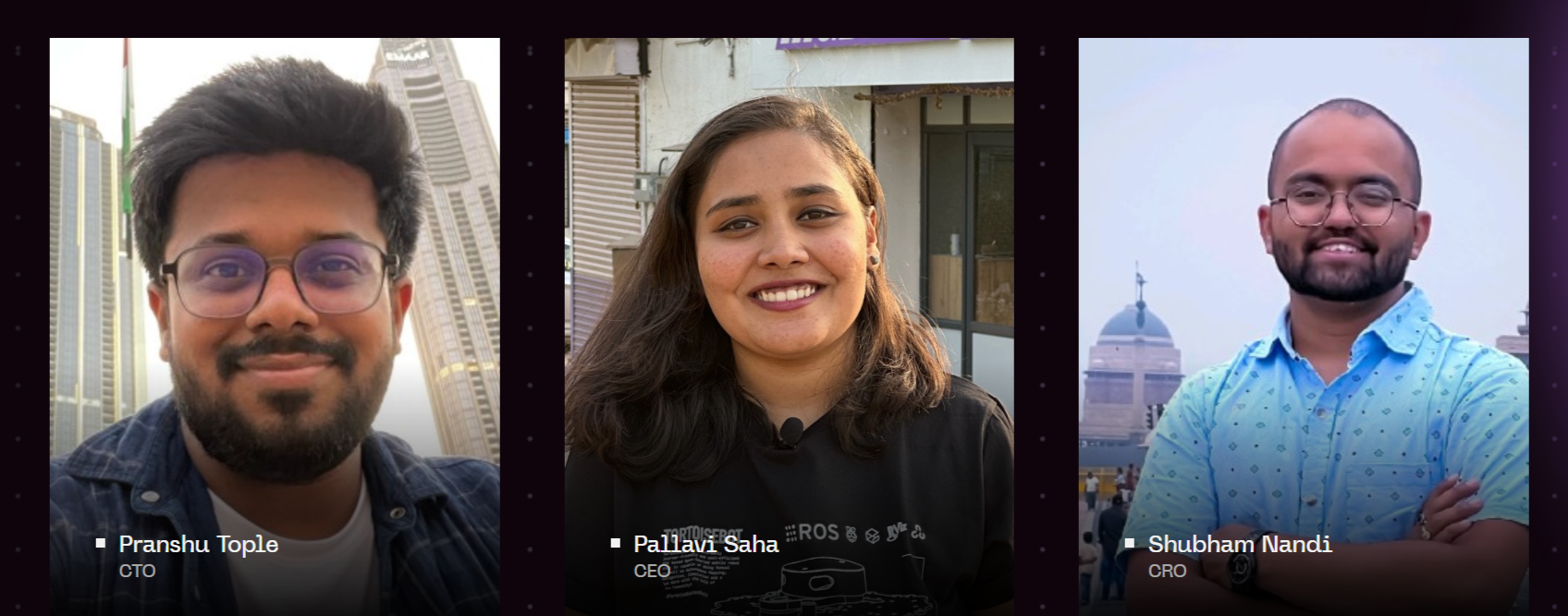
Pallavi Saha, Pranshu Tople and Shubham Nandi (Rigbetel Labs)
The idea that started it all
Not every entrepreneurial journey starts with a business plan.
For Pranshu Tople, it started with a robotics challenge. In 2019, he took part in the hardware edition of the Smart India Hackathon, where the problem statement he worked on sparked an idea he wanted to take further.
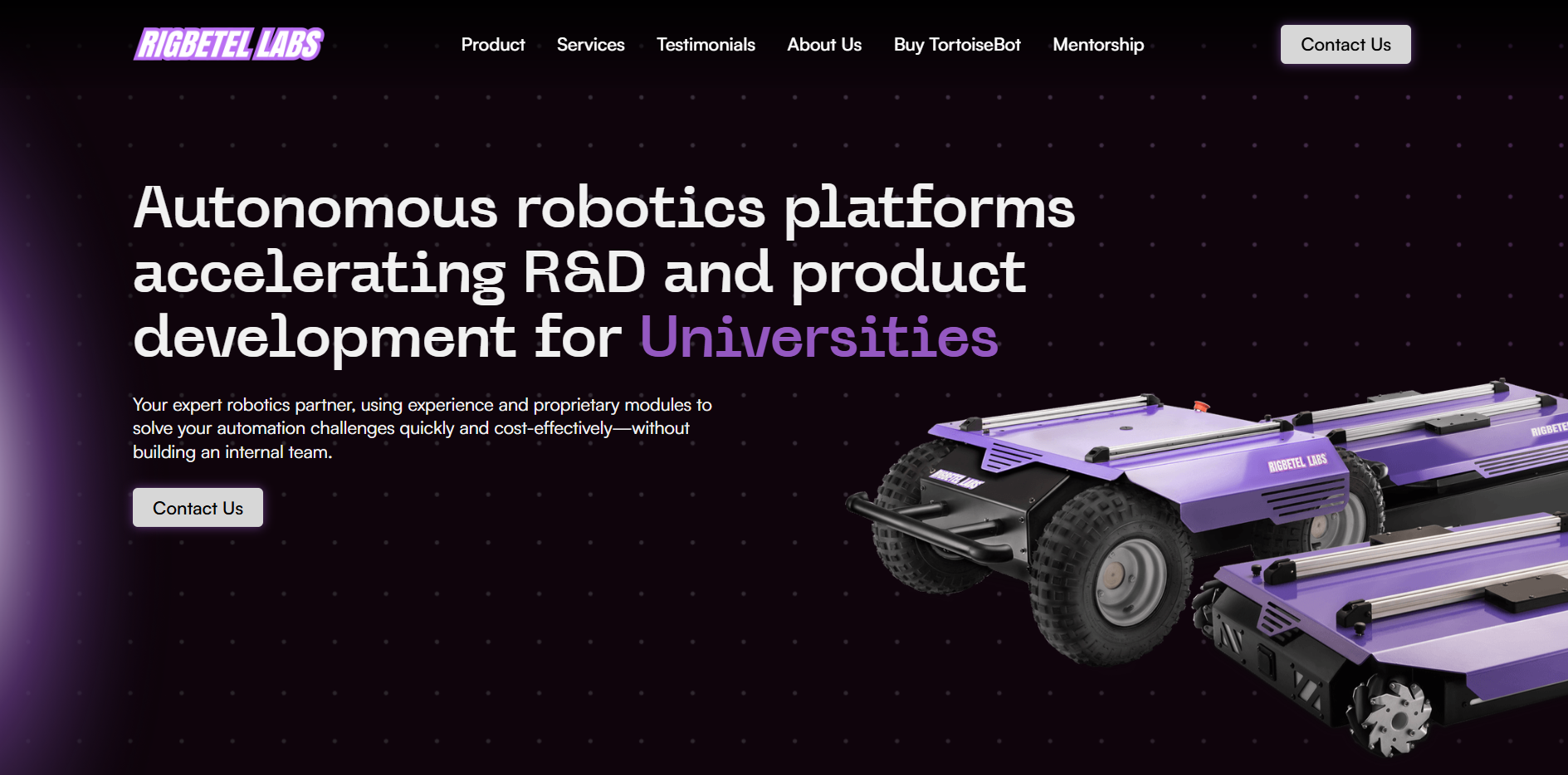
In 2020, Pranshu joined hands with Pallavi Saha and Shubham Nandi to turn that idea into Rigbetel Labs. What began with a robotics challenge grew into a Pune-based company building autonomous robotics platforms, from the ROS-based TortoiseBot to the more advanced Diadem series.
Their Diadem UGV gives a good idea of the kind of technology the team is working on. The video below shows the autonomous ground vehicle in action, including its ability to navigate outdoor and uneven terrain.
Key learnings for you
The trio’s journey shows that a good idea does not always have to start with a huge business plan or a large funding round.
Sometimes, it can begin with a problem you are genuinely interested in solving and grow through continuous experimentation.

Farzin Behram Irani and Prakhar Nandi Srivastava (Aethrone Aerospace)
The idea that started it
Farzin Irani and Prakhar Nandi Srivastava started Aethrone Aerospace in 2015 with a simple but ambitious goal to build indigenous drones that could take on difficult, manpower-heavy defence operations.
Their work now spans surveillance, search and rescue, target drones, and gunnery alignment.
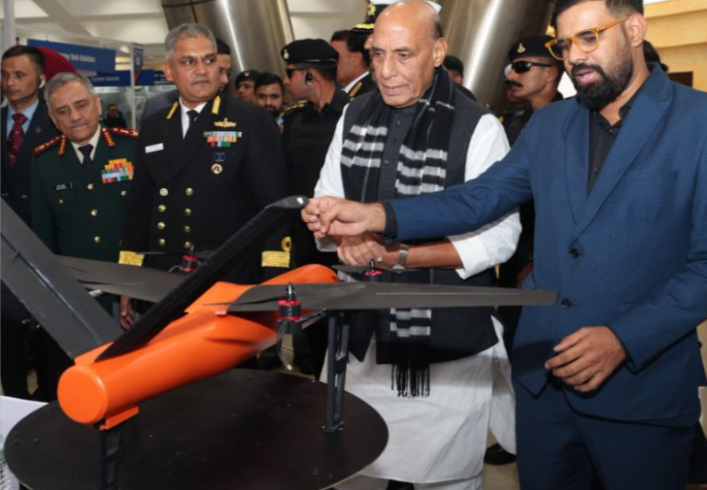
Aethrone’s presence at Swavlamban 2025, where the team showcased its drone technology alongside defence leaders which reflects how far that original idea has come.
Key learnings for you
Building in a high-risk industry means things rarely go exactly as planned.
Farzin’s approach of keeping a Plan B and Plan C shows why adaptability matters, especially when you are working on complex technology.
Aethrone’s journey also shows that solving one difficult problem can open doors to many others. Technology built for defence can also support rescue and disaster-response efforts.
Shalu Mitruka (GrowthPal)
The idea that started it
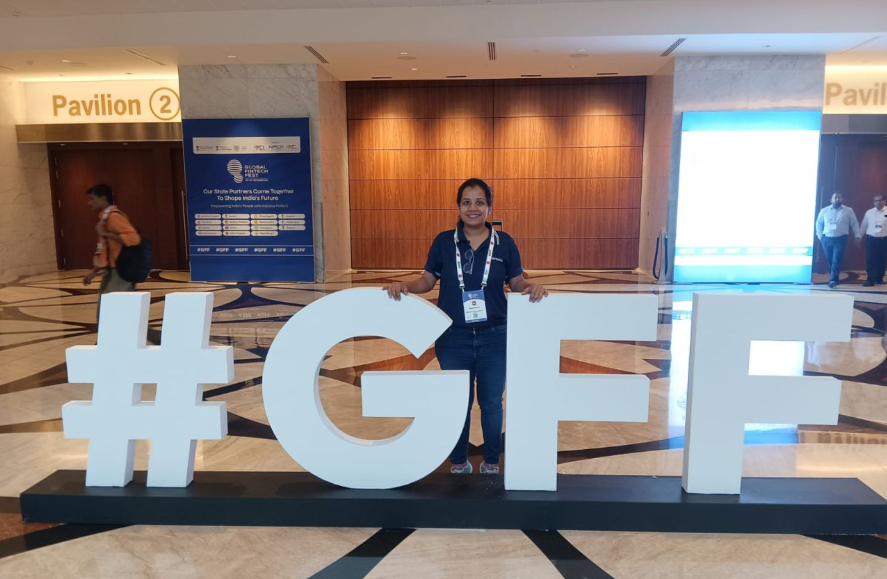
Shalu Mitruka came to entrepreneurship after years across pharma analytics, healthcare consulting, business operations, and startup strategy.
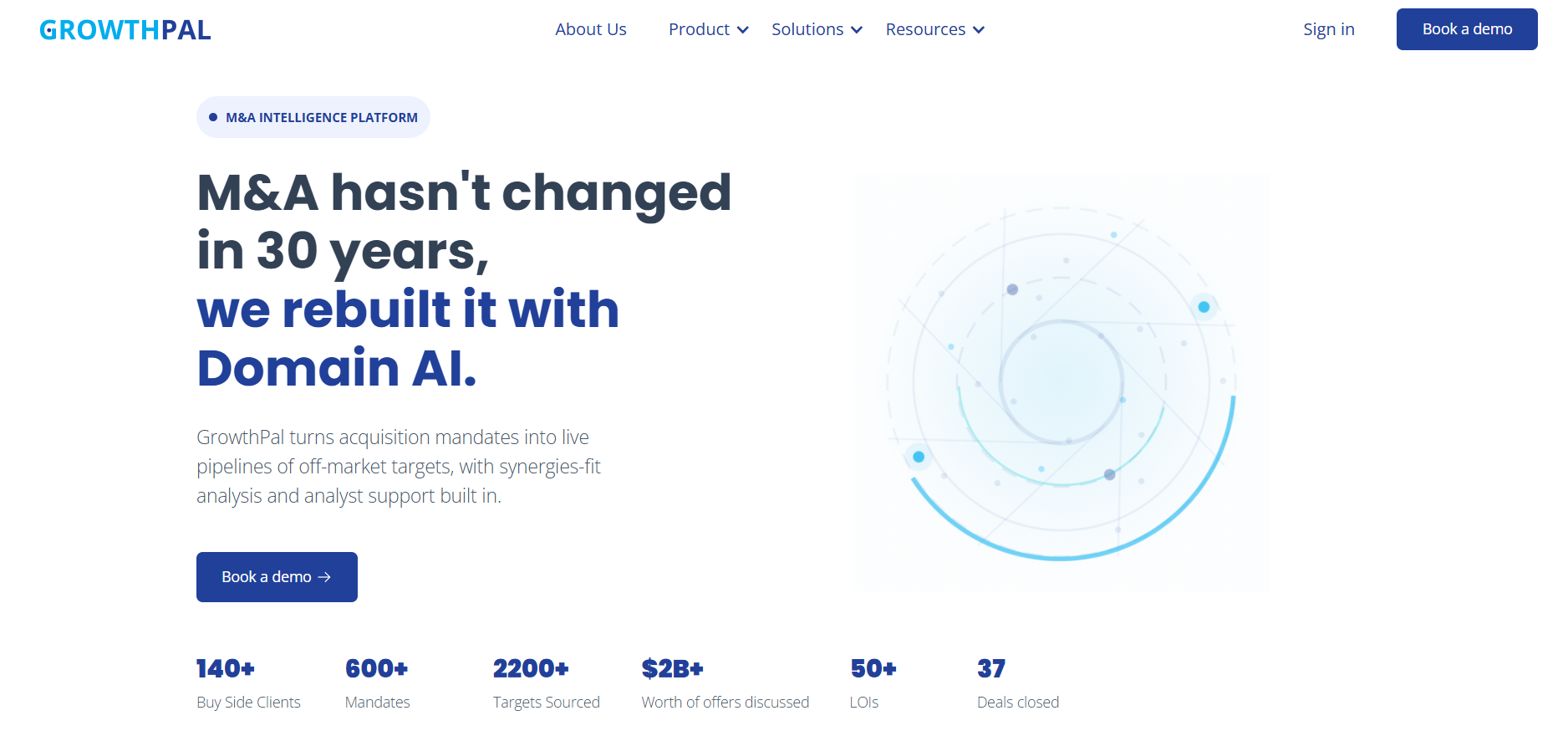
In 2020, she joined Maneesh Bhandari, Yash Gandhi, and Amaresh Shirsat to co-found GrowthPal after spotting a gap in how smaller M&A deals were handled.
Deals that were too small for traditional investment banks were often slow and difficult to find, so GrowthPal set out to make the process faster with an AI and data-driven platform.
Key learnings for you
Shalu’s journey is a good reminder for you that entrepreneurship is not always about having all the answers from day one.
Her experience across different industries helped her recognise a problem and bring those skills into building a solution.
Anirudh Bhuwalka (Blue Energy Motors)
The idea that started it
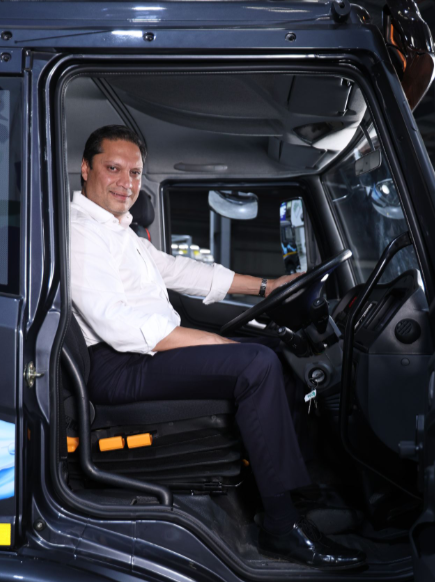
With two decades of experience in commercial mobility, Anirudh Bhuwalka knew the challenges of heavy-duty transport well.
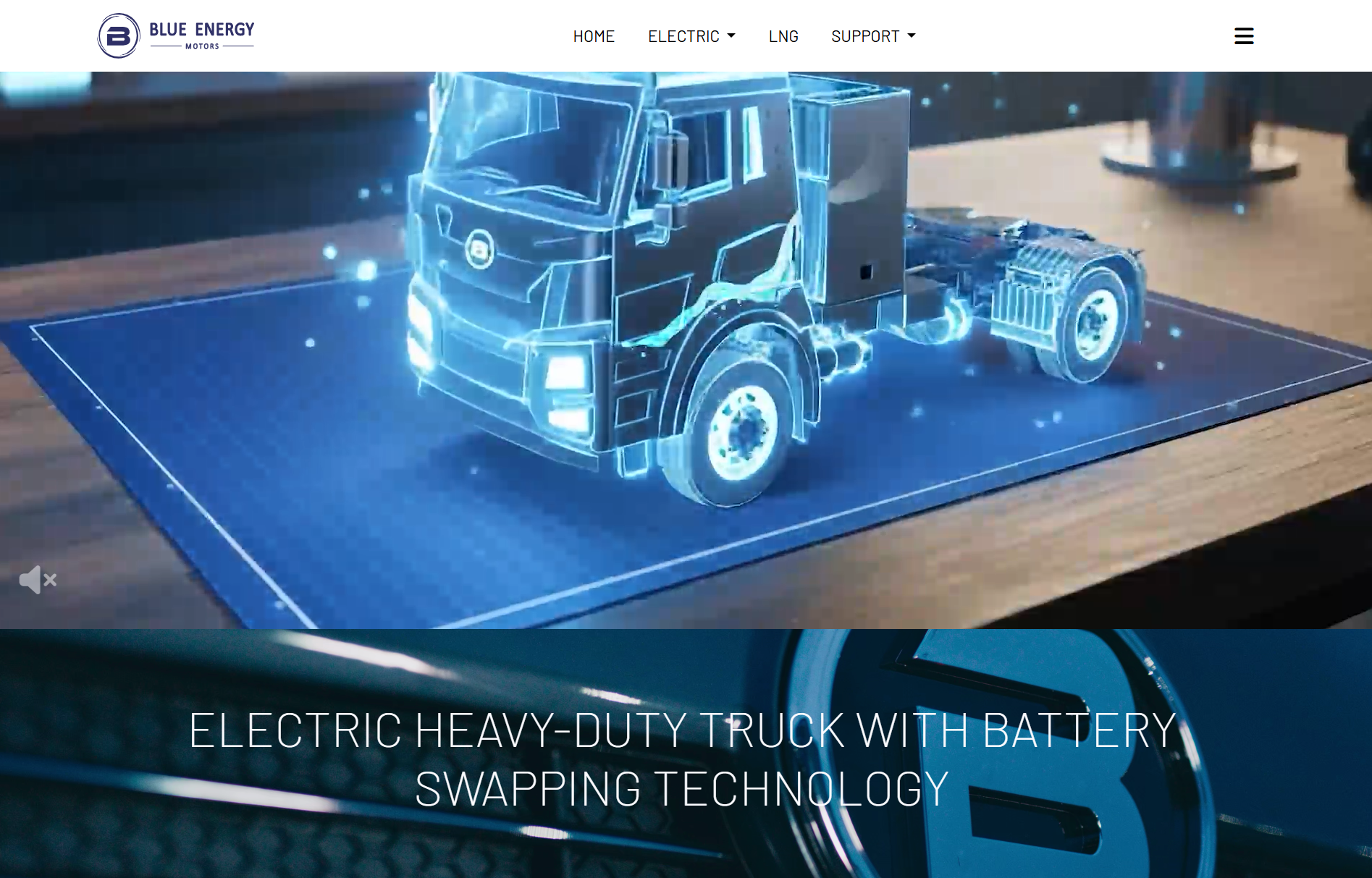
In 2020, he founded Blue Energy Motors in Chakan, Pune, with a clear goal to make heavy trucking cleaner without compromising on range or payload.
The company first focused on LNG-powered trucks, with more than 1,000 already on Indian roads. It later moved into electric heavy-duty with swappable battery technology, addressing one of the biggest challenges in electric freight, long charging times.
That journey reached an important milestone when Anirudh launched Blue Energy Motors’ Made in India heavy-duty truck in 2025.
The launch also marked the development of an electric highway corridor connecting Mumbai and Pune.
Key learnings for you
Anirudh’s journey shows what can happen when you build around a problem you already understand.
His experience in commercial mobility helped him spot where the industry needed to change and turn that insight into a business.
Chetan Walunj, Aditi Bhosale Walunj, Aparajit Subramanian (Repos Energy)

The idea that started it
Sometimes a business idea comes from the most unexpected place.
For Aditi Bhosale Walunj and Chetan Walunj, it happened during a Pune Blackout in 2015. With heavy rains disrupting the city and their fuel business becoming difficult to manage, a simple Amazon delivery sparked a question.
What if fuel could be delivered just as easily?
Chetan had already seen the problem firsthand through his family’s remote petrol pump business.
Along with Aditi and co-founder Aparajit Subramanian, they turned that idea into Repos Energy in 2017, an app-based fuel delivery service that brings fuel to businesses instead of making them go looking for it.
The idea is summed up perfectly by the company’s vision of becoming the “Amazon of fuel delivery”.
What started with doorstep fuel delivery has since grown into a broader energy distribution business, with the company also exploring cleaner alternatives such as ethanol, methanol and biofuels.
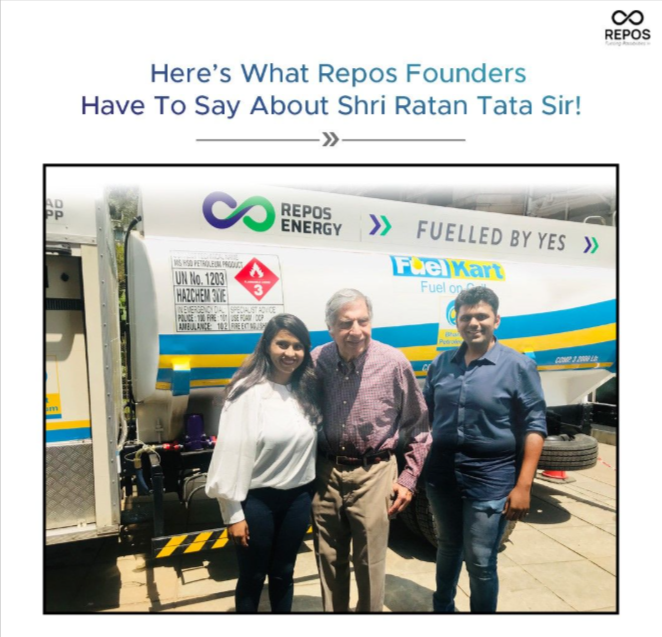
As Repos Energy grew, the founders also attracted support from people who believed in their idea.
Ratan Tata’s association with the company became a memorable milestone in their journey, adding another layer to the story of how a simple idea for fuel delivery grew into a much larger business.
Key learnings for you
The Repos Energy story is a great reminder that some of the best business ideas come from everyday frustrations.
You do not always need to look for a completely new problem, sometimes improving something people already struggle with can be enough to build something meaningful.
Kunal Gupta (EMotorad)
The idea that started it
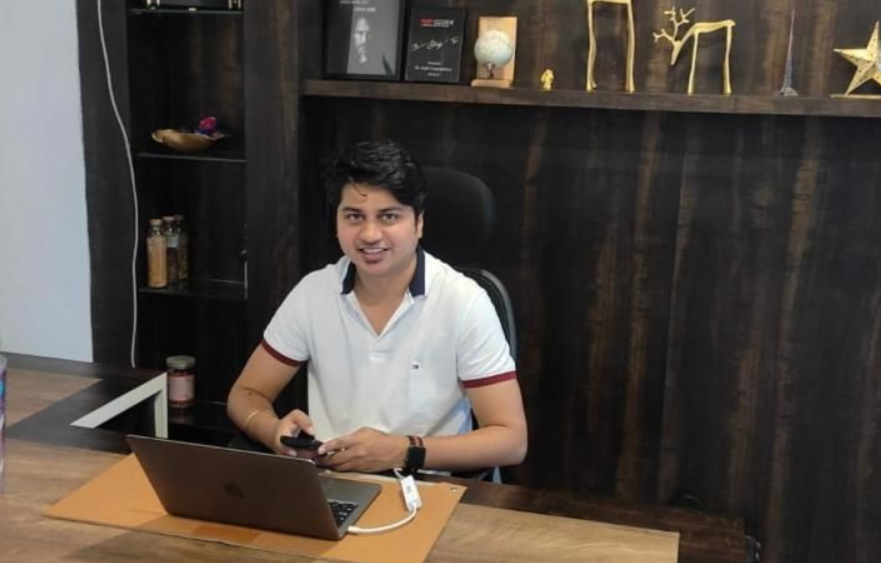
Kunal Gupta was already familiar with the mobility business before. He had built and exited MyRide, later co-founded OnBike, and saw firsthand how transportation can shape people’s everyday lives.
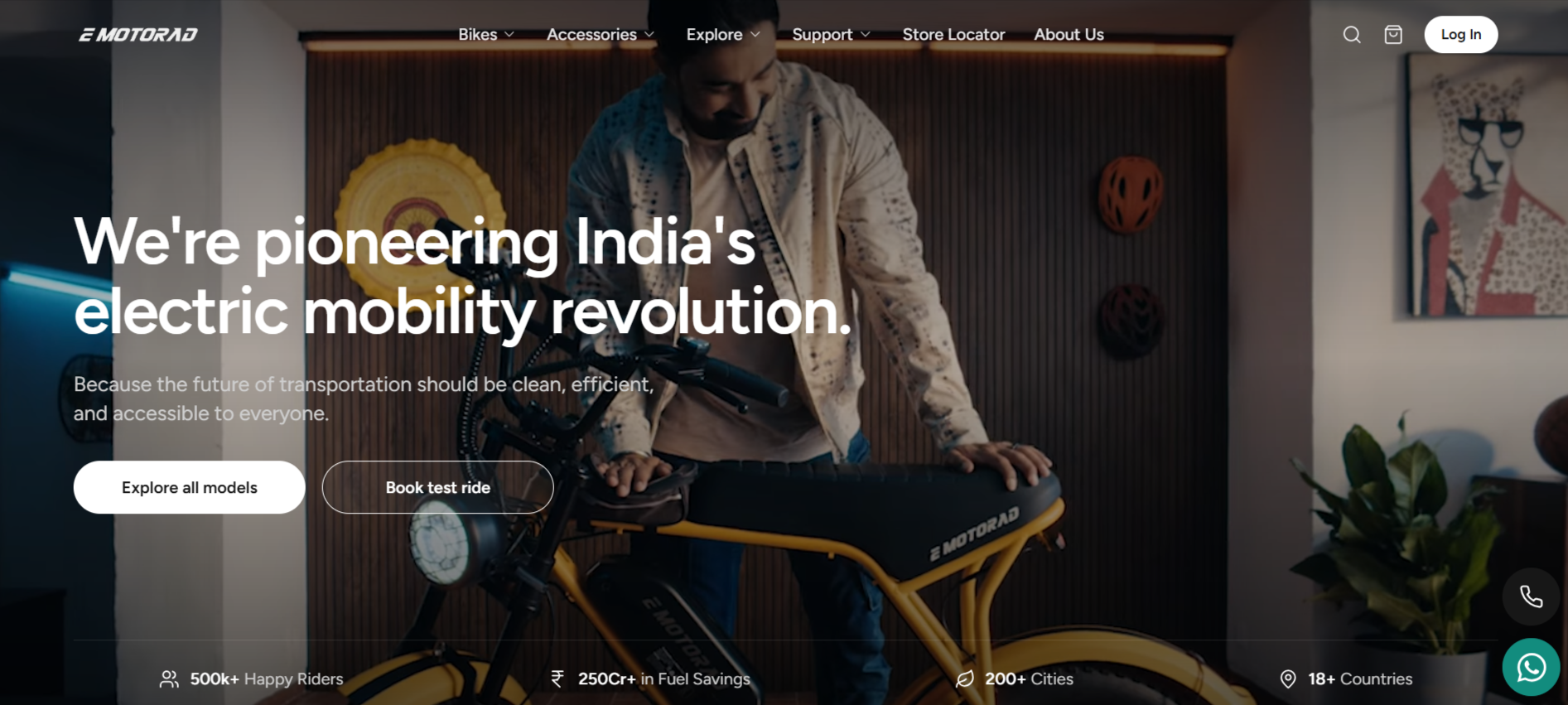
In 2020, he joined Rajib Gangopadhay, Aditya Oza, and Sumedh Battewar to start EMotorad in Pune.
The idea took an unexpected turn when a shipment of high-end e-bikes meant for the UK got stuck during the pandemic. Instead of letting the opportunity go, the team started selling the bikes in India.
That quick pivot eventually grew into a global e-mobility brand, now exporting to more than 18 countries.
As EMotorad grew, the brand also found creative ways to make e-cycling more familiar to Indian audiences,
Its “Bole Jo Koyal” campaign, featuring MS Dhoni riding an EMotorad e-cycle, became one of its widely viewed brand videos and helped bring e-cycles into a much more mainstream conversation.
Key learnings for you
Kunal’s journey is a great learning that your previous experiences can become your biggest advantage when you start something new.
It also shows why staying open to change matters. EMotorad did not begin exactly as planned, but the founders recognised an unexpected opportunity and acted on it.
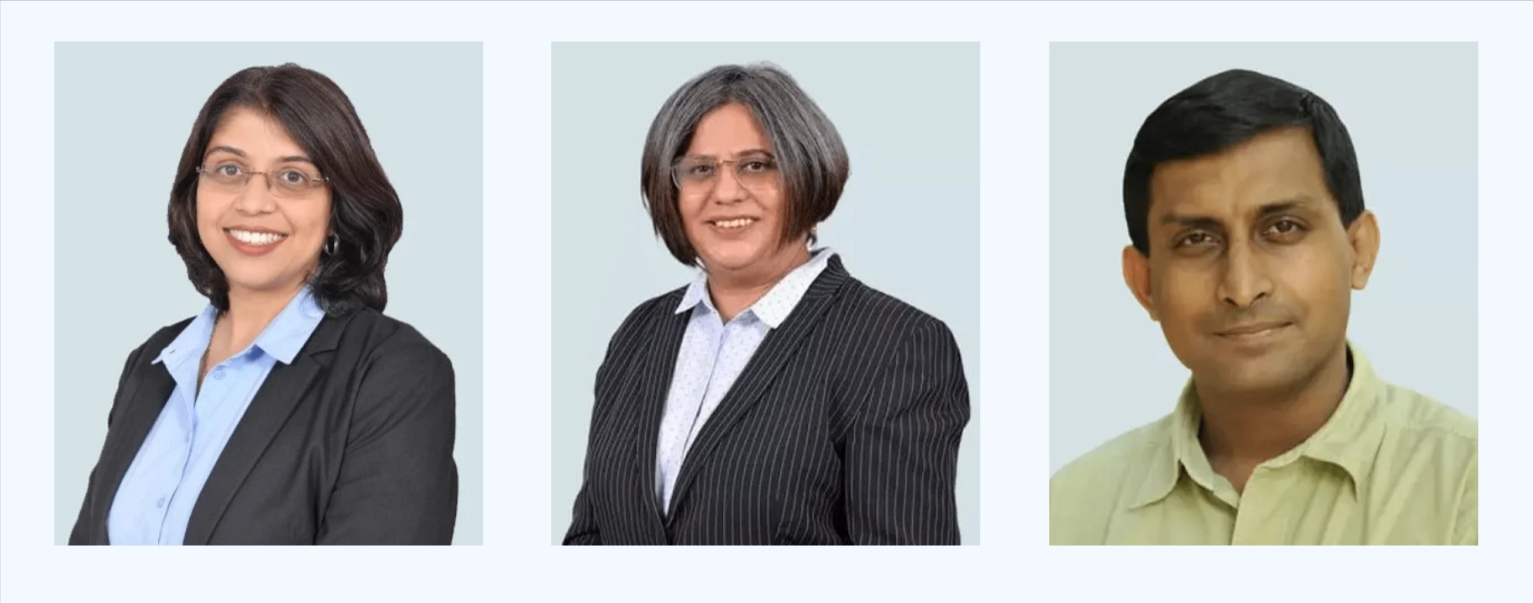
Dr Anuya Nisal, Dr Swati Shukla and Dr Premnath Venugopalan (Serigen Mediproducts)
The idea that started it
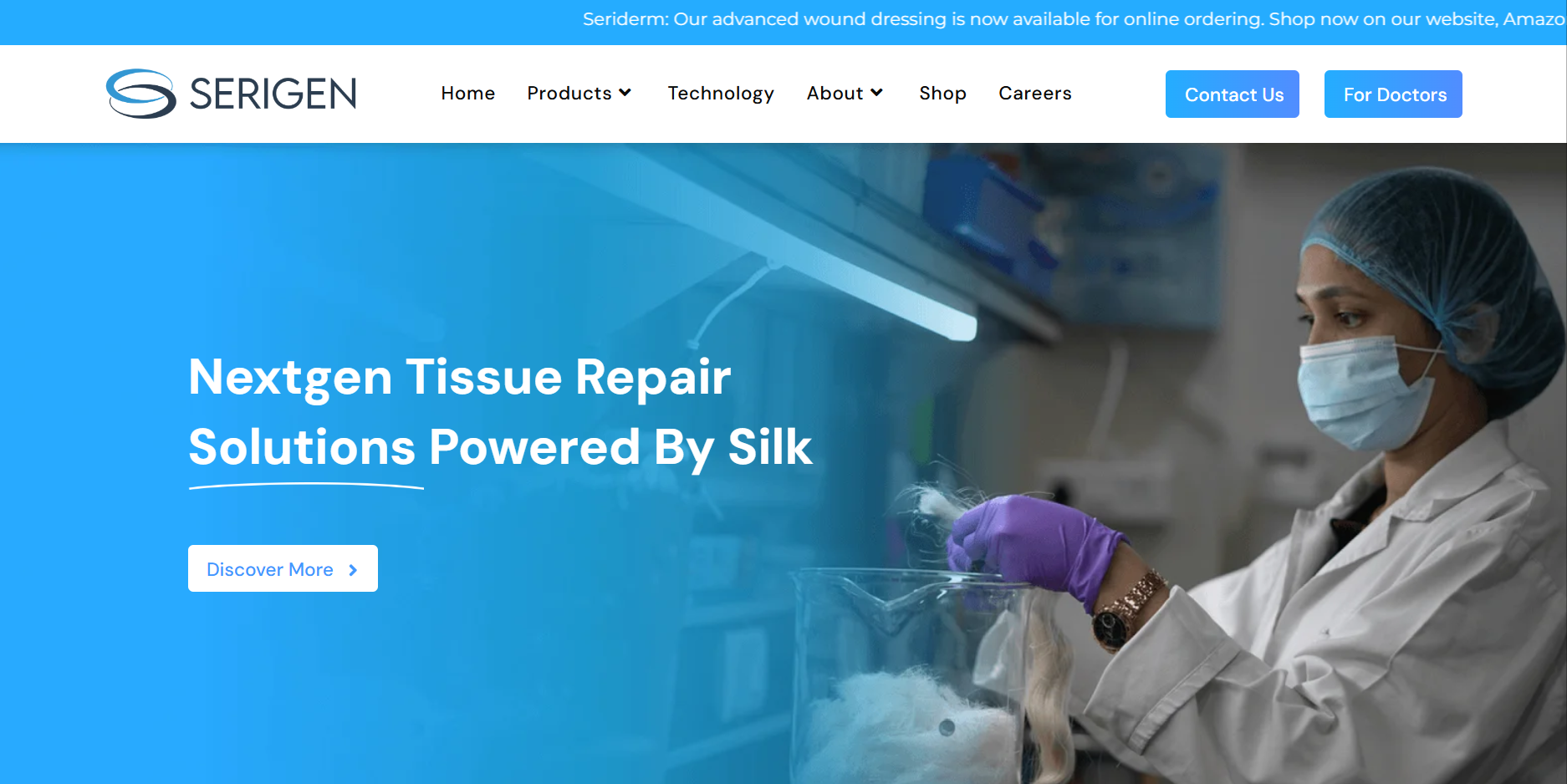
Serigen Mediproducts did not begin with a business plan.
It started with research at Pune’s CSIR-National Chemical Laboratory, where Dr Anuya Nisal spent years exploring how silk protein could be transformed into materials that help repair bone and soft tissue.
In 2015, she joined Dr Swati Shukla and Dr Premnath Venugopalan to turn that research into a company. The idea was simple but quite overlooked.
India produces a huge amount of silk, so why not use its biomedical potential to create better healthcare products?
Key learnings for you
Serigen’s journey shows how research can become a meaningful business when you find a practical problem to solve.
The team took something India has produced for generations and looked at it from a completely different perspective.
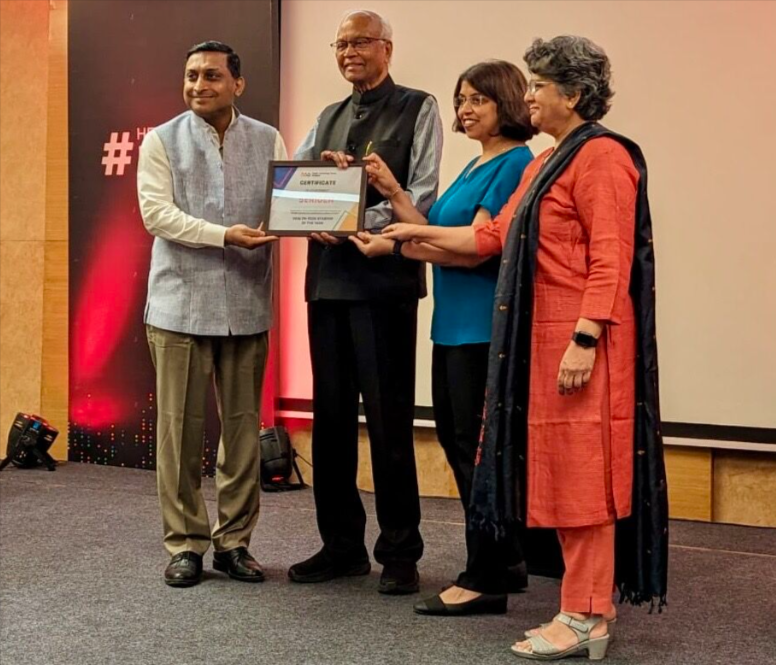
That work has also brought recognition beyond the lab. Serigen was named Healthtech Startup of the Year at the HTG Pune Summit 2024, giving the founders another milestone to build on as they take their healthcare solution to a wider market.
Suman Hiremath (Olee Space)
The idea that started it
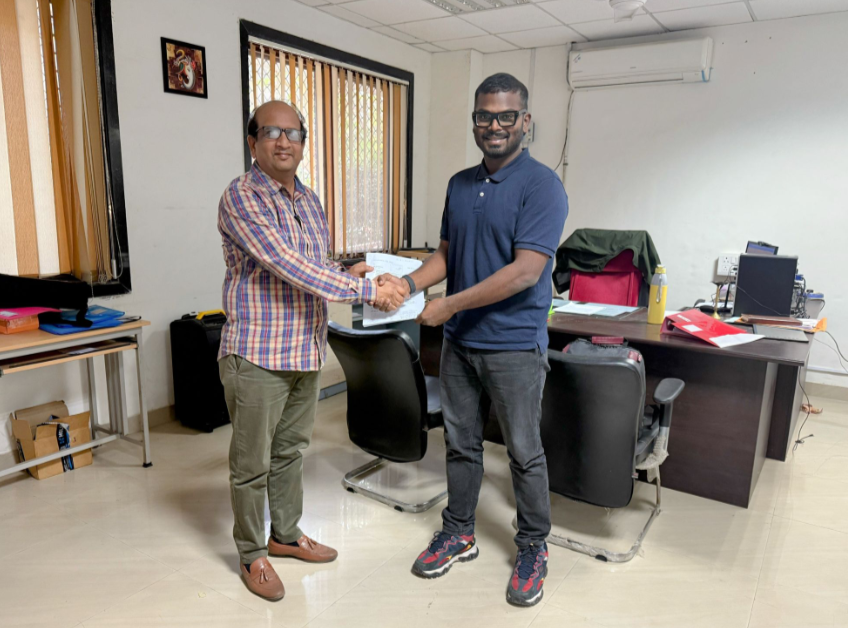
Suman Hiremath, an engineer who previously worked with the Broadband India Forum, co-founded Olee Space in Pune in 2023 with James Solomon, an IIT Bombay materials science graduate.
Together, they are working in a highly specialised space where photonics, communication, and national security come together.
Olee Space develops a Free-Space Optical Communication system that uses infrared lasers to transmit data across land, air, sea and space.
The company is also building quantum-encrypted networks and directed-energy systems for defence applications, including anti-drone and anti-satellite technologies.
That work has now moved beyond the development stage. Olee Space has delivered an indigenous Directed Energy Weapon system, and its latest work showcases how the company is turning laser technology into a practical defence system rather than keeping it limited to prototypes and demonstrations.
Key learnings for you
Olee Space’s journey shows that you do not always need to enter a crowded market to build something meaningful.
The founders chose a highly specialised field and focused on problems where advanced technology could make a real difference.
Prateek Srivastava (DroneAcharya Aerial Innovations)
The idea that started it
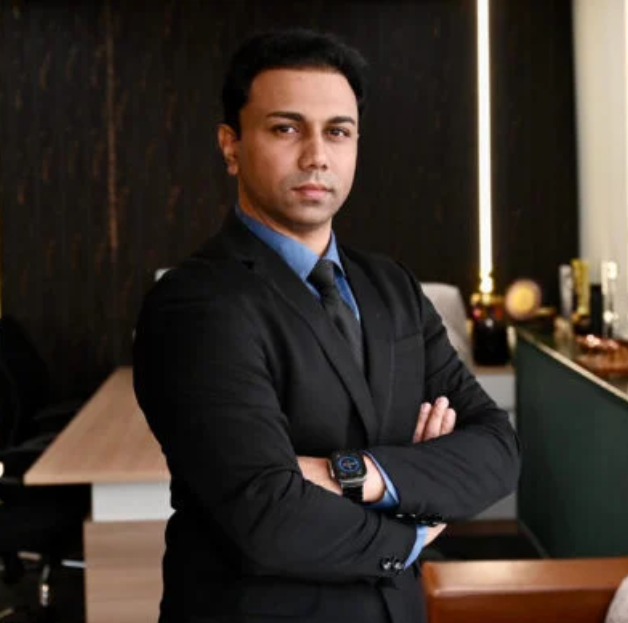
Prateek Srivastava came into entrepreneurship with years of experience in remote sensing and geospatial technology, including work with ISRO, Genesys International, and PrecisionHawk.
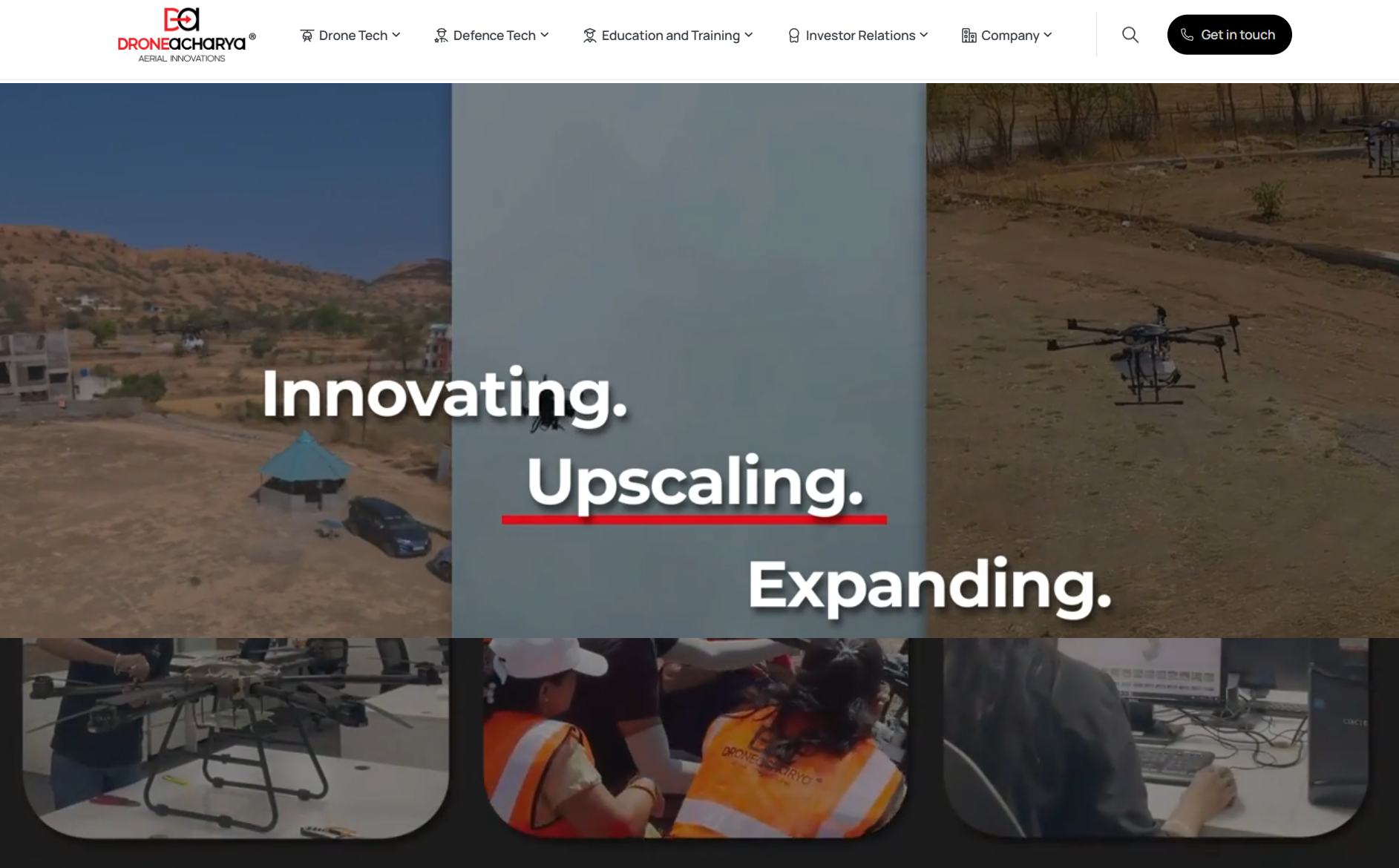
He founded DronaAcharya Aerial Innovations in 2017, initially focusing on drone training before major projects in 2020 brought the team to Pune.
From there, the company grew into a broader drone ecosystem, covering DGCA-certified pilot training, aerial mapping, GIS data processing, and indigenous drone manufacturing.
Its work now spans agriculture, mining, oil and gas, and defence. The company’s drone expertise has also been put to work at major public events, including G20 Prasar Doot coverage at Savitribai Phule Pune University, showing how aerial technology can support large-scale event coverage.
Key learnings for you
Prateek’s journey shows how your existing expertise can become the starting point for a much bigger opportunity.
The company’s journey also shows the value of thinking beyond one product. From training pilots to developing platforms like BHUJANG and taking on real-world aerial projects, DroneAcharaya has gradually built capabilities across the drone system.
ZeroAdo: After the Idea, Here’s Where We Come In
Getting funding is a big milestone, but what happens next matters just as much.
As your business grows, you need a digital presence that helps people find you, understand what you offer, and feel confident choosing you.
That’s where ZeroAdo comes in.
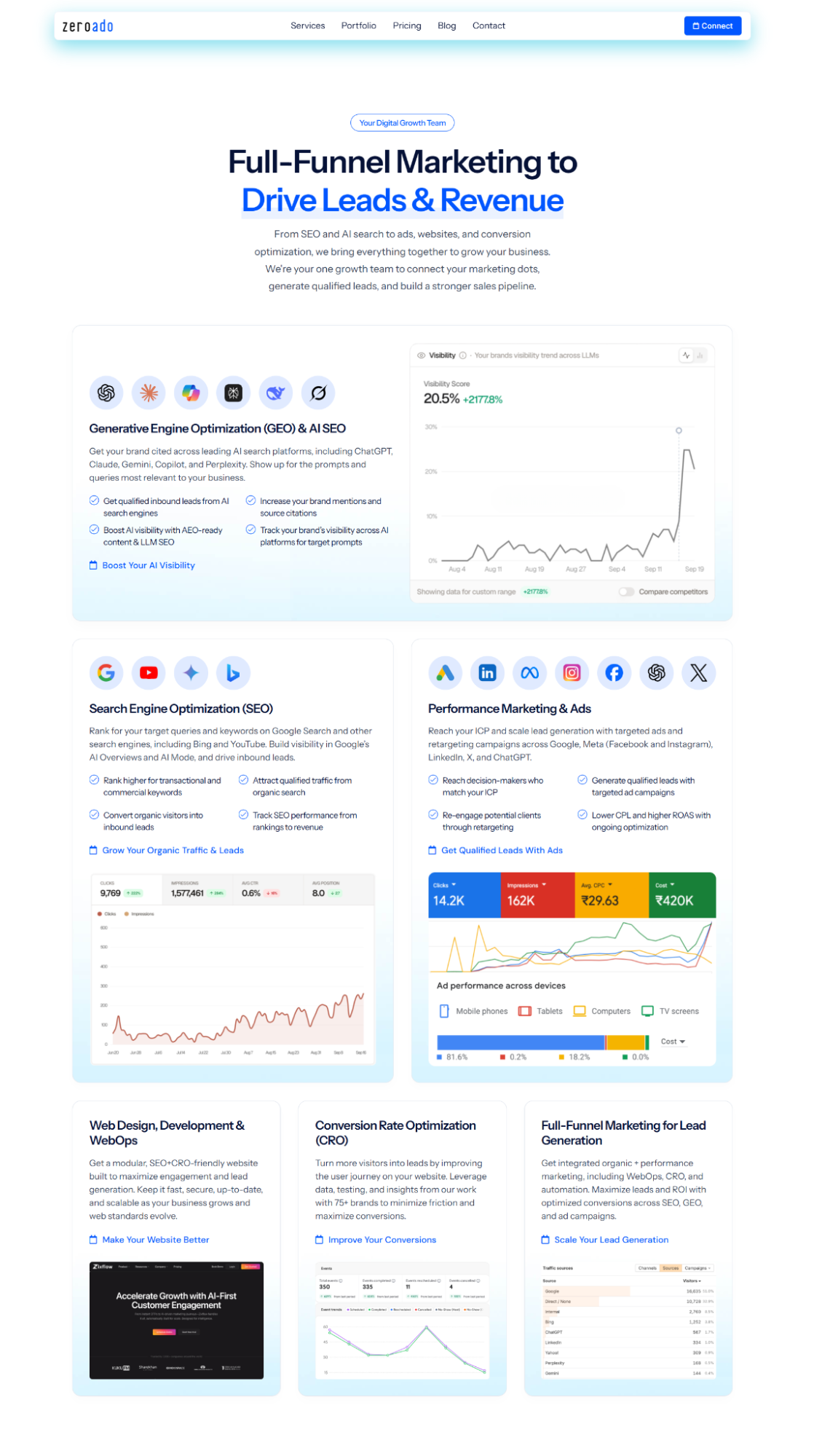
We help your startup get found, get noticed and get chosen. We make sure your business shows up when people search on Google or ask AI tools like ChatGPT for recommendations. We run ads that bring the right people to you, and we build websites that turn those visitors into buyers.
From improving how your business appears in search to reaching the right buyers through paid campaigns, we focus on turning your growing visibility into meaningful business opportunities.
Whether you are entering a new market, launching a product, or looking to build a stronger pipeline, our strategies are designed around where your business is today and where you want it to go next.
If you’re building a business in Pune and looking to turn your growing visibility into real customer opportunities, book a free discovery call with ZeroAdo to discuss your growth goals.
FAQs about entrepreneurs in Pune
There’s no single name you can call the most successful entrepreneur in Pune. It really depends on what you value is it revenue, innovation, or impact. If you’re looking for different examples, Kunal Gupta, Prateek Srivastava, Anirudh Bhuwalka, and Aditi Bhosale Walunj each show you a different side of entrepreneurship.
If deep-tech interests you, Pune has some founders worth watching. Pranshu Tople and Shubham Nandi are building robotics at RigBetel Labs, while Suman Hiremath works on photonics and lasers at Olee Space. Anuya Nisal and Swati Shukla are using biomaterials research to build healthcare solutions through Serigen Mediproducts.
If you’re curious about Pune businesses reaching global markets, there are many examples. Kunal Gupta’s EMotorad exports electric bicycles to several countries, while Shalu Mitruka’s GrowthPal has worked across markets such as the United States and the United Kingdom. Their stories show how your business can grow beyond Pune.
If you want to see women making their mark in Pune’s startup scene, look at founders such as Dr Anuya Nisal, Dr Swati Shukla, and Shalu Mitruka. Their businesses span healthcare and dealmaking, showing you that women founders are building companies in specialised fields and solving problems beyond traditional sectors.
If electric mobility interests you, look at Kunal Gupta of EMotorad and Anirudh Bhuwalka of Blue Energy Motors. Their businesses solve different transportation needs: electric bicycles on one side and heavy-duty trucks on the other. Their journeys give you a glimpse of how Pune founders are approaching cleaner mobility.
Some of the most interesting business ideas started with everyday problems. Repos Energy came from a Pune blackout, while EMotorad took shape after e-bikes became available during the pandemic. RigBetel Labs grew from a robotics challenge. If you’re building something, these stories show how problems can spark ideas.
No, technology is only one part of Pune’s entrepreneurial story. If you look around, you’ll find businesses in defence, healthcare, mobility, drones, energy, robotics, photonics, and fintech. Pune’s engineering talent and established industries give founders plenty of opportunities to solve practical problems across different sectors.
If defence and aerospace interest you, Pune has several founders worth following. Farzin Irani and Prakhar Nandi Srivastava are building at Aethrone Aerospace, while Suman Hiremath and Prateek Srivastava work on photonics, aerial technology, and drones through Olee Space and DroneAcharya. Their work reflects Pune’s growing defence-tech ecosystem.
What makes these founders interesting is that your path doesn’t have to look like theirs. Some started with research, others with industry experience, unexpected problems, or technical projects. If you’re thinking about entrepreneurship in Pune, their journeys can show you how different experiences can lead to meaningful businesses.
If you’re planning to start something in Pune, don’t worry about copying someone else’s business model. Look at how these founders spotted problems, used what they already knew, adapted when things changed, and built credibility over time. Your biggest takeaway can be how you approach problems and keep moving forward.
