
Remember the last time you refreshed your phone and saw a food delivery notification?
Or booked a cab with just one tap?
Or finally invested in the stock market without paying crazy brokerage fees?
Someone in Bangalore imagined that before it became normal for the rest of us.
Someone said, “What if this could work differently?”
And that someone probably wasn’t born with a silver spoon. They were likely sitting in a tiny room, a shared desk, or one of those work friendly cafes Bangalore is known for, with one laptop and one idea nobody believed in yet.
That’s Bangalore for you.
It’s not just a city. It’s the city that has given birth to some of the most game-changing ideas and startups in Bangalore, emerging from its top business hubs where ordinary people end up building extraordinary things.
Where a college dropout builds a ₹33,000 crore company. Where a woman starting out in a garage becomes a billionaire. Where two brothers annoyed with high trading fees change how more than 1.5 crore Indians invest.
This city doesn’t produce followers. It produces founders who ask tough questions and then build the answers.
If you’re scaling a B2B startup here, explore our list of B2B marketing agencies in Bangalore for growth tactics.
From fintech to edtech, electric vehicles to biotech, food delivery to real estate, and even fast-scaling SaaS companies, Bangalore’s entrepreneurs aren’t just creating companies. They’re shaping entire industries.
And the best part is their journeys aren’t glamorous movie scripts. They’re real. Messy. Full of failures. Backed only by relentless vision and the courage to keep going even when the world doubted them.
So grab a coffee or chai because today we’re celebrating 9 inspiring entrepreneurs from Bangalore who turned their “What if?” into “Yes, we actually did it.”
These aren’t just startup founders. These are the famous entrepreneurs from Bangalore changing how India thinks, eats, learns, pays, moves, and builds.
9 top entrepreneurs in Bangalore who’ll inspire your next big move
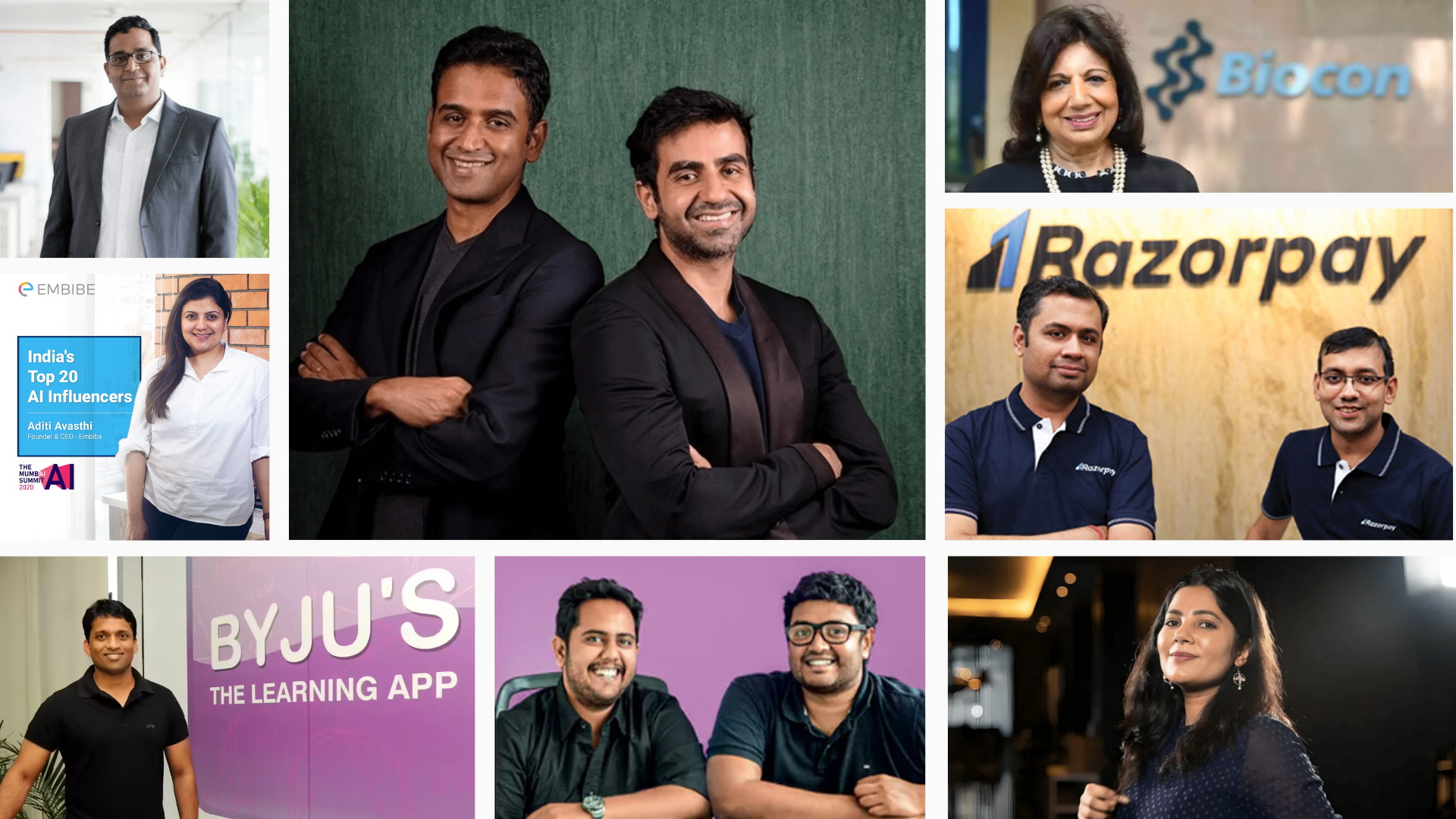
Before we dive in, remember one thing. Every entrepreneur on this list has faced rejection, failure, and plenty of moments filled with doubt.
The difference? They didn’t stop.
They kept building. They kept showing up. They kept believing in their idea even when nobody else did.
And that’s exactly why they’re legends today.
For founders focused on early traction, our piece on lead generation agencies in Bangalore offers practical channels to try.
Sriharsha Majety and Nandan Reddy – Swiggy
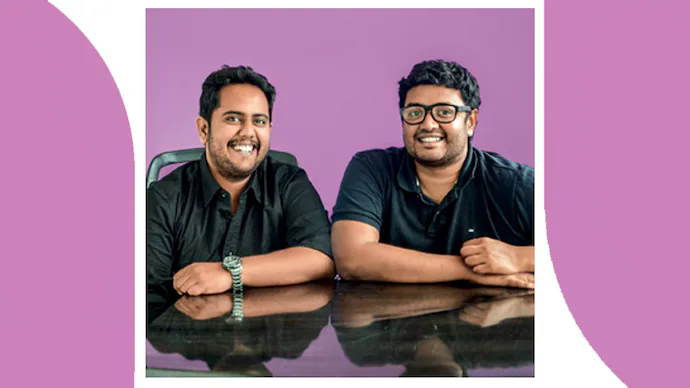
Ever thought why food delivery feels so easy today?
Two guys had the same doubt.
Sriharsha Majety and Nandan Reddy are among the most successful entrepreneurs in Bangalore who were not happy with how logistics worked in India. So in 2014, they started Swiggy.
The story
Sriharsha is a BITS Pilani engineer with an MBA from IIM Calcutta. Smart guy. Super driven.
Nandan had the same mindset with strong tech skills and a sharp business mind.
Before Swiggy, they were running Bundl, a courier platform. But they saw a bigger gap. Food delivery in India was messy and slow.
They teamed up with Rahul Jaimini from Myntra, set up in Bangalore, and focused on one goal. Make food ordering smooth.
What happened next
Swiggy did not remain just an app. It became the way people eat in Bangalore and now in more than 500 cities.
They added cloud kitchens, Swiggy Genie for courier work, and Instamart for fast grocery delivery. In 2024, Sriharsha took Swiggy public at ₹412 per share. Today it is a multi billion dollar company.
Millions of orders run through Swiggy every month. It is not just a brand anymore. It is part of daily life.
The lesson
Find a real problem. Fix it well. Then fix everything around it. When your execution is strong, people cannot imagine life without your product. That is how you scale.
Kiran Mazumdar Shaw – Biocon
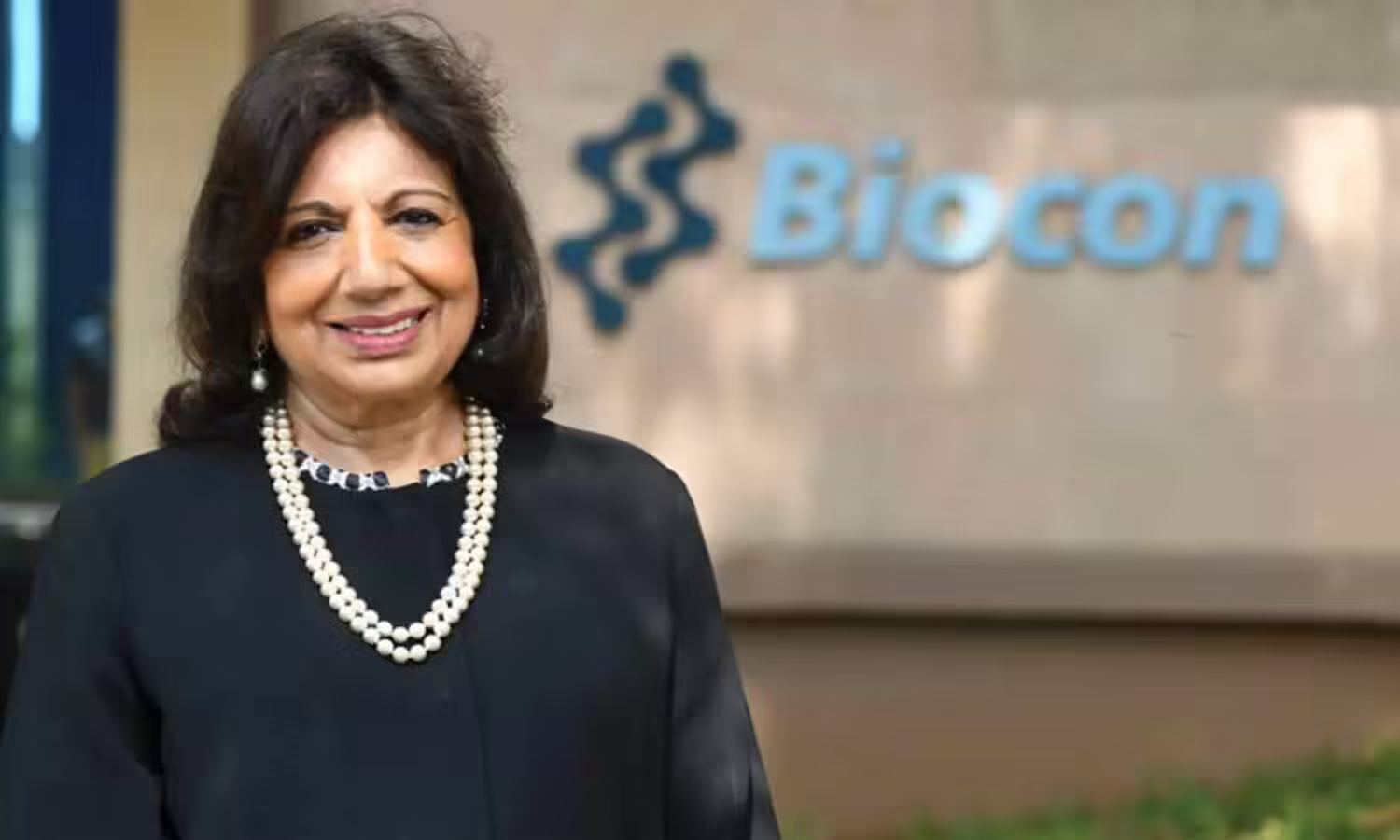
Let me tell you about someone who literally started with ₹10,000 in a garage.
Kiran Mazumdar Shaw is one of the most famous women entrepreneurs in Bangalore who broke every barrier that came her way.
She was born and raised in Bangalore. She studied brewing in Australia, came back to India, and got rejected everywhere.
People told her that brewing is a man’s job.
She simply ignored them.

The story
In 1978, when she was just 25, Kiran started Biocon in a small rented garage in Bangalore with ₹10,000 from her savings.
No investors. No support. No safety net. Only a strong desire to build something meaningful.
She began with industrial enzymes and started exporting to the US and Europe. Within one year, Biocon became profitable. She bought an 8 hectare property. And by 1989, Biocon became the first Indian biotech company to receive US funding for its own technologies.
Suddenly all the people who doubted her started asking for meetings.
What happened
Today, Biocon is one of the top biotech companies in the world. They make insulin, create cancer and diabetes medicines, and help patients in more than 40 countries.
Kiran is a billionaire, a Padma Bhushan awardee, and she still works with the same energy she had at 25.
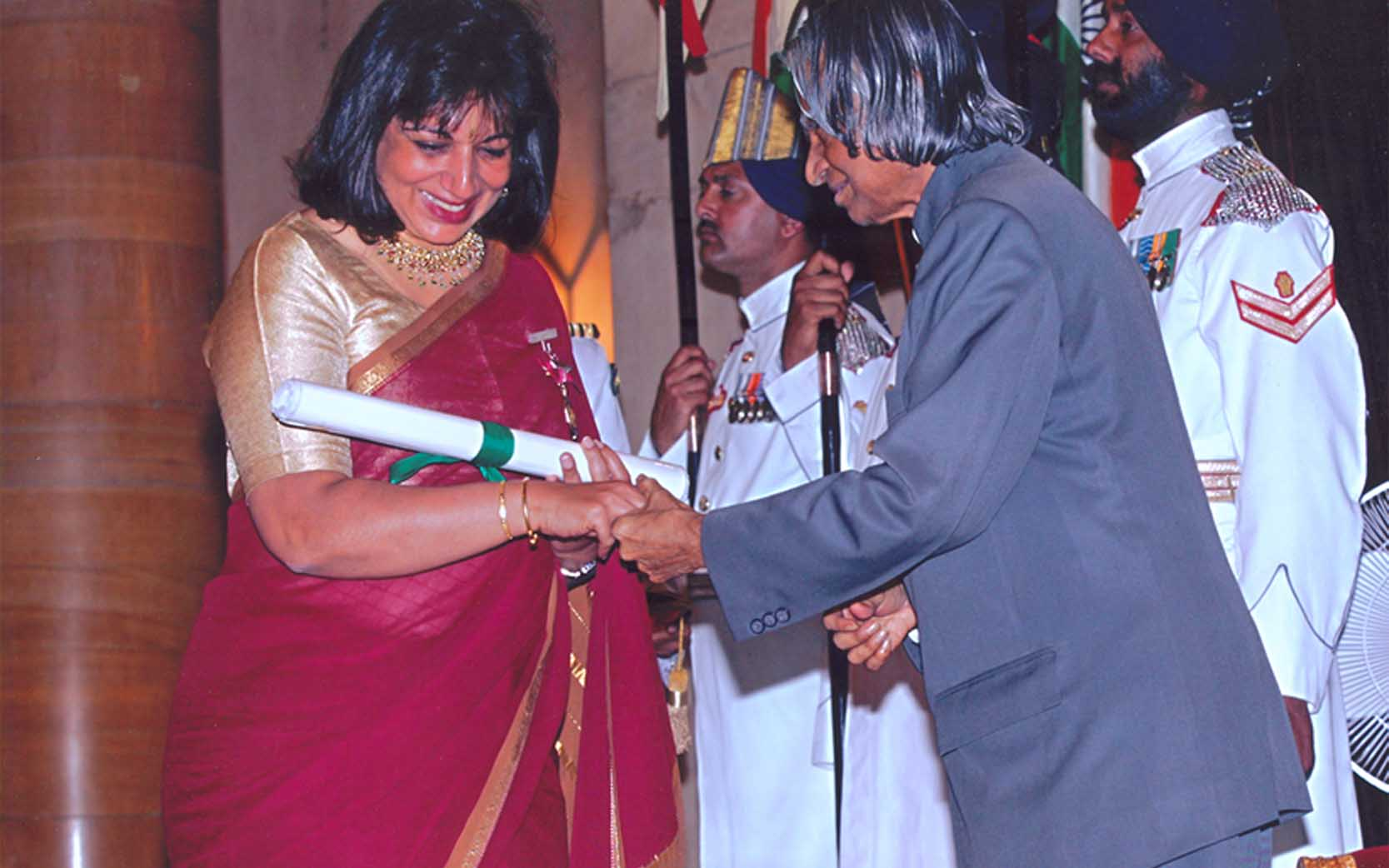
She did not just build a company. She showed that India can lead in biotech. She showed that a woman can succeed in a space people said she did not belong in. She showed that starting small does not mean thinking small.
The lesson
Your background does not decide your future. Your determination does. Start small. Build trust. Grow with confidence. And when people doubt you, use it as fuel.
Byju Raveendran – BYJU’S
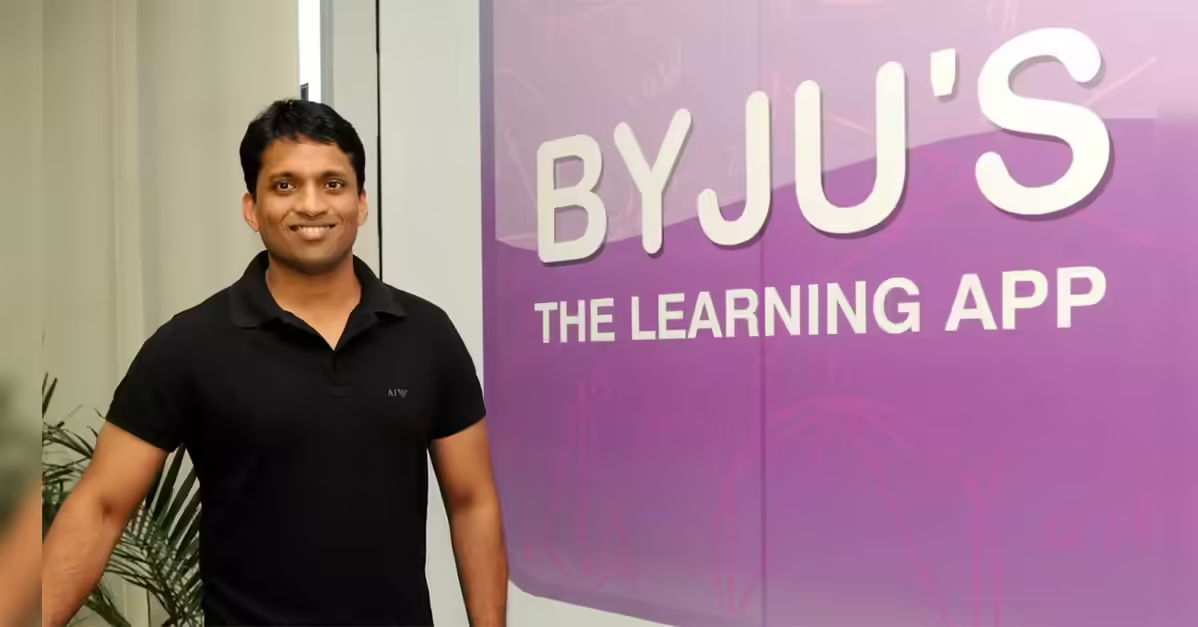
Byju Raveendran is among the most successful entrepreneurs from Bangalore, turning simple exam coaching into a global edtech brand.
He started as a teacher and ended up creating a billion dollar company.
The story
Byju was always a natural teacher. He started coaching students for competitive exams. He grew from small batches to stadium sized classes. But he still felt something was missing.
Students were struggling.
Rote learning was not helping. Memorizing formulas did not stick. Most kids forgot everything right after the exam.
So in 2011, he and his wife Divya Gokulnath launched BYJU’S. An app created to make learning fun and engaging.
The app changed everything with stories, visuals, and interactive lessons that helped students understand concepts instead of memorizing them. A student watching math lectures on BYJU’S does not feel like they are studying. It feels more like discovering something new.
What happened
BYJU’S grew super fast.
The app crossed 150 million downloads. Students across India started using it. Parents noticed their kids actually enjoying learning. Schools also began using the content.
Investors loved the vision. At its peak in 2022, BYJU’S reached a valuation of 22 billion dollars, driven by aggressive execution across product and distribution.
Today, founders studying stories like BYJU’S often look to the best go to market agencies to understand how scale, positioning, and distribution decisions shape long-term outcomes.
Yes, its current situation is not what it once was, but the company is still working hard to find its way back.
The lesson
Education needs fresh ideas, not another digital textbook. When you make learning enjoyable, you do more than teach. You shape how an entire generation thinks and learns.
Tarun Mehta and Swapnil Jain – Ather Energy
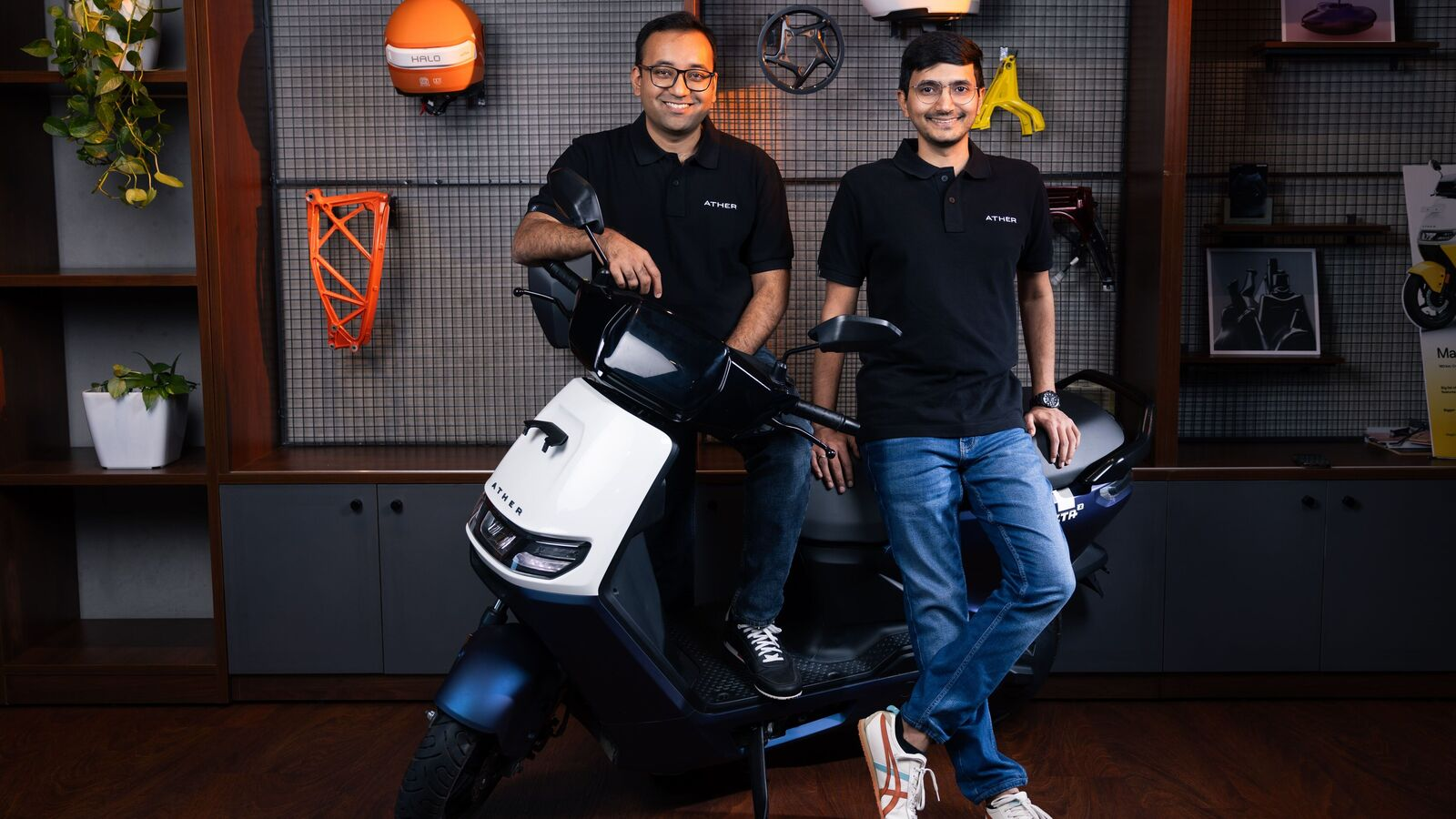
Two IIT Madras engineers were upset.
They liked the idea of electric scooters, but the batteries were weak. They got damaged fast. The range was not enough. And there were almost no charging stations.
So in 2013, Tarun and Swapnil, the two innovative entrepreneurs in Bangalore did what good engineers do. They solved the problem.
The story
They started Ather Energy with one clear mission. Make India’s first smart electric scooter.
They did not take shortcuts. They did not just put a new battery and call it a new product. They built everything from the start.
Their first scooter was the Ather S340. It had features India had never seen in an electric scooter. It had an Android like touch dashboard, real time navigation, battery analytics, and security features. It felt like riding a smartphone on wheels.
But they did not stop with the scooter.
They also built Ather Grid. It is a fast charging network in India with many charging points across big cities. If your battery is low, you can stop, charge quickly, and continue your ride. No fear and no stress.
What happened
Ather became one of India’s most trusted EV brands. Hero MotoCorp invested a lot. The valuation went above 1 billion dollars. Ather became an important part of India’s EV revolution.
They did more than make a scooter. They created the full system needed for electric scooters.
The lesson
Deep tech always wins. Focus on the basics. Build a product so good that people cannot ignore it. And when you build the support system around your idea, people adopt it faster.
Harshil Mathur and Shashank Kumar – Razorpay
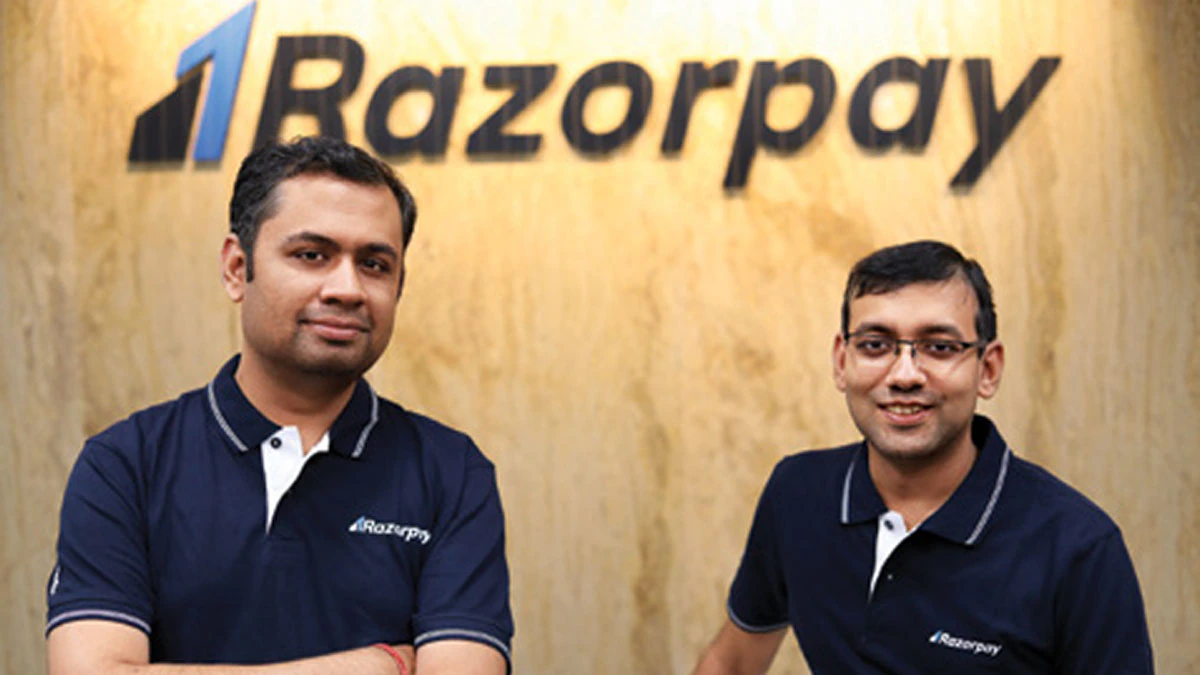
Here’s a frustrating truth. Back in 2014, paying online in India was a nightmare.
Multiple gateways. Confusing integrations. High fees. Each platform behaved differently. Businesses spent more time fixing payments than building products.
Harshil and Shashank (both IIT Roorkee) looked at this chaos and said, “We can fix this.”
The story
They met at IIT, bonded over solving problems, and in 2014 took Razorpay to Y Combinator.
But before that? They faced more than 100 investor rejections.
Yes, 100 plus.
Investors laughed. “Payment gateway? Too crowded. Too hard. Too risky. Why would we fund this?”
They kept pitching anyway.
Their vision stayed simple. One seamless payment gateway that works for every Indian business. Be it big, small, online, offline.
What happened
Razorpay didn’t just grow. It changed how India pays. It became a unicorn valued at 7.5 billion dollars in 2021 and expanded into banking, credit, payroll, and financial services for SMBs.
By 2026, Harshil and Shashank are among India’s youngest billionaires.
What started with 100 rejections became the platform powering payments for millions of businesses.
The lesson
Persistence beats rejection. When you solve a real problem for millions, everything else follows. Your job isn’t to convince everyone. Your job is to build so well that the results speak louder than the doubts.
Aditi Avasthi – Embibe
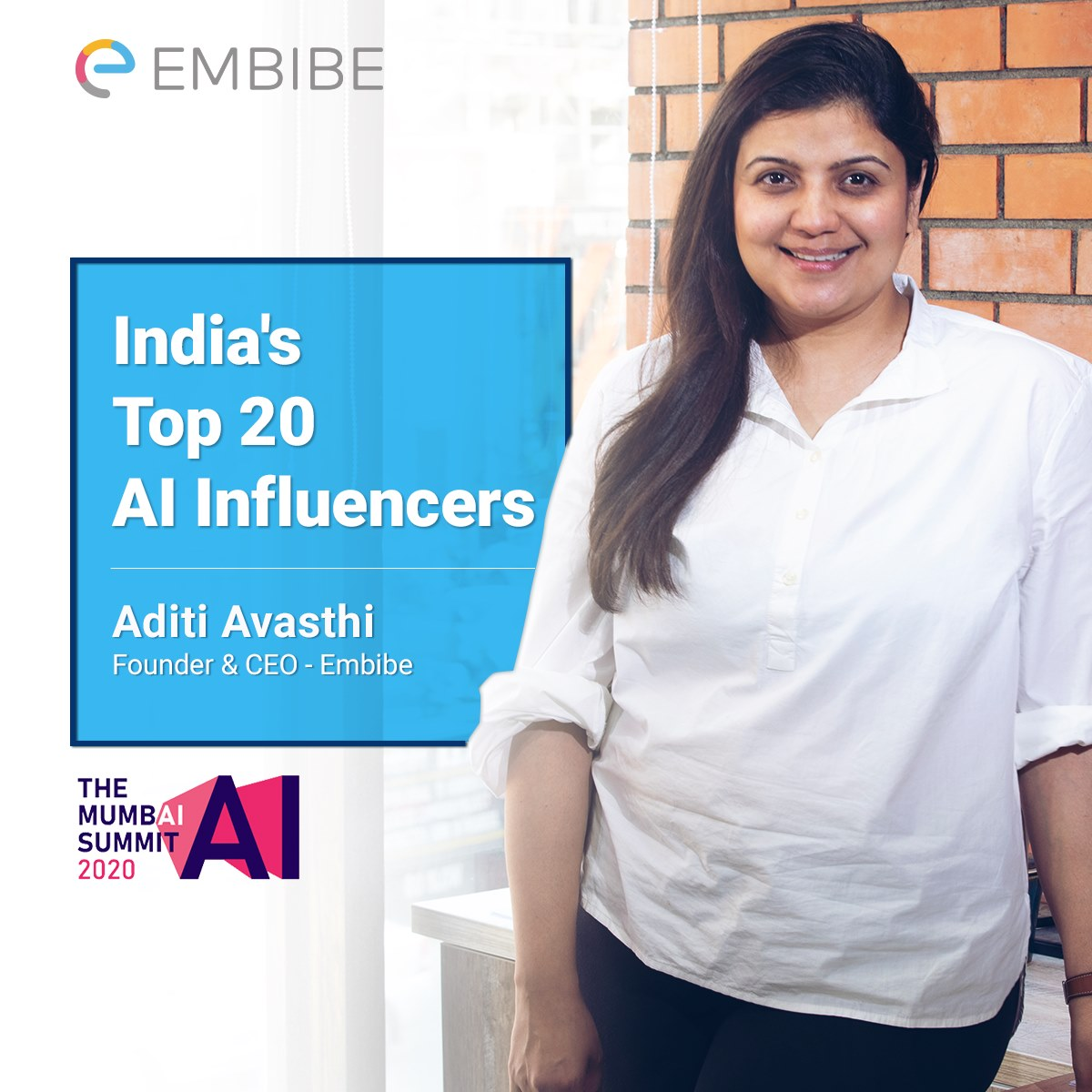
Aditi missed getting into IIT by a small margin. It hurt.
But she did not give up. She asked herself one simple question. Why is our education system so rigid?
That question became Embibe.
The story
After working at Tata Consultancy Services and Barclays in Africa, Aditi started Embibe in 2012 with one belief. Education should not be the same for everyone.
She saw students studying in the same way, at the same speed, and with the same methods. But every student learns differently.
Some learn by seeing. Some learn by doing. Some need more time. Some need less time.
So why should everyone study in the same way?
Embibe uses AI and data to understand each student. It checks their style, strengths, weaknesses, and pace. The platform adjusts on its own. It personalizes. It guides. And most importantly, it helps students learn better.
What happened
Embibe has helped more than 190 million students in the last 12 years. Reliance invested 180 million dollars and bought a 73 percent stake. The platform now helps students prepare for NEET, IIT JEE, and many other big exams.
In 2024, Aditi was named a Young Global Leader by the World Economic Forum. BBC also listed her among the 100 Most Influential Women.
The lesson
Your pain point can become your superpower. Use rejection as fuel. Use technology to make learning open for everyone. When you solve your own struggle at a larger level, you can change an entire industry.
Nithin Kamath and Nikhil Kamath – Zerodha
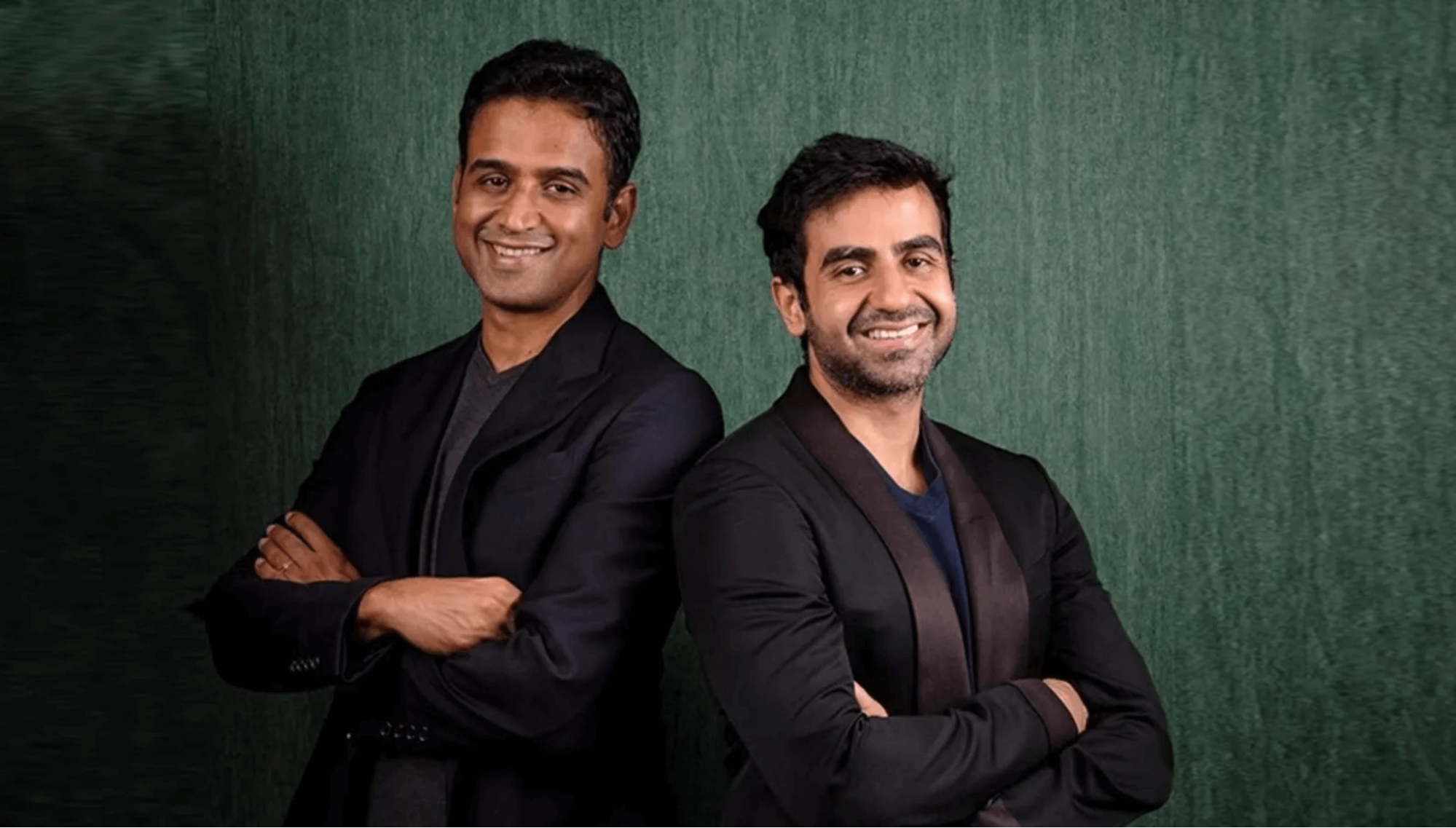
Two brothers. One big problem. Trading in India was too expensive.
Nithin spent years trading and paying very high brokerage fees. His brother Nikhil managed portfolios and felt the same pain.
So in 2010, they decided to fix the whole system.
The story
Zerodha did not start as a fancy app. It started as a bold step.
They offered a flat 20 rupees per trade instead of percentage based fees. No hidden charges. No tricks. No small print.
Every other broker made money by taking commissions. But Nithin and Nikhil said they would make money by growing volumes.
People thought it was crazy. But it worked.
They built something simple, clear, and honest. And millions of Indians loved it.
What happened
Zerodha became India’s biggest retail brokerage. More than 1.5 crore Indians trade on Zerodha today. The platform handles almost 15 percent of all daily trades on Indian stock exchanges.
Nithin also created Varsity, one of India’s best free financial education platforms. He also launched Rainmatter, an initiative that invests in and supports fintech startups.
They did more than build a brokerage. They made investing open for everyone.
As of 2026, Nikhil is worth 2.6 billion dollars according to Forbes.
The lesson
Any industry can be changed. Never accept the line this is how it has always been. Question it. Build models that help customers first. When you do that, growth happens on its own.
V G Siddhartha – Café Coffee Day
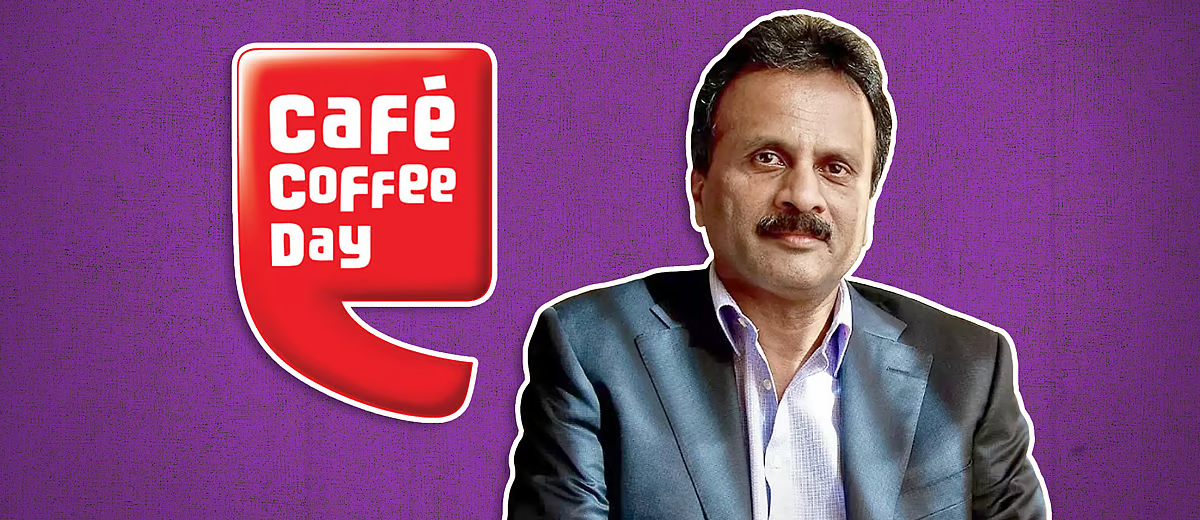
Still remember the first time when Iwalked into a Café Coffee Day and felt wow this is different.
That feeling was V G Siddhartha’s dream coming true.
He was born in a coffee farming family. He grew up around coffee plants. But he had one big question in mind. What if coffee becomes India’s chai?
The story
Siddhartha started with coffee trading in 1993. He bought coffee estates and made the farms better. But he wanted to do more than grow coffee. He wanted India to taste and enjoy coffee.
He saw Western cafe culture and felt India was ready for it. So he opened the first Café Coffee Day outlet in Bangalore in 1996. The slogan said it clearly. A lot can happen over coffee.
People did not believe him. India was a chai country. Chai was cheap. Chai was everywhere. Why would young people pay for a cup of coffee?
But Siddhartha saw something others did not.
What happened
Café Coffee Day became a huge success. By 2018, CCD had more than 1700 cafes across India and even in other countries. It became a part of modern youth life.
It became the place to study, work, go on dates, plan ideas, and dream. Billions of conversations happened on those red tables.
Note. Siddhartha had personal struggles later and passed away in 2019. But the legacy he built is still strong and very important in India’s cafe culture.
The lesson
Find a cultural gap. Believe in it even if others do not. Build an experience and not just a product. When you change how people meet, talk, and dream, your work lives longer than you.
Shradha Sharma – YourStory
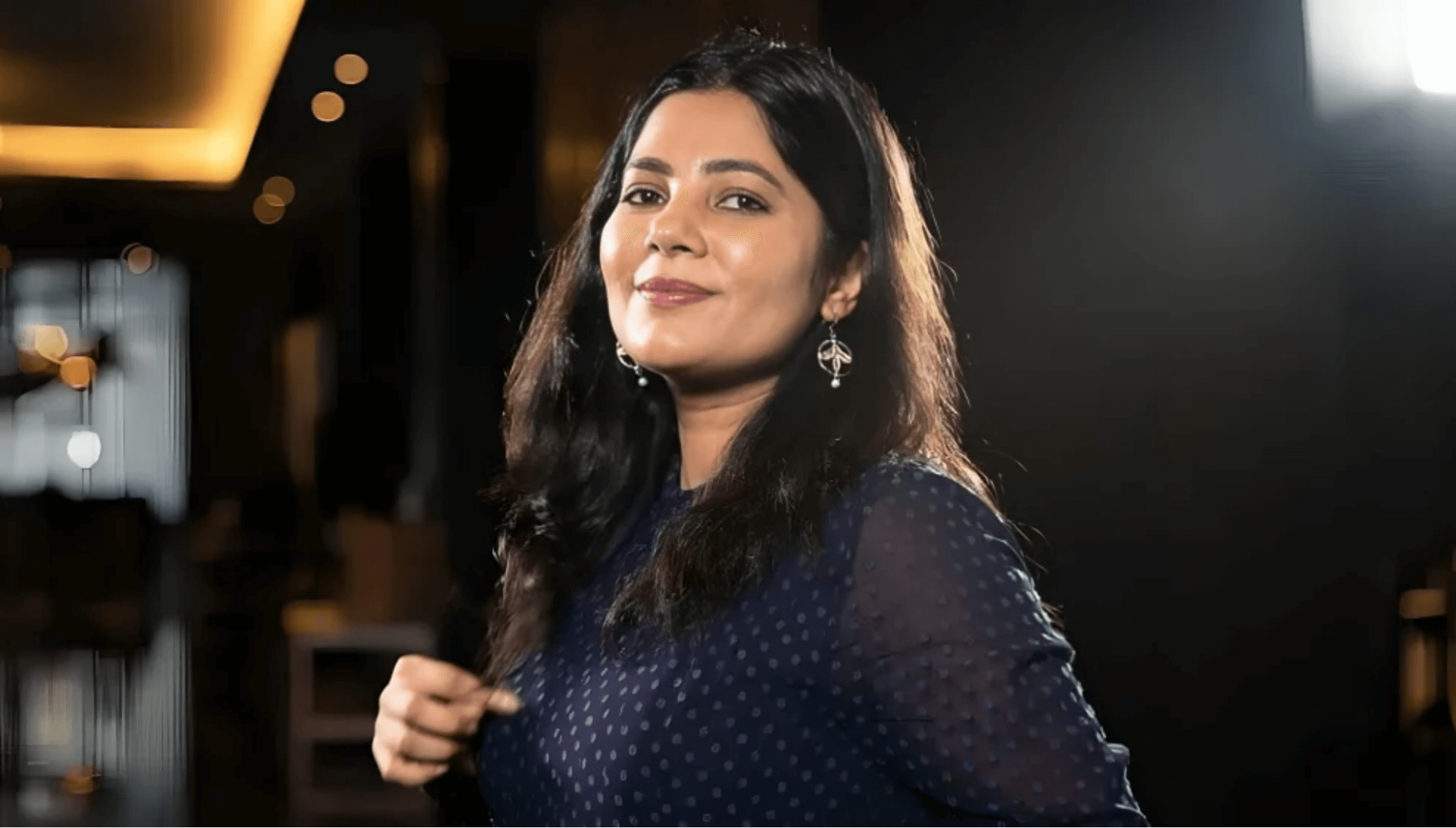
Imagine leaving a stable job at CNBC TV18 to start a small blog about startup stories.
Most people thought Shradha Sharma had lost it.
The story
In 2008, Shradha founded YourStory because she noticed something nobody else cared about. Entrepreneurs were building amazing things, but nobody was telling their stories.
So she started alone. No funding. No team. No guarantees.
Just passion and a laptop.
She wrote. She edited. She published. She reached out to founders who often ignored her because her site had almost no traffic.
But she kept going anyway.
Why? Because she believed entrepreneurs deserved to be heard. Their journeys mattered. And someone had to document them.
So she did.
What happened
YourStory became India’s leading platform for startup storytelling. It has published more than 150 thousand stories, reaches over 10 million readers every month, and operates in 12 Indian languages.
Shradha launched HerStory to highlight women entrepreneurs, built TechSparks into India’s biggest startup conference, and created a community that brings founders, investors, and mentors together.
She was named one of Fortune’s Most Powerful Women in Business. Today, YourStory is valued in millions.
The lesson
Great businesses often start by solving problems nobody else notices. Shradha didn’t build for profit. She built for purpose. And when you build with purpose, the impact and profit follow naturally.
So where do you go from here?
If these Bangalore founders teach us one thing, it is this.
You do not need the perfect background.
You do not need a fancy office.You can start in a garage, a cafe, or even those small coworking spaces in Bangalore where half of today’s unicorn ideas were first scribbled on whiteboards.
You do not need everyone to believe in you.
You only need one thing, the courage to start.
Every entrepreneur in this list began with a doubt, a frustration, or a simple “Why not?”
They faced rejection, failures, slow months, setbacks, and people who said their idea would not work.
But they built anyway.
That is the real lesson.
You do not build a great startup in one big step.
You build it in small, steady steps that nobody sees.
If you are building something today, a startup, a side hustle, a product, or a service, remember this. Your journey may look messy right now, but so did theirs. What matters is that you keep moving.
And hey, if you need help getting your startup noticed, scaling your marketing, or generating predictable inbound leads, that is exactly what we do at ZeroAdo.
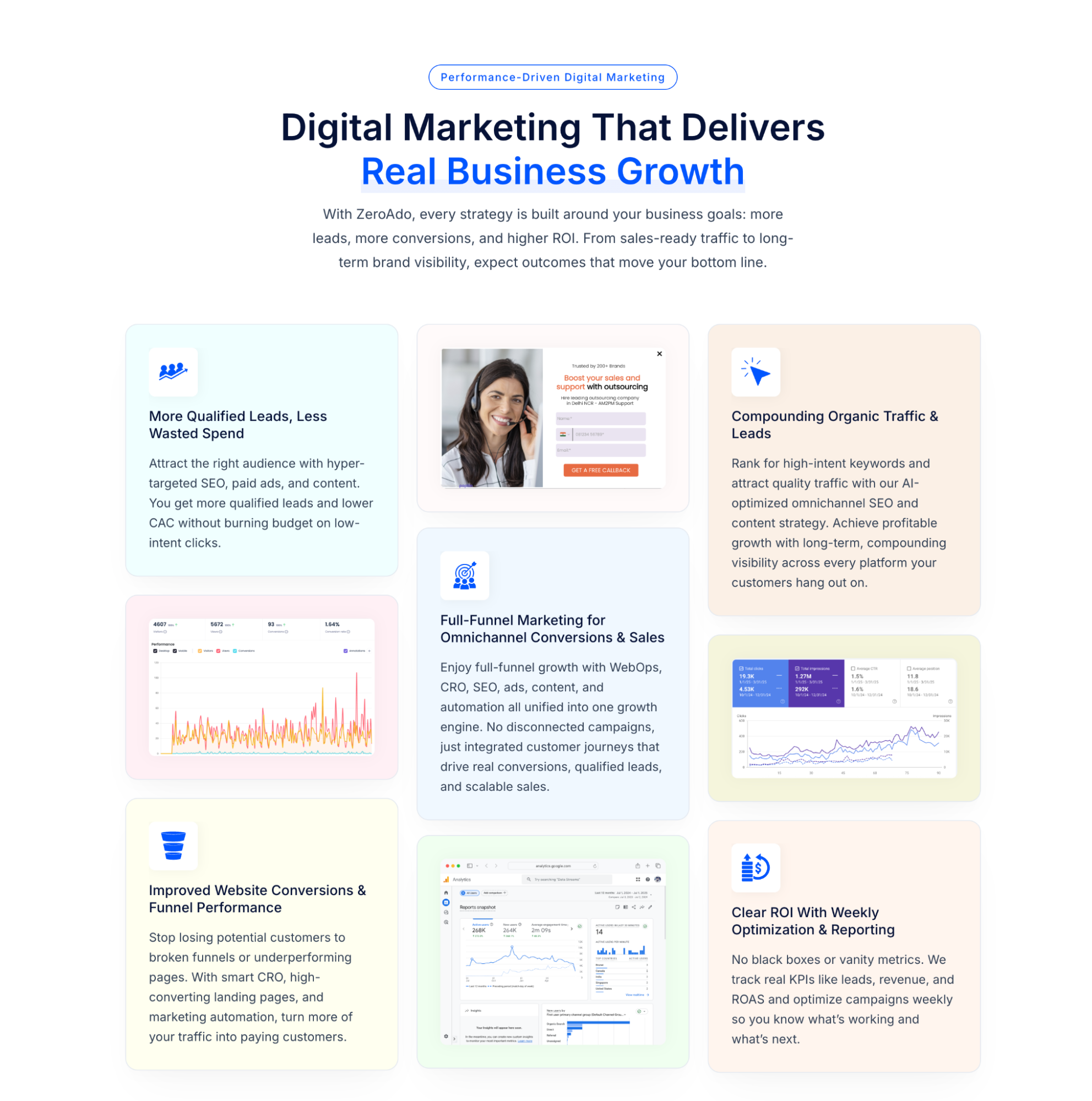
We are a young hungry digital marketing partner for Indian startups who want growth. Think of us as your extended team for SEO, content, ads, automation, and everything that helps you reach your first million dollars in revenue.
If you ever feel stuck, overwhelmed, or unsure what to do next, just book your free discovery call today or whenever you’re ready.
Let us build your story the same way these founders did, step by step, brick by brick.
Your chapter is just getting started.
FAQs about Bangalore Entrepreneurs
Some of the top founders are Sriharsha Majety from Swiggy, Kiran Mazumdar Shaw from Biocon, Byju Raveendran from BYJU’S, Tarun Mehta and Swapnil Jain from Ather Energy, Harshil Mathur and Shashank Kumar from Razorpay, Aditi Avasthi from Embibe, Nithin and Nikhil Kamath from Zerodha, V G Siddhartha from Café Coffee Day, and Shradha Sharma from YourStory.
They are building in almost every area. Food delivery, edtech, fintech, electric vehicles, biotechnology, real estate, media, and IT services. The variety shows that Bangalore supports all kinds of ideas.
You can attend startup events by groups like TiE Bangalore. Join LinkedIn communities. Take part in TechSparks by YourStory. Visit coworking spaces like 91Springboard or WorkCafe. Many founders post on social media and speak at events.
Swiggy, BYJU’S, Razorpay, Ather Energy, Embibe, and Zerodha are some well known unicorns from the city. Bangalore has the highest number of unicorns in India.
Bangalore has a large pool of engineers, easy access to investors, many mentors, and a friendly startup culture. The cost of living is still manageable and the city attracts dreamers from all over India.
Follow them on LinkedIn. Read their interviews and stories. Listen to podcasts where they share their ideas. Attend their talks. Study how their companies grew over time.
Yes, there are. Kiran Mazumdar Shaw from Biocon, Aditi Avasthi from Embibe, and Shradha Sharma from YourStory are strong women leaders who built big companies from Bangalore.
Many of them faced rejection, money problems, and tough market situations. The big lesson is that persistence matters more than perfection. Learn from failures, make changes fast, and keep moving. Failure is not the end. It is information that helps you grow.
