
If you’re looking for entrepreneurs who built lasting businesses out of Mumbai, this list covers 11 of them, including Falguni Nayar (Nykaa), Kunal Shah (CRED, now CEO of WhatsApp), Harsh Mariwala (Marico) and Ashish Hemrajani (BookMyShow).
You will notice none of them had a perfect plan when they started. Falguni quit a 20-year banking career at 49 and put in her own savings. Kunal never touched a line of code, he just had a philosophy degree and an obsession with how people behave.
Their industries span beauty, fintech, FMCG, entertainment, and healthcare, so wherever your own business idea sits, you will likely find a founder here who started from a similar place.
What connects all 11 stories is persistence through rejection and uncertainty, not perfect timing or unlimited capital, which is a reminder that even a strong idea still needs the right audience to find it. And this is where ZeroAdo plays an important role in your entrepreneurial journey.
Mumbai doesn’t slow down for anyone. Neither do its entrepreneurs.
Every local train is packed with someone’s 5 AM hustle. Every “no” here just means “not yet.”
Hustle has always been the local language here. And enough people keep speaking it.
Here, competition isn’t a challenge, it’s a way of life. The city doesn’t hand you success. You fight the traffic, the rent, the rejection, and if you’re stubborn enough, you win.
Long before startup culture was a buzzword, this city was already the blueprint. A group of brokers trading under a banyan tree on Dalal Street in 1875 grew into the Bombay Stock Exchange.
That’s not a coincidence. That’s Mumbai’s DNA.
A 29-year-old named Jamsetji Tata started a trading firm here in 1868 with borrowed capital and zero connections. Today it’s one of the largest conglomerates on Earth.
A lawyer named Ardeshir Godrej quit his profession in the 1890s to make locks in a small Mumbai workshop because he was tired of watching the British-made ones fail. That workshop became an empire.
Some started with nothing but a scooter and a stubborn idea. Some got rejected 40 times before someone finally said yes.
They’re not superheroes. They’re people who got knocked down and got back up anyway.
And today, a founder with the same stubbornness might be sitting in Bombay Coffee House, searching for answers like
“B2B marketing agency in Mumbai,”
“best lead generation agencies in Mumbai,” or
If Mumbai has ever made you feel small, unseen or like you’re running out of time, stay with me. Let me walk you through 11 entrepreneurs who proved this city wrong.
Entrepreneurs in Mumbai and what each of them built
Short on time? Here is a quick look at who built what, and the one lesson each story offers.
| Entrepreneur | Company | Industry | Founded in | Key lesson |
|---|---|---|---|---|
| Falguni Nayar | Nykaa | Beauty retail | 2012 | Your experience is the playbook |
| Anupam Mittal | Shaadi.com | Matrimony | 2001 | A side experiment has the potential to become your main business |
| Harsh Mariwala | Marico | FMCG | 1990 | Question how things have always been done |
| Kunal Shah | CRED | Fintech | 2018 | Understand people better than anyone |
| Harsh Jain | Dream11 | Fantasy sports | 2008 | Privilege can’t replace earning belief |
| Ashish Hemrajani | BookMyShow | Entertainment ticketing | 1999 | Ideas need someone to follow through |
| Dhaval Shah and Dharmil Sheth | PharmEasy | Healthcare | 2014-15 | The right co-founder fills your gap |
| Ambareesh Murty | Pepperfry | Furniture e-commerce | 2011 | Comfort and ambition rarely coexist |
| Ronnie Screwvala | upGrad | Education | 2015 | Success is fuel for your next bet |
| Aakrit Vaish | Haptik | Conversational AI | 2013 | Pay attention to the present |
Top successful entrepreneurs who built their empire in Mumbai
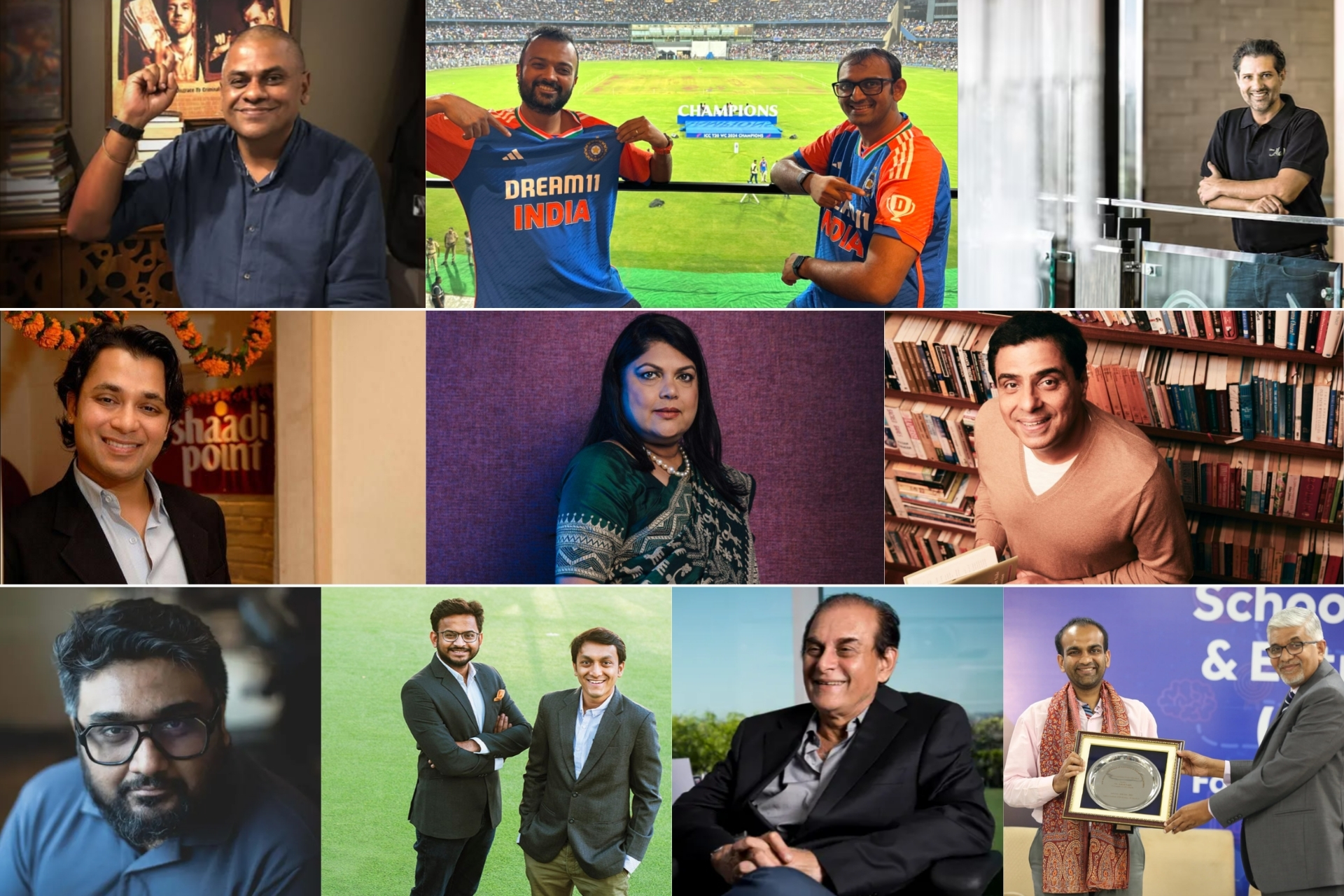
These entrepreneurs didn’t inherit their success, they built it from scratch, right here in Mumbai.
From beauty and fintech to entertainment and consumer tech, each of them started with an idea, faced real setbacks, and pushed through to build something lasting.
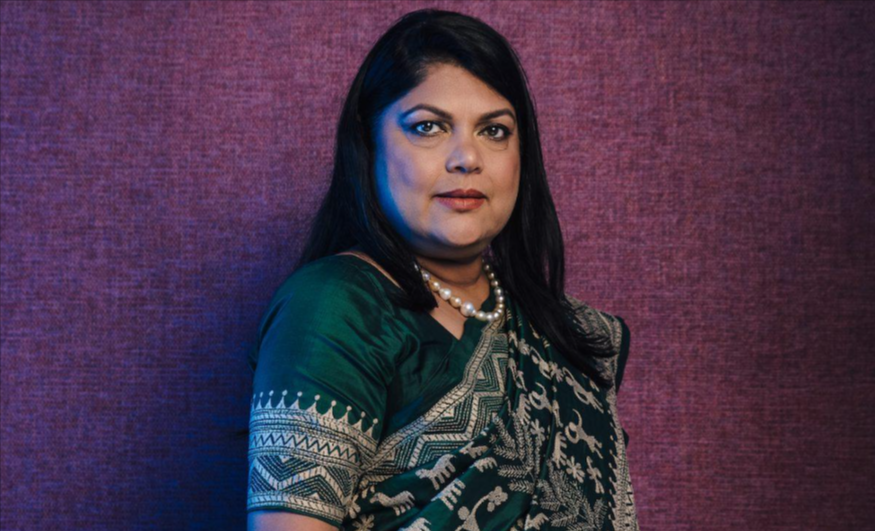
Falguni Nayar – Nykaa
How it began
So picture this, Falguni Nayar has been at Kotak Mahindra Bank for almost 20 years. She’s climbed all the way to Managing Director, she’s setting up offices in London, New York, and Singapore. Basically, she’s crushed it.
She’s 49. Most people at that point are thinking, “okay, coast to retirement.”
Not her.
She quits. Puts in about ₹2 crore of her own money, her own savings, not some VC’s, into a beauty e-commerce idea. And get this, she pitched 17 investors, and 10 of them said no.
She had never sold a lipstick in her life. Never ran a warehouse. Never built an app. But she had spent 19 years watching founders from the other side of the table, so she knew exactly what makes a company actually last vs what just looks good for a year.

The growth story
Here’s the thing, every other e-commerce startup at the time was going asset-light, just running a marketplace, letting brands handle the messy stuff. Falguni said, “No thanks, I’ll do it the hard way”. She bought inventory directly, built her own warehouses, and controlled the whole experience herself.
Slower? Yes.
Riskier? Also yes.
But it’s exactly why people trusted the brand.
And it worked. Nykaa became India’s first unicorn led by a woman.
Then in 2021, she took it public, and the stock nearly doubled on day one, crossing ₹1 trillion in market value. Think about that for a second, the woman who spent two decades helping other people ring the IPO bell finally got to ring it herself.
She’s still running the show today as Founder and CEO.
The entrepreneurial lesson
Here’s what I love about her story, she didn’t “make it” despite starting at 50. She made it because of those 19 years. All that “boring” banking experience? That was the whole playbook. So next time you think you’ve missed your window, you probably haven’t.
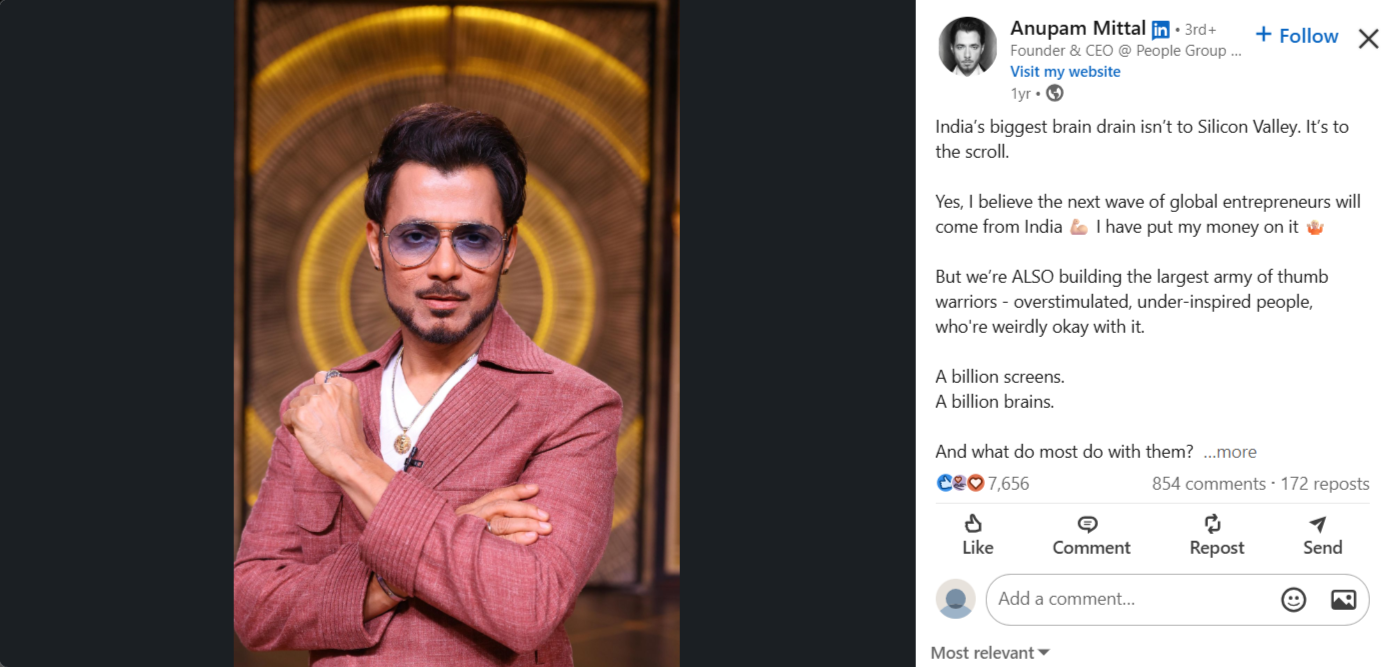
Anupam Mittal – Shaadi.com

How it began
Okay, so back in 1997, Anupam Mittal was this 24-year-old working a regular job in the US after finishing his MBA. Nothing dramatic yet.
Then he meets a traditional marriage broker back home, you know, the “auntie who knows a guy” type, and something clicks.
He’s like, wait, why is this happening the old-school way when the internet exists?
So on the side, almost just messing around, he builds a website called Sagaai.com. It’s barely a business at this point, more of an experiment he’s running while still clocking in at his day job.
But he keeps noticing something. Jobs back in the US are drying up, and this weird side-project matchmaking site is the thing he actually can’t stop thinking about.
So in 2001, he does the scary thing. Quits the US job, moves back to Mumbai, renames the site to something people would actually remember, Shaadi.com and goes all in.
The growth story
For the first few years, almost nobody even knew what Shaadi.com was.
Convincing Indian families to trust a website with something as personal as marriage? Not an easy sell in the early 2000s.
But Anupam stuck with it, and slowly, it became the internet’s version of that trusted family matchmaker, except at scale. Today, Shaadi.com is one of the world’s oldest and biggest matrimonial platforms, with tens of millions of people who have used it to find a partner.
He didn’t stop there either. He built People Group as the parent company and used it to launch more ventures like Makaan.com and Mauj Mobile, and became one of India’s most active angel investors, backing hundreds of startups over the years, including an early bet on Ola.
And if you’ve watched Shark Tank India, you already know him, he’s one of the sharks still finding and funding the next generation of founders.
The entrepreneurial lesson
The thing that gets me about Anupam’s story, Shaadi.com, wasn’t some perfectly planned unicorn pitch. It started as a side experiment he almost didn’t take seriously.
The lesson? Your “just messing around” idea might be the actual business. Don’t wait for permission to take it seriously, just build the thing and see what happens.
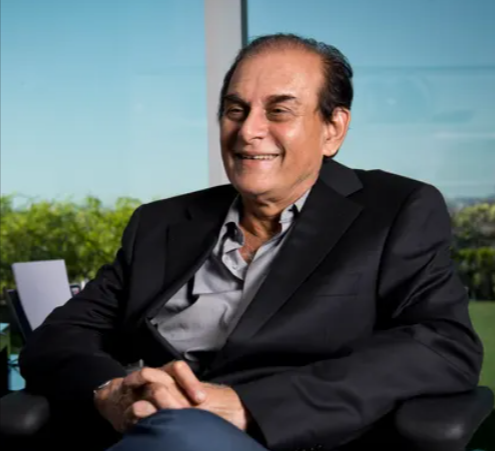
Harsh Mariwala – Marico
How it began
Harsh Mariwala’s family has been in business since 1862. His great-grandfather literally got the surname “Mariwala” from trading pepper (“mari” in Gujarati). His dad ran Bombay Oil Industries, trading commodity coconut oil and spices out of Masjid Bunder.
Harsh joins the family business at 20, fresh out of Sydenham College.
No MBA, he wanted one but didn’t get in, so just…started working.
No fancy training, no roadmap, just him showing up and actually going to the factories, walking the interior markets, figuring out how the business really worked from the ground up.
And here’s what bugged him.
The company sold coconut oil in huge 15-litre tins to shopkeepers, who’d then repackage it into smaller quantities and sell it for way more. Harsh looked at that and basically went,
Why is someone else pocketing the margin on my product?
The growth story
That one question changed everything. He started branding and packaging Parachute coconut oil himself, instead of selling it as a raw commodity.
First, just in Maharashtra, in small 100ml and 200ml bottles, people could actually buy it off a shelf. Then in 1990, after nearly two decades inside the family business, he leapt.
Spun off the consumer products division. Started his own company, Marico (Yep, “Marico” is literally short for “Mariwala and Company”). From there, it just kept scaling. Parachute and Saffola became household names.
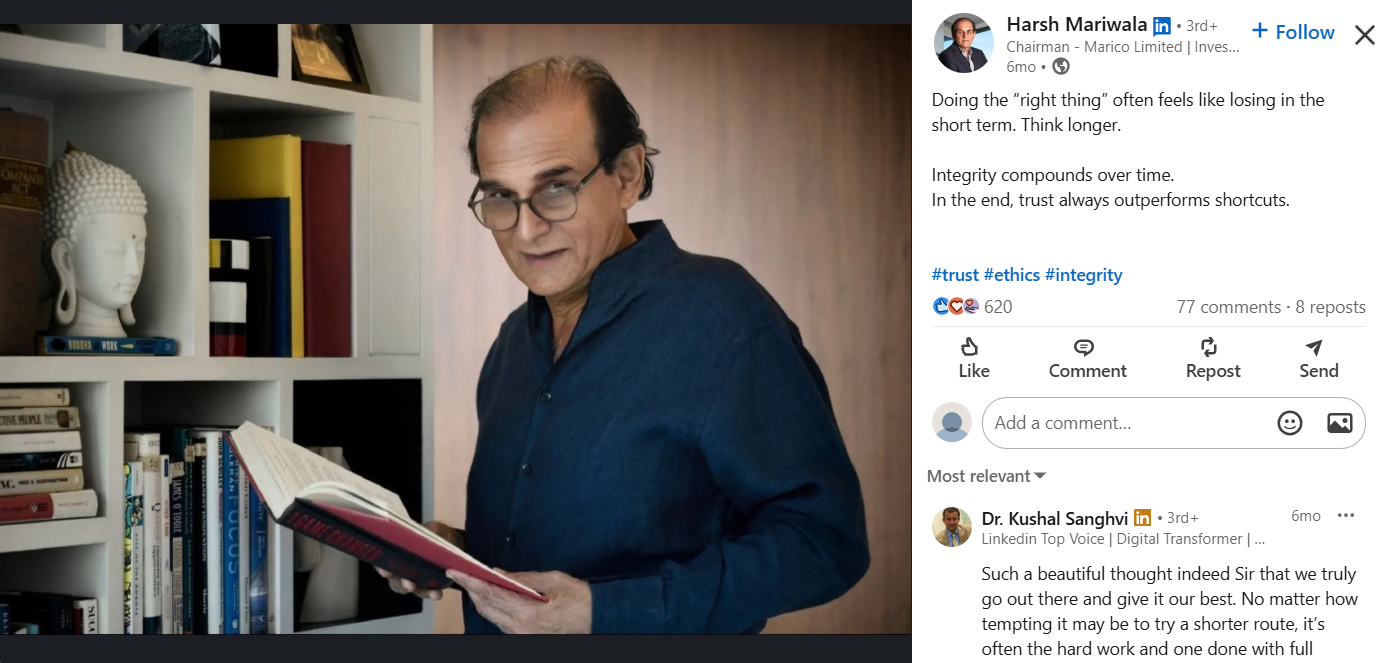
Marico took on giants like Hindustan Lever head-on. By the 90s, the company was expanding internationally, starting with Bangladesh. Today it operates in 25+ countries.
And Harsh didn’t stop at Marico. He is also behind Kaya Skin Clinic, and he built ASCENT, a platform helping other entrepreneurs learn from each other. He’s still Chairman today, decades later.
The entrepreneurial lesson
Harsh’s story is that he didn’t need a “disruptive idea”. He just noticed an unfair margin sitting in plain sight and asked why someone else got to keep it.
Sometimes the biggest opportunity isn’t inventing something new, it’s questioning why things have “always” been done a certain way.
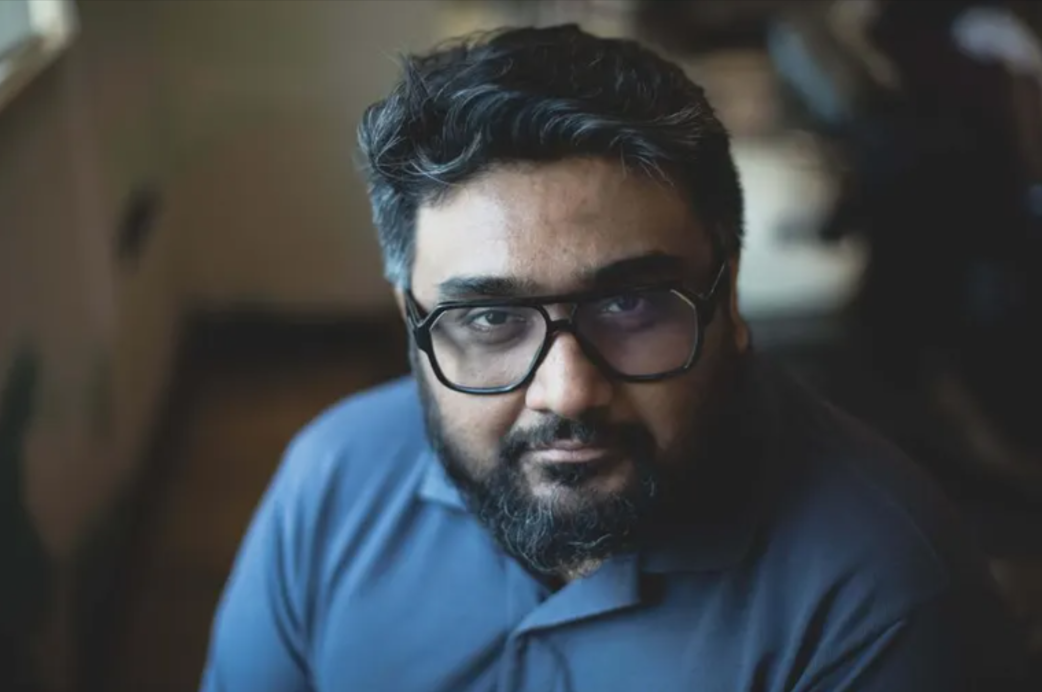
Kunal Shah – CRED
How it began
Kunal Shah grew up in a middle-class Gujarati family in Mumbai. His dad ran a small business. At 14, things got tight, and the business was struggling.
So at 15, Kunal started working to help the family stay afloat.
He studied philosophy at Wilson College. Not engineering, not commerce, but philosophy. He briefly started an MBA, then just dropped out and took a random job as a junior programmer at a BPO instead.
At this BPO, in 2010, he met a guy named Sandeep Tandon. That meeting changed everything.
The growth story
A year earlier, Kunal had already tried building something, a cashback platform called PaisaBack. It didn’t really take off, but it taught him something important, how incentives actually get people to act.
With Sandeep, that idea evolved into Freecharge, an app for recharging your phone and getting cashback on it. Simple idea, perfect timing.
By 2015, Freecharge was sold to Snapdeal in one of India’s biggest startup acquisitions at the time. Kunal didn’t just cash in the cheque and disappear. He went on to angel invest in over 100 startups, including early bets on names like Razorpay and Unacademy.
Then in 2018, he came back with CRED, rewarding people for paying their credit cards and bills on time, a simple idea built for a very specific, high-spending slice of India. CRED became one of the country’s most talked-about fintech apps.
In June 2026, the story took its biggest turn yet.
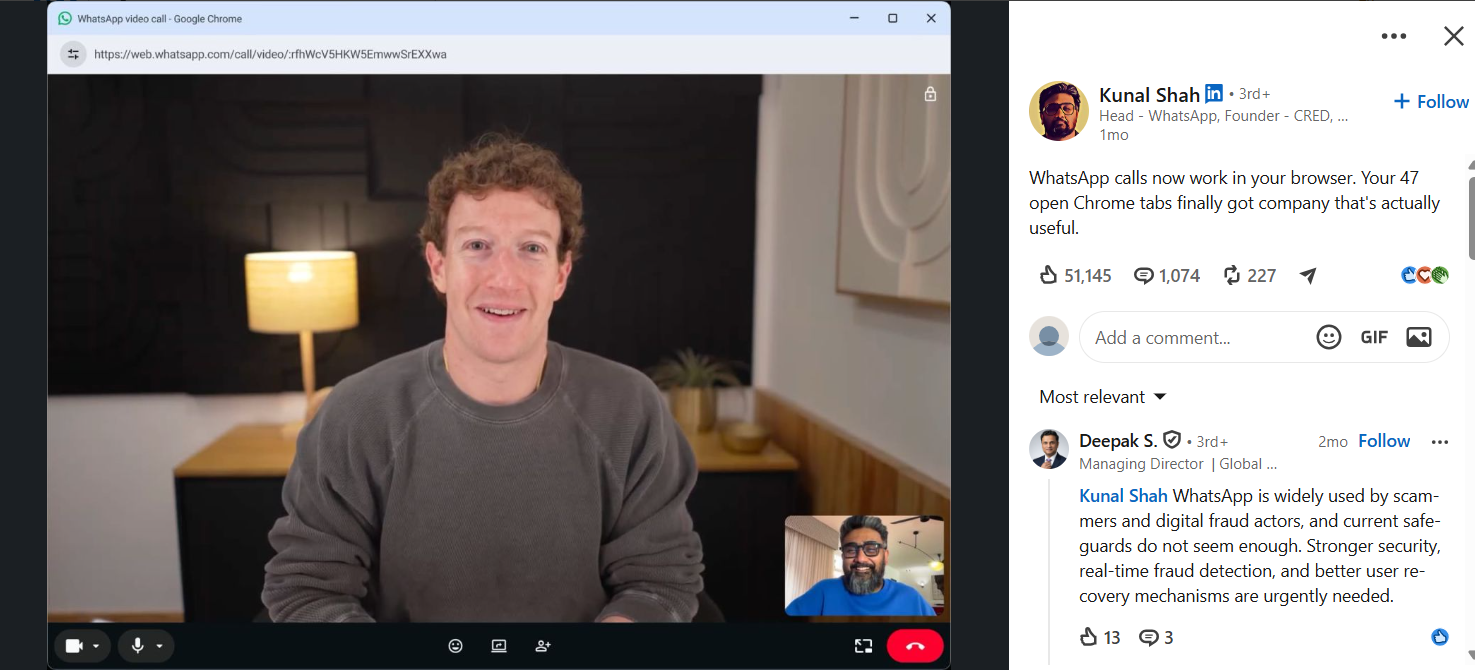
Meta invested $900 million into CRED and named Kunal Shah the new CEO of WhatsApp, the app used by over 3 billion people worldwide. A Mumbai founder who started out helping his dad’s struggling business at 15 now runs the largest messaging platform on the planet.
The entrepreneurial lesson
Here’s the thing about Kunal, he never had a “technical” background. No IIT, no CS degree.
What he had was a philosophy degree and an obsession with how people actually behave.
The lesson? You don’t need to be the smartest coder in the room. You need to understand people better than everyone else in it, and sometimes that skill takes you further than you ever imagined, from a small Mumbai apartment all the way to running WhatsApp.
Harsh Jain – Dream11

How it began
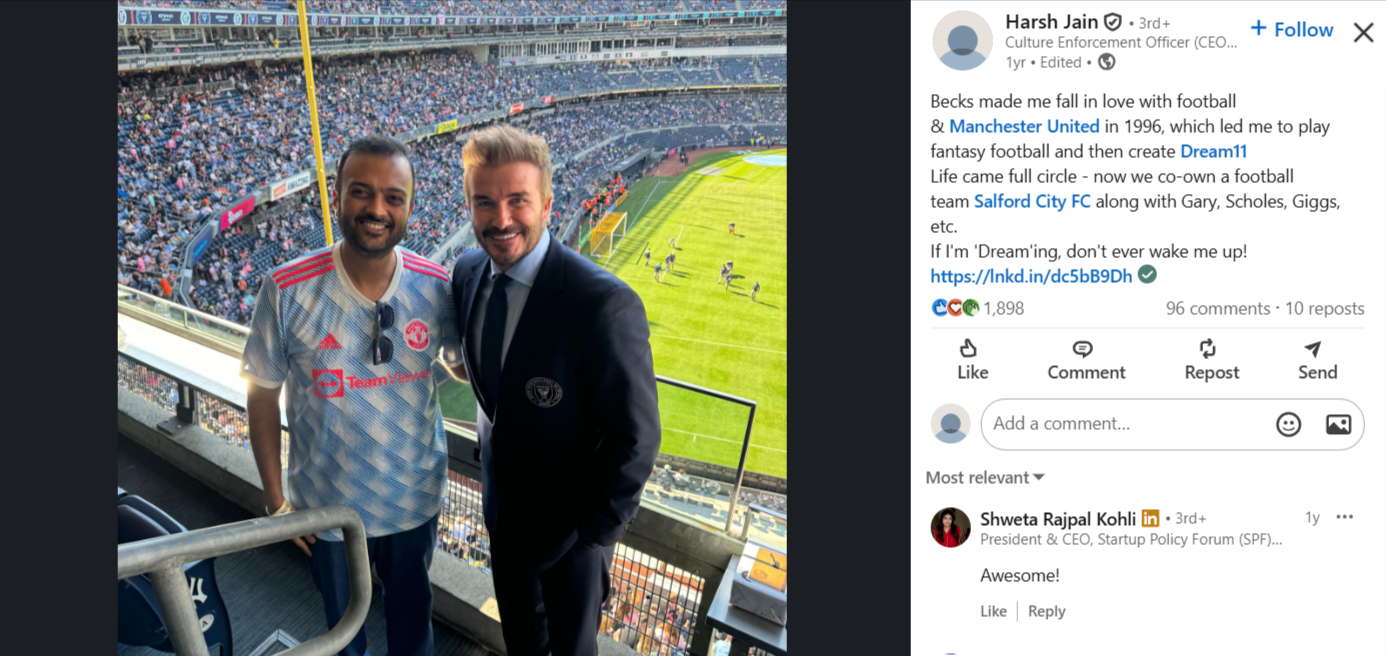
Born and brought up in Mumbai, Harsh Jain, son of Anand Jain, a well-known businessman and Chairman of Jai Corp. But what actually shaped him wasn’t the boardroom.
It was Sunday afternoons watching cricket and football on TV.
He went to Sevenoaks in the UK, then studied electrical engineering, math, and economics at UPenn. Later, an MBA at Columbia. On paper, it reads like a finance-track resume, not a gaming founder’s.
During a Microsoft internship in the US, he started playing fantasy football and baseball with colleagues, and something about it stuck with him. Not the sport itself. The feeling of building a team, tracking every play, obsessing over stats.
The growth story
In 2008, the IPL launched in India. Harsh came back from the US with an idea in his head, what if Indians could play fantasy sports around cricket, the way Americans did around the NFL?
He teamed up with his friend Bhavit Sheth, and together they started Dream11.
Here’s the part that doesn’t get talked about enough, this wasn’t an overnight hit. Harsh has spoken about being turned down by investors well over a hundred times. For years, nobody quite understood what they were building or why anyone would pay to play a game with imaginary points.
They kept experimenting anyway. It took until 2012, four years in, before they landed on the format that finally clicked, single-match fantasy cricket, free to start, pay if you want to go bigger.
That one shift changed everything.
Dream11 grew into India’s first gaming unicorn, eventually crossing tens of millions of users and becoming a title sponsor for the Indian cricket team itself, the same sport Harsh grew up obsessing over on a Sunday afternoon.
The entrepreneurial lesson
Harsh didn’t need to build Dream11. He came from money, from access, from a name that could’ve opened doors anywhere.
He built it anyway, and sat through over a hundred rejections doing it.
Privilege can get you a seat at the table. It can’t make people believe in your idea. That part, you still have to earn, one rejection at a time.
Ashish Hemrajani – BookMyShow
How it began
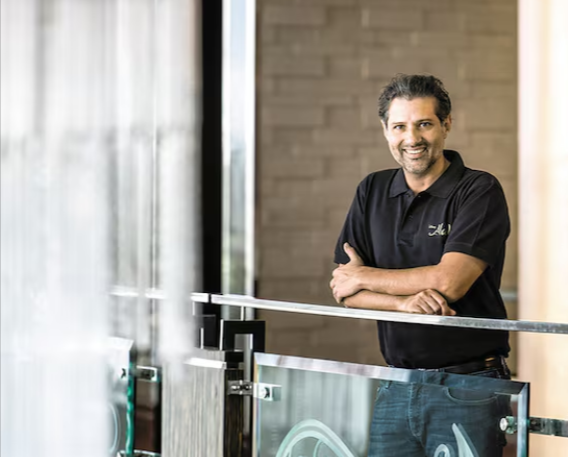
Ashish Hemrajani grew up in Juhu, Mumbai, and studied marketing at Sydenham College. Nothing about his early career screams “future tech founder”, he landed a solid job at J.Walter Thompson, a big advertising firm, doing client and account management.
Steady job. Steady paycheck. Steady life.
Then, on a holiday in South Africa with two friends, Parikshit Dar and Rajesh Balpande, he sat under a tree, half-listening to an old radio show, when an ad for a rugby match ticket came on.
And a thought hit him, why is booking a ticket in India still such a mess?
That night, after a few too many drinks, he did something most people would regret in the morning, he texted his boss and told him he was quitting to start a ticketing company.
His boss’s reply? “No problem. Go for it.”
The growth story
In 1999, the three friends started Bigtree Entertainment, not the consumer app people know today, but a back-end ticketing service for cinemas. For years, it was B2B, unglamorous, invisible to the public.
It was not until 2007, eight years later, that they launched the consumer-facing platform. And even the name almost didn’t happen, “BookMyShow” came from an internal naming contest, suggested by an intern.
Ashish has openly admitted that raising money in the early days was brutal. He wasn’t from an IIT or IIM, didn’t come from an affluent family, and had zero track record in tech. He said investors kept hitting the same wall of doubt until enough of them decided to bet on him anyway.
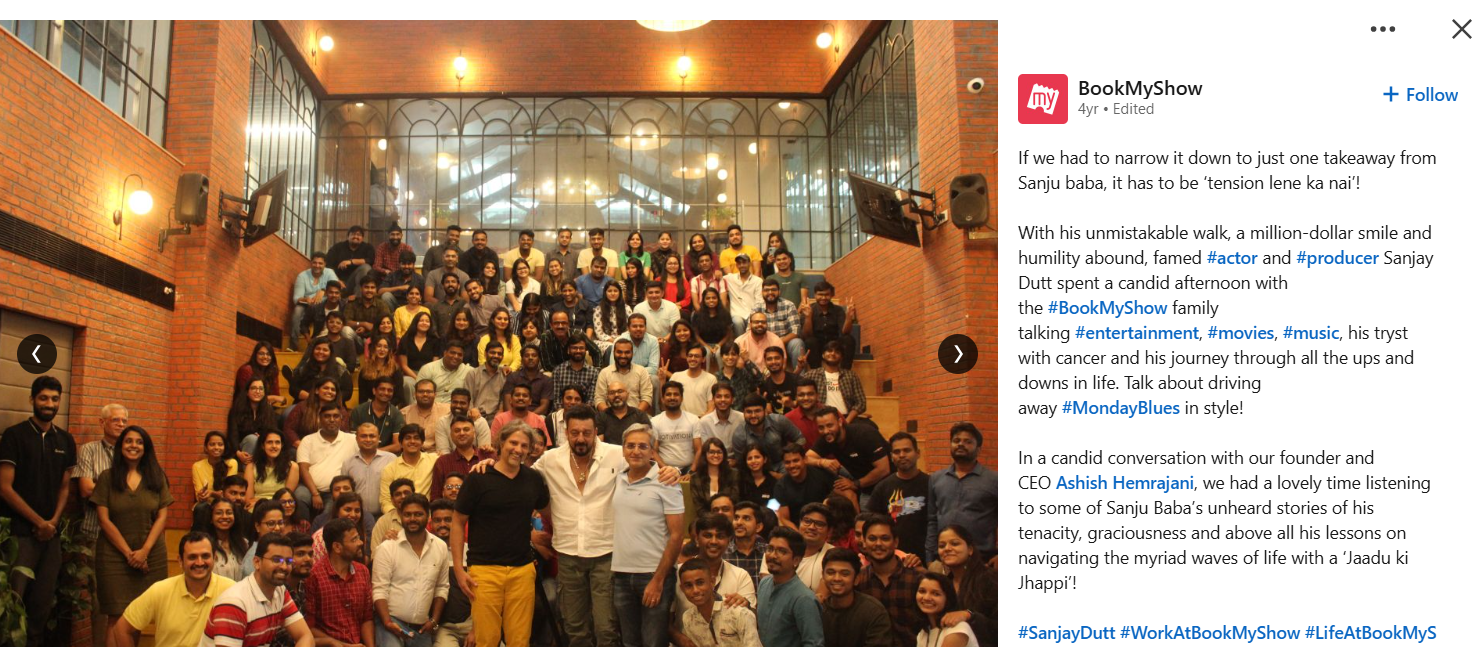
From there, BookMyShow became the name almost every Indian associates with movie and event tickets, expanding into IPL partnerships, Formula 1, live concerts, and even Southeast Asia.
The entrepreneurial lesson
Ashish didn’t wait for the “perfect” moment to start, he sent a life-changing text on a whim, on vacation, half-serious. And it worked out because he actually followed through the next morning.
Big pivots rarely announce themselves with clarity. Sometimes they show up as a stray thought under a tree, and the only thing separating an idea from a company is whether you show up and build it when you’re sober.
Dhaval Shah and Dharmil Sheth – PharmEasy

How it began
Dharmil Sheth and Dhaval Shah were childhood friends, both from Mumbai’s Ghatkopar Suburb, friends since school, long before either of them thought about starting a company together.
Their paths were split for a while. Dharmil went the engineering-and-business route, doing an MBA and picking up experience at places like MakeMyTrip, Dhaval went the medical route entirely, an MBBS, followed by an MBA at XLRI, and eventually a consulting job at McKinsey.
Before starting together, Dharmil had already tried and failed at a couple of ventures, a shopping platform and a sports infrastructure startup. Neither one took off. But each attempt taught him something useful for the next one.
Meanwhile, Dhaval kept running into the same frustration from the healthcare side. Patients, especially those managing chronic illnesses, struggled to reliably get the right medicines from local pharmacies.
The growth story
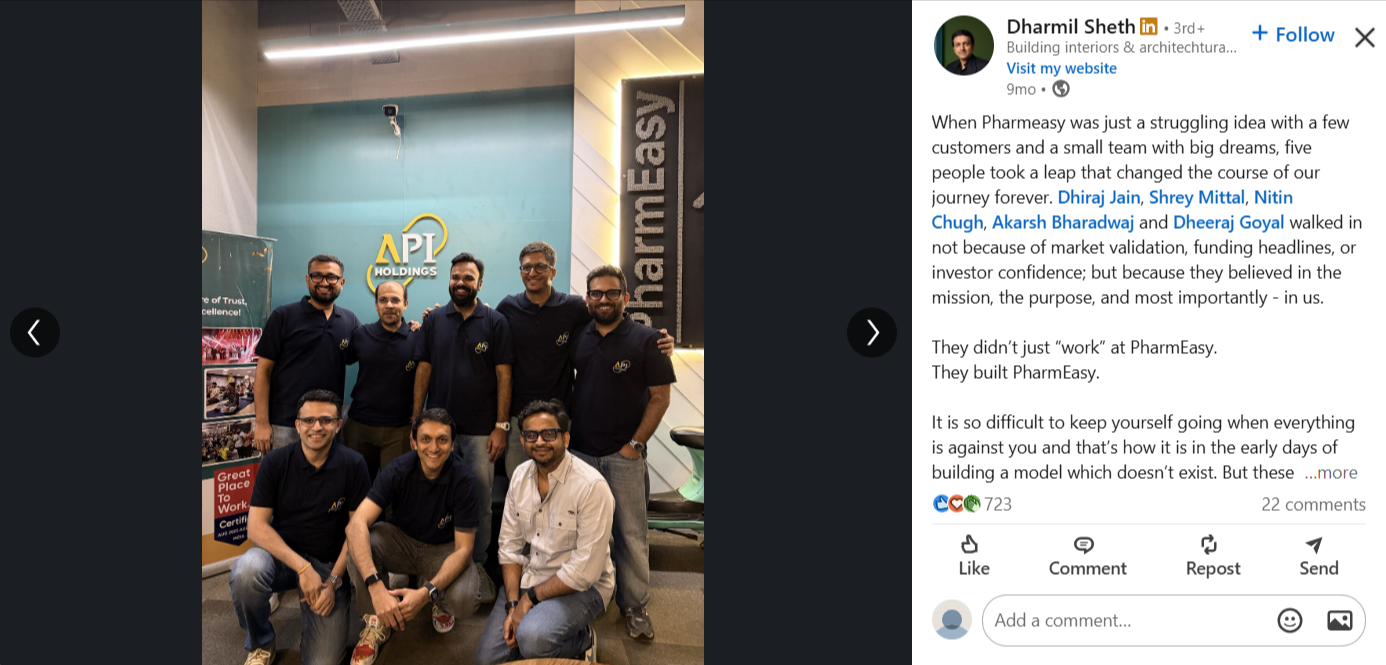
Around 2014-15, the two reconnected. Dharmil brought the business and execution instincts. Dhaval brought the medical credibility and an insider’s view of exactly where the healthcare system was failing people.
Together, that combination became PharmEasy.
It wasn’t an easy build. Brick-and-mortar pharmacy owners pushed back hard against the idea of an online aggregator. Regulators needed convincing that the model was safe and compliant. And trust, especially with something as sensitive as medicine, doesn’t come easily to a new app.
But they stuck with it. City by city, they built out logistics, convinced regulators, and won over customers. Within a couple of years, PharmEasy was fulfilling tens of thousands of orders a month.
It eventually grew into one of India’s largest online pharmacy platforms, expanding into diagnostics and teleconsultations, and reaching pin codes most e-commerce players never bothered to touch.
The entrepreneurial lesson
What makes this story work is the pairing, not just the individuals. Dharmil had already failed a couple of times on his own. Dhaval had the domain expertise but not the startup instincts.
Sometimes the missing piece in your idea isn’t more effort, it’s the right co-founder who sees the problem from a completely different angle than you do.
Ambareesh Murty – Pepperfry
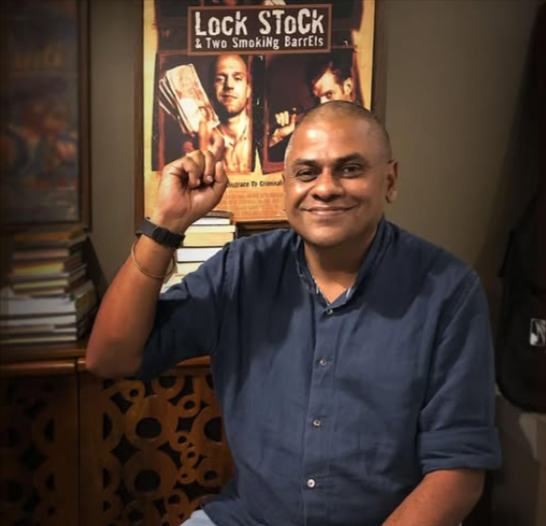
How it began
Ambareesh Murty’s career didn’t start in a garage or a hostel room, it started in corporate India. Cadbury, then ICICI Prudential, then a short stint at Levi’s. They were solid, recognisable brands.
But even in those years, something in him kept nudging toward building his own thing. During his time at Levi’s, he launched a small venture called Origin Resources, helping mutual fund companies, an early, quiet sign of the entrepreneur underneath the executive.
He then joined eBay as country manager, running operations across India, Malaysia, and the Philippines. It was a big, comfortable role.
He left it anyway.
The growth story
In 2011, alongside co-founder Ashish Shah, Ambareesh started Pepperfry, betting on something most investors were sceptical of at the time, that Indians would buy big-ticket furniture online. It was a sight unseen.
It sounds obvious now. Back then, it wasn’t.
The first funding round came in December 2011, a $5 million check from Norwest Venture Partners. From there, Pepperfry kept growing, eventually raising over $240 million and pulling in backers like Goldman Sachs.
Ambareesh didn’t just build a marketplace, he built trust in a category nobody trusted online yet, turning Pepperfry into India’s best-known name in home and furniture e-commerce, competing directly with the likes of Urban Ladder and IKEA’s online push.
In August 2023, Ambareesh passed away suddenly from a cardiac arrest while on one of his motorcycle trips to Leh, a passion he was known for outside of work. His co-founder Ashish Shah called him “ a friend, mentor, brother, soulmate” in an emotional tribute that captured just how deeply he was respected, both as a founder and as a person.
The entrepreneurial lesson
Ambareesh didn’t chase the safest bet. He walked away from a stable executive career to build something in a category most people thought Indians would never buy online.
Comfort and ambition rarely coexist for long. Sometimes the biggest risk isn’t starting something new, it’s staying somewhere you’ve already outgrown.
Ronnie Screwvala – upGrad
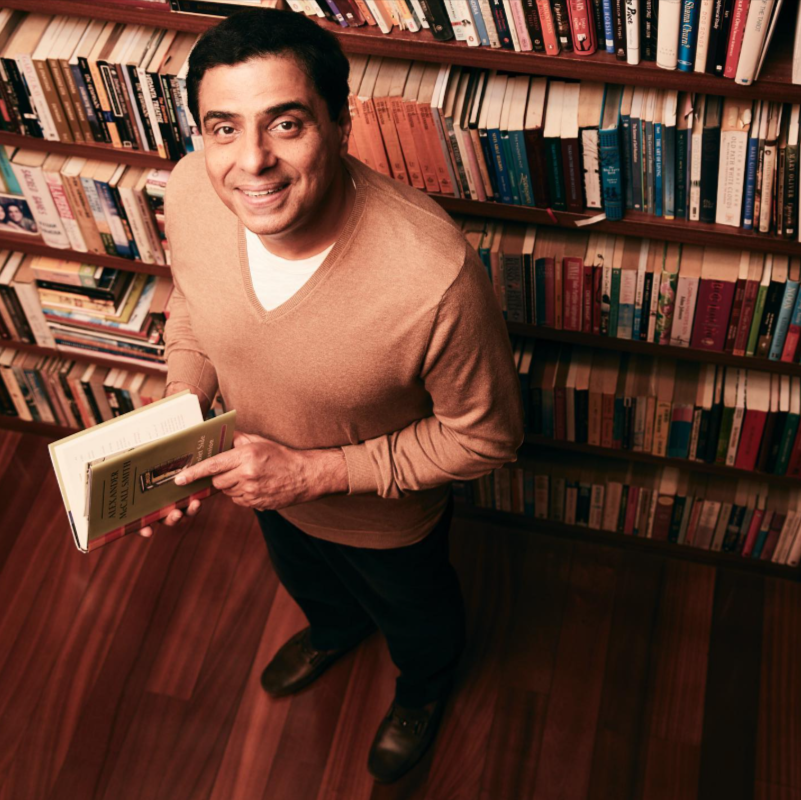
How it began
Ronnie Screwvala grew up in a middle-class Parsi family in a small apartment on Grant Road, Mumbai, right opposite one of the city’s biggest movie theatres. Bollywood stars would show up for premieres, and 10-year-old Ronnie noticed something, his own balcony had a perfect view.
So he started charging people to stand on it and watch the stars arrive.
That instinct to spot an opportunity nobody else sees and monetise it before anyone else thinks to never really left him.
While studying B.Com at Sydenham College, he realised early that working for someone else, or building someone else’s vision, was never going to be his path.
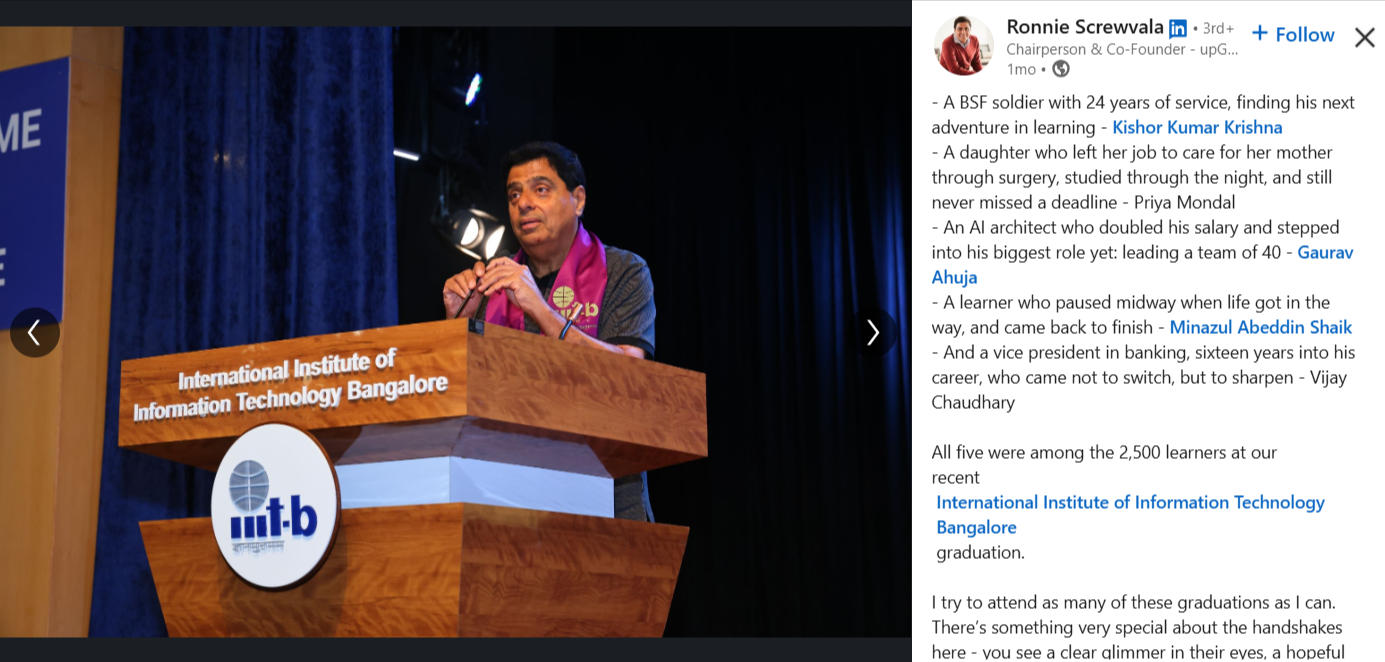
His first ventures weren’t glamorous. A toothbrush manufacturing company. Then, in 1981, one of India’s earliest cable TV networks, at a time when the country had exactly one government-run channel.
The growth story
In 1990, with roughly ₹37,000 and a tiny basement office in Mumbai, Ronnie co-founded UTV. What started as a modest production house grew into one of India’s biggest media conglomerates, partnering with names like Disney, 20th Century Fox, and Bloomberg.
In 2012, Walt Disney acquired UTV in a deal worth around $ 1.4 billion.
Most people would call that a finish line. Ronnie called it a starting point.
He went on to co-found upGrad in 2015, betting on online education for working professionals, essentially building the opposite of UTV’s entertainment business, but with the same instinct for timing a market before it was obvious.
Alongside that, he built Unilazer Ventures, RSVP Movies, U Sports, and, with his wife Zarina, the Swades Foundation, working on rural development across thousands of villages in Maharashtra.
He has been named among Time’s 100 most influential people in the world, and he is still building.
The entrepreneurial lesson
Ronnie doesn’t like being called a serial entrepreneur, but the pattern is hard to miss. He builds something, hands it off once it is running, and then moves to the next idea.
So what is the lesson here? It would be that success is definitely not a finish line to relax at, but it’s fuel for your next bet.
Aakrit Vaish – Haptik
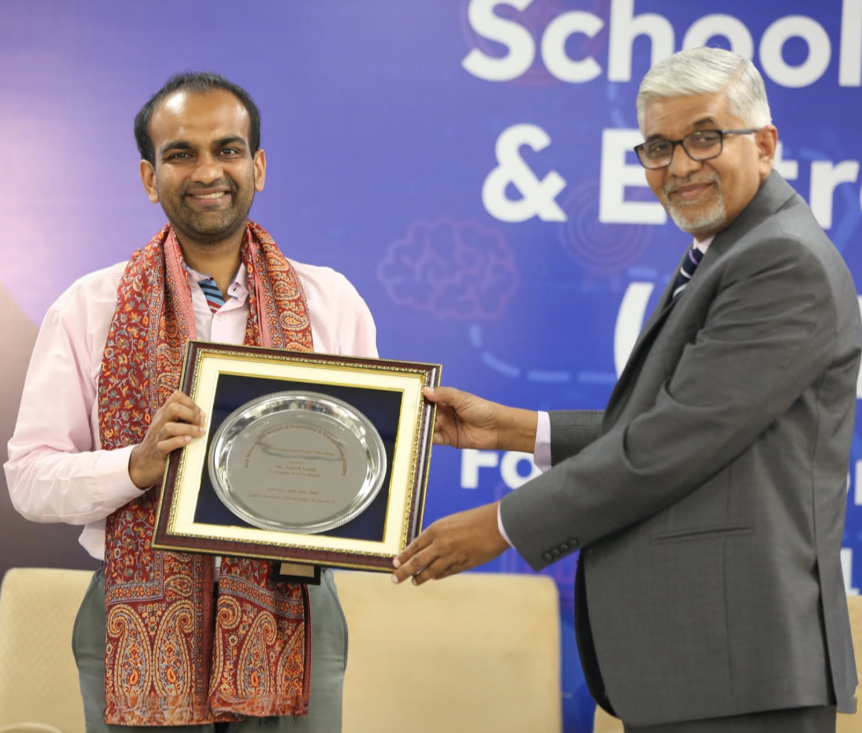
How it began
Aakrit Vaish was the only child in a close-knit Mumbai family. At 19, he left it all behind to study Industrial Engineering in the US.
No siblings, no boarding school prep, just him, alone in a foreign country, figuring out his identity from scratch.
After graduating, he landed a job as employee No. 12 at Flurry, a mobile analytics startup in San Francisco. There, he noticed something, messaging apps like WhatsApp were seeing engagement numbers far higher than search.
That one observation sparked a question, what if businesses could talk to customers the same way people talk to each other?
The Growth Story
In 2012, Aakrit started prototyping with co-founder Swapan Rajdev. They went full-time in August 2013, launching under the name Haptik.
From there, Haptik scaled into one of the world’s largest conversational AI platforms, serving names like Samsung, KFC, and OYO. In 2019, Reliance Industries acquired a majority stake in a $100 million deal, one of Asia’s biggest AI acquisitions at the time.
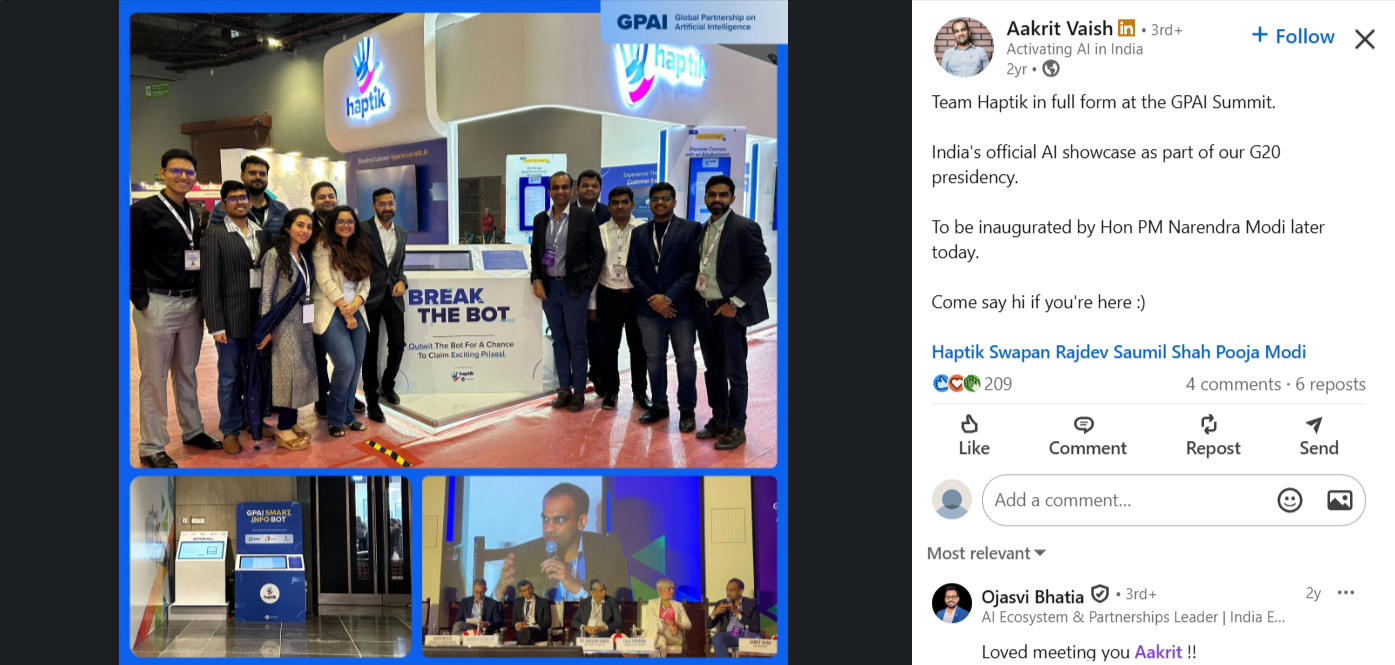
Aakrit went on to angel-invest in over a dozen startups, including an early bet on Unacademy, and co-founded the Tech Entrepreneurs Association of Mumbai, building the ecosystem that once helped founders like him.
The entrepreneurial lesson
Aakrit didn’t chase a grand AI vision. He noticed one small shift in human behaviour and built a company around it before anyone else did.
The lesson? You don’t need to predict the future. You just need to actually pay attention to the present.
How ZeroAdo helps you become a leading entrepreneur in Mumbai
A banker who quit at 50. A philosophy grad who now runs WhatsApp. A family business heir who couldn’t stop watching TV as a kid. Two childhood friends who fixed India’s medicine problem.
None of them started with a perfect plan.
What they had was the willingness to start anyway, and the stubbornness to stick around long enough to find out if it would work. Mumbai didn’t hand any of them success. It just gave them room to fail, get back up, and try again.
So here’s the real question. What’s stopping you?
Every founder on this list eventually hits the same wall, a great product or idea still needs the right people to find it. That’s where most businesses quietly stall.
This is exactly where ZeroAdo comes in.
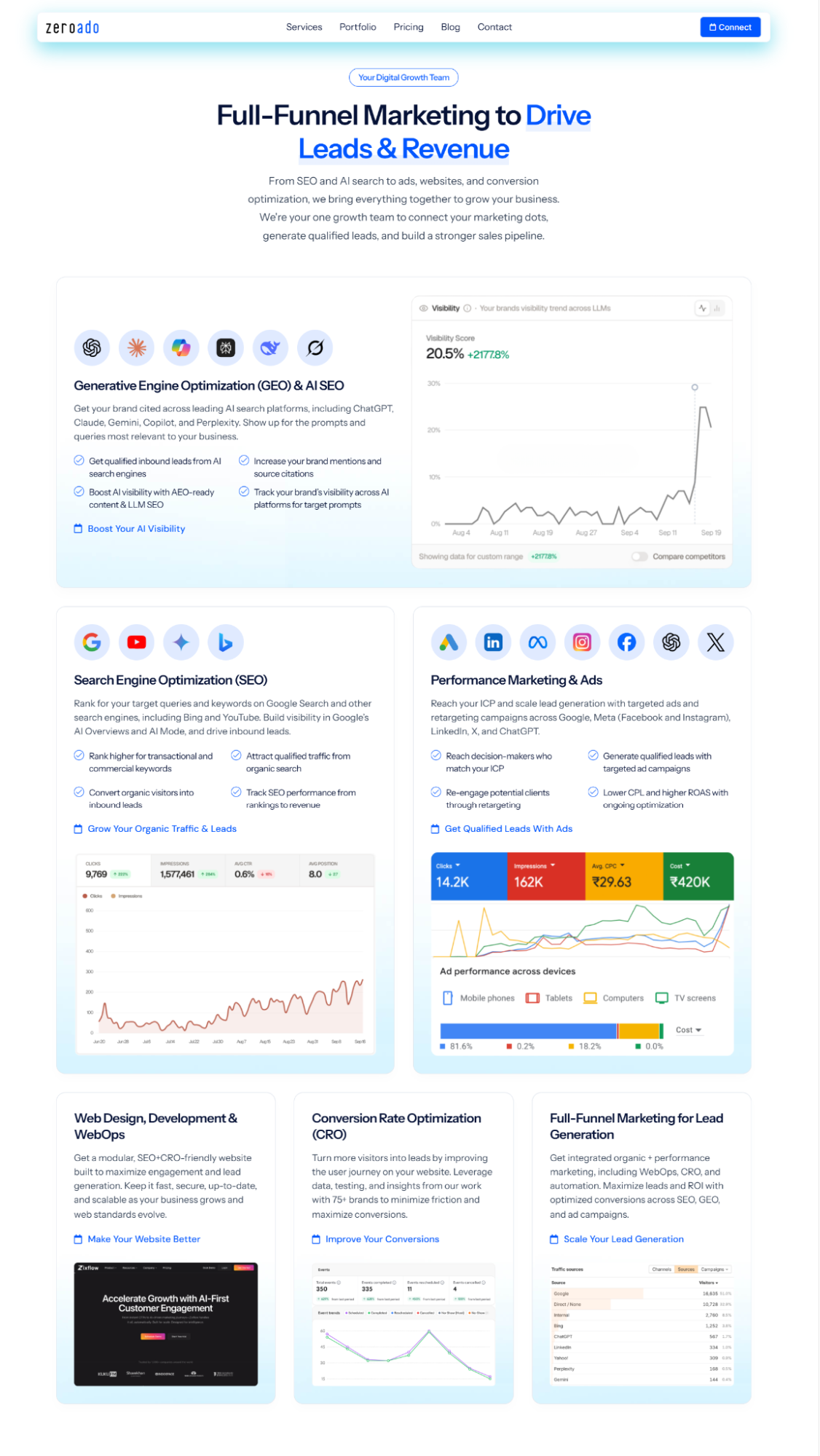
ZeroAdo helps founders and growing brands get discovered by the right audience, whether that’s through search, AI platforms like ChatGPT, ads, GTM, outbound marketing or a modular website that’s actually built to convert. The focus is on real growth, not vanity metrics.
You don’t need to have it all figured out. You just need to start and let the right marketing do the rest. Every entrepreneur featured in this guide started with an idea and the courage to act on it.
If you’re ready to take the first step toward building your own business or personal brand, you can book your free discovery call with us. We’ll help you shape your vision into a story that grows with purpose.
FAQs about entrepreneurs in Mumbai
Mumbai has thousands of active startups and several unicorns across fintech, e-commerce, healthtech, and gaming, including Nykaa, Dream11, CRED, and Pepperfry. What makes this list interesting is the variety. Mumbai’s founders have built very different businesses here, showing how the city supports ideas across industries, stages, and ambitions effectively.
Mumbai has been a business hub for centuries, and that history still shows. You have access to capital, talent, media, and a huge customer base, all within one city. Add Mumbai’s famously fast pace, and you get an environment where founders are constantly pushed to move, adapt, and build consistently.
The entrepreneurs featured here come from beauty, e-commerce, fintech, FMCG, gaming, entertainment, healthcare, home décor, education, and conversational AI. That mix is probably the most interesting part. Mumbai’s entrepreneurial story isn’t tied to one industry. Founders here have built businesses wherever they spotted a problem worth solving for themselves today.
One thing you’ll notice across these stories is persistence. Several founders dealt with rejection, uncertainty, or little experience before finding their footing. They also adapted when their first idea didn’t work. There wasn’t one formula. They kept experimenting, learning from setbacks, and finding a way forward when things got difficult.
Honestly, it’s the combination that makes Mumbai interesting for entrepreneurs. You have access to capital, talent, customers, media, and a business culture that has been evolving for generations. The city can be exhausting, but that same pace can push you to act quickly, test ideas, meet people, and keep moving.
Several founders on this list faced rejection, funding struggles, or scepticism before things started working. What I like about these stories is that failure wasn’t treated as the final chapter. They changed direction, tried again, or simply kept going. Sometimes, the setback became what taught them what to do next.
Funding looked very different for each founder. Falguni Nayar put in around ₹2 crore of her own savings, while Ronnie Screwvala started UTV with roughly ₹37,000. Others raised venture capital after facing rejection. There really wasn’t one formula here; funding often came after founders had committed to building something real.
Not all of them. Falguni Nayar, Harsh Mariwala, and Anupam Mittal remain active in their businesses, while Kunal Shah moved on to lead WhatsApp in 2026. Ambareesh Murty passed away in 2023, but Pepperfry continues. Their journeys may have changed, but the businesses they helped build continue to live on.
If you’re trying to build something yourself, I’d start with the problem each founder noticed. Falguni saw an opportunity in beauty retail, Harsh Mariwala questioned how coconut oil was sold. Their stories show that good ideas often begin with paying attention, testing a thought, and being willing to keep going.
Once you’ve built a strong idea, getting the right people to notice it matters too. ZeroAdo helps you with AI SEO, GEO, performance marketing, outbound marketing, and conversion-focused websites. If visibility and qualified leads are your next priorities, these services can help turn your digital presence into a growth channel.
