
“I think I’m done with this entrepreneurship thing. I’ll just find a 9-to-5 job that pays enough for me to live a normal life. I don’t want to be a founder anymore… maybe I’ll just drop the idea of ever being on a list of top Indian entrepreneurs someday.”
These were the exact words from one of my younger cousins during a phone call we had recently.
I come from a family where almost 90% of people run their own business. Some are in catering, some in hardware, one is in photography, and a few, like me, are in jobs.
Let me give you a two-liner brief about myself.
I was once part of my family’s catering business, but over time, I decided to take a break from it. Eventually, I joined ZeroAdo, a digital marketing agency (coincidentally, the same city my cousin is from).
At ZeroAdo, I’ve seen how smart digital strategies, including SEO, can help local businesses reach customers far beyond their city.
I literally grew up watching people build and run their businesses.
The ones with well-established firms are always thinking about how to grow revenue. The ones who have just started, like my cousin in Faridabad, are stuck dealing with daily challenges. Every day brings a new problem, and after a while, it starts eating away at your confidence.
My cousin has been questioning himself: Should I drop this? Should I carry on? All my friends are moving ahead in life, and I feel like I’m the only one falling behind.
Frustrated, he poured out everything you just read in the first line of this blog.
I told him, “I’m coming to Faridabad this Saturday. Let’s catch up. Until then, please don’t take any big decision about shutting down your startup.”
A few days later, I was in Faridabad. We met at a café in Sector 15 at Cafe Grub Up.
Over coffee, we talked about everything that was bothering him. Then I started sharing the stories of some amazing companies that began right here in Faridabad and went on to become national, and in some cases, global brands. The ones you’re about to read below.
Top 10 Faridabad companies that started small just like yours
There are probably hundreds of companies that have started in Faridabad, from small startups and SMBs to large enterprises. But the list below focuses on the ones that began small, grew steadily, and eventually became giants in their industries, now recognized as top players both nationally and globally.
Escorts Kubota
If you’ve ever been around Faridabad or the nearby villages of your locality, you’ve probably seen one of these tough-looking tractors.
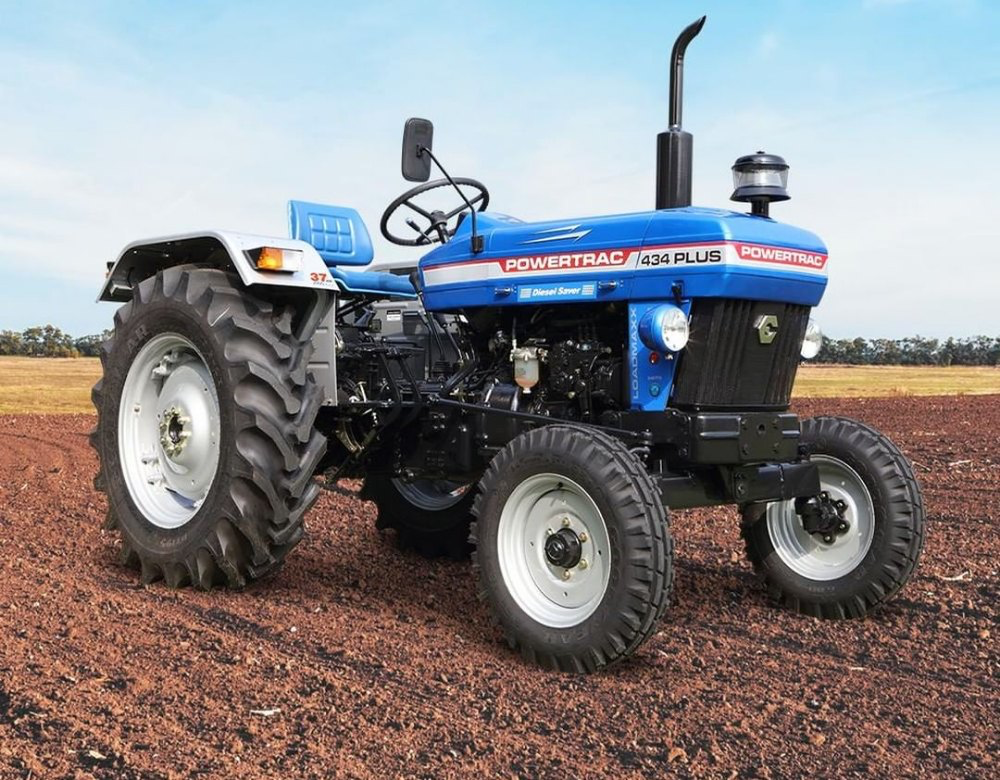
Yep, that’s Escorts.
The story actually starts way before Faridabad came into the picture. Two brothers, HP Nanda and Yudi Nanda had this small setup in Lahore called “Escorts Agents Ltd.” Then came 1947. Partition hit, and HP Nanda lost everything. His bus service business was destroyed overnight. He came to Delhi with ₹5,000 and two cars. That’s it.
Now, most people would have called it quits right there. But he didn’t. In 1949, he managed to get the franchise to sell Massey Ferguson tractors in India. Ten years later, they evolved from distributor to manufacturer. Meaning they were making their own tractors using tech from Poland’s Ursus Factory.
This is where Faridabad enters the scene. The city became their home base. From here, tractors started rolling out, changing the way Indian farmers worked. No more endless manual labour, these machines made farming faster and more profitable.
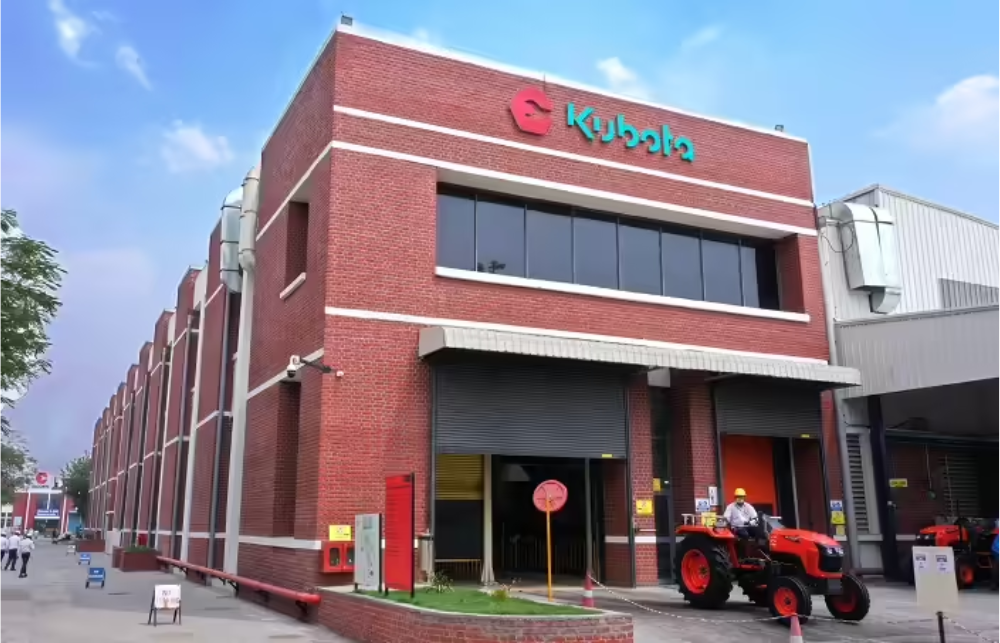
Fast forward to today, Escorts Kubota has a huge Faridabad facility, owns 12% of the tractor market in India, builds over 1.2 lakh tractors every year, and sells in 40+ countries. Revenue in 2023? ₹8,120 crore. All from someone who came here with almost nothing.
Founder lesson: You don’t need a fancy starting point. Faridabad has space for people who are ready to start small and build something huge.
Havells India
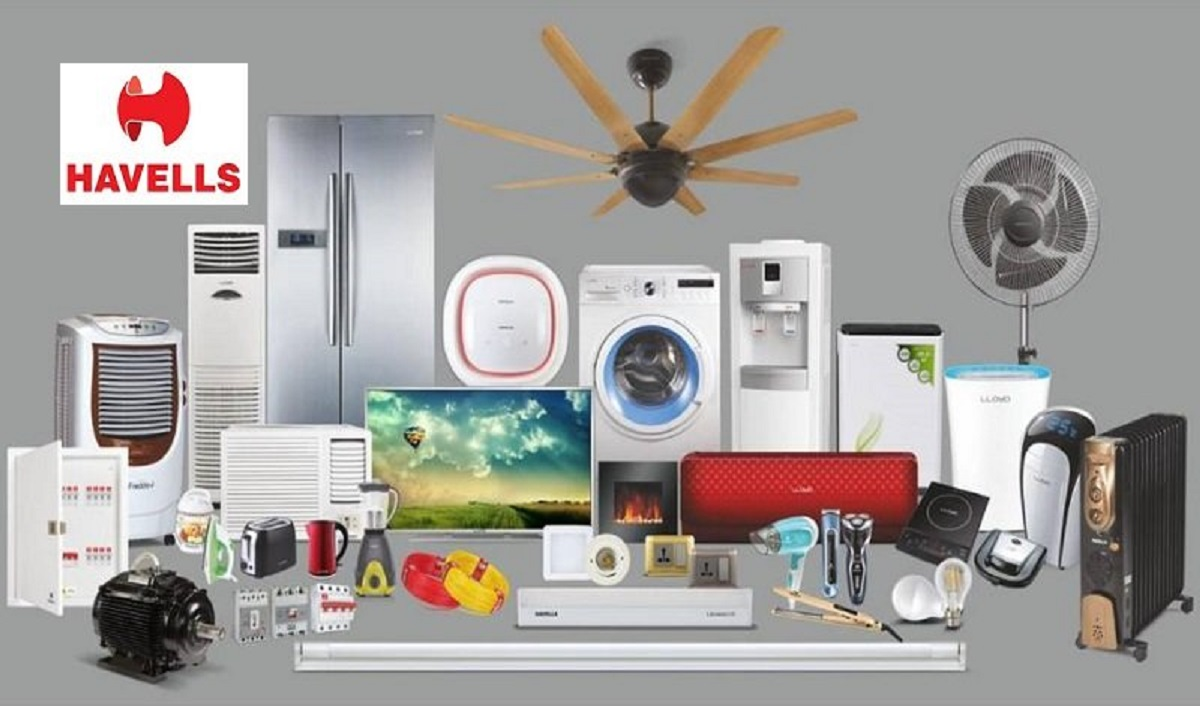
I’m pretty sure there’s at least one Havells product in your home, maybe a fan, a switch, or a wire hidden inside your walls.
The man behind it? Qimat Rai Gupta. Born in 1937 in a small town in Punjab, he didn’t grow up with money or big connections. In fact, he once sold oil on a cycle just to make ends meet.
In 1958, at just 21, he dropped out of college and came to Delhi with ₹10,000 in his pocket. He opened a small electrical shop called “Guptaji & Company” in the busy, cramped lanes of Bhagirath Palace market.
His big turning point came in 1971 when he bought the rights to the Havells brand for ₹7 lakh from Haveli Ram Gandhi. Back then, it was just a name, but Gupta turned it into something much bigger. By 1976, he had his first manufacturing unit in Kirti Nagar.
When cheap Chinese products started flooding the market in the late ’80s, he didn’t compete on price. Instead, he focused on quality, a “make in India” mindset, and building a strong brand. He also had a smart habit of buying struggling companies and turning them profitable within a year.
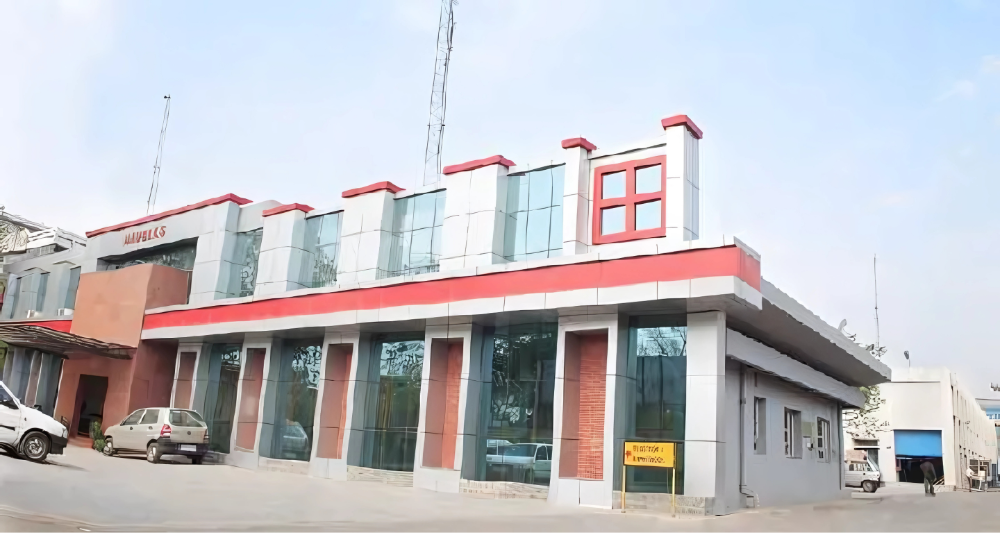
From that small ₹10,000 start, Havells today makes ₹21,778 crore in revenue, runs 15 plants (including one in Faridabad), and sells in 70+ countries. When Gupta passed away in 2014, he was worth $2 billion. Today, his son Anil Rai Gupta is carrying the torch, and the company’s market cap has crossed ₹92,000 crore.
Founder lesson: You don’t need to be born in a metro or have a fancy degree. If you know your product, trust your quality, and think long-term, you can build something that powers homes across the world, even from right here in Faridabad.
NHPC Limited
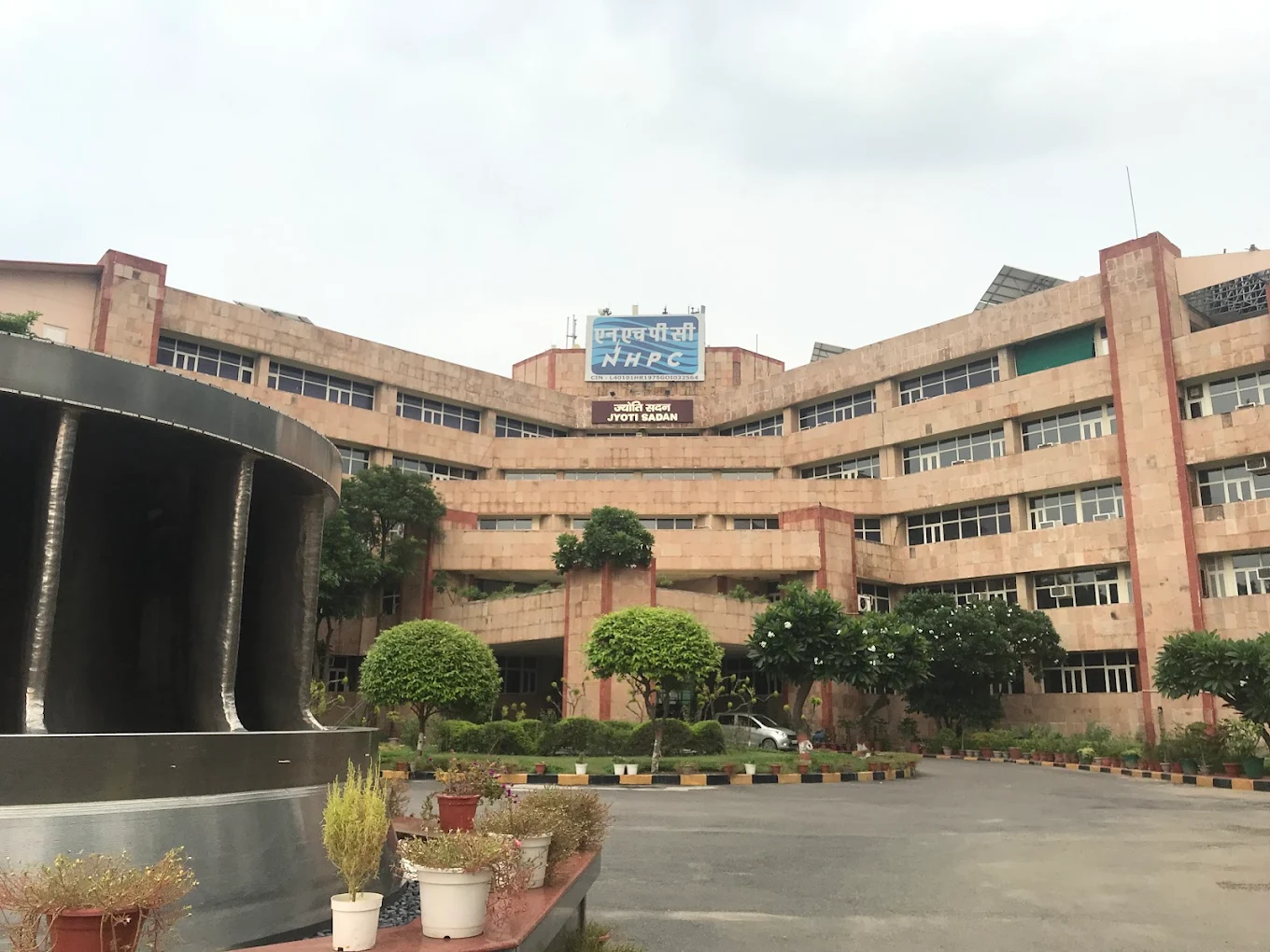
NHPC’s story is a bit different from the other companies here. It didn’t start with one founder chasing a business dream, it started with a national mission.
Back in 1975, the Government of India set up NHPC to tap into the country’s massive, but mostly untouched, hydropower potential. And instead of giving them easy work, the government handed NHPC three of the most difficult, almost-forgotten projects: Baira Siul in Himachal, Loktak in Manipur, and Salal-I in Jammu & Kashmir.
These were the kind of projects others had already given up on. But NHPC pulled it off. Baira Siul was up and running by 1981, Loktak in 1983, and Salal-I in 1987. Each project wasn’t just a technical win, it was proof that they could handle challenges most would walk away from.
And here’s the Faridabad part, while their plants are in the mountains, their corporate headquarters is right here in Sector 33, Faridabad. This is where the big decisions are made, strategies drawn, and projects coordinated across the country.
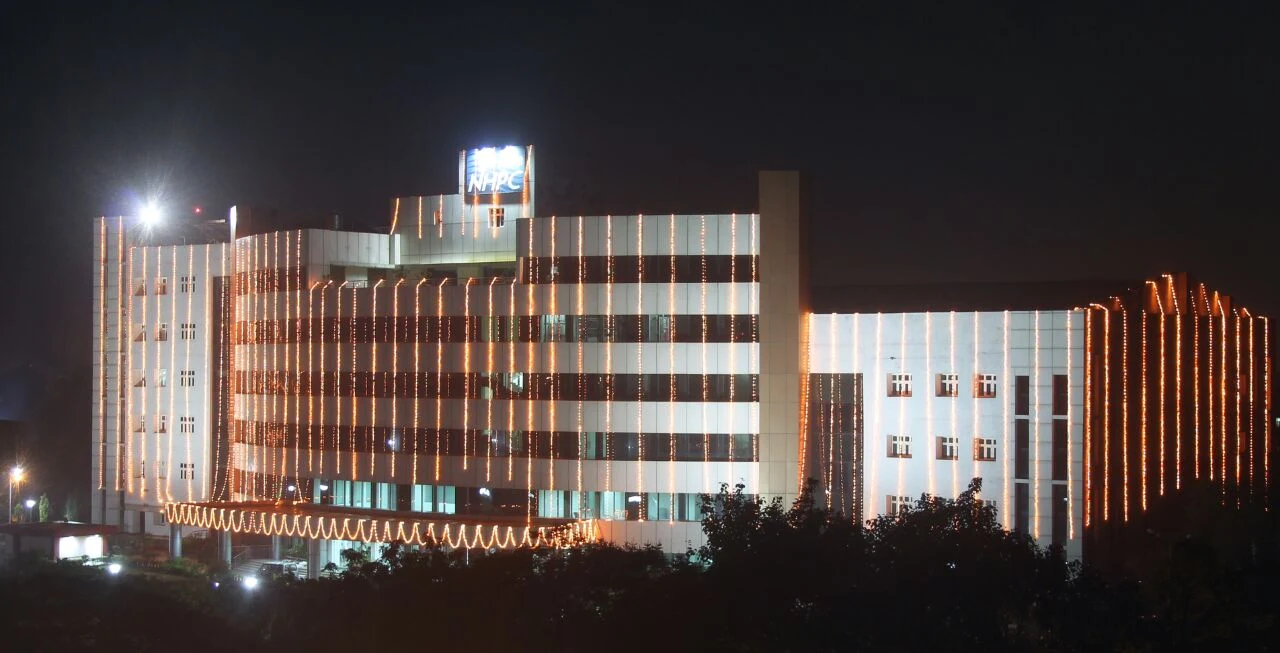
Today, NHPC runs plants with a total capacity of 7,144 MW, has ‘Navratna’ status (as of August 2024), and is building projects that will take them to 23,000 MW by 2032, and 50,000 MW by 2047. They’re also leading renewable energy projects worth 27,650 MW in various stages of development.
Founder lesson: You don’t have to be at the project site to make an impact. Sometimes the most important work happens in offices like the one in Faridabad where vision, planning, and execution come together to move mountains (literally).
Imperial Auto Industries
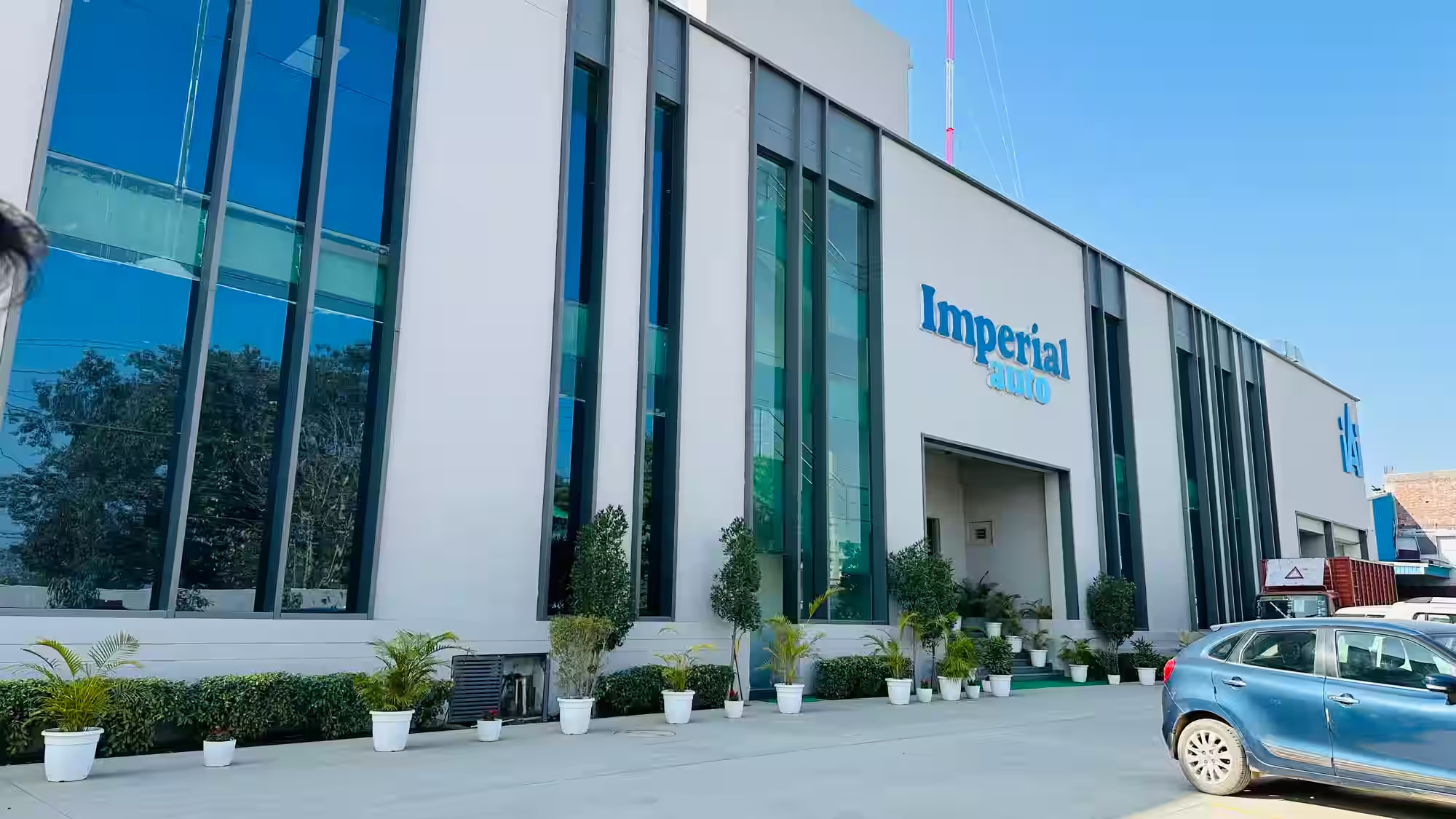
Back in 1969, Jagjit Singh started something small in Faridabad, making basic low-pressure fuel assemblies for tractors and other vehicles. Nothing fancy, just a small setup with a big dream: serve the growing Indian automotive sector with quality products.
In the early days, it was all about relationships and trust. They started supplying names like M&M, Telco, Kirloskar, FIAT, and even the good old Ambassador.
Then came the 1980s, and with it, a new wave of Japanese carmakers like Maruti-Suzuki entered India. But Imperial didn’t sit back, they adapted, upgraded, and started supplying these new players too. It was their first taste of high-volume manufacturing.
Over the years, they kept raising their standards, earning certifications like QS-9000 (2000), ISO-14001 (2003), and TS-16949 (2004). These weren’t just pieces of paper, they were tickets to global markets.
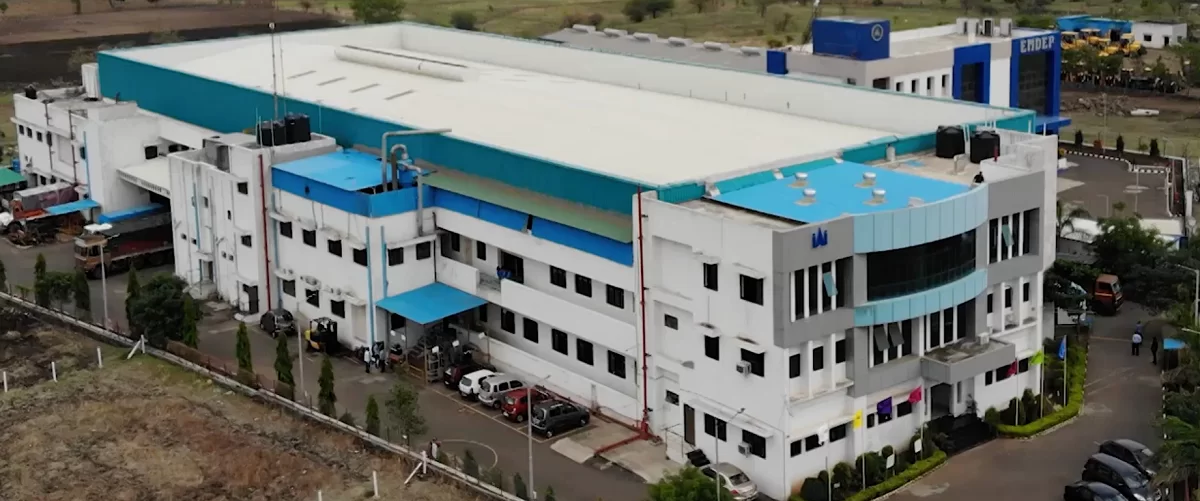
Today, Imperial Auto is India’s largest integrated manufacturer of fluid transmission products. They’ve got 20+ facilities across India, 3 international locations, and make around ₹2,200 crore in revenue. In 2022, global investor Warburg Pincus bought into the company, betting big on their role in the EV boom.
Founder lesson: Imperial’s story proves you don’t have to start with cutting-edge tech or a giant plant. You can start small in a Faridabad workshop, keep improving, and end up supplying to the world’s biggest automotive brands.
Goodyear India
If you’ve any two wheeler and four wheeler in your house chances are you’re familiar with goodyear.
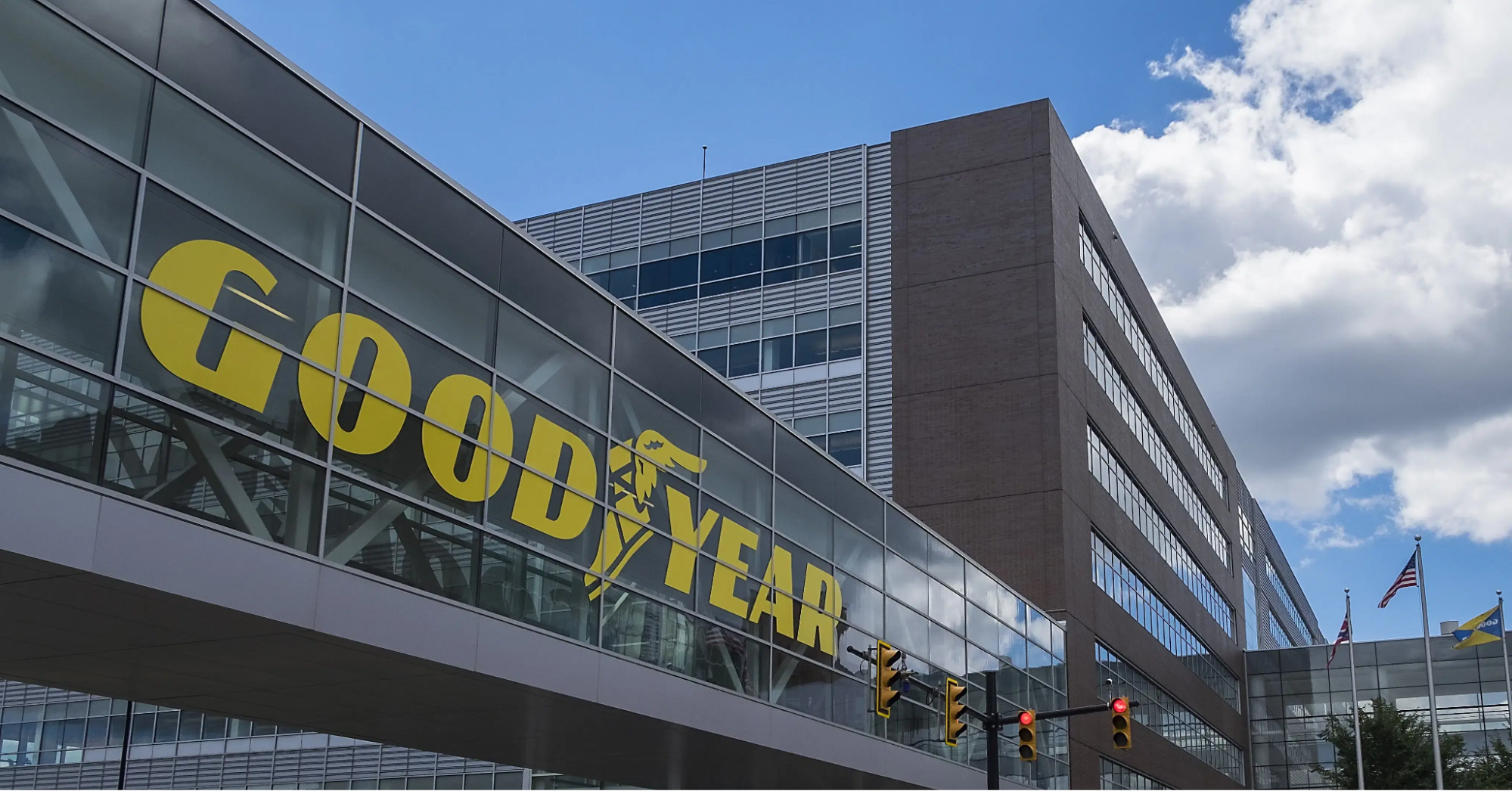
Its India story began back in 1922 when an American company first stepped into the Indian market. However the real action (manufacturing) started in 1961 when they set up their first manufacturing plant in Ballabgarh, Faridabad.
Earlier they were making bicycle and carriage tires with just a small team. These early days weren’t easy as India’s auto scene was still pretty new, and making tires needed serious technical know-how.
Over time, they started adding more products. In 1982, they switched from bicycle tires to scooter and motorcycle tires by keeping an eye over how India’s transport was changing. Then in 1993, they teamed up with RPG Group to start South Asia Tyres Limited for making steel radial tires. By 1998, Goodyear took full control, showing they were here to stay.
Today, Goodyear India rules the tractor tire market with around 33% market share, works with every big tractor company you can name, and supplies to top car makers too. They’ve got two world-class plants now, crossed 100 years in India in 2022, and pulled in ₹2,953 crores in FY 2022-23 with ₹165 crores profit. Not bad for a company that once only made bicycle tires in a small Faridabad unit.
Founder lesson: You don’t have to start big. Start with what you can build today, watch the market, and be ready to pivot when things shift. Goodyear didn’t become a leader overnight, it’s 60+ years of steady moves in Faridabad.
JCB India
Have you ever heard about JCB?
Yeah, that big giant we see at every construction site.
Back in 1945, Joseph Cyril Bamford was just another guy in a small garage with a ₹1 welding kit and a head full of ideas. His first product was a basic tipping trailer made from scrap left over from World War II. Sold it for £45 the very day his son was born. That one sale didn’t just pay the bills, it planted the seed for JCB.
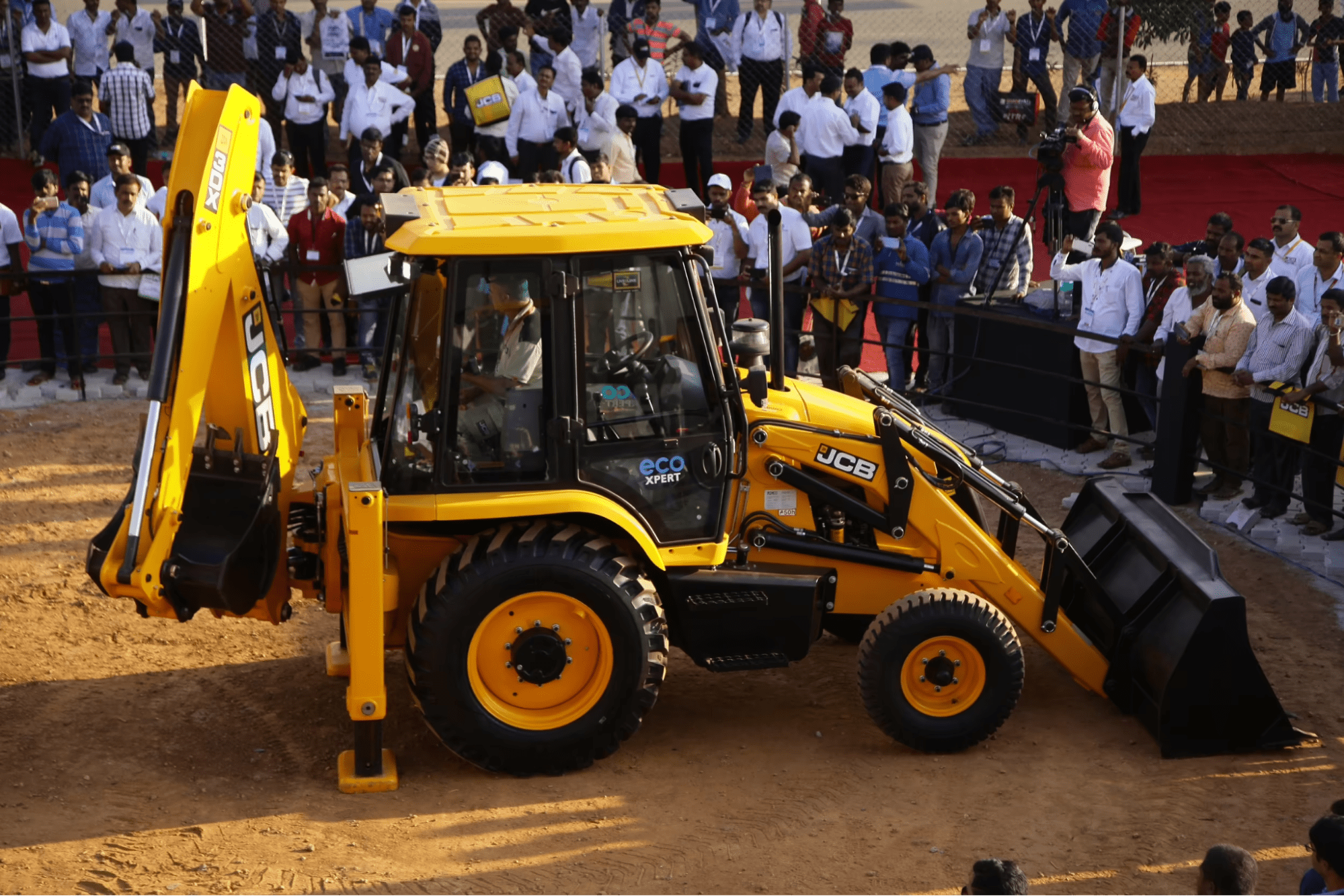
Fast forward a few decades, and in 1979, JCB came to India. At a time when “infrastructure” wasn’t even a buzzword here, they introduced the Backhoe Loader, a machine that could do the work of 50 men in a fraction of the time. Their Ballabgarh plant, right here near Faridabad, went on to become the largest backhoe loader factory in the world.
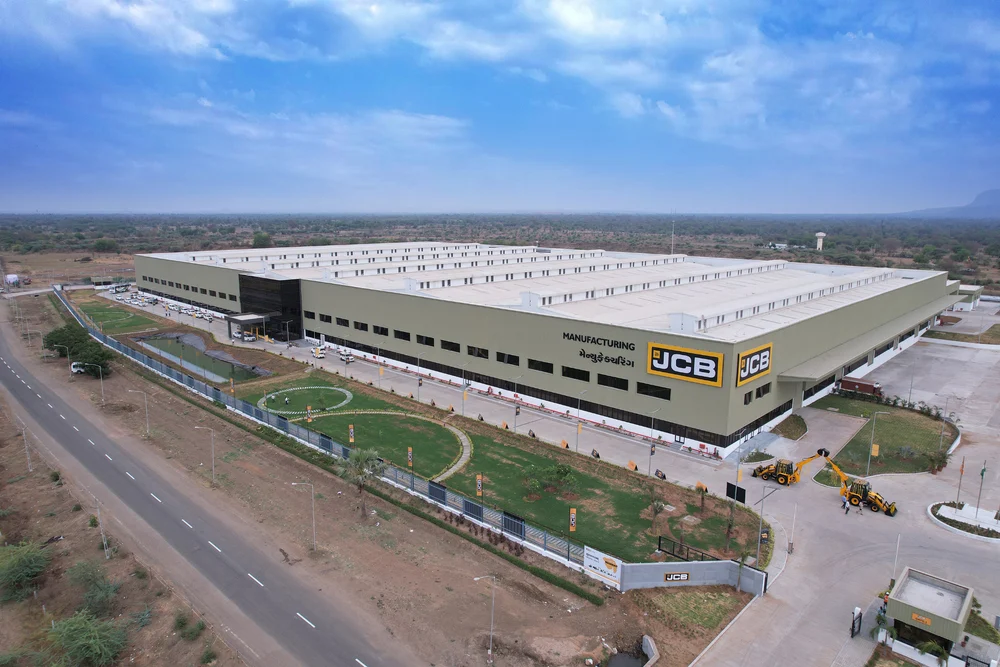
From making just 100 machines a year in the 80s, they now make 25,000 annually, that’s 100 a day. They’ve invested over ₹2,000 crores in India, employ 5,000+ people, and export to 125+ countries. And in India, “JCB” has become the word people use for any excavator. That’s how deep they’ve embedded themselves into the culture.
Founder lesson: You don’t need a big factory or a fat bank account to start. Sometimes, all it takes is one small win (and the courage to sell it) to set off a chain reaction that can change entire industries.
Sanden Vikas India
Can you imagine cars without AC? Sounds impossible today, right? But go back to the early 80s, and car AC was a pure luxury in India. Most people would roll down the windows and call it a day.
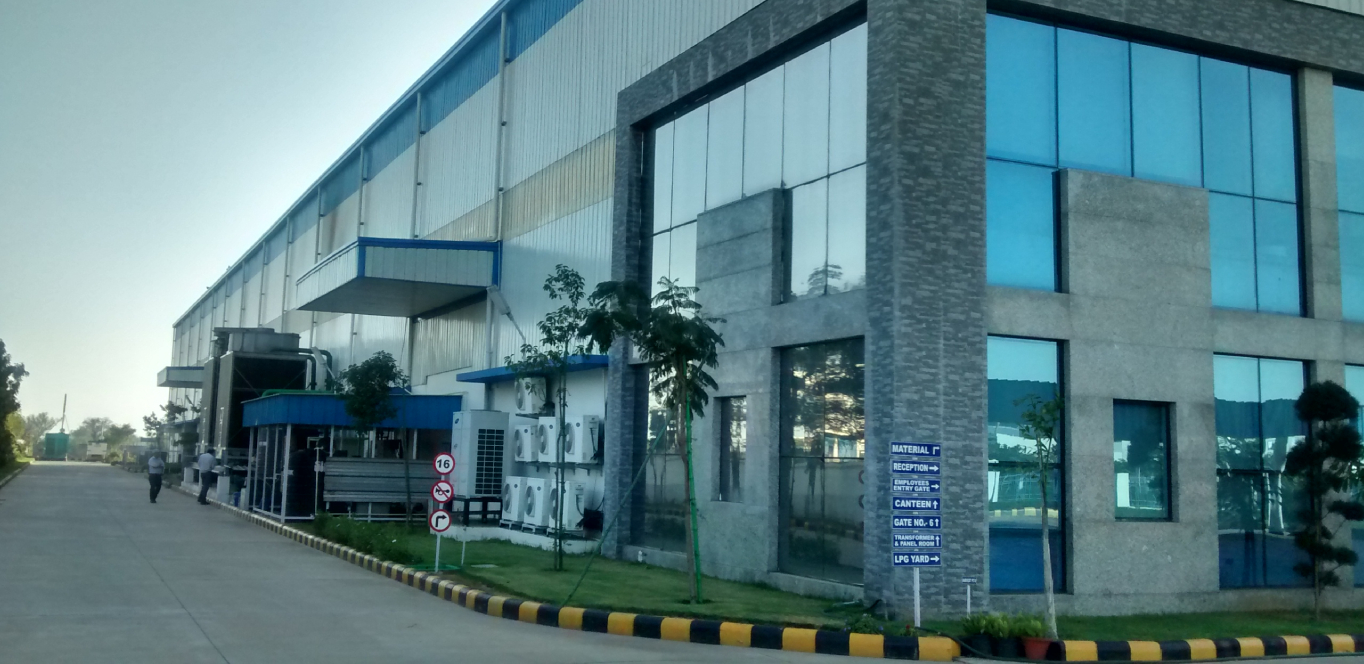
That’s when the Vikas Group decided to make a bold move. In 1982, they partnered 50:50 with Japan’s Sanden Corporation to start making automotive AC systems right here in Faridabad. At a time when demand was tiny and margins were risky, they were already building for the future.
They didn’t just stop at making basic units. Over the years, they mastered all three types of compressors: Fixed Displacement, Variable, and TR-Scroll under one roof. They set up high-tech testing facilities: CAD/CAE design tools, wind tunnel labs, and even climatic chambers to make sure their ACs could handle the worst Indian summers.
Fast forward to today, they supply a million HVAC units every year, serving giants like Maruti Suzuki, Honda Cars, Tata Motors, Mahindra & Mahindra, and more. They even dominate the EV market’s battery cooling systems with an 85% market share.
Founder lesson: Sometimes the market isn’t ready yet, but if your gut says the future’s coming, you build for it anyway. By the time everyone else wakes up, you’re already miles ahead.
This actually reminds me of something more recent. Remember when Reliance dropped Jio 4G while everyone else was still stuck on 3G? People thought they’d lost it… but look who’s laughing now. Sanden Vikas pulled the same move years back, right here in Faridabad.
Shahi Exports
If you’ve ever bought clothes from a big global brand, there’s a good chance they were stitched right here in India, maybe even in Faridabad.
No I’m not kidding.

Back in 1974, Sarla Ahuja started Shahi Exports from a small home setup, making clothes for the local market. She worked late nights and brought in women from low-income families to join her and invested ₹5,000 in 1974 to open her first production unit in Delhi’s Ranjit Nagar. That little setup could make just 200 pieces a day.
Her sons joined in the ’90s, Harish handling India ops, Sunil in the US. They split the business into divisions, embraced professional management, and became pioneers in empowering women workers.
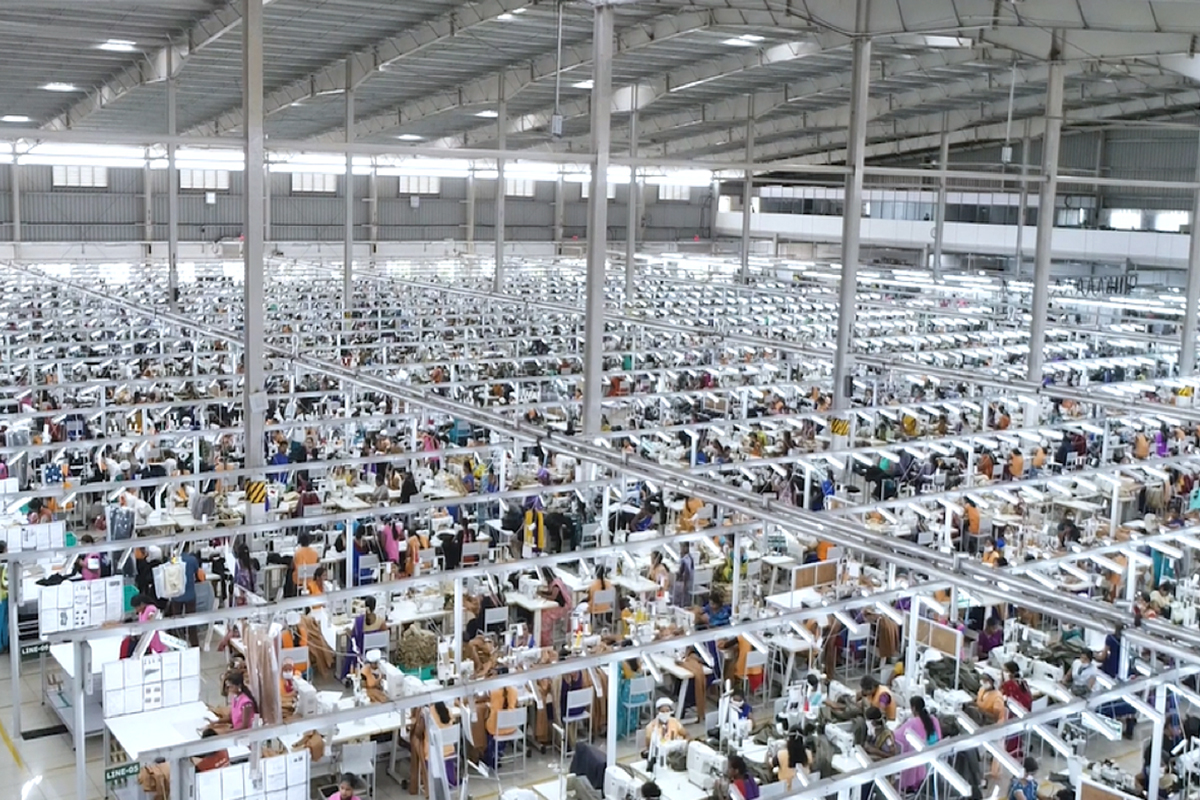
From 15 women in one small unit to 115,000 employees and ₹8,244 crore revenue, Shahi now supplies Walmart, Gap, H&M, and more, still holding on to Sarla’s vision of giving women a fair shot at a better life.
Founder lesson: You don’t need a big office, investors, or perfect conditions to start. You just need to start. Sarla built Shahi while facing neighbourhood gossip, sleepless nights, and tight cash, and turned it into a global powerhouse.
TechGropse
After talking about heavy machines, let’s jump to a Faridabad company that runs on pure tech brains.
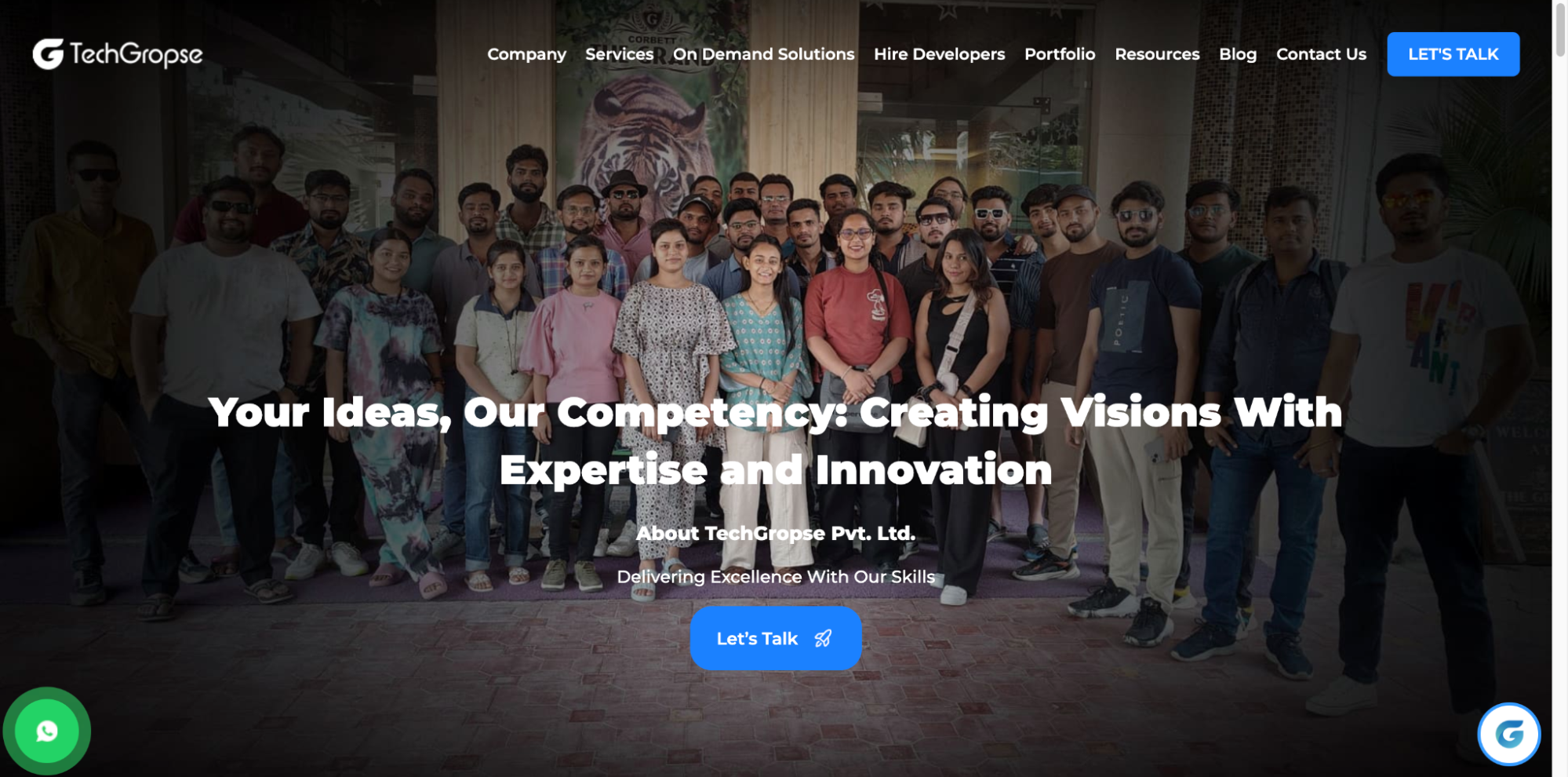
TechGropse started in Faridabad somewhere around 2014–2015 with a tiny team of developers who believed they could take on the world. The founders started with one simple, slightly crazy idea: “Let’s start with just 10 projects and see how far we can go.”
In the early days, there was no “department” for marketing or sales. The founders were the coders, the client managers, and sometimes even the chai-walas. They worked out of a small office, chasing deadlines and dreaming big.
Slowly, they went from 10 projects to 100+, and from a handful of people to 200+ tech experts. They got their names featured on platforms like Clutch, and GoodFirms, which helped them earn trust beyond India.
Offices followed in the USA, UAE, Singapore, and other corners of the world. Today, they’ve delivered 1,000+ projects in 25+ countries, serving clients from the US to Kuwait, all while keeping their roots in Faridabad.
Founder lesson: You don’t need a Silicon Valley zip code to build a global tech brand. You need the courage to start small, the patience to scale slowly, and the guts to say yes to big challenges even when you don’t have all the resources yet.
Damco Solutions

Back in 1996, a bunch of young tech lovers in Faridabad led by Mohit Gupta decided to start something of their own. They didn’t have deep pockets, fancy offices, or an army of investors. What they did have was a shared belief: “Let’s do honest, genuine work in IT and put the customer first.”
The IT services scene in India was still finding its feet, and Damco’s founders asked themselves, “How can we be different?” The answer became their north star: customer focus above all.
From coding small software projects in the early days, they slowly grew into a full-blown IT services company – Damco Solutions. One step at a time, they added consulting, outsourcing, and eventually expanded abroad, setting up offices in the US, UK, Luxembourg, and across India.
They kept their quality high, earned CMMi and ISO badges, and managed something most IT companies can only dream of, keeping employee turnover at just 6–7%.
Today, Damco runs with a 1,600+ strong team, a 98.8% client satisfaction rate, and 700+ successful projects under its belt, all done without burning through investor money. Most of their clients have stuck around for over 6 years, and the business now pulls in $250–500 million in revenue.
Founder lesson: You don’t need a huge launch budget to go global. Sometimes, just doing right by your customers again and again is the only “strategy” you need.
So… what’s stopping you from being the next name on this list?
Look, every big brand you just read about started with the same mix of doubt, tiny wins, and sleepless nights you’re probably living through right now.
Some were just a small shop in a crowded market. Some were literally running out of a shed. But they kept at it, even when it didn’t look “worth it.”
That day at the café, my cousin didn’t get some magical “10-step plan to success” or a motivational speech ripped from a LinkedIn post.
He just walked away knowing one thing, if all these Faridabad companies could start small, with no roadmap, no fancy office, and no guarantee of success… then maybe his story isn’t over yet.
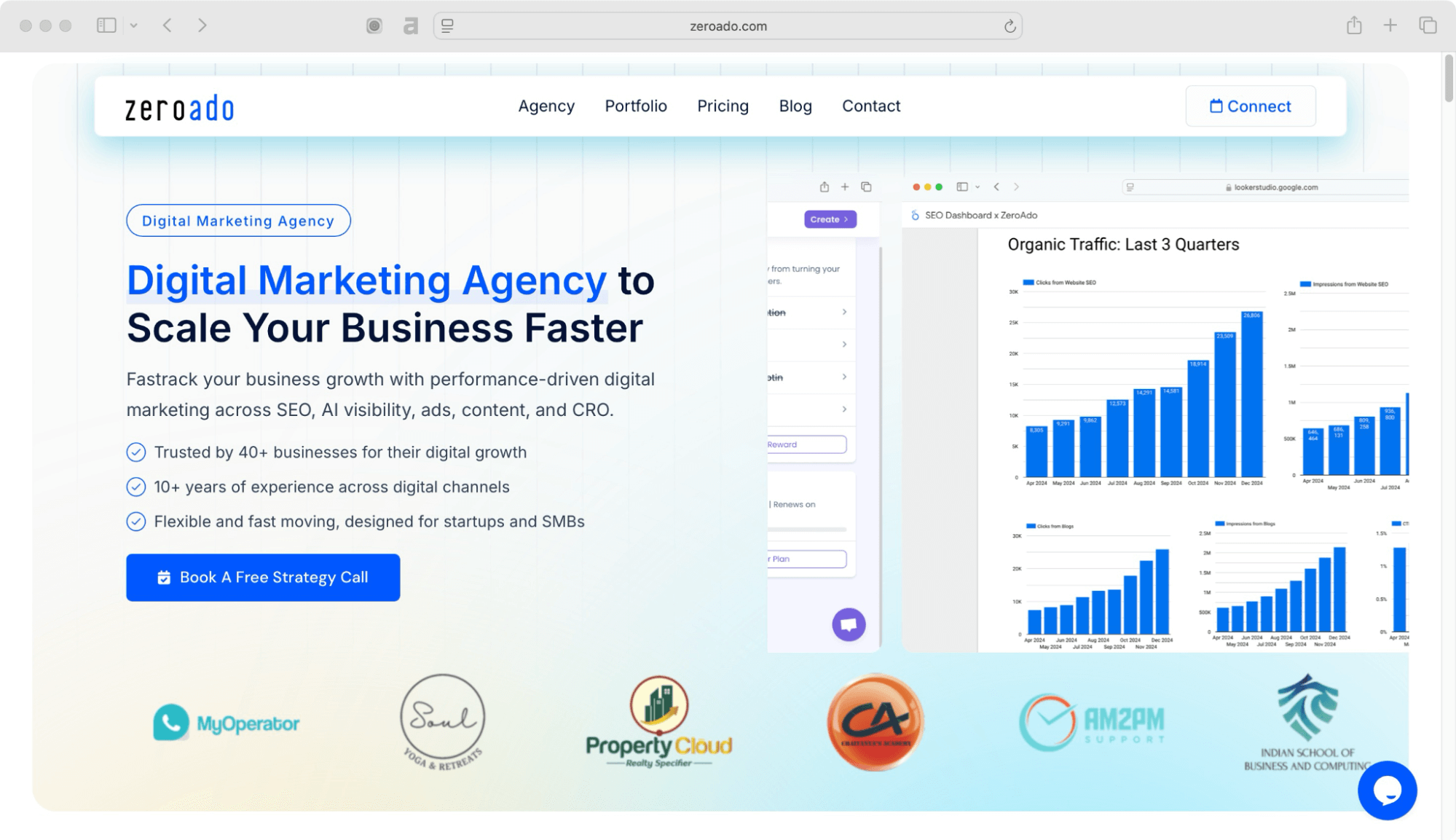
And honestly, that’s the same direction we’re moving in at ZeroAdo. Building something from the ground up, hoping one day our own story sparks someone else to keep going.
That’s the thing about being a founder here, you’re surrounded by stories. Some are loud and famous, others quiet and still being written.
Your chapter might feel messy right now. But the book’s not done.
And if you’re ready to grow your business online, exploring top Indian SEO companies can give you the guidance and strategies to scale effectively.
Who knows? A few years from now, someone might be sitting in a café in Sector 15, telling your story to a founder who’s about to give up.
