
You’ve got listings live, your site’s up, and you’ve even posted on Instagram.
But your phone isn’t ringing.
And your website? Just sitting there. Quiet.
Sound familiar?
In 2026, most real estate consultants are still stuck depending on broker networks, WhatsApp groups, and expensive portal listings just to stay in business.
Meanwhile, buyers are searching things like:
“2BHK flat near metro station with balcony”
or
“best real estate agents near me with good reviews”
Do you know where they are searching?
On Google, ChatGPT, YouTube, and even Quora.
And if your brand doesn’t show up in those results, you’re invisible.
That’s where real estate SEO steps in.
In this guide, I’ll show you 21 practical ways to:
- Rank on search (and AI)
- Drive organic traffic to your listings
- Build a lead system that doesn’t depend on brokers or portals
Think of it as your real estate lead generation strategy, but from an SEO perspective. These are the same tactics we use as a real estate SEO agency to help realtors grow organically in 2026.
Why real estate SEO really matters in 2026
Let’s flip the script for a second.
Imagine someone in your city just got a big bonus without TDS, or sold some crypto, and now they’re looking to buy their first flat or invest in a rental property.
Where do they go first?
Not a broker.
Not MagicBricks.
Not 99acres.
They Google it.
Because nowadays Google isn’t just a search engine, it’s the first agent people talk to.
And now with AI-powered search tools like ChatGPT and Google AI Mode, buyers are asking full-blown questions like:
- “Which is the best area to buy a 2BHK in Gurgaon under 80L?”
- “Is it worth buying a resale flat in Andheri West?”
- “Best-reviewed real estate consultant near me”
If your website doesn’t show up in those results, on Google, Maps, or even AI summaries, you’re out of the game.
And there is a proper proverb for this “out of sight, out of mind.”
Here SEO can help you with the sight:
- Show up for those high-intent, decision-stage searches
- Reduce your cost-per-lead compared to portals
- Build long-term authority that works 24/7
- Compete without throwing money at ads every month
21 ways to boost your visibility and lead generation in real estate SEO
No matter whether you’re a solo agent or a growing real estate agency, these 21 strategies are designed to help you show up where your business matters most, on Google. From fixing crawl issues to AI visibility and website authority, here’s your roadmap to attracting quality leads without burning a hole in your ad budget.
Start with a full real estate SEO audit
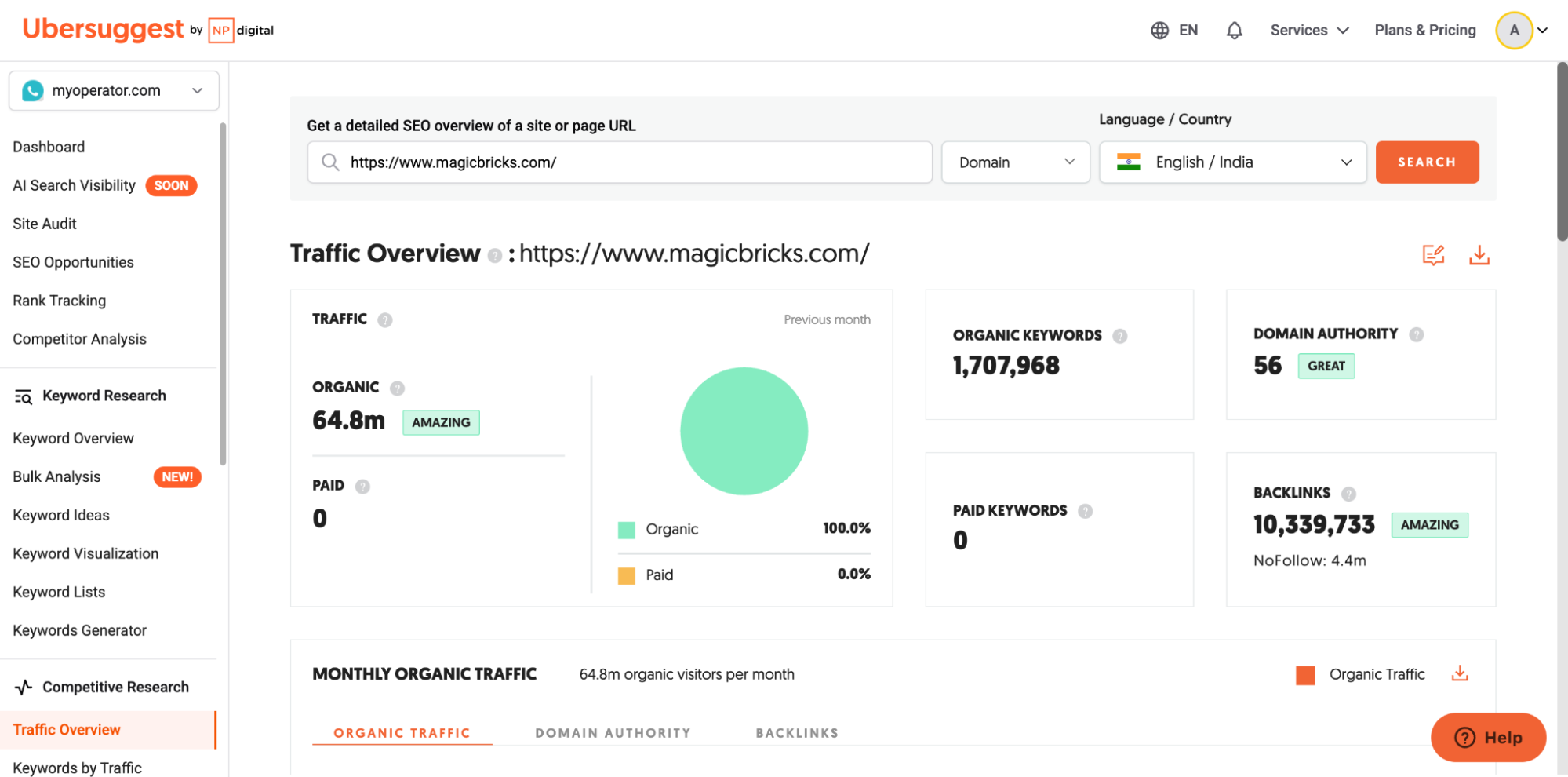
Before anything else, figure out where you stand.
Check your site’s indexing, technical health, on-page SEO, business profile visibility, keyword gaps, and content quality.
A real estate SEO audit helps you spot what’s broken, what’s missing, and what’s working.
For this you can simply ask these questions to yourself:
- Can Google crawl and index my site properly?
- Are my pages loading fast on mobile?
- Are my listings getting traffic?
- Are there broken links or duplicate content?
Pro tip: Use SEO tools like
- Google Search Console (for indexing issues)
- Ahrefs (overall website health and keyword research)
- Pagespeed Insights (for site speed)
If you’re benchmarking your efforts or want to see how professionals handle large-scale audits, it’s worth checking out some of the top SEO companies in India. You’ll get a clear idea of how leading agencies approach site health, keyword strategy, and link optimization, exactly the things that separate an average SEO setup from a high-performing one.
Find high-intent keywords that attract buyers and sellers
Don’t guess what people search, look for it. Focus on keywords that signal someone is ready to act.
Didn’t get it?
Let’s say you’re selling flats in Hyderabad.
Instead of targeting something generic like “flats for sale in Hyderabad,” try:
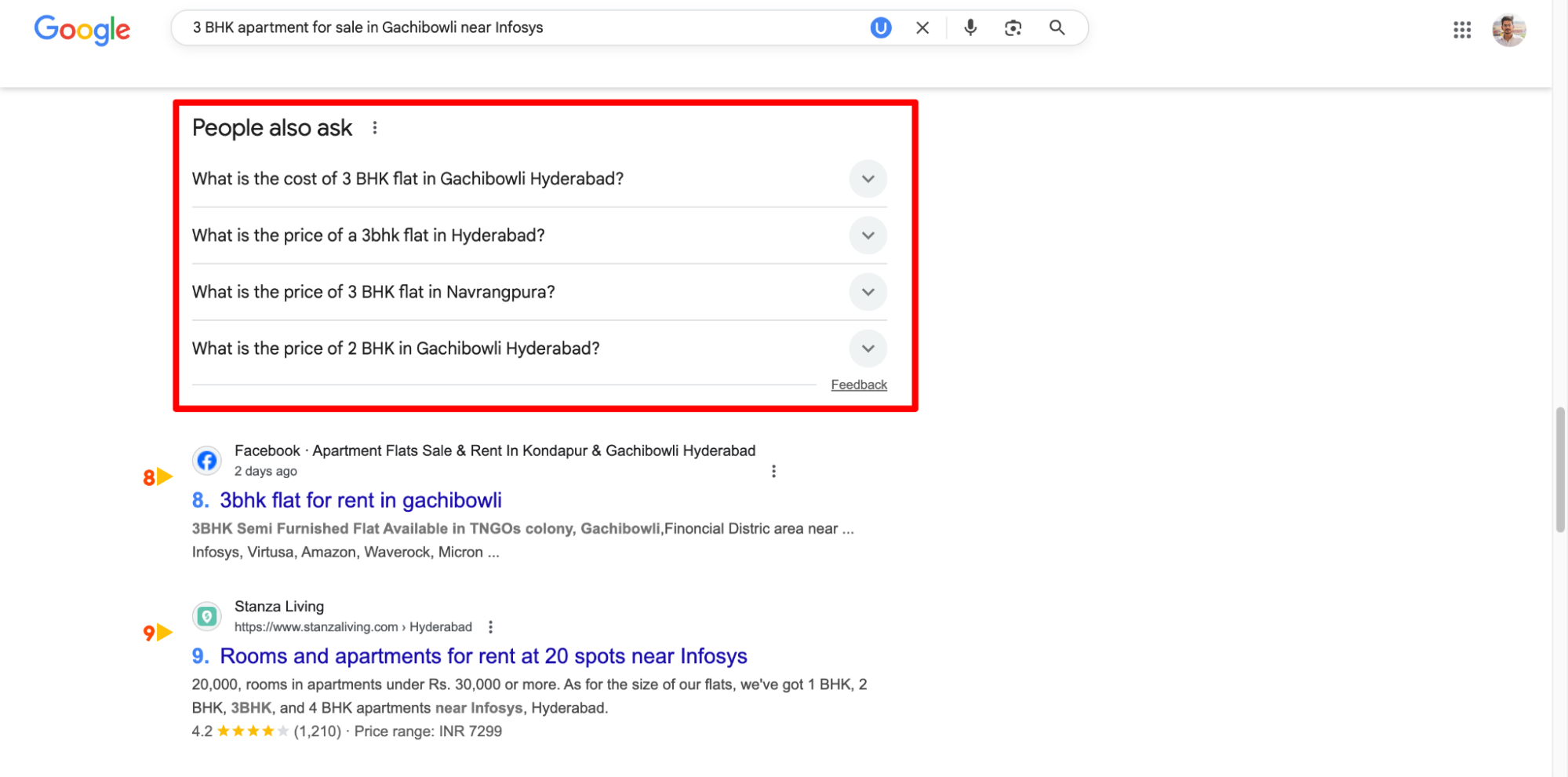
👉 “3 BHK apartment for sale in Gachibowli near Infosys”
👉 “Affordable homes under 50 lakhs in Hyderabad 2026”
These are buyer-ready keywords. They show intent.
Think for phrases people are actually typing when they’re ready to act and use those in your page titles, descriptions, and content.
Tip: Use the “People also ask” and “Related Searches” sections at the bottom of Google to find real questions people ask.
Leverage long-tail, hyperlocal, and semantic keyword opportunities (GEO + AEO)
This one’s big.
Because stuffing your site with generic keywords like “flats in Delhi” just doesn’t cut it. Real buyers are searching like this:
- “2BHK apartment near Huda City Centre with power backup”
- “best gated societies in Noida for families”
- “low maintenance property in Kharghar for senior citizens”
These are long-tail, hyperlocal, and semantic, meaning they reflect how people naturally ask questions. That’s where GEO-targeted SEO (based on location) and AEO (Answer Engine Optimization) come into play.
Imagine two real estate websites:
- Website A ranks #10 for a broad keyword like “flats in Bangalore.”
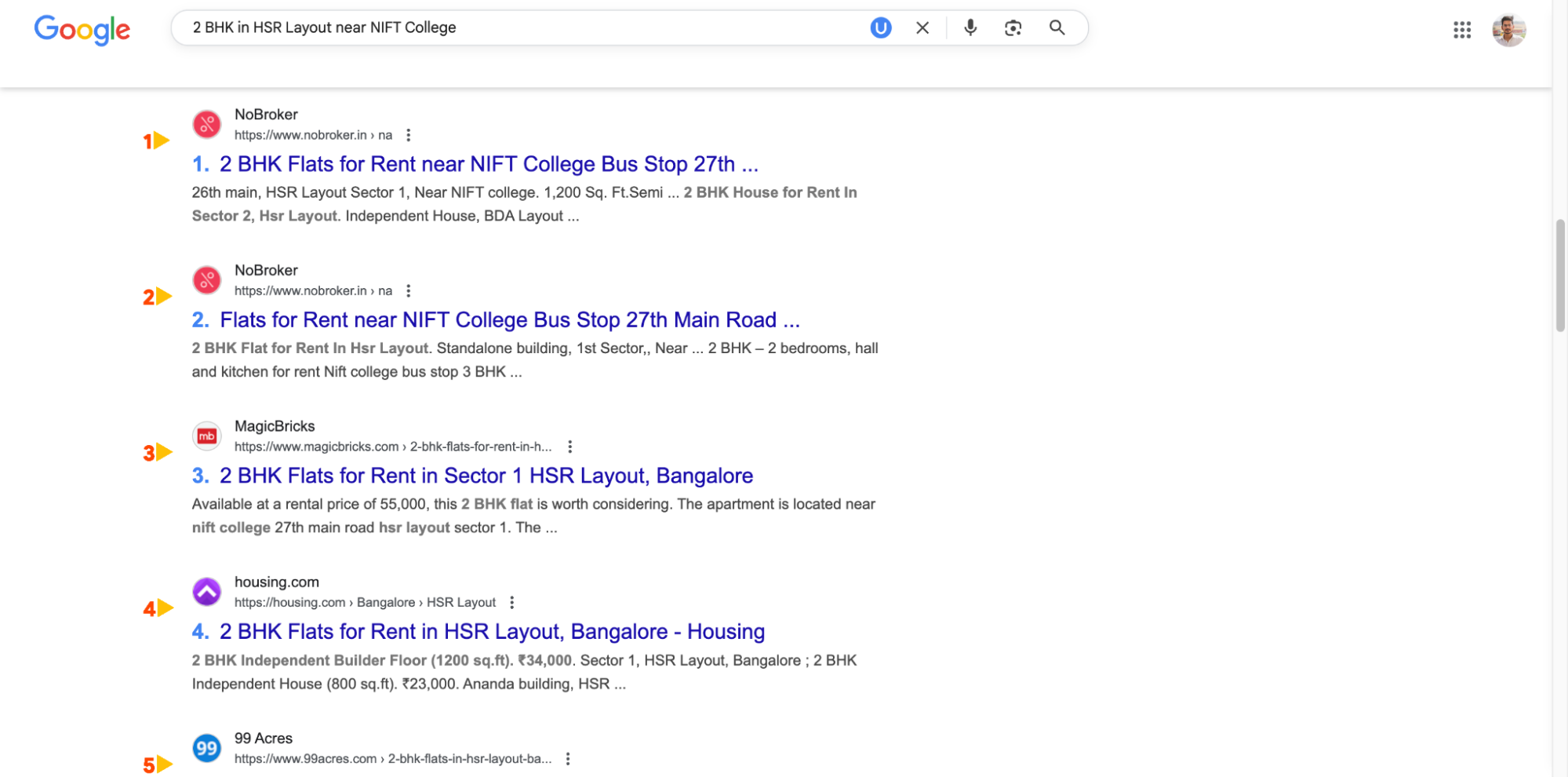
- Website B ranks #1 for a super-specific, high-intent search like “2 BHK in HSR Layout near NIFT College.”
Now, who do you think gets more qualified leads?
Obviously website B.
Because the person searching “2 BHK in HSR Layout near NIFT College” knows exactly what they want, they’re ready to act.
Meanwhile, “flats in Bangalore” is vague for the audience looking for specific location properties. They could be browsing, comparing, or just dreaming.
This means that the more specific the keyword is, the closer someone is to taking action.
Even 10 clicks on the right keyword can bring more leads than 100 from the wrong ones.
To get a taste of it you can try this:
Make a list of areas you serve. Then brainstorm what a buyer might search:
- “Affordable plots in [Area] under [Budget]”
- “Top gated societies in [Area] for families”
- “New apartments near [Landmark/Metro Station]”
Here’s what you can do:
- Use conversational, location-based phrases in your content, meta tags, and image alt text
- Create pages targeting specific neighborhoods or buyer intents
- Structure content to directly answer common search questions (great for AI search too)
Remember: You’re not just targeting keywords, you’re targeting real-life buyer questions.
Optimize for AI search engines: Google SGE, ChatGPT, and beyond
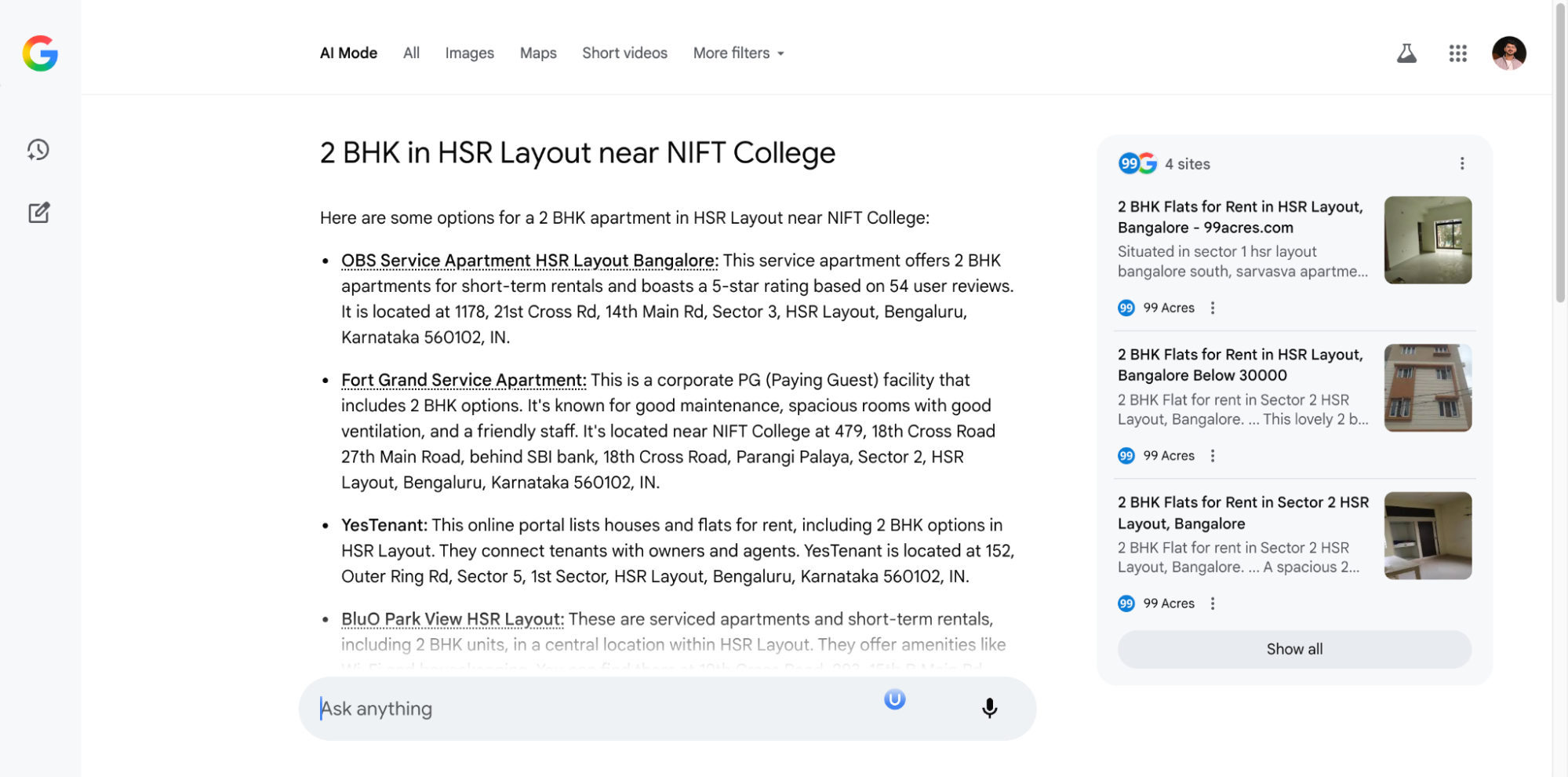
2026 isn’t just about Google Search, it’s about showing up in AI-generated answers.
Google’s AI Mode, ChatGPT, Bing Copilot, these tools don’t list 10 blue links. They summarize answers from trusted sources.
If your site doesn’t feed these systems with clear, helpful content, you won’t get featured.
Here’s how to optimize for AI search:
- Write naturally, like you’re talking to a buyer (not a bot)
- Answer common real estate questions clearly and early in the page
- Use schema markup and structured data (e.g. for properties, FAQs, locations)
- Build topical authority: cover all angles of your niche, not just one keyword
AI search is about clarity and context. If your content is genuinely helpful, you become the source these tools quote.
Create unique, customer-centric content
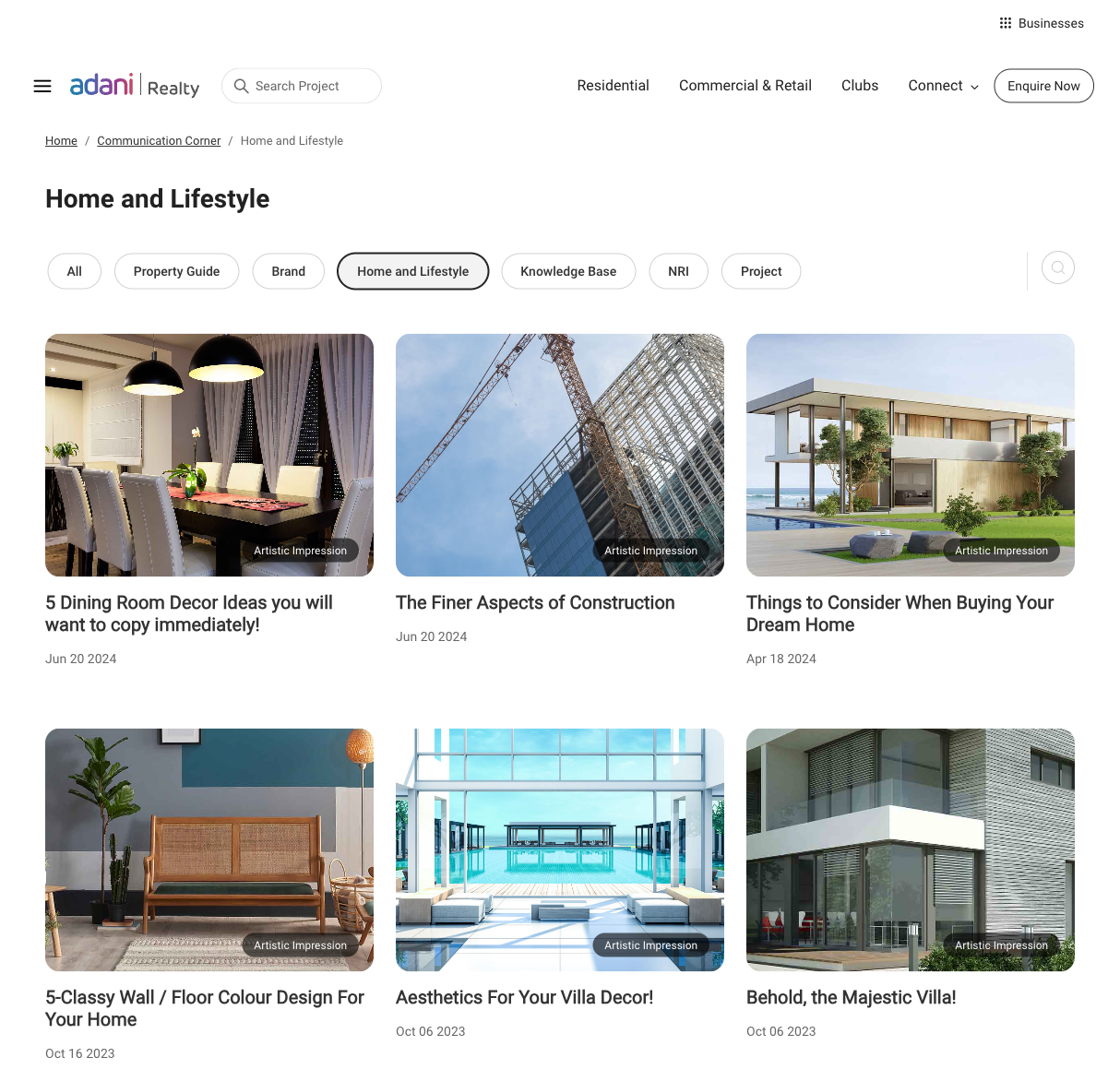
Most real estate websites are just digital brochures, full of listings, but empty of value.
If your content doesn’t answer your buyer’s real questions, Google (and AI search engines) won’t bother showing it. And neither will buyers.
Instead, create content that solves problems:
- Neighbourhood guides: “Best societies in Kharghar for families”
- Budget breakdowns: “What you get in ₹80L in South Bangalore”
- Step-by-step explainers: “How to check RERA registration before buying”
- Comparisons: “Gurgaon vs. Noida for first-time homebuyers”
The goal?
Be the local expert.
If someone’s planning a major investment, they want more than just a 2BHK listing. They want insights, trust, and clarity, and that’s what good content delivers not duplicate content.
If someone’s planning a major investment, they want more than just a 2BHK listing. They want insights, trust, and clarity, not duplicate content. That’s exactly what good content delivers.
Bonus: This kind of content is highly shareable, earns backlinks, and ranks well on both Google and AI search tools.
Optimize every property listing like a landing page
Most property pages are boring.
Photos, a few bullet points… and that’s it.
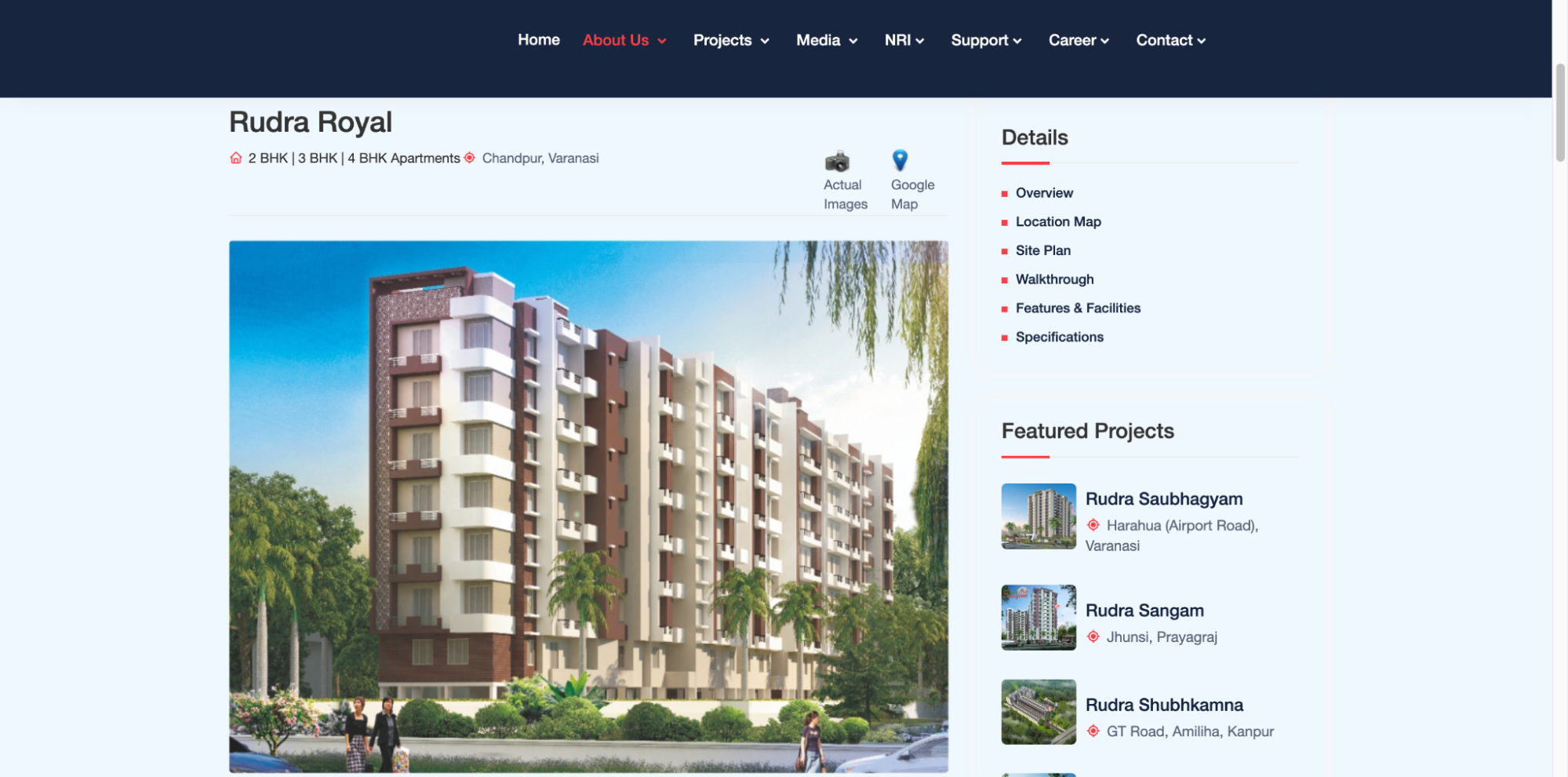
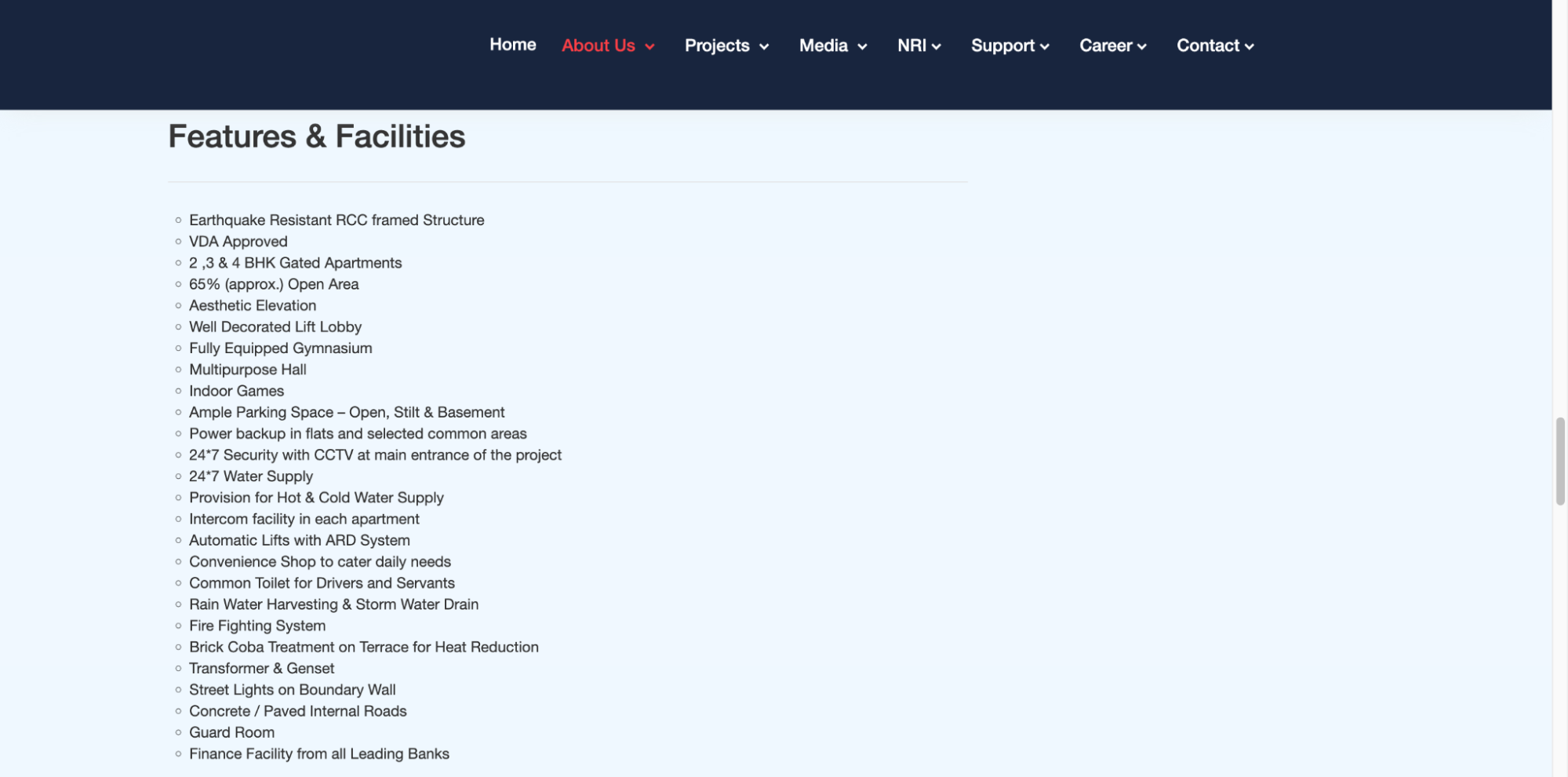
But your listings can sell literally, if you treat them like mini landing pages.
For this you must include:
- A clear, catchy headline (e.g., “Modern 3BHK with Lake View in Kharadi”)
- A quick intro paragraph speaking to the ideal buyer
- Benefits that users get (not just features) e.g. “Walking distance to Metro” > “Metro nearby”
- FAQs about the property, society rules, paperwork
- A clear call-to-action like “Schedule a Visit” or “WhatsApp Us Now”
- Think of it this way: if someone landed on just that listing, would it convince them to call you?
Dominate Google with a fully optimized Business Profile (GMB)
If you’re not showing up on Google Maps when someone searches “real estate agent near me” then you’re missing out on hot leads.
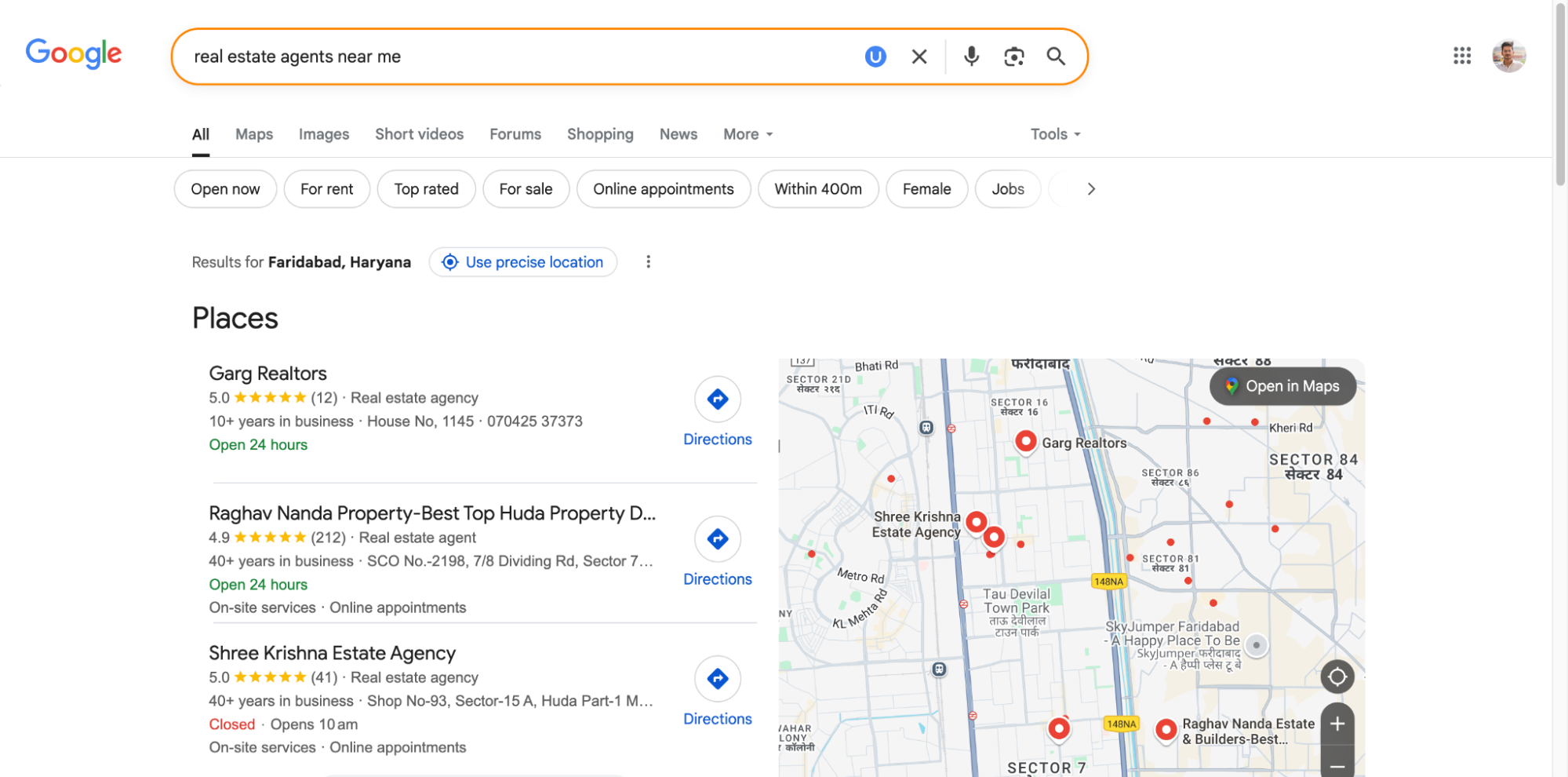
Let me tell you that your Google Business Profile often shows up before your website. That’s free real estate that you shouldn’t waste.
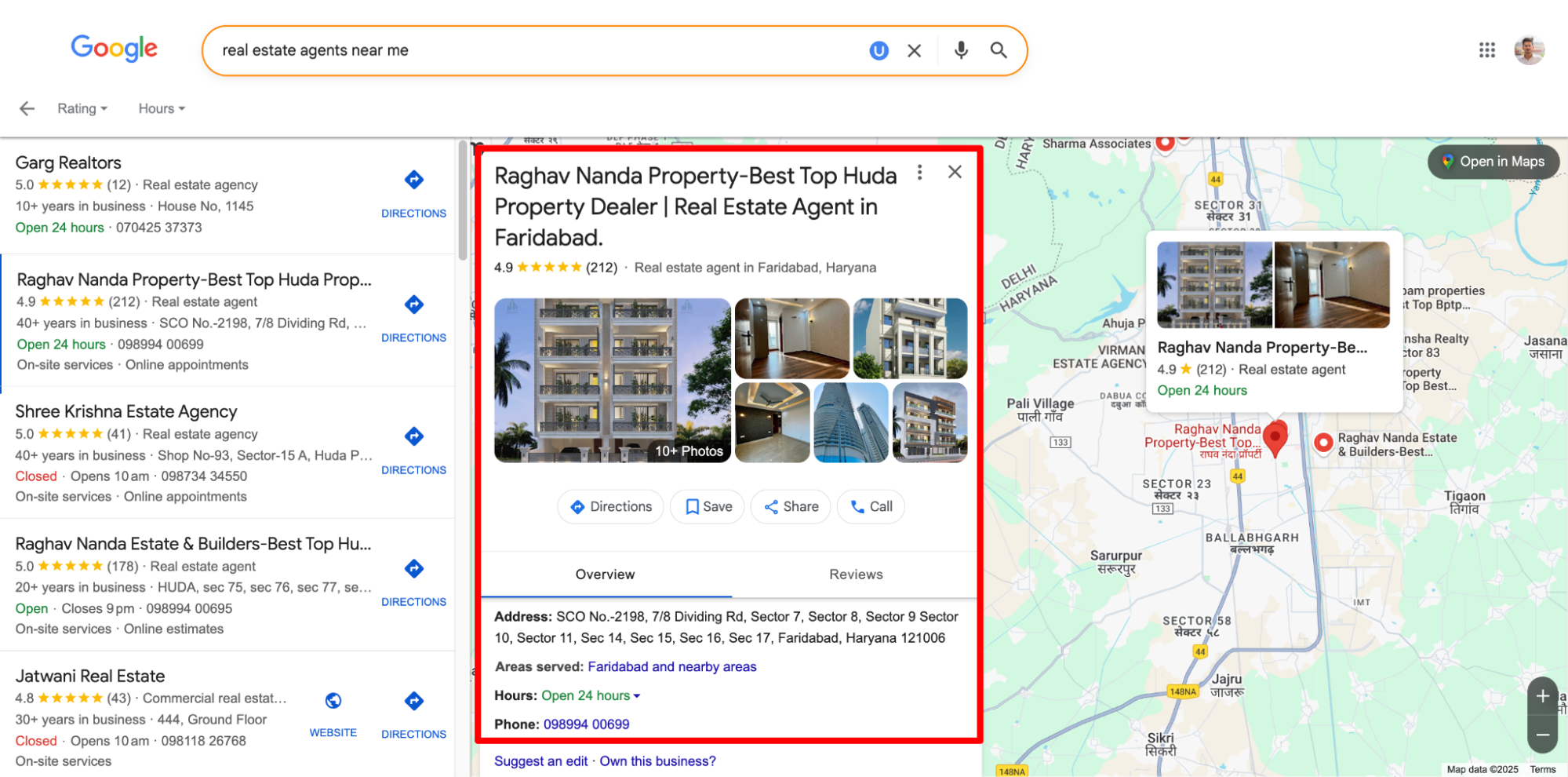
Add your location, services, contact info, high-quality photos, and post updates weekly. It builds trust with Google and with your leads.
Set up (or improve) your Google Business Profile:
- Add your real office address, phone number, hours
- Upload real photos and avoid stock images
- List your services (e.g., “NRI Property Assistance,” “Rental Management”)
- Encourage happy customers to leave detailed reviews
Quick tip:
Respond to every review, even the bad ones. It shows you care.
Collect and showcase reviews on Google, Facebook & other platforms
Buyers trust people, not just websites.
In real estate, reviews build credibility faster than any ad ever could. Whether it’s Google Maps, Facebook, or even Justdial, potential clients are reading what others say about you before they call you.
Here’s how to build review trust:
- Ask happy clients to leave honest reviews right after closing a deal
- Respond to all reviews (even the bad ones) to show professionalism
- Highlight 5-star reviews on your website and listing pages
- Use tools like Trustindex or EmbedSocial to display reviews beautifully
Pro tip: Google often pulls reviews into search results and AI summaries. That means your reputation can literally boost your rankings.
Build location pages that rank and convert
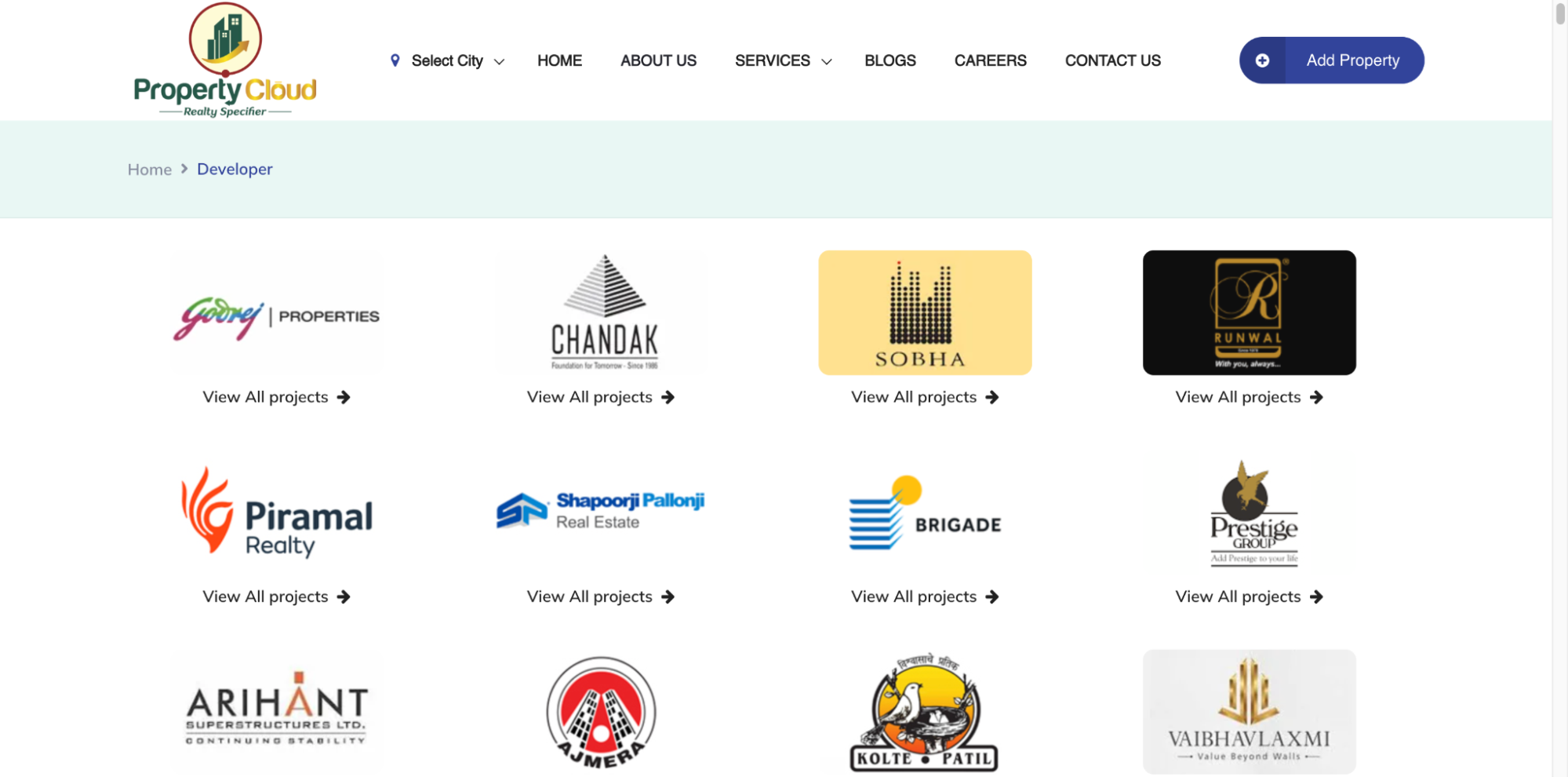
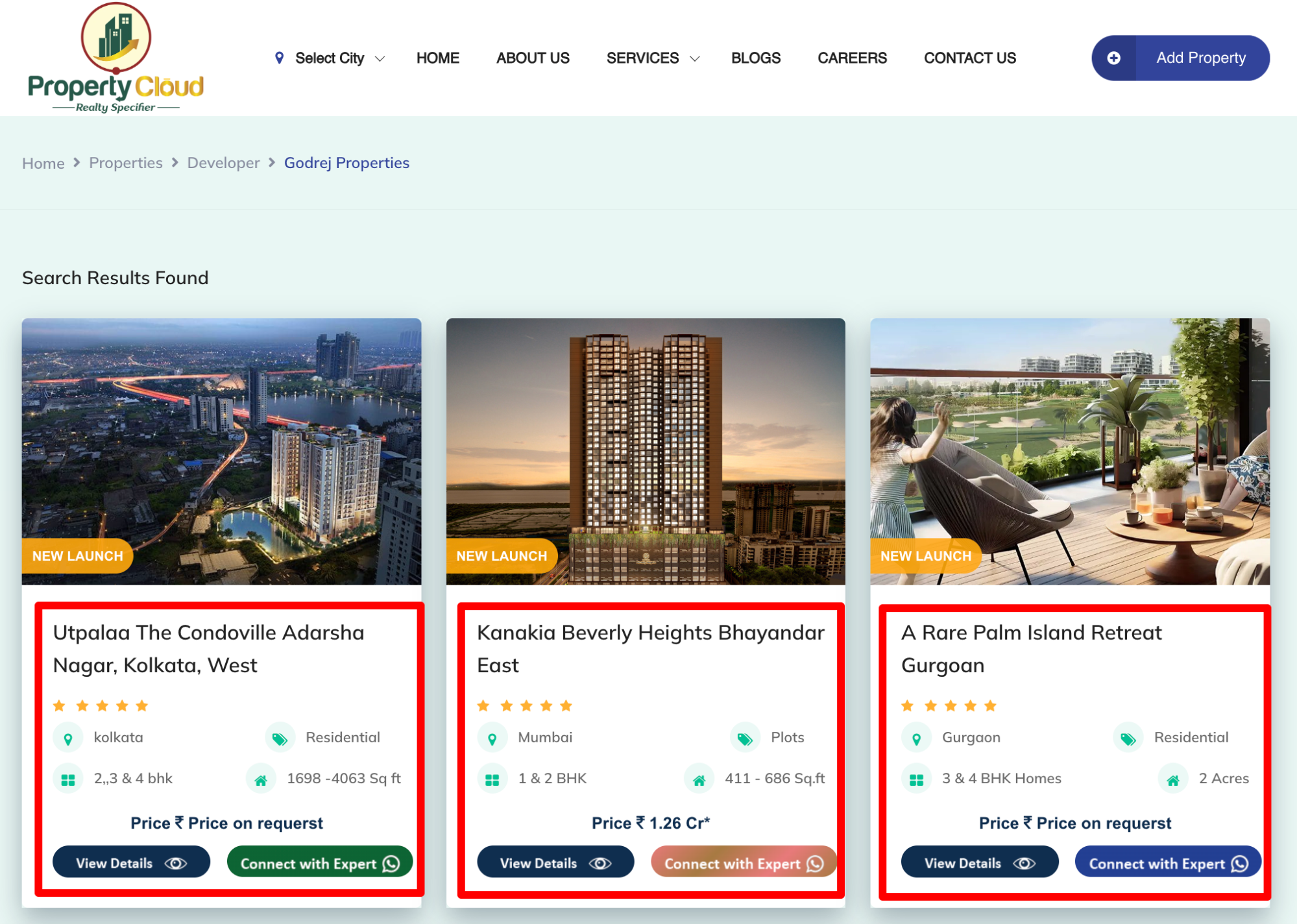
Instead of a single page that lists all the areas you serve, create individual pages for each city, developer, and neighborhood.
For example, if you serve multiple developers, create dedicated pages for each one.
- /properties/developers/godrej-properties
- /properties/developers/brigade-group
- /properties/developers/piramal-realty
On each page, include:
- Info about the neighborhood (schools, safety, commutes)
- Type of flats available [2BHK, 3BHK or more]
- Pricing if available
- Property location and area
- Property type [residential / commercial]
These pages build authority and help you rank for “real estate in [location]” searches.
Use schema markup for real estate agents and listings
I won’t get too technical here, but this one’s a game-changer.
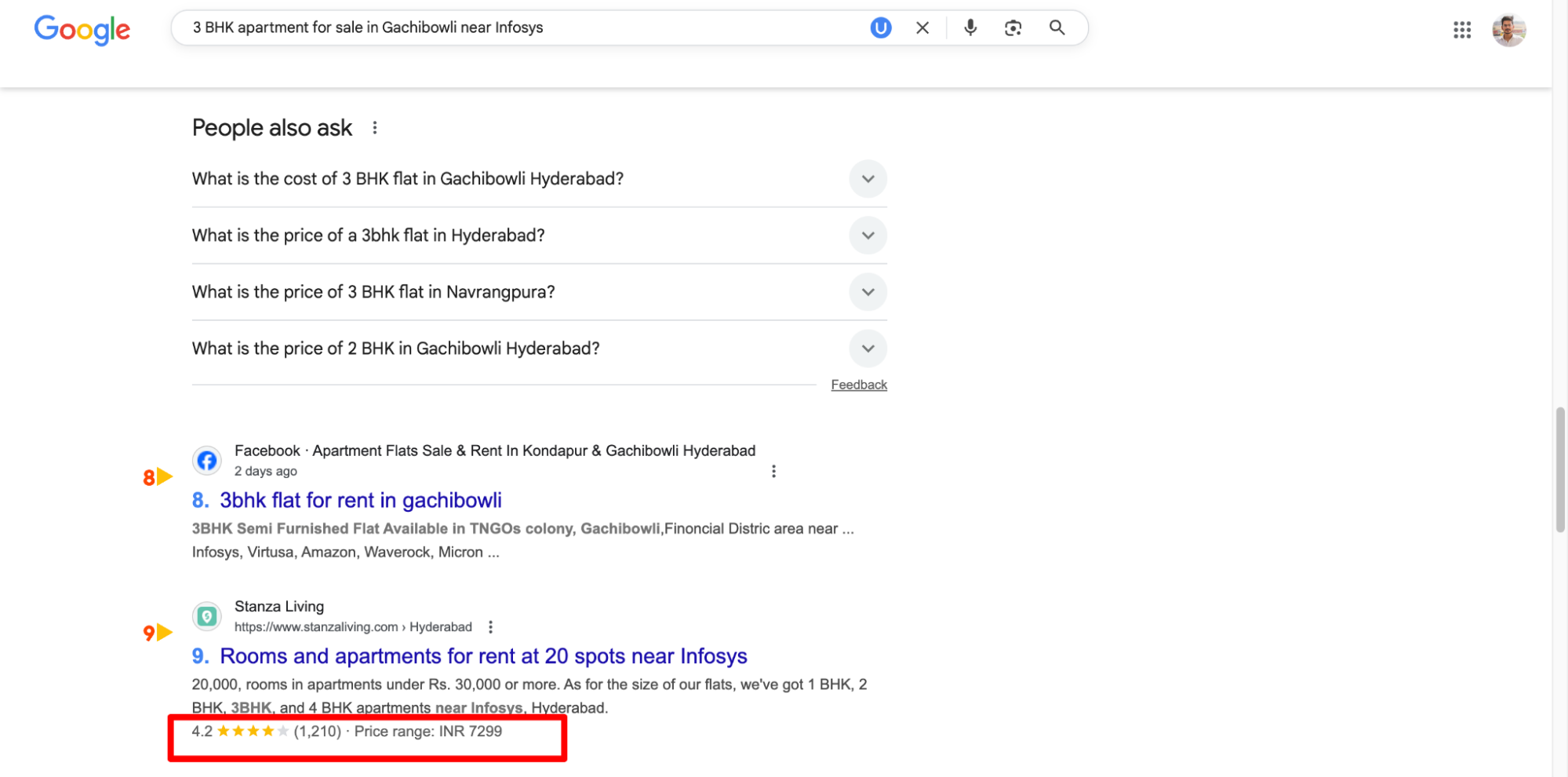
Schema markup is code you add behind the scenes that helps Google understand what’s on your page.
When used right, it can help your listings appear with stars, prices, availability, and more, right in the search results.
Here’s what to mark up:
- Property listings (price, location, number of bedrooms)
- Your business info (real estate agent schema)
- Reviews and FAQs
You can use tools like Google’s Structured Data Markup Helper to add that, and the best part is it doesn’t require any coding skills.
Fix crawling and indexing issues before anything else
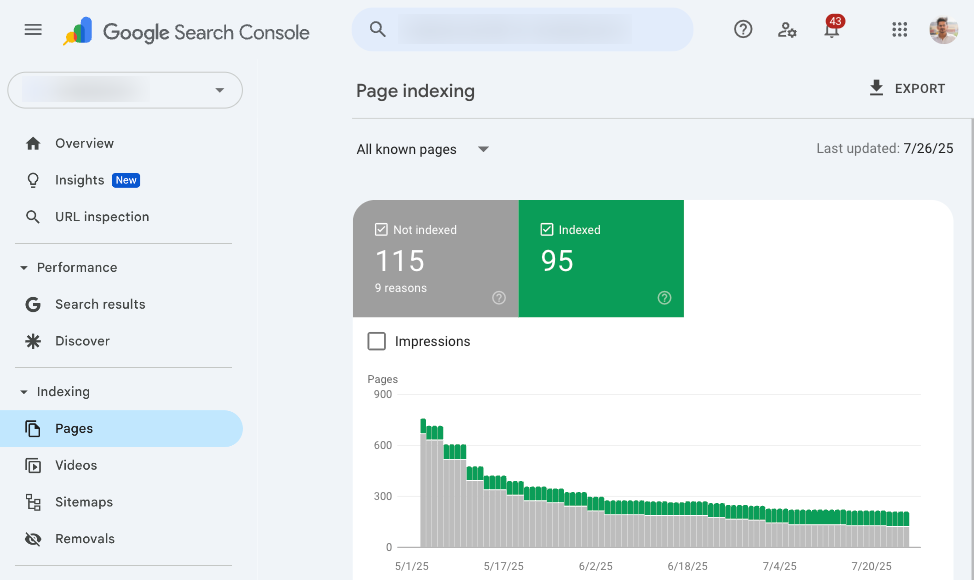
If your pages aren’t indexed, they might as well not exist.
Imagine writing the world’s best property description… and Google doesn’t even see it.
That’s what happens when your pages aren’t being crawled or indexed properly.
Related: How to index your ‘Crawled – currently not indexed’ pages?
Use Google Search Console to check what’s not showing up and why. Common problems include blocked pages, duplicate content, and broken internal links. Clean these up so Google can find and rank you.
Let me share a checklist to make sure you’re covered:
- Submit your sitemap on Google Search Console
- Make sure pages you want indexed aren’t accidentally marked “noindex”
- Fix broken links and redirect old URLs
- Avoid duplicate content (especially on listings copied from other sites)
Optimize your site for speed and mobile first
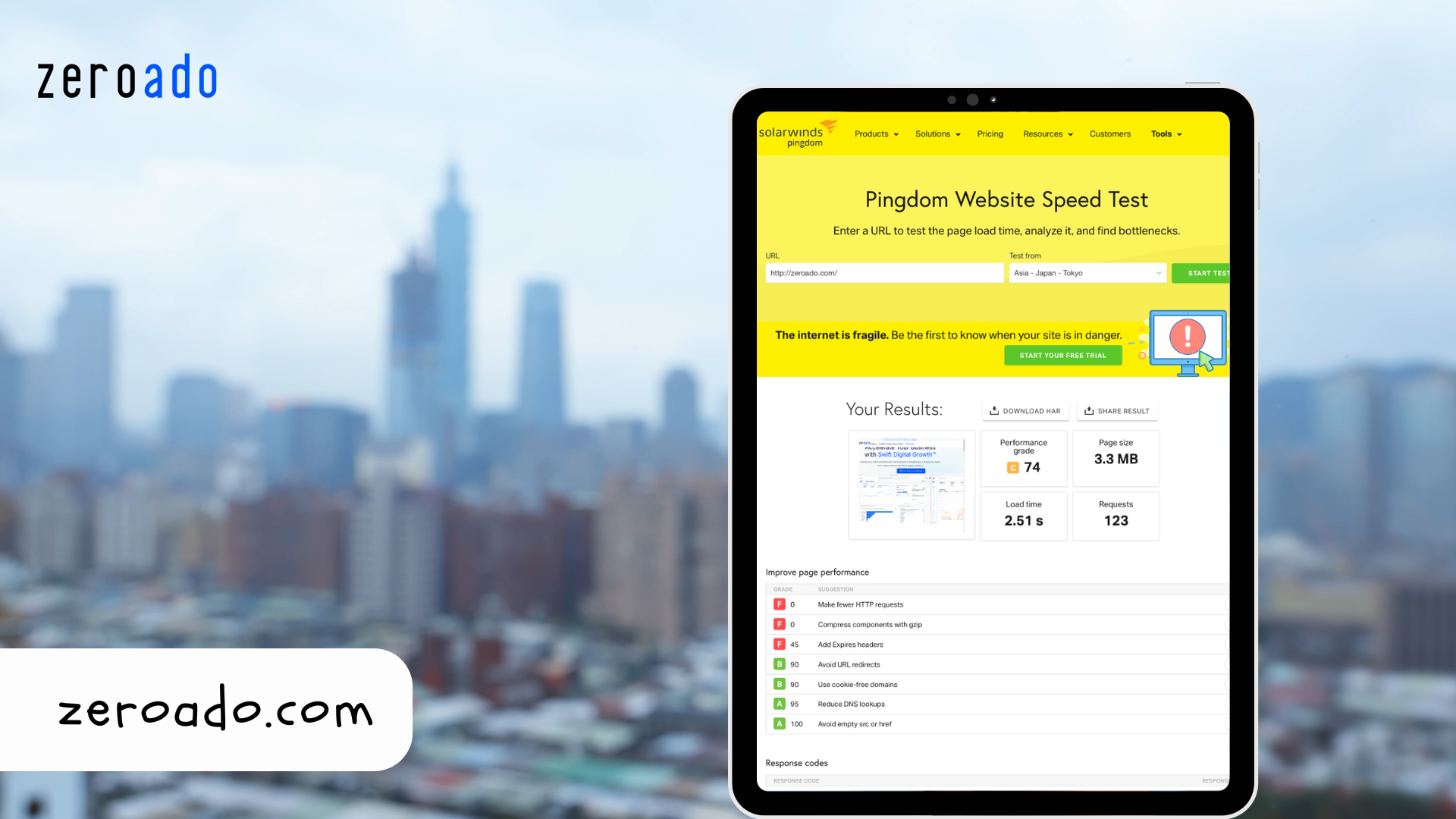
Most of your visitors are coming from mobile. And they won’t wait 5 seconds for a slow site to load.
So your site must be:
- Mobile-friendly (no pinching and zooming)
- Fast-loading (under 3 seconds)
- Easy to scroll, tap, and filter listings
Test your site here: Google’s Mobile-Friendly Test [step by step guide]
Extra tip:
Avoid big image files. Compress them with TinyPNG or ShortPixel
Add internal search with filters that actually work
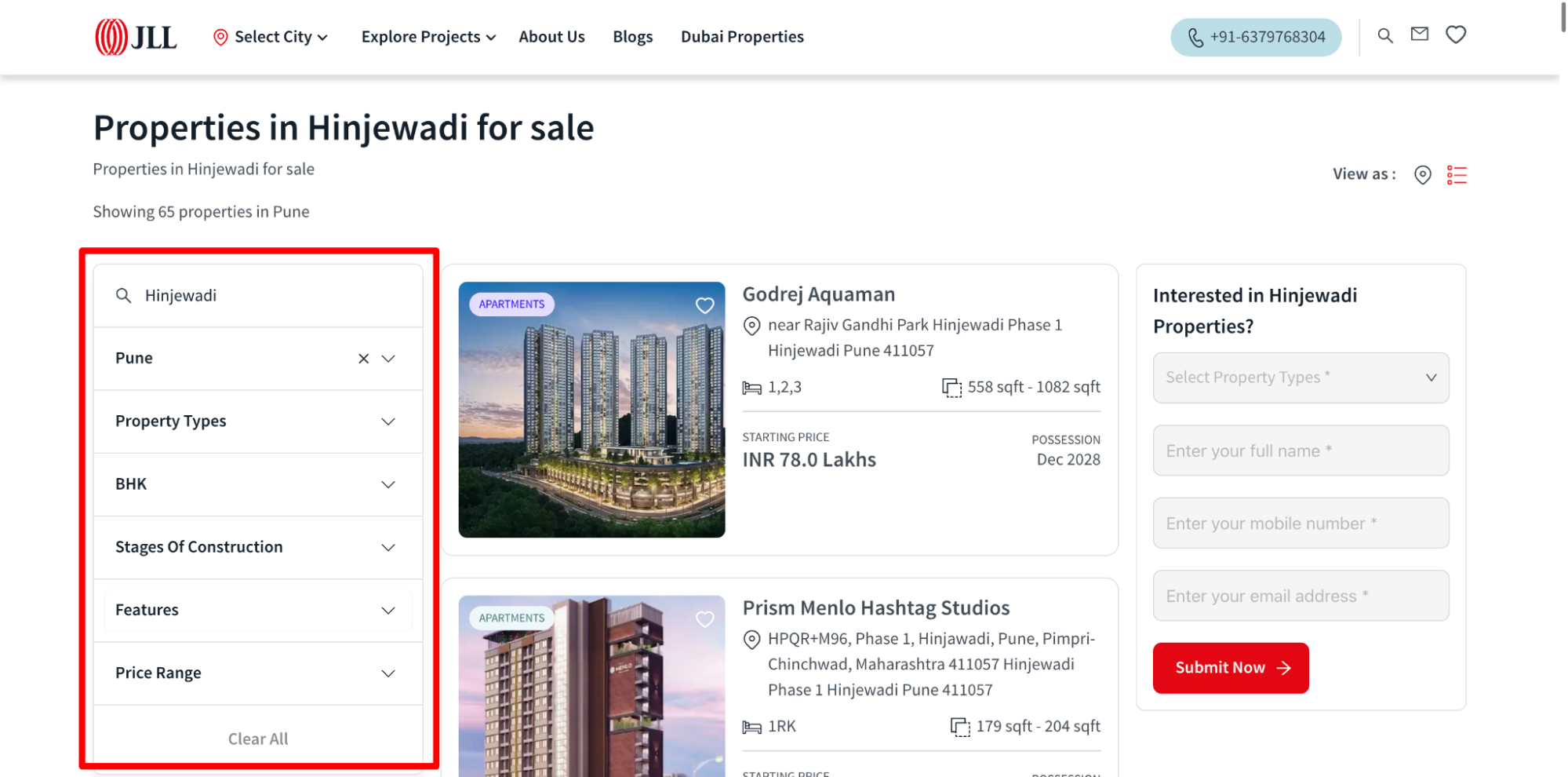
If someone lands on your site but can’t filter by BHK, budget, or location, they’ll leave fast.
Bad internal search » frustrated users » lost leads.
Make sure your site has:
- Working search bar
- Filters by budget, bedrooms, area, property type
- Sorting options: newest, lowest price, most viewed
- Clear “Reset Filters” or “Back to Results” buttons
A functional internal search helps people find exactly what they’re looking for and keeps them on your site longer, which is good for SEO.
Secure high-quality, hyperlocal backlinks
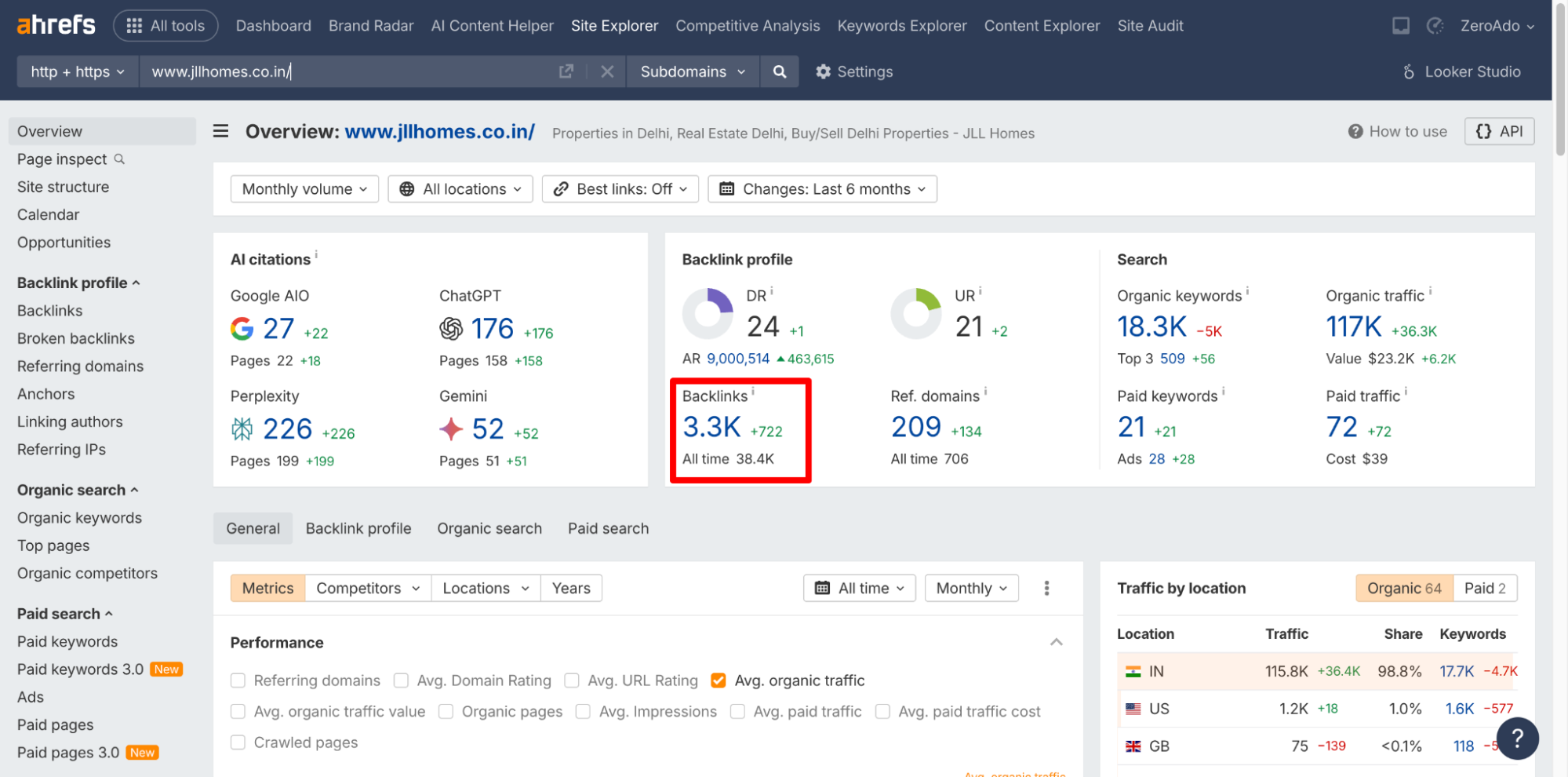
Google sees backlinks as votes of confidence. But not all links are equal.
Focus on local and relevant backlinks:
- Local news websites (“Top Realtors in Pune” list)
- Property blogs or influencer shoutouts
- Sponsoring a local event or housing society newsletter
- Guest posting on real estate podcasts or YouTube channels
Pro tip:
Use HARO or Qwoted to get featured in media stories.
You can also collaborate with experienced link building agencies that specialize in earning relevant, high-authority backlinks from local and industry-specific sites, instead of wasting time on generic directories or low-quality links.
Just make sure that in the race for backlinks, you don’t buy backlinks. Earn them by creating valuable SEO content and building real relationships in your niche.
Use google posts to showcase new properties, offers and news
Did you know you can post updates (like Instagram) directly on your Google Business Profile?
They appear right below your profile in search results.
Use this feature to post:
- New property listings
- Open house events / announcements
- Limited-time offers (e.g., “Zero brokerage this week”)
- Helpful tips (“Checklist for first-time buyers”)
It keeps your profile fresh which is great for local SEO. Also, these posts show up directly in your Google Business Profile and can get you clicks before someone even visits your site.
Embed videos and virtual tours across your pages (YouTube SEO)
If a picture says a thousand words, a video sells the house.
Most buyers won’t visit a property unless they’ve already seen it online. That’s why video content, walkthroughs, aerial shots, lifestyle clips, is gold for both engagement and SEO.
But here’s the kicker: YouTube is the second-largest search engine.
So when you upload and embed videos right, you don’t just wow your visitors, you also show up on Google and YouTube.
Here’s how to make it work:
- Upload virtual tours with titles like “3BHK flat tour in Andheri West with sea view”
- Add keyword-rich descriptions, timestamps, and links back to your listing page
- Embed the videos on your property pages, blog posts, and city guides
- Use schema markup (VideoObject) so search engines pick up your embedded content
And don’t just stop at listings. Think: How-to guides, neighborhood vlogs, or client testimonials. These types of videos build trust and help you become a known voice in your local market.
Make your site accessible and ada-compliant

Here’s something most real estate sites overlook, accessibility.
That means making your website easy to use for everyone, including people with visual or physical impairments.
Why should you care?
- It’s the right thing to do
- It can keep you safe from legal trouble (yes, even in India)
- Google favors accessible websites in search
Simple things you can do:
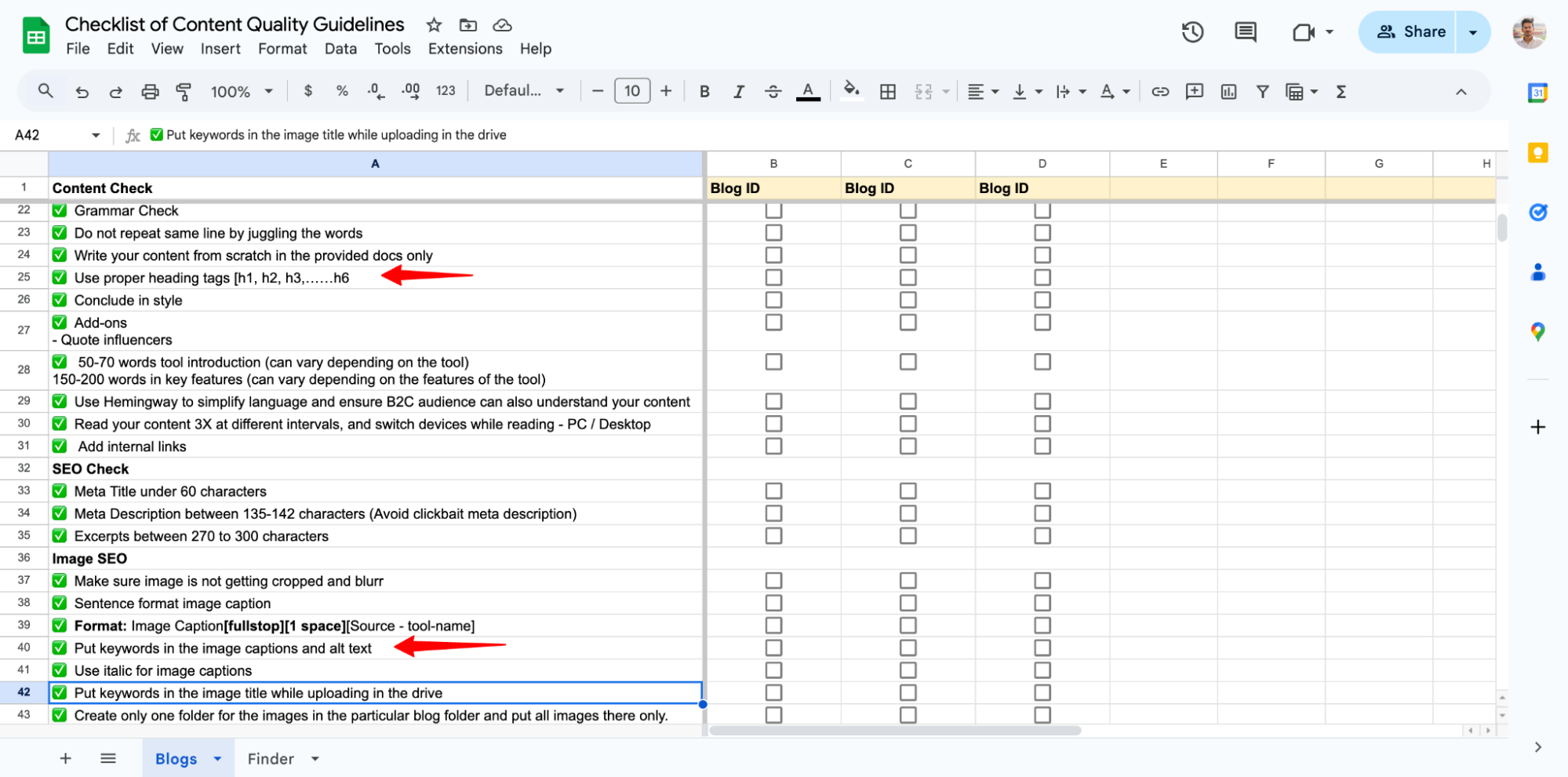
- Add alt text for every image (especially property photos) – helps with image SEO
- Use clear, readable fonts and high-contrast colors – improves UI/UX
- Make sure buttons and links can be used with a keyboard – important for accessibility
- Use proper heading tags (H1, H2, H3, etc.) – essential for on-page SEO
Now, just to be clear, ADA compliance isn’t some new trend. It’s just part of doing essential, good SEO.
In fact, it’s the same stuff we at ZeroAdo handle day in and day out.
You can check out our Content Quality Guidelines® checklist to see how we bake all of this into every site we work on.
Create real estate tools and resources that attract links
Want other websites to link to you without begging?
Create something so useful they naturally want to share it.
Here are a few content ideas:
- Mortgage calculator (super popular with first-time buyers)
- EMI planner or home loan eligibility checker
- Investment ROI calculator
- Downloadable guides like:
- “How to Register a Property in Bangalore”
- “Checklist for Renting Your First Flat in Mumbai”
- “2026 Home Buyer’s Budget Planner (Free PDF)”
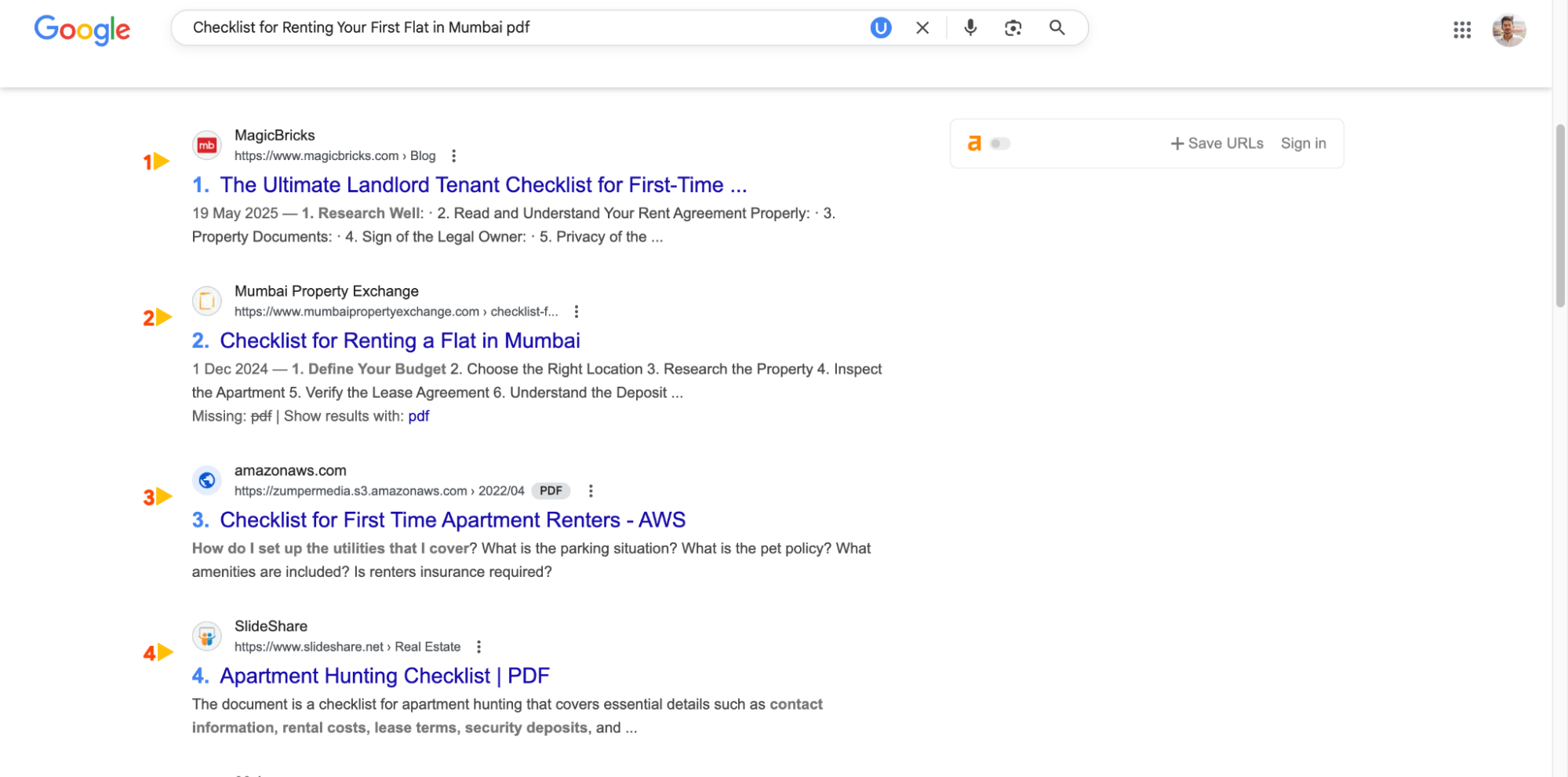
These are things people actually use and when they share them, Google notices.
Leverage Quora, forums, and niche Q&A sites to build reputation
When people have questions like “Is Noida Extension a good place to buy?” or “Best societies for families in Pune?”, they don’t always go to Google first.
They ask on Quora, Reddit, RealEstateIndia forums, and even WhatsApp or Facebook groups.
That’s your cue.
By consistently showing up with helpful, location-specific answers (not salesy pitches), you can:
- Drive referral traffic to your website or listings
- Build topical authority for both Google and human searchers
- Get picked up by AI search engines that pull Q&A content (like ChatGPT and Perplexity)
How to do it smartly:
- Answer 3–5 questions a week on platforms where your buyers hang out
- Link to your relevant blog or listing pages only when useful
- Use hyperlocal keywords naturally in your answers
- Reuse your best-performing answers as blog intros or FAQ content on your site
This is the kind of organic reputation building most realtors skip, but it’s how you stay visible where your ideal buyers actually are.
Track what matters: KPIs, rankings, and behavior

Don’t just “do SEO” blindly. Measure it.
Let me tell you a golden rule of SEO: What you don’t track, you can’t improve.
You don’t need a fancy dashboard. But you do need to keep an eye on:
- Which pages bring in the most traffic
- What keywords you’re ranking for
- How users behave on your site (Do they bounce? Do they click?)
- How many leads came from SEO this month?
Related: 19 SEO Metrics You Must Track in 2025
Free tools to use:
- Google Analytics 4 – for behavior and conversions
- Google Search Console – for rankings and clicks
- Microsoft Clarity – to watch how users interact with your site
Check your numbers every month. Adjust your SEO and content marketing based on what’s working. Rinse and repeat.
Be consistent, but patient: SEO + AI visibility compounds over time
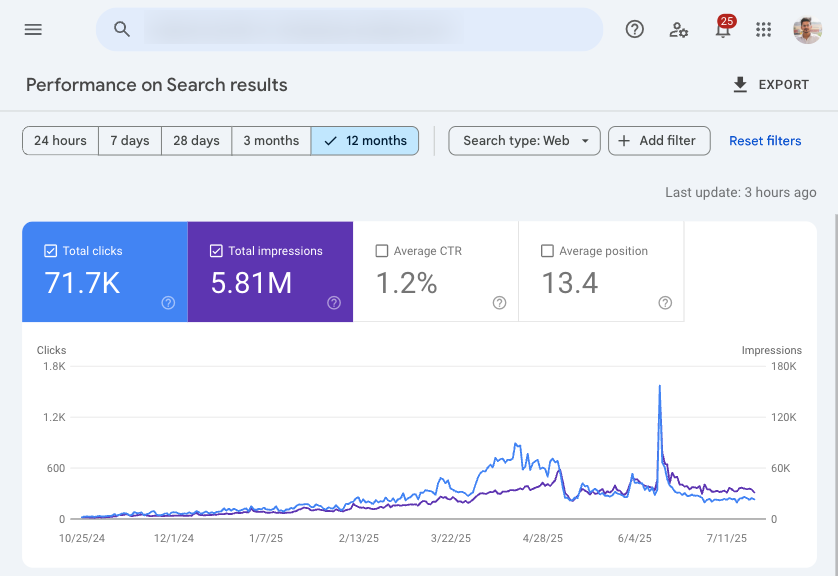
If you’re expecting SEO to give you results in 2 weeks, then you’re going to be disappointed.
SEO is not instant. But it’s predictable and it compounds.
I always explain it this way to our interns:
“SEO is like farming. You plant content, build links, fix issues… and then wait.”
You won’t get leads tomorrow. But give it 3 to 6 months, and your site will start bringing in leads without spending a rupee on ads.
But sadly, that’s where most people quit. Just before the results kick in.
So don’t give up after a few weeks.
Keep optimizing. Keep publishing. Keep tracking.
The results are worth it.
Launch your real estate SEO strategy today!
If you’ve made it this far, you already know one thing for sure: real estate SEO isn’t optional anymore. It’s the quiet engine behind agents who are getting discovered, getting inquiries, and closing deals, while others stay stuck on page 5.
The good news is you don’t need to master all 21 tactics at once.
Start small. Pick three. Stay consistent.
SEO works like compound interest, it grows with time and trust.
And if you’d rather not figure it out alone, that’s exactly why we built ZeroAdo.
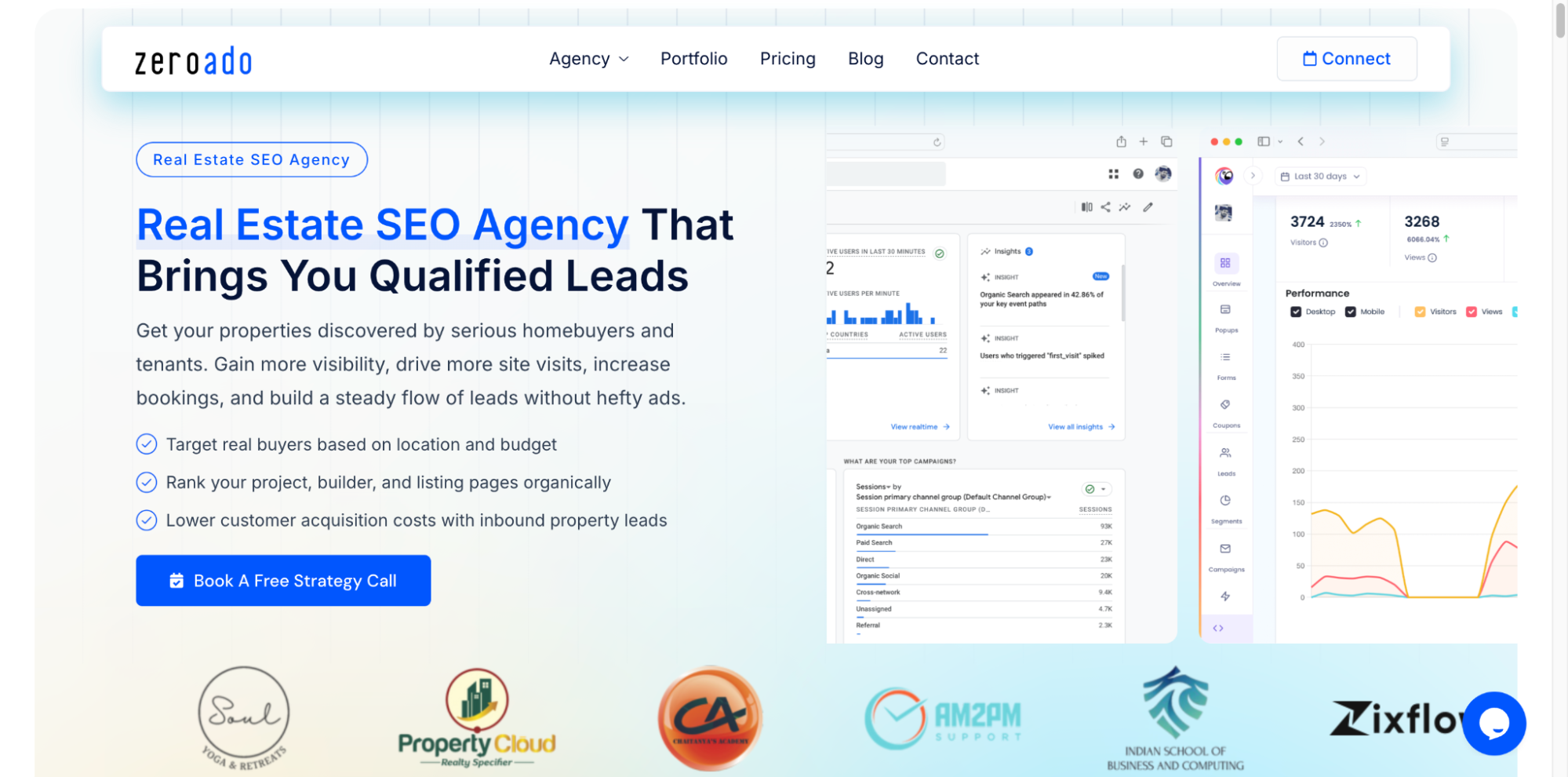
We specialize in helping real estate businesses grow organically without any jargon, fluff, and vague metrics. Whether you need a site audit, better local rankings, or listings that actually convert, we’ve got your back.
Ready to stop relying only on paid ads and start building long-term visibility?
Book a free discovery call with ZeroAdo and let’s build your lead-generating SEO foundation together.
Your future customers are already searching. Let’s make sure they find you.
